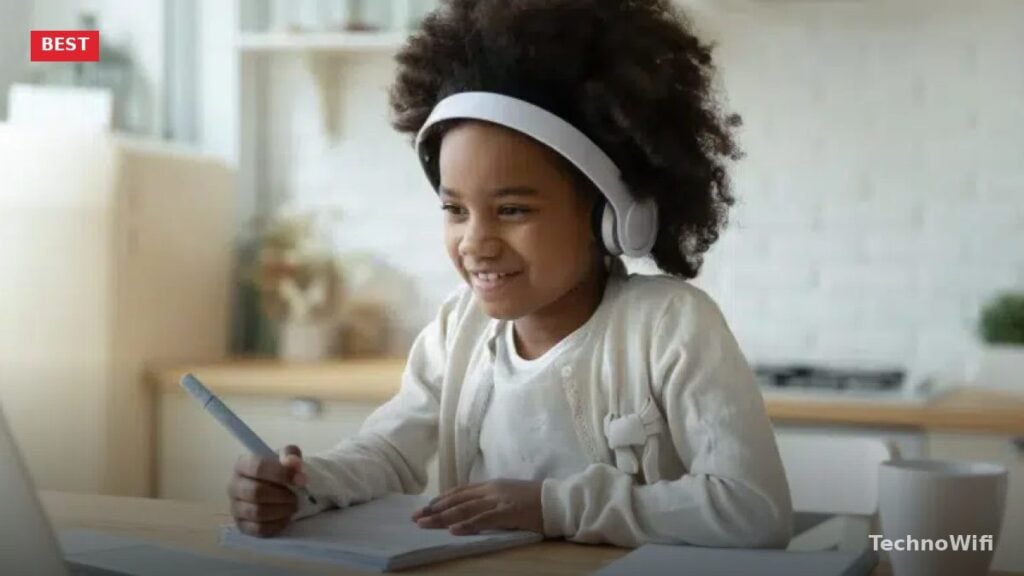
Kids are using headphones more than ever before. School Chromebooks, long road trips, video calls with family, and marathon Roblox sessions that stretch past bedtime. If your child doesn’t already own a pair, it’s only a matter of time. But picking the right ones takes a bit more thought than just grabbing the cheapest option off the shelf.
Kids’ headphones aren’t just shrunken-down adult headphones. The good ones have volume limiters that cap output at 85 dB, the level the World Health Organization says is safe for extended listening. They’re also built tough enough to survive drops and rough handling, and they actually fit smaller heads without squeezing too tight.
The right pair depends on your kid’s age, how they’ll use the headphones, and whether wired or wireless works better. A three-year-old watching Bluey on an iPad needs something very different from a twelve-year-old gaming on a PC. This guide breaks it down by age group, recommends specific products, and links to our detailed reviews for each category.
What to Look for in Kids Headphones
Volume limiting is the single most important feature in any pair of kids’ headphones. Without it, regular headphones can hit 110 dB or higher. That’s louder than a chainsaw. Prolonged exposure at those levels causes permanent hearing damage, and kids almost never turn the volume down on their own.
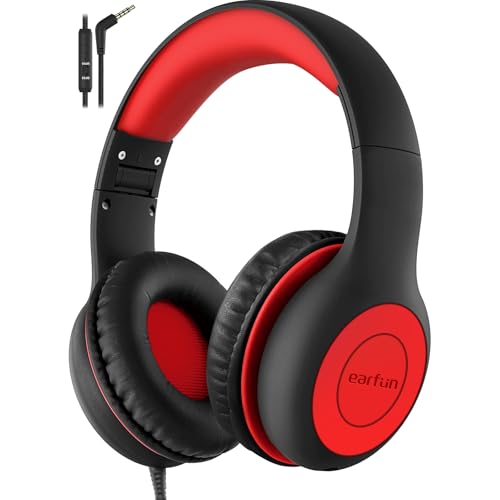
Look for headphones with a built-in 85 dB volume limiter. Some models add a second limit at 94 dB for airplane use or supervised listening. Think of it like a speed limiter on a car. The engine can go faster, but the limiter keeps it from exceeding a safe threshold. For context, 85 dB is roughly how loud a busy restaurant gets.
Fit and comfort matter more than most parents think. Kids have smaller heads, so standard headphones either slip around or press too hard on the sides. Look for adjustable headbands and soft ear cushions. Over-ear designs tend to be more comfortable for long sessions than on-ear models, which press right against the ear.
Durability is non-negotiable. Kids drop things. They sit on things. They cram headphones into backpacks next to juice boxes and crumbled granola bars. Reinforced headbands, flexible hinges, and detachable cables (if wired) all help a pair survive daily life with a kid.
The wired vs. wireless decision depends mostly on age. Wired headphones are simpler, cheaper, and never need charging. That makes them perfect for younger children ages 3 through 8. Wireless Bluetooth headphones work better for older kids and teens who want freedom of movement and don’t want to deal with tangled cords.
Also think about whether your child needs a microphone. Online learning through Zoom and Google Meet requires one, and so does gaming with friends. Many kids’ headphones now come with a built-in mic, but not all of them do. Check before you buy.
| Feature | Toddler (2-4) | Young Child (5-8) | Tween (9-12) | Teen (13+) |
|---|---|---|---|---|
| Volume Limiter | 85 dB required | 85 dB required | 85 dB recommended | Use device settings |
| Wired vs Wireless | Wired preferred | Either works | Wireless preferred | Wireless preferred |
| Over-Ear vs On-Ear | Over-ear | Either works | Over-ear | Over-ear or earbuds |
| Durability Priority | Very high | High | Medium | Medium |
| Mic Needed | Rarely | Yes (school) | Yes (school/gaming) | Yes (calls/gaming) |
Best Headphones for Toddlers and Young Children
For ages 2 through 6, safety and simplicity should be your top priorities. An 85 dB volume limit is a must at this age. Young kids can’t judge safe volume levels, and their ears are more vulnerable to damage than adults’. You also want something light enough that a small child will actually keep it on.
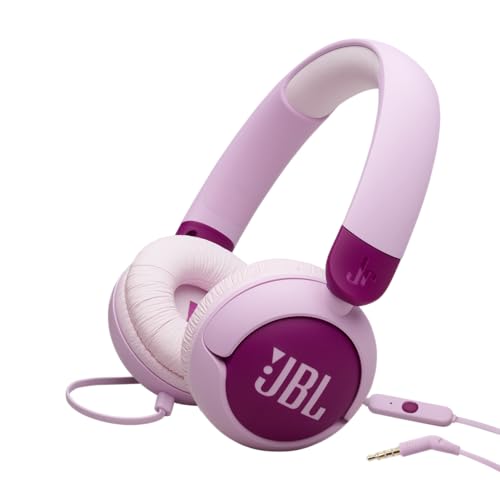
Wired headphones make the most sense for this age group. There’s no battery to worry about, no Bluetooth pairing to troubleshoot, and nothing that quits working mid-cartoon because it ran out of charge. That said, a few wireless options for toddlers are genuinely excellent.
Our top pick is the Puro Sound Labs BT2200. It has an 85 dB volume limit, Bluetooth wireless, and it’s lightweight enough for small heads. Sound quality is surprisingly good for a kids’ product, so your child will actually enjoy wearing it. Expect to pay around $80 to $100.
If that’s more than you want to spend, the JLab JBuddies Studio is a solid budget option. It’s wired, has an 85 dB volume limit, folds flat for storage, and costs under $20. It won’t blow you away on audio quality, but it’s tough and gets the job done.
For our full comparison of additional models in this category, see our guide to the best headphones for toddlers. We test each pair for actual volume output, comfort on small heads, and build quality.
Best Headphones for Elementary and Middle School Students
Kids ages 6 through 12 need headphones that can pull double duty. They use them at school for online lessons, classroom tablets, and Chromebook assignments. Then they use them at home for YouTube, music, and video calls. The headphones need to handle all of that without falling apart in a backpack.
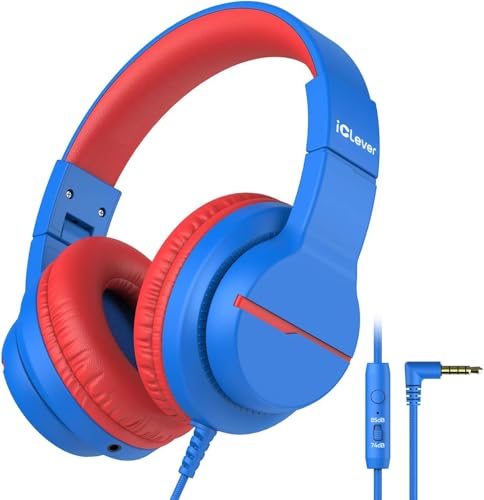
Volume limiting is still important at this age. Some models offer a smart two-level system. The first level caps at 85 dB for everyday use. The second allows up to 94 dB for supervised situations like airplane travel, where high ambient noise makes 85 dB too quiet.
Our top pick is the JBL JR310BT for wireless or the JBL JR310 for wired. Both feature an 85 dB volume limit, fold flat, and sound good for the price. They run about $25 to $30, which is a sweet spot for headphones that might get lost or broken during the school year.
For school specifically, wired headphones are often the better choice. They work with any device right away, no pairing needed, and many schools actually require wired headphones. If your kid’s teacher sent home a supply list that mentions headphones, wired is almost always what they mean.
We have detailed guides for specific school scenarios. Check out our reviews of the best kids’ headphones for school, best headphones for kindergarten classrooms, and best headphones for elementary students.
Best Headphones for Tweens and Teens
By age 10 or so, kids stop wanting anything that looks like a “kids’ product.” If the headphones come in bright primary colors with cartoon characters, your tween will flat-out refuse to wear them. They want headphones that look and sound like what adults and older teens use.
Our top pick for this age group is the Beats Solo 4. It delivers premium sound quality, has a sleek design that teens actually want to be seen wearing, and it’s comfortable for extended use. There’s no built-in volume limiter, so parents should set up device-level volume controls. Expect to pay $130 to $200 depending on the color.
For a budget-friendly alternative, the Sony WH-CH520 is tough to beat. It’s wireless, lightweight, sounds great for the price, and has a 50-hour battery life. Fifty hours. Your teen can go weeks between charges. It runs around $40 to $60 and doesn’t include a volume limiter, but the value is excellent.
Since neither of these picks has a hardware volume limiter, set one up at the software level. Both Apple and Android have built-in options. On iPhone and iPad, go to Screen Time settings to set a maximum headphone volume. On Android, Family Link and Digital Wellbeing offer similar controls. These software limits cap headphone output regardless of what headphones are connected.
For more recommendations in this age range, see our guides to the best headphones for tweens and the best Beats headphones for kids.
Best Noise Cancelling Headphones for Kids
Active noise cancellation blocks ambient sound electronically. It’s useful for travel on planes, trains, and long car rides. It helps kids study in noisy environments. And for children with sensory sensitivities, it can genuinely make a big difference.
For kids with autism, ADHD, or sensory processing differences, noise-cancelling headphones reduce sensory overload in loud places like school cafeterias, sporting events, and crowded stores. They don’t even need to play music. Just wearing them with ANC turned on takes the edge off overwhelming background noise.
If your child needs pure noise reduction without audio playback, the 3M Kids Hearing Protection earmuffs are the simplest option. They’re not headphones. They’re earmuffs designed to block noise passively. No batteries, no Bluetooth, no audio. Just quiet. They cost around $15 to $20 and work right out of the box.
If you want actual ANC headphones that also play music, the Puro Sound Labs PuroQuiet Plus is our top pick. It combines active noise cancellation with an 85 dB volume limiter, which is a rare combination. Most ANC headphones on the market skip the volume limiter entirely. The PuroQuiet Plus is wireless and costs around $100.
For a detailed comparison of noise-cancelling options, including models designed for kids with sensory needs, see our guide to the best noise-cancelling headphones for kids with autism.
Best Gaming Headset for Kids
Gaming headsets are a different category from regular headphones. They need a microphone for in-game voice chat, a comfortable fit for sessions lasting an hour or more, and decent directional audio so your kid can hear footsteps coming from the left in Fortnite.
For kids specifically, priorities shift a bit. You want a volume limiter if you can get one. You want a mute button on the mic so you or your child can cut it quickly if needed. And you need compatibility with their gaming platform, whether that’s PC, PlayStation, Xbox, or Nintendo Switch.
Our top pick is the SteelSeries Arctis Nova 1. It works with all major platforms, has a retractable mic that tucks away when not in use, and it’s lightweight and comfortable. It costs around $40 to $60. There’s no volume limiter, so use your console or PC parental controls to set a max volume.
For a kid-specific option, the JLab JBuddies Play Gaming Headset was designed from the ground up for younger gamers. It has an 85 dB volume limiter, a detachable boom mic, and works with PC, console, and mobile devices. It costs under $30, so it’s easy to replace if something happens to it.
For a wider selection of gaming headsets tested with kids in mind, see our full guide to the best gaming headsets for kids.
| Product | Type | Wired/Wireless | Volume Limiter | Mic | Best Age Range | Approx. Price |
|---|---|---|---|---|---|---|
| Puro Sound Labs BT2200 | Over-ear | Wireless | 85 dB | Yes | 2-8 | $80-$100 |
| JLab JBuddies Studio | On-ear | Wired | 85 dB | Yes | 2-8 | Under $20 |
| JBL JR310BT / JR310 | On-ear | Both options | 85 dB | Yes | 5-12 | $25-$30 |
| Beats Solo 4 | On-ear | Wireless | None (use device settings) | Yes | 10+ | $130-$200 |
| Sony WH-CH520 | On-ear | Wireless | None (use device settings) | Yes | 10+ | $40-$60 |
| Puro PuroQuiet Plus | Over-ear | Wireless | 85 dB | Yes | 5-12 | ~$100 |
| 3M Kids Hearing Protection | Over-ear earmuff | N/A (no audio) | Passive noise reduction | No | 2-12 | $15-$20 |
| SteelSeries Arctis Nova 1 | Over-ear | Wired | None (use device settings) | Yes (retractable) | 8+ | $40-$60 |
| JLab JBuddies Play | Over-ear | Wired | 85 dB | Yes (detachable boom) | 5-12 | Under $30 |
| Beats Fit Pro | In-ear (earbuds) | Wireless | None (use device settings) | Yes | 10+ | $150-$200 |
| JLab JBuddies Air | In-ear (earbuds) | Wireless | 85 dB | Yes | 8+ | Under $30 |
Best Wireless Earbuds for Kids
True wireless earbuds like AirPods are hugely popular with older kids and teens. They’re small, discreet, and feel more grown-up than bulky over-ear headphones. But they’re not a good fit for every age.
For children under 8, earbuds generally aren’t recommended. They’re easy to lose (one at a time, naturally). They can be a choking hazard for very young kids. And they don’t fit small ear canals well, which means they fall out constantly and sound terrible.
For kids ages 10 and up, the Beats Fit Pro is our top pick. The wing tips keep them secure during activity, they have active noise cancellation, and the sound quality is excellent. They cost $150 to $200 and don’t have a child-specific volume limiter, so use your device settings.
For a budget option designed specifically for younger ears, the JLab JBuddies Air earbuds include an 85 dB volume limit and come with smaller ear tips sized for kids. They run under $30, so losing one is annoying but not devastating.
For a wider selection, see our guides to the best wireless earbuds for kids and best Bluetooth headsets for kids.
How to Set Volume Limits on Your Child’s Device
Even if your child’s headphones have a built-in volume limiter, adding a software limit on their device gives you a second layer of protection. Belt and suspenders. Here’s how to do it on each major platform.
On iPhone and iPad, open Settings, then tap Sounds and Haptics, then Headphone Safety. Toggle on “Reduce Loud Audio” and set the slider to 85 decibels. This caps the max volume output for any headphones connected to the device, wired or wireless.
On Android, the path varies a bit by manufacturer. Generally, go to Settings, then Sound, then Volume. Look for a media volume limiter option. Samsung phones have it under Sound and Vibration. Google Pixel phones include it under Sound settings. The exact wording differs, but the function is the same.
On Windows PCs, there’s no built-in volume limiter for headphones. You can set a max volume level in Sound settings, but it’s not specifically designed for child safety. Third-party software can fill that gap if needed.
On Chromebooks, there’s no built-in volume limiter at all. This is worth knowing because Chromebooks are the most common school-issued device. If your child uses a Chromebook, buy headphones with a hardware volume limiter built in. Software can’t help you here.
| Device | Path to Volume Limiter | Can Set to 85 dB | Notes |
|---|---|---|---|
| iPhone / iPad | Settings > Sounds and Haptics > Headphone Safety | Yes | Works with all headphones |
| Android (Samsung) | Settings > Sound and Vibration > Volume > Media Volume Limiter | Yes | Toggle on and set custom limit |
| Android (Pixel) | Settings > Sound > Volume | Yes | Exact path varies by Android version |
| Windows PC | Sound Settings > Volume Mixer | No (max volume only) | Use third-party software for dB limiting |
| Chromebook | None available | No | Use headphones with hardware limiter |
Frequently Asked Questions
What volume is safe for kids headphones?
The World Health Organization recommends a max of 85 dB for prolonged listening. At that level, you can listen safely for up to 8 hours. Every 3 dB increase above that cuts the safe listening time roughly in half. So 88 dB is safe for about 4 hours, 91 dB for about 2 hours, and so on. For children, stick with 85 dB whenever you can. Their ears are still developing and are more prone to noise-induced hearing loss than adult ears.
Are wireless headphones safe for kids?
Yes. Bluetooth headphones emit very low levels of radio frequency radiation, far less than a cell phone. Major health organizations including the WHO haven’t found evidence that Bluetooth devices pose a health risk. The bigger concern with wireless headphones for kids is battery life and the risk of losing them. For very young children under 5, wired headphones are simpler and more practical, but that’s a convenience issue, not a safety one.
At what age should kids start using headphones?
Most audiologists suggest children can start using headphones around age 2, as long as the headphones have a volume limiter set to 85 dB or lower. Before age 2, headphones generally aren’t recommended because infants’ ear canals are still developing. For toddlers ages 2 through 4, stick with over-ear headphones that fit properly and always use a volume limiter. Earbuds should wait until at least age 8, and ideally age 10 or older.
Do kids need noise cancelling headphones?
Most kids don’t need active noise cancellation for everyday use. Regular headphones with a good seal already block some ambient noise passively. But ANC headphones are genuinely helpful in two situations. First, during travel on planes and trains where engine noise is constant and loud. Second, for children with sensory sensitivities like autism or ADHD, where reducing background noise helps them focus and feel more comfortable in overwhelming environments.
Are AirPods safe for kids?
Need a built-in mic? See our best kids headphones with microphone.
AirPods are physically safe, but they don’t have a built-in volume limiter made for children. If your child uses AirPods, set up the Headphone Safety feature on their iPhone or iPad to cap volume at 85 dB. AirPods also aren’t ideal for kids under 10. They’re small, easy to lose, and don’t fit smaller ear canals well. The AirPods Pro fit better than standard AirPods thanks to the silicone ear tips, but they’re pricey to replace when a kid inevitably loses one.
How long should kids wear headphones each day?
At 85 dB, up to 8 hours of continuous listening is considered safe for hearing. But that doesn’t mean your child should wear headphones for 8 hours straight. Audiologists recommend taking a break every 60 minutes. Remove the headphones for at least 5 to 10 minutes each hour to give ears a rest. For younger children, aim for shorter total sessions of 1 to 2 hours per day. The 60/60 rule is a good guideline: listen at no more than 60 percent volume for no more than 60 minutes at a time.