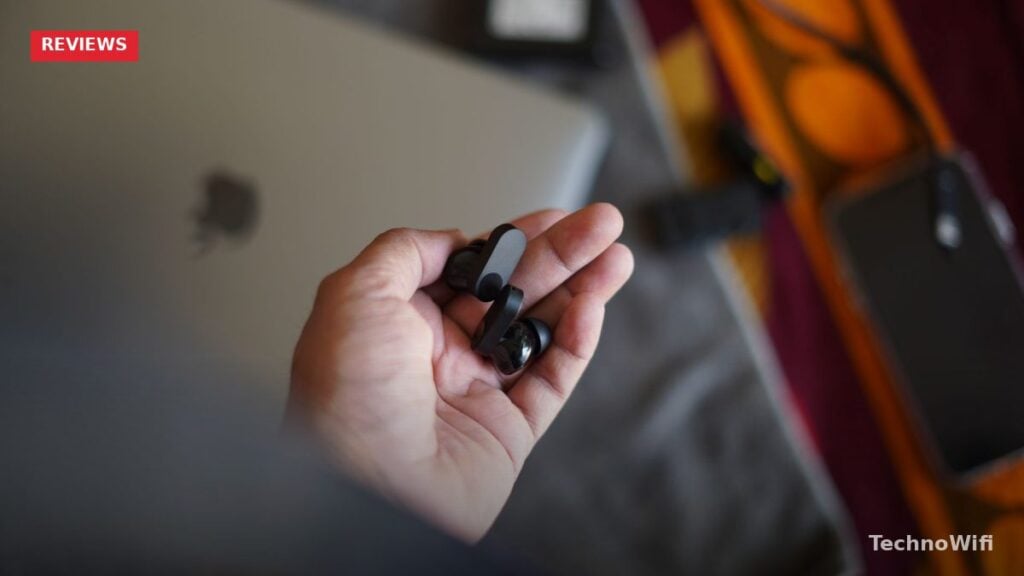
How to Pick the Right Wireless Earbuds in 2026
The wireless earbuds market keeps growing, and prices range from $20 to $350. The good news is that even budget earbuds sound genuinely good in 2026. The tricky part is that you can waste money on a premium pair that does not match how you actually use them. Before looking at specific models, figure out what matters most: sound quality, noise cancellation, call quality, workout durability, or battery life.

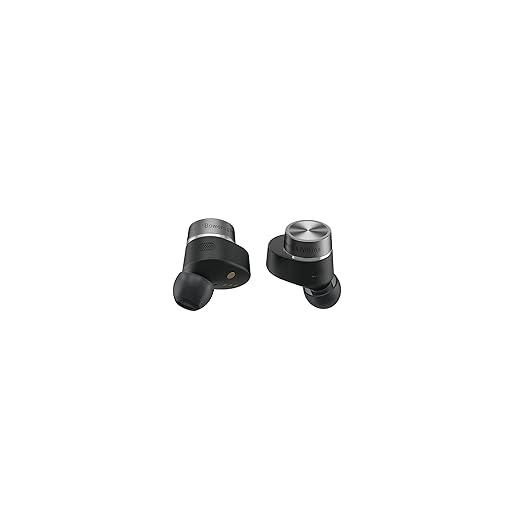


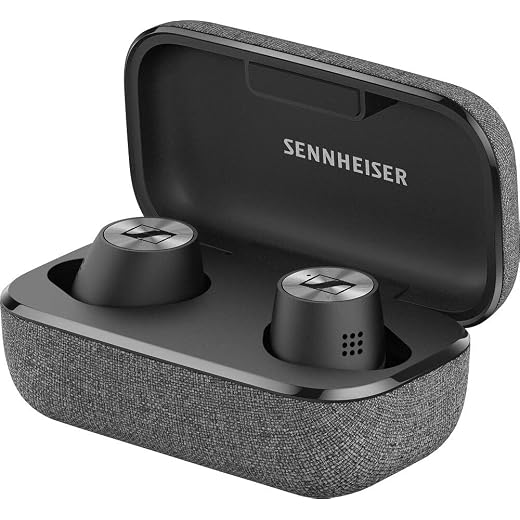

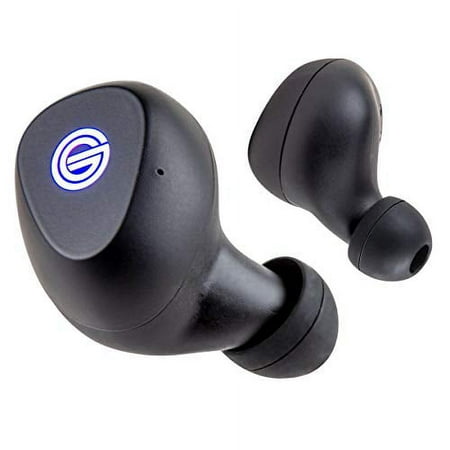
Fit is the single most important factor that people overlook. Earbuds that fall out during a jog or hurt after 30 minutes are useless regardless of how good they sound. Most earbuds ship with multiple ear tip sizes (small, medium, large), and swapping to the right size makes a dramatic difference in comfort and bass response. If standard silicone tips never feel right, foam tips from brands like Comply are worth trying. They compress to fit your ear canal shape and create a tighter seal.
Best Wireless Earbuds at Every Price
| Earbuds | Best For | ANC | Battery | Water Resistance | Price Range |
|---|---|---|---|---|---|
| Apple AirPods Pro 3 | Best for iPhone | Yes (excellent) | 7 hrs (34 total) | IP54 | $250 to $280 |
| Samsung Galaxy Buds 3 Pro | Best for Android | Yes (excellent) | 7 hrs (30 total) | IP57 | $230 to $250 |
| Sony WF-1000XM6 | Best sound quality | Yes (excellent) | 8 hrs (24 total) | IPX4 | $280 to $300 |
| Google Pixel Buds Pro 2 | Best Google integration | Yes (very good) | 8 hrs (30 total) | IP54 | $220 to $230 |
| Jabra Elite 10 Gen 2 | Best for calls and workouts | Yes (very good) | 8 hrs (36 total) | IP57 | $230 to $250 |
| Samsung Galaxy Buds FE 2 | Best under $100 | Yes (decent) | 6.5 hrs (24 total) | IPX2 | $70 to $100 |
| Anker Soundcore Space A40 | Best under $50 | Yes (basic) | 10 hrs (50 total) | IPX4 | $45 to $55 |
Best for iPhone: Apple AirPods Pro 3
Apple’s third-generation AirPods Pro take everything that made the second generation popular and refine it. The H3 chip delivers faster processing for noise cancellation and audio, and the fit detection system uses sensors to confirm the ear tips are properly seated in your ear canal. If the seal is not right, the earbuds prompt you to adjust or try a different tip size.
The noise cancellation is noticeably stronger than the second generation. It blocks low-frequency sounds like subway rumble and airplane engines with impressive effectiveness, and the improved Adaptive Audio mode blends noise cancellation with transparency based on your environment. Walk into a noisy street and the ANC ramps up. Step into a quiet office and it relaxes, letting in enough ambient sound to keep you aware of your surroundings.
Sound quality has taken a step forward with the new driver design. Bass is deeper and more controlled, mids are clearer, and the spatial audio with head tracking creates a convincing surround effect for movies and supported music tracks. The Personalized Spatial Audio feature uses the TrueDepth camera on your iPhone to map your ear shape and optimize the spatial audio profile for you.
Battery runs about 7 hours per charge with ANC on, and the case adds roughly 27 more hours. The case charges via USB-C, MagSafe, Qi wireless, or Apple Watch charger. The built-in speaker helps you locate the case through Find My, and the lanyard loop on the case is a small but practical addition.
For Android users, AirPods Pro 3 lose Adaptive Audio, Personalized Spatial Audio, automatic device switching, and Find My integration. At $250+ without those features, they become hard to justify over Android-optimized competitors.
Best for Android: Samsung Galaxy Buds 3 Pro
Samsung kept the stem design introduced with the previous generation and refined it for the Galaxy Buds 3 Pro. The longer stem improves microphone placement for phone calls, and the blade-style design includes touch controls along the stem for volume, playback, and ANC mode switching.
Sound quality is excellent across genres. Samsung tuned the dual-driver system (a woofer and a planar tweeter) for a balanced profile with detailed highs, natural mids, and solid bass. The Galaxy Wearable app gives you a full EQ with presets and manual adjustment, so you can shape the sound to your taste.
The noise cancellation is among the best in earbuds right now. It handles commute noise, office chatter, and airplane cabin drone effectively. The Ambient Sound mode lets in outside audio naturally, and you can adjust how much ambient sound comes through in the app. Samsung’s 360 Audio with head tracking works well for movies and adds a subtle spatial quality to music.
Galaxy phone owners get bonus features: real-time translation during calls, auto-switching between Samsung devices, integration with Samsung Health for workout tracking, and an enhanced codec (Samsung Scalable) for improved audio quality. The earbuds work with any Android phone, but non-Samsung users miss a few of those extras.
Battery life hits 7 hours with ANC on and 30 hours total with the case. IP57 water and dust resistance means they handle rain, sweat, and dusty gym environments without issue.
Best Sound Quality: Sony WF-1000XM6
Sony’s sixth-generation flagship earbuds push the sound quality bar even higher. The new 8.4mm driver with a special diaphragm material delivers bass depth and treble detail that rival many wired in-ear monitors costing significantly more. The soundstage is wide and well-separated, meaning individual instruments and vocals occupy distinct space in the mix rather than blending together into a flat wall of sound.
The V3 processor handles noise cancellation and audio processing simultaneously without compromising either. The ANC is the strongest available in earbuds as of mid-2026, blocking low-frequency drone from engines and HVAC systems almost entirely. The ambient sound mode is natural and not robotic sounding, which is a complaint some listeners have about competing products.
LDAC codec support means Android users get higher-resolution Bluetooth streaming than most competitors offer. If you listen to music from a lossless source (Tidal, Apple Music Lossless via the right Android app, or local FLAC files), these earbuds will let you hear the difference. iPhone users are limited to AAC, which is still good but not at the same resolution.
The earbuds are smaller and lighter than the XM5, which improves comfort and makes them less likely to work loose during activity. Battery runs 8 hours with ANC on, and the case adds another 16 hours. IPX4 handles sweat and light rain, though these are not workout-first earbuds since there is no wing tip or ear hook for a locked-in fit.
Best Google Integration: Google Pixel Buds Pro 2
Google redesigned the Pixel Buds Pro from the ground up for the second generation. The custom Tensor A2 chip built specifically for these earbuds handles noise cancellation, spatial audio, and Google Assistant processing on-device. That means Assistant responds quickly and can answer questions, read notifications, and translate languages without needing a strong data connection for basic tasks.
The noise cancellation is very good, with a Silent Seal system that adapts to your ear canal shape for a more effective seal. The Transparency mode sounds natural and clear. Sound quality is balanced and clean, with a warm tone that works well across genres. The Pixel Buds app lets you adjust the EQ and toggle features, and it is available on all Android phones, not just Pixels.
For Pixel phone owners, the integration goes deeper. Clear Calling enhances the caller’s voice during phone calls. Conversation Detection automatically pauses music and switches to Transparency mode when it detects you speaking. And the quick-switch behavior between Pixel phones, tablets, and Chromebooks is fast and reliable.
Battery life is 8 hours with ANC on and 30 hours total. The earbuds are notably small and light, which helps with comfort during long wearing sessions. IP54 water resistance is standard for this price tier.
Best for Calls and Workouts: Jabra Elite 10 Gen 2
Jabra has always been strong on call quality, and the Elite 10 Gen 2 continues that tradition. Six microphones per earbud with advanced wind noise protection make phone calls clear even when you are walking outside on a breezy day. The person on the other end hears your voice clearly without background noise or wind distortion.
For workouts, the IP57 rating handles dust, sweat, and rain. The semi-open design provides a secure fit without the ear pressure that some people feel with tightly sealed tips. A new coating on the surface adds grip, keeping the earbuds in place during running, cycling, and gym sessions. The Natural HearThrough mode lets in enough ambient sound to hear traffic and conversation during outdoor exercise.
Sound quality is rich and full. Jabra tuned the 10mm drivers for a slightly warm signature with solid bass, clear mids, and smooth highs. The Jabra Sound+ app offers a detailed EQ, personalized sound profiles based on a hearing test, and Dolby Atmos spatial audio with head tracking for compatible content.
Battery life is 8 hours with ANC and 36 hours total with the case. Multipoint Bluetooth lets you connect to two devices simultaneously, so you can listen to music on your laptop and instantly take a call that comes in on your phone.
Best Under $100: Samsung Galaxy Buds FE 2
Samsung’s second-generation Fan Edition earbuds bring core features from the premium Buds 3 Pro down to a much more accessible price. You get active noise cancellation, ambient sound mode, a comfortable wing tip design for a secure fit, and solid sound quality for $70 to $100.
The ANC is not as aggressive as the Buds 3 Pro, but it reduces background noise enough to make a noticeable difference on public transit or in a coffee shop. Sound quality punches above the price with clear vocals and satisfying bass. The Galaxy Wearable app provides EQ customization and feature controls.
Battery life is 6.5 hours with ANC (24 total with case), which is average for the category. IPX2 water resistance is the weakest point; it handles light sweat but is not rated for heavy rain or submersion. For everyday commuting and casual listening on a budget, the Buds FE 2 offer the most features per dollar under $100.
Best Under $50: Anker Soundcore Space A40
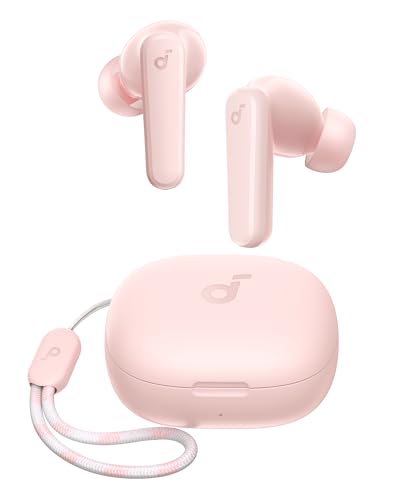
Anker’s Soundcore brand consistently delivers the best value in budget audio, and the Space A40 is the standout. You get noise cancellation, 10 hours of battery life per charge (50 hours total with the case), wireless charging, and multipoint connection (pair with two devices simultaneously), all for around $50. That feature set would have cost $200 a few years ago.
Sound quality is good for the price. It will not match Sony or Apple in detail and soundstage, but the bass is full, vocals are clear enough, and the Soundcore app lets you adjust the EQ to your preference. ANC reduces steady-state noise like airplane hum and office background buzz reasonably well, though it struggles with voices and sudden sounds. At this price, having any ANC at all is a genuine bonus.
Build quality is solid. The case is compact, the earbuds feel well-constructed, and the IPX4 water resistance means sweat and light rain are not a problem. If you lose earbuds frequently, prefer not to spend much, or want a backup pair for the gym, the Space A40 is the obvious choice.
ANC vs. No ANC: Is Noise Cancellation Worth It?
Active noise cancellation uses external microphones to pick up ambient sound and then generates an inverse sound wave to cancel it out. It works best against constant, low-frequency noise: airplane engines, train rumble, air conditioning hum, and office background noise. It is less effective against sharp, irregular sounds like conversations and dog barks.
If you commute by public transit, work in an open office, or travel frequently, ANC is worth paying for. If you mostly listen at home in a quiet environment, standard earbuds with good passive isolation (a snug ear tip seal) block enough noise on their own. Non-ANC earbuds also tend to have longer battery life since there is no noise cancellation circuitry drawing power.
Frequently Asked Questions
How long do wireless earbuds last before needing replacement?
Expect 2 to 4 years of daily use. The battery is the limiting factor. Lithium-ion cells degrade with every charge cycle, and after 500+ cycles the battery life drops noticeably. You cannot replace the batteries in most true wireless earbuds without damaging them. The charging case battery degrades on a similar timeline. Treat the purchase as something you will replace every few years rather than a long-term investment.
Are expensive earbuds worth it over budget options?
The jump from $30 to $80 earbuds is dramatic: better sound, better fit, better build quality. The jump from $100 to $250 is more subtle. Premium earbuds sound noticeably better and have stronger ANC, but the gap has narrowed considerably. Budget earbuds in the $50 to $80 range now cover roughly 80% of what premium models offer. Pay more if sound quality and ANC performance are true priorities. Stick with budget options if earbuds are mainly a convenience item for calls and casual listening.
Can I use wireless earbuds for gaming?
Yes, but with caveats. Bluetooth adds latency (delay between audio and video), typically 100 to 200 milliseconds. For casual mobile gaming, it is rarely noticeable. For competitive PC or console gaming where audio timing matters, wired headphones are still better. Some earbuds offer a “gaming mode” or “low latency mode” that reduces the delay to around 60 to 80 ms, which is acceptable for most games.
Do I need earbuds that match my phone brand?
Not necessarily, but brand-matched earbuds offer better integration. AirPods Pro 3 on an iPhone give you automatic switching, Personalized Spatial Audio, and Find My tracking. Galaxy Buds on a Samsung phone give you real-time translation and Samsung Health integration. These features work only within their ecosystem. The core functions of any Bluetooth earbuds (music playback, calls, ANC) work with any phone, regardless of brand.
Sources
Sony – True Wireless Earbuds | Apple – AirPods Pro | Samsung – Galaxy Buds