iPhone 11 Review: Is Apple’s 2019 Hit Still a Smart Buy in 2026?
When Apple launched the iPhone 11 back in September 2019, it quickly became one of the best-selling smartphones in the world. Fast forward to 2026, and you can still find these phones floating around the used and refurbished market at tempting prices. In this iPhone 11 review, we take a fresh look at whether this aging handset still holds up for everyday use, or whether it’s finally time to move on.
![Ailun Glass Screen Protector Compatible for iPhone 11 / iPhone XR [6.1 Inch], 3 Pack Tempered Glass](https://www.technowifi.com/wp-content/uploads/2026/08/ailun-glass-screen-protector-compatible-for-iphone-11-iphone-xr-6-1-inch-3-pack.jpg)
![4Pack [Apple MFi Certified] Charger Lightning to USB Charging Cable 6FT Cord Compatible iPhone 14/13/12/11 Pro/11/XS MAX/XR/8/7/6s Plus,iPad Pro/Air/Mini,iPod Touch](https://www.technowifi.com/wp-content/uploads/2026/08/4pack-apple-mfi-certified-charger-lightning-to-usb-charging-cable-6ft-cord.jpg)
The short answer? It depends entirely on what you need from a phone. Let’s break it down.
Design and Build Quality in 2026
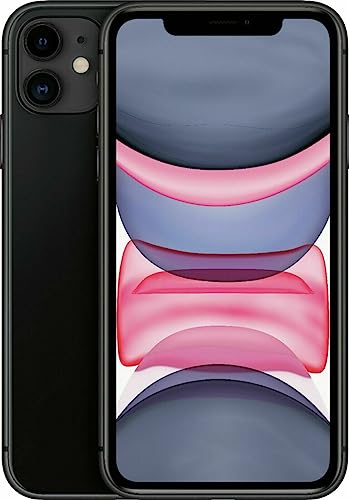
The iPhone 11 sports a 6.1-inch Liquid Retina LCD display with a resolution of 1792 x 828 pixels. By 2026 standards, that resolution feels modest. You won’t get the deep blacks or punchy contrast of an OLED panel, and the bezels look noticeably thick compared to newer phones.
That said, the build quality remains excellent. The aluminum frame and glass back feel solid in hand, and the IP68 water resistance still provides peace of mind. If you’re buying one used, check for scratches on the display and make sure the water resistance seals haven’t been compromised by prior damage.
A13 Bionic: How the Processor Holds Up
Apple’s A13 Bionic chip was a powerhouse when it launched, and honestly, it still handles the basics without breaking a sweat. Web browsing, social media, messaging, video streaming, all of these run smoothly.
Where you’ll start noticing the age is in demanding tasks. Newer games with heavy graphics may stutter or run at lower settings. Multitasking with several apps open can feel sluggish compared to phones running Apple’s A16 or A17 chips. The 4 GB of RAM is the real bottleneck here, apps reload more frequently when you switch between them.
For basic daily use, though, the A13 still gets the job done. It’s faster than many budget Android phones you’d buy new today.
iPhone 11 Camera: Dual Lens Performance
The dual 12 MP camera system was one of the iPhone 11’s biggest selling points at launch. You get a wide lens and an ultra-wide lens, and both still produce solid photos in good lighting.
Daylight shots come out sharp with accurate colors. The ultra-wide camera is genuinely useful for landscapes and group photos. Night Mode, which was a headline feature in 2019, works on the main lens and delivers acceptable low-light shots, though they can’t compete with the computational photography found in the iPhone 15 or Pixel 9 series.
Video recording maxes out at 4K 60fps, which is more than adequate for social media and personal use. The built-in stabilization does a decent job, though it’s not as refined as the sensor-shift stabilization in newer models.
We walk through iPhone XR step by step in a separate post.
Camera Limitations to Keep in Mind
There’s no telephoto lens, so optical zoom is off the table. Portrait mode works through software processing rather than a dedicated depth sensor, so edge detection can be hit or miss. And the front-facing camera is 12 MP with no autofocus, fine for FaceTime, but basic compared to current standards.
Battery Life: The Real-World Story
When new, Apple rated the iPhone 11 for up to 17 hours of video playback. In 2026, the battery story depends entirely on the health of the specific unit you’re buying.
A refurbished model with a fresh battery will easily last a full day of moderate use. A used phone with 80% or less battery health? You might be reaching for a charger by mid-afternoon. Always check battery health in Settings before buying a used iPhone 11.
One annoyance: the iPhone 11 still uses Lightning for charging. With Apple’s transition to USB-C starting with the iPhone 15, Lightning cables are becoming harder to find and less convenient if the rest of your gear has moved to USB-C.
iOS Support Status in 2026
This is where things get critical. Apple officially dropped the iPhone 11 from iOS 18 support, which means it’s stuck on iOS 17. While Apple continues to release security patches for older iOS versions, you won’t get new features, and some newer apps may start requiring iOS 18 or later.
For now, the iPhone 11 remains functional and secure. But the clock is ticking. Within a year or two, more apps will drop iOS 17 support, and the phone will start feeling genuinely outdated from a software perspective.
Who Should Buy an iPhone 11 in 2026?
The iPhone 11 makes sense for a few specific groups of people. Here’s who should consider it, and who should skip it.
Good Fit For:
Budget-conscious buyers. If you want an iPhone experience without spending much, a refurbished iPhone 11 in the $120-180 range is hard to beat. The build quality and performance still outclass many budget Android phones at similar prices.
Kids and teens. As a first iPhone, the 11 is a smart choice. It handles all the apps kids actually use (social media, messaging, streaming), and if it gets dropped or lost, the financial hit is manageable.
Backup or secondary phone. Need a spare phone for travel or as a dedicated device for a specific purpose? The iPhone 11 works perfectly in that role.
You might also want to read our video editing apps for iOS guide for the full picture.
Skip It If:
You care about camera quality. The gap between the iPhone 11’s camera and current flagship phones is enormous. If photography matters to you, look at an iPhone 14 or newer.
You want long-term software support. With iOS 17 as the ceiling, the iPhone 11’s software runway is limited. Buying an iPhone 13 or 14 gives you several more years of updates.
You’re a heavy user or gamer. The 4 GB RAM and aging GPU won’t keep up with demanding workloads or modern mobile games.
What to Check Before Buying a Used iPhone 11
If you’ve decided the iPhone 11 fits your needs, here’s a quick checklist for buying used or refurbished:
Battery health: Look for 85% or higher. Anything below 80% means you’ll likely need a battery replacement soon.
Activation Lock: Make sure the previous owner has signed out of their Apple ID. An Activation Locked phone is essentially a paperweight.
Water damage indicators: Check the SIM tray slot for any red or pink coloring on the liquid contact indicator.
Display and touch: Test all corners and edges of the touchscreen. Look for any discoloration or dead pixels.
Buttons and speakers: Test the volume buttons, mute switch, and both speakers. These are common failure points on older iPhones.
The Bottom Line
The iPhone 11 had an incredible run, and it’s still a capable phone for basic everyday tasks in 2026. The A13 chip handles daily essentials, the dual cameras are decent in good light, and the build quality remains solid.
But the writing is on the wall. Limited iOS support, aging hardware, and the Lightning port all point toward a phone that’s near the end of its useful life. If you’re buying one as a budget device or a backup, it’s a reasonable pick at the right price. For your primary phone, though, spending a bit more on a newer model will pay dividends in longevity and experience.
At the end of the day, this iPhone 11 review comes down to expectations. Set them appropriately, and you’ll find a phone that still delivers solid value in 2026.