Finding the best Android phone used to be straightforward, you had a handful of flagships and a few budget options. Now? The Android market is enormous, with dozens of manufacturers pushing out phones at every price point. That’s a good problem to have, but it makes choosing harder than it should be.
We originally put this list together when the Google Pixel 6 Pro and Samsung Galaxy S21 Ultra were at the top of the heap. Both of those phones were outstanding in their time, and honestly, they’re still perfectly capable devices if you own one. But the Android market has moved forward significantly since then, with better processors, longer software support, and camera systems that would have seemed impossible a few years ago.
Below are five Android phones that represented the best of their era. We’ll look at what made each one special, how they hold up in 2026, and what you should consider if you’re shopping for a new phone today.
| 5 Best Android Phones | Cameras | Display | RAM | Storage | Battery | Dimensions | Weight |
|---|---|---|---|---|---|---|---|
| Google Pixel 6 Pro | Front: 11MP, Rear: 48MP (telephoto), 50MP (wide) and 12MP (ultra) | 6.71 inches LTPO AMOLED | 12GB | 128GB, 256GB or 512GB | Li-ion 5000mAh | 163.9 x 75.90 x 8.9 mm | 7.41 ounces |
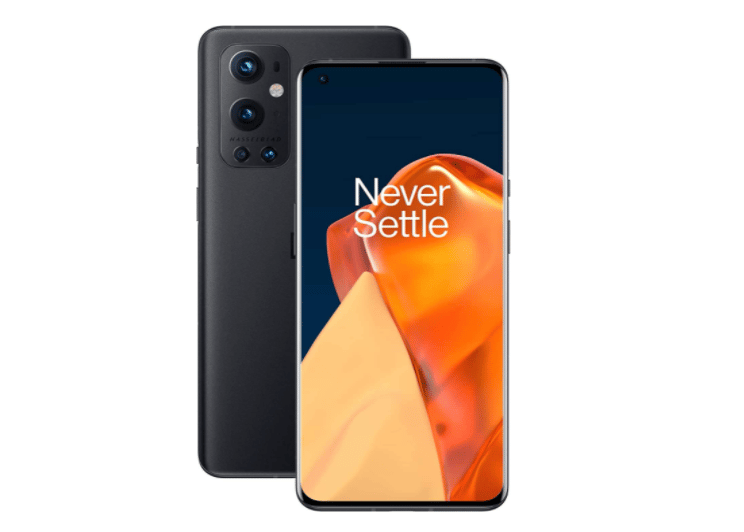
| OnePlus 9 Pro | Front: 16MP, Rear: 2MP (mono), 8MP (tele), 48MP (wide) and 50MP (ultra) | 6.7 inches LTPO Fluid AMOLED | 8GB or 12GB | 128GB or 256GB | Li-Po 4500mAh | 163.2 x 73.60 x 8.7 mm | 6.95 ounces |
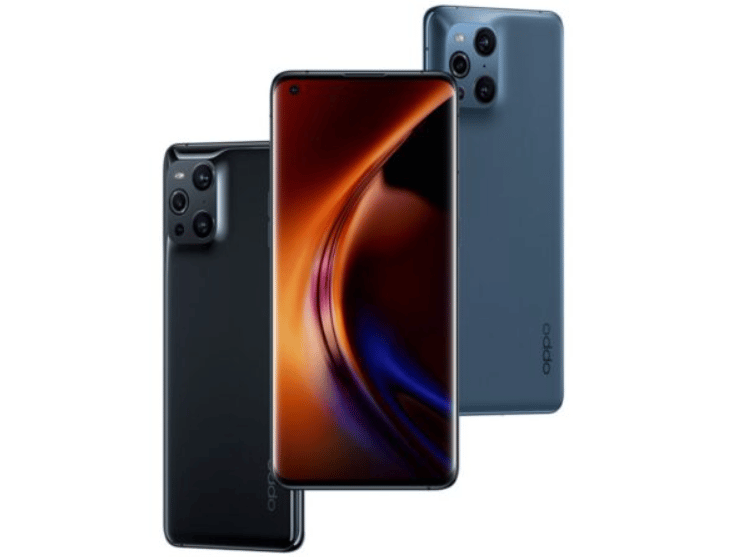
| Oppo Find X3 Pro | Front: 32MP, Rear: 3MP (micro), 13MP (tele), 50MP (wide) and 50MP (ultra) | 6.7 inches LTPO AMOLED | 8GB, 12GB or 16GB | 256GB or 512GB | Li-Po 4500mAh | 163.6 x 74 x 8.3 mm | 6.81 ounces |
| Samsung Galaxy S21 Ultra 5G | Front: 32MP, Back: 10MP (periscope), 10MP (tele), 108MP (wide) and 12MP (ultra) | 6.8 inches Dynamic AMOLED | 12GB or 16GB | 128GB, 256GB or 512GB | Li-ion 5000mAh | 165.1 x 75.60 x 8.9 mm | 8.01 ounces |
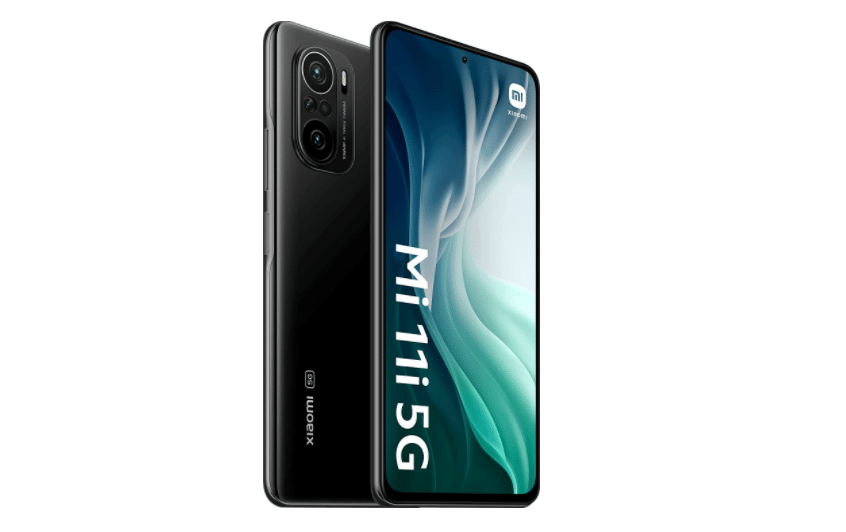
| Xiaomi Mi 11i | Front: 20MP, Rear: 5MP (macro), 108MP (wide) and 8MP (ultra) | 6.67 inches Super AMOLED | 8GB | 128GB or 256GB | Li-Po 4500mAh | 163.7 x 76.4 x 7.8 mm | 6.91 ounces |
The Phones
1. Google Pixel 6 Pro
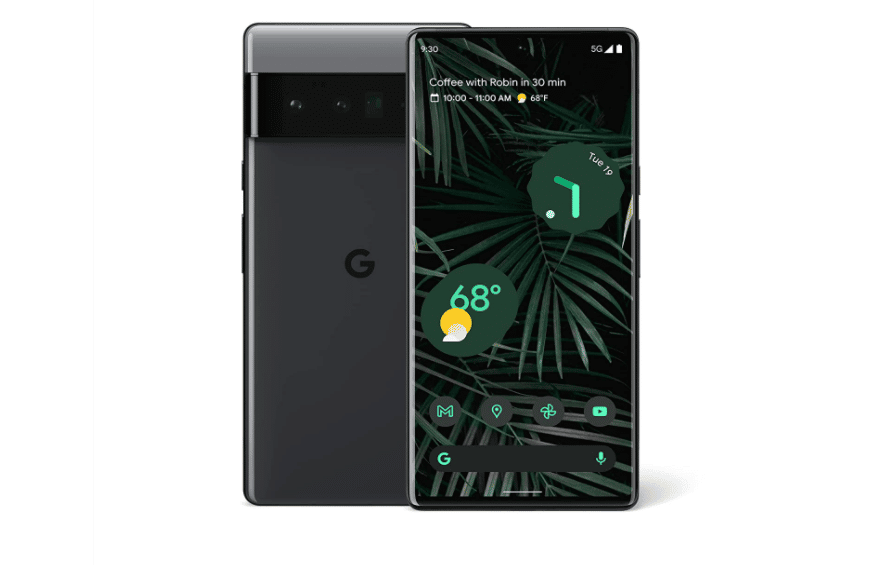
The Pixel 6 Pro was a turning point for Google. It was the first phone built around Google’s custom Tensor chip, and it marked the moment Google stopped trying to compete on raw specs and started leaning into what it does best, software and AI processing.
The 6.7-inch LTPO AMOLED display was crisp and impressively bright, with a smooth 120Hz refresh rate. The triple-lens camera array (50MP wide, 12MP ultrawide, 48MP telephoto with 4x optical zoom) delivered some of the most natural-looking photos you could get from any phone, thanks to Google’s computational photography. Night Sight, Magic Eraser, and Real Tone were all standout features that other manufacturers later tried to replicate.
Key Specifications
- Cameras: 11MP front, 50MP wide + 12MP ultrawide + 48MP telephoto rear
- Display: 6.71-inch LTPO AMOLED, 120Hz
- Processor: Google Tensor
- RAM: 12GB
- Storage: 128GB, 256GB, or 512GB
- Battery: 5,000mAh Li-ion
- Weight: 210g (7.41 oz)
How It Holds Up in 2026
The Pixel 6 Pro has officially reached the end of its guaranteed software update window, which is the biggest concern. The Tensor chip still handles everyday tasks fine, but it was never the fastest processor on the block, and that gap has widened. The camera is still excellent for stills, though newer Pixel phones have pulled ahead in video quality. If you already own one, it’s a solid phone that will keep working. If you’re buying used, just know you’re getting a device without guaranteed security updates going forward.
2. Samsung Galaxy S21 Ultra
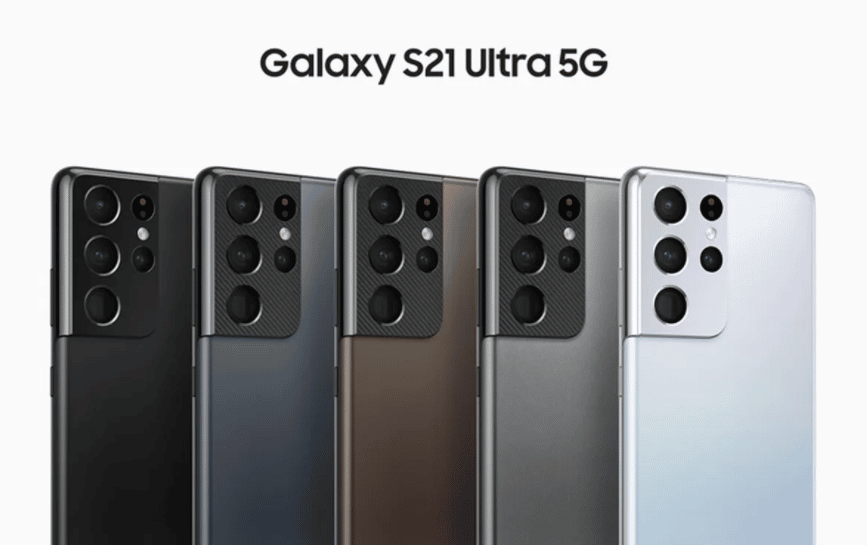
Samsung went all-in with the Galaxy S21 Ultra, and it showed. This was the phone that brought S Pen support to the S-series for the first time, a massive 108MP main camera, and a 6.8-inch curved Dynamic AMOLED display that was, at the time, the best screen on any smartphone.
The camera system was Samsung’s most ambitious, a quad-lens setup with two telephoto lenses (3x and 10x optical zoom) alongside the 108MP wide and 12MP ultrawide. It could shoot 8K video, though that was more of a tech demo than something most people actually used. Where it really excelled was in versatility, you had a lens for virtually every situation.
Our article on Samsung Galaxy phones covers related ground and is worth a look.
Key Specifications
- Cameras: 40MP front, 108MP wide + 12MP ultrawide + 10MP 3x telephoto + 10MP 10x telephoto rear
- Display: 6.8-inch Dynamic AMOLED 2X, 120Hz
- Processor: Snapdragon 888 / Exynos 2100
- RAM: 12GB or 16GB
- Storage: 128GB, 256GB, or 512GB
- Battery: 5,000mAh Li-ion
- Weight: 227g (8.01 oz)
How It Holds Up in 2026
Samsung committed to four years of OS updates and five years of security patches for the S21 Ultra, which means it has reached the end of its official support lifecycle. The Snapdragon 888 can run warm under load, and newer apps are increasingly optimized for more recent chipsets. That said, it’s still a powerful phone for most daily tasks, and the camera system remains versatile. Samsung’s One UI has aged well on this device, and it can still be found used at attractive prices for anyone who wants a premium phone without the premium price tag.
3. Samsung Galaxy S21 FE
The Fan Edition concept is one of Samsung’s smarter moves, take the core experience of a flagship phone, trim a few features that most people won’t miss, and sell it for less. The Galaxy S21 FE nailed that formula.
It kept the same Snapdragon 888 processor as the S21 Ultra, a 6.4-inch FHD+ AMOLED display with 120Hz refresh rate, and a capable triple-camera system. The build quality was slightly different (plastic back instead of glass), but in daily use, the experience was remarkably close to the more expensive models. It was, for many people, the smarter buy in the S21 lineup.
Key Specifications
- Cameras: 32MP front, 12MP wide + 12MP ultrawide + 8MP telephoto rear
- Display: 6.4-inch FHD+ Dynamic AMOLED 2X, 120Hz
- Processor: Snapdragon 888
- RAM: 6GB or 8GB
- Storage: 128GB or 256GB
- Battery: 4,500mAh
- Weight: 177g (6.24 oz)
How It Holds Up in 2026
The S21 FE faces the same software support situation as the S21 Ultra. Performance is still adequate for everyday use, though the 6GB RAM variant can feel constrained with heavy multitasking. The camera takes good photos in daylight but struggles more in challenging conditions compared to current mid-range phones. If you spot one at a deep discount, it’s still a decent phone for basic use, but new mid-range options from Samsung and Google offer better value with longer support runways.
4. Samsung Galaxy A52 5G
The Galaxy A52 5G proved that you didn’t need to spend flagship money to get a great Android experience. At its launch price, it offered 5G connectivity, a 120Hz Super AMOLED display, IP67 water resistance, and a quad-camera system, features that were usually reserved for phones costing twice as much.
Samsung used the Snapdragon 750G here, which wasn’t a speed demon but handled day-to-day tasks smoothly. The 64MP main camera was genuinely good for the price, and the 6.5-inch display was vibrant and easy on the eyes. It was one of those phones that made people question whether they really needed to spend $1,000+ on a flagship.
Key Specifications
- Cameras: 32MP front, 64MP wide + 12MP ultrawide + 5MP macro + 5MP depth rear
- Display: 6.5-inch FHD+ Super AMOLED, 120Hz
- Processor: Snapdragon 750G
- RAM: 6GB or 8GB
- Storage: 128GB (expandable via microSD)
- Battery: 4,500mAh
- Weight: 189g (6.67 oz)
How It Holds Up in 2026
The A52 5G was a mid-range phone when it launched, and it has aged accordingly. The Snapdragon 750G is starting to show its age with newer apps, and the software update window has closed. But the A-series concept it championed is alive and well. Samsung’s current A-series phones continue to offer outstanding value. If you’re looking for this kind of mid-range value today, the current Galaxy A-series lineup carries on the same philosophy with better specs and longer support.
5. Google Pixel 5a
The Pixel 5a was Google’s budget play, and it was arguably the best value in phones when it launched. For under $450, you got Google’s class-leading camera processing, a clean Android experience, a huge 4,680mAh battery, IP67 water resistance, and a 6.34-inch OLED display.
We put together a full guide on how to connect phone to Samsung smart TV that pairs well with this.
What made the Pixel 5a special wasn’t any single feature, it was the whole package. Google prioritized the things that matter most in daily use (camera quality, software experience, battery life) and cut corners in places most people wouldn’t notice (plastic build, 60Hz display, older processor). The result was a phone that punched way above its price in the areas that actually affect your day-to-day experience.
Key Specifications
- Cameras: 8MP front, 12.2MP wide + 16MP ultrawide rear
- Display: 6.34-inch FHD+ OLED, 60Hz
- Processor: Snapdragon 765G
- RAM: 6GB
- Storage: 128GB
- Battery: 4,680mAh
- Weight: 183g (6.46 oz)
How It Holds Up in 2026
The Pixel 5a is past its software support window and the Snapdragon 765G is noticeably slower than modern chips. The camera still takes good photos thanks to Google’s processing, but video performance and app switching show the hardware’s age. The Pixel A-series lives on, though. Google’s current budget Pixel phones carry the same philosophy of great cameras and clean software at accessible prices, with much longer support commitments.
What to Look for in an Android Phone in 2026
If you’re shopping for a new Android phone right now rather than picking up one of these older models used, here’s what to prioritize:
Software support longevity. Both Google and Samsung now offer seven years of OS and security updates on their flagship and many mid-range phones. This is a massive shift from the two-to-three-year windows that were standard when the phones above launched. Longer support means your phone stays secure and functional for much longer.
Processor efficiency. Modern chips (Snapdragon 8 Gen 3, Tensor G4, Dimensity 9300) are dramatically more power-efficient than the chips in the phones listed above. That translates to better battery life, less heat, and smoother performance, not just faster raw speed.
Camera computational photography. Hardware matters less than software processing in 2026. Google, Samsung, and others use AI-powered processing to extract more detail, better color, and improved low-light performance from their sensors. A newer mid-range phone with good computational photography will often outperform an older flagship’s raw hardware.
5G maturity. When the Pixel 6 Pro and S21 Ultra launched, 5G networks were still being built out. Coverage has expanded significantly since then, and newer phones support more 5G bands with better efficiency.
Should You Buy These Phones Used in 2026?
There’s definitely a case for buying used flagships at a fraction of their original price, but be realistic about what you’re getting. These phones all deliver excellent hardware, good screens, capable cameras, solid build quality. What they lack is ongoing software support, which means no guaranteed security patches and no access to the latest Android features.
If you’re comfortable with that trade-off and want to save money, a used Pixel 6 Pro or Galaxy S21 Ultra can still be a great daily driver. Just don’t expect them to stay current for much longer. For most people, we’d recommend looking at current mid-range phones in the $350-$500 range, you’ll get modern processors, longer support, and often surprisingly good cameras.