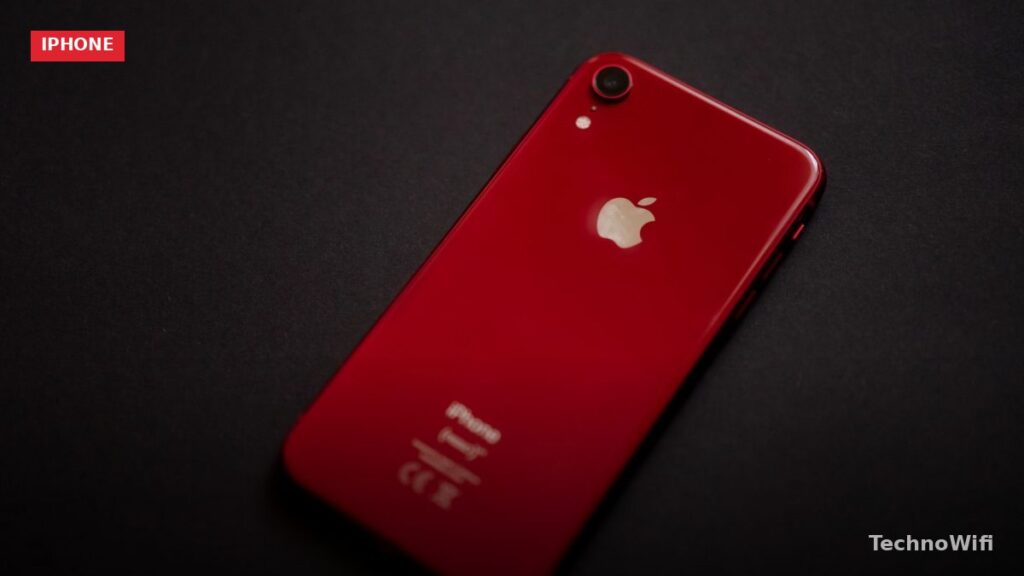
The iPhone XR launched in October 2018 as Apple’s “affordable” iPhone, and it quickly became one of the best-selling smartphones of its generation. Now, nearly eight years later, you can find used and refurbished iPhone XR units for shockingly low prices. But is it actually worth buying in 2026?
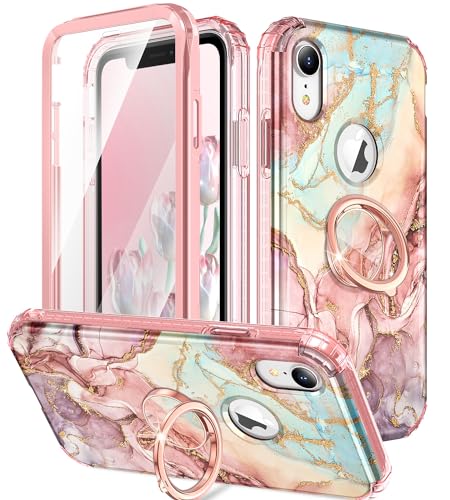
![SPIDERCASE for iPhone XR Case, [10 FT Military Grade Drop Protection] [Non-Slip] [2 pcs Tempered Glass Screen Protector] Shockproof Airbag Cushion Protective Case for iPhone XR 6.1” (Black)](https://www.technowifi.com/wp-content/uploads/2026/08/spidercase-for-iphone-xr-case-10-ft-military-grade-drop-protection-non-slip-2.jpg)
Let’s take an honest look at the iPhone XR’s features, its real-world limitations in 2026, and who it might still make sense for.
iPhone XR at a Glance: The Key Features
When Apple released the iPhone XR, it struck a balance between the premium iPhone XS and the outgoing iPhone 8. Here are the six features that defined it.
1. The 6.1-Inch Liquid Retina LCD Display
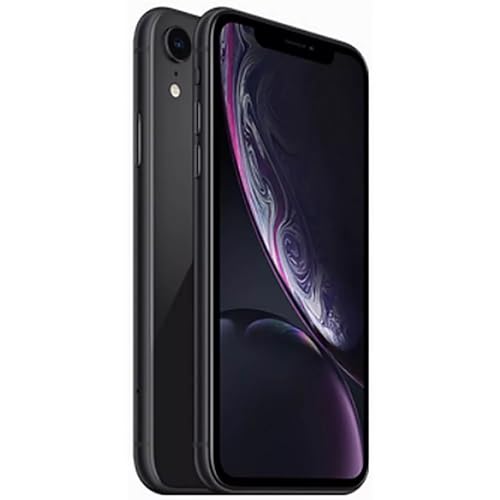
The iPhone XR was one of the first iPhones to adopt the edge-to-edge design with Face ID, ditching the home button. Its 6.1-inch LCD screen hit a sweet spot for size, big enough for comfortable media consumption but not so big that it felt unwieldy in one hand.
The LCD panel is sharp and color-accurate with a resolution of 1792 x 828 pixels. That’s technically lower than the OLED displays on the iPhone XS and XS Max, and pixel peepers might notice the difference when reading very fine text. But in daily use, the screen looks great. Colors are vibrant, brightness is adequate for outdoor use, and the LCD panel avoids the burn-in risk that comes with OLED.
2. A12 Bionic Chip
The A12 Bionic was Apple’s first 7nm processor, and it was a monster when it launched. It brought major improvements in both processing speed and power efficiency over the A11 in the iPhone X. It also introduced the Neural Engine for machine learning tasks, which powered features like smarter photo processing and Animoji.
In 2026, the A12 is showing its age. It’s still quick enough for basic tasks, texting, email, social media, web browsing, but it struggles with demanding apps, especially newer games and heavy multitasking. App launch times are noticeably slower compared to even mid-range phones from the last couple of years.
3. Single 12MP Rear Camera
The iPhone XR shipped with a single 12-megapixel rear camera. At the time, its photo quality was excellent. Apple’s computational photography, Smart HDR, and image signal processing made this single lens punch well above its weight class.
The camera still takes perfectly decent photos in good lighting. Daylight shots are sharp with good color accuracy. Where it falls behind is low light performance and the lack of an ultrawide lens, telephoto lens, or Night Mode (which was added in the iPhone 11). If photography is important to you, the XR’s camera will feel limiting compared to virtually any phone made after 2020. For a deeper dive into mobile photography accessories, check out our guide to the best external microphones for iPhone.
4. Face ID
The iPhone XR was the first “affordable” iPhone to include Face ID, Apple’s facial recognition system. It replaced the fingerprint-based Touch ID and, despite some initial skepticism, proved to be fast and reliable. Face ID on the XR works essentially the same as on the newer models, unlock your phone, authenticate Apple Pay, and sign into apps just by looking at it.
The XR uses first-generation Face ID, which requires a more direct face-to-sensor angle than newer versions. It also doesn’t support mask-based unlocking (Face ID with a mask was added in iOS 15.4, but only for iPhone 12 and later). That’s a minor inconvenience if you’re in environments where you wear a mask.
5. All-Day Battery Life
Battery life was one of the iPhone XR’s strongest selling points when it launched. The combination of a power-efficient A12 chip and a larger battery (compared to the iPhone XS) gave the XR impressive endurance. Apple marketed it as lasting “up to 1.5 hours longer than iPhone 8 Plus,” and real-world usage backed that up.
In 2026, battery health depends entirely on how the specific unit was used. A well-maintained iPhone XR might still hold 80-85% of its original capacity, which translates to moderate daily use on a single charge. A heavily used unit might be down to 70% or lower, meaning you’ll be reaching for a charger by mid-afternoon. Always check the battery health percentage (Settings > Battery > Battery Health) before buying a used XR.
6. Colorful Design
The iPhone XR came in six colors: white, black, blue, yellow, coral, and red (PRODUCT RED). The aluminum frame and glass back gave it a premium feel, and the color options were a refreshing departure from the typical silver/space gray choices. The blue and coral models, in particular, were popular.
The design holds up well aesthetically. It’s a bit thicker and heavier than modern iPhones, and the bezels around the screen are slightly wider, but it doesn’t look dramatically dated. IP67 water resistance means it can handle splashes and brief submersion, though after eight years, the seals may have degraded.
The Honest Truth: iPhone XR Limitations in 2026
Here’s where I need to be straightforward about the challenges of using an iPhone XR today.
Software Support Has Ended
Apple dropped the iPhone XR from iOS 17 support in 2023, meaning it maxes out at iOS 16. By August 2026, that means you’re running an operating system that’s nearly three years behind current. You’ll miss out on new features, and more importantly, you won’t receive security patches. For casual use on a secondary device, this may be acceptable. For a primary phone where you handle banking, email, and sensitive data, it’s a real concern.
App Compatibility Is Shrinking
Some newer apps already require iOS 17 or later as a minimum. Over time, more apps will drop support for iOS 16. You might find that your banking app, a favorite game, or a social media platform stops updating or stops working altogether. This is the biggest practical issue with using any phone this old.
No 5G
The iPhone XR supports 4G LTE only. In 2026, 4G networks are still operational and will be for years to come, so this isn’t an immediate problem. But you won’t get the faster speeds that 5G offers in areas with good coverage.
Camera Falls Behind
Smartphone cameras have improved dramatically since 2018. Night mode, ultrawide lenses, macro photography, cinematic video, and advanced computational photography are all missing from the XR. If you care about photo and video quality, the XR will feel very dated compared to current phones.
Who Should Consider an iPhone XR in 2026?
Despite its limitations, the iPhone XR can still work for certain people in specific situations.
- Kids and teenagers: As a first smartphone, the XR is a reasonable choice. It’s durable, runs basic apps, and is cheap enough that you won’t panic if it gets dropped.
- Backup or emergency phone: Having a spare iPhone in a drawer for emergencies is never a bad idea. The XR fills that role affordably.
- Very light users: If someone just needs a phone for calls, texts, and basic web browsing, and doesn’t care about having the latest apps, the XR can handle that.
- Temporary phone: If your main phone is broken or being repaired, a cheap XR can keep you connected while you wait.
For anyone else, especially if this would be your primary daily phone. I’d recommend looking at slightly newer models like the iPhone 11 or iPhone SE (3rd generation), which still receive software updates and offer noticeably better performance and cameras.
What to Check Before Buying a Used iPhone XR
If you’ve decided the XR fits your needs, here’s what to verify before handing over your money.
- Battery health: Go to Settings > Battery > Battery Health. Anything above 80% is acceptable. Below 80%, Apple considers the battery “degraded” and you’ll likely need a replacement ($89 from Apple, less from third-party shops). Need screen or battery work? Check out our guide to iPhone screen replacement costs.
- Activation Lock: Make sure the previous owner has signed out of iCloud and removed the device from their account. If Activation Lock is still on, the phone is essentially a paperweight.
- Physical condition: Check for screen cracks, deep scratches on the glass back, and dents on the aluminum frame. Minor cosmetic wear is expected, but structural damage can affect water resistance and durability.
- Face ID functionality: Test Face ID during setup. If it doesn’t work, the TrueDepth camera system may be damaged, and Apple charges a premium to repair it.
- IMEI check: Run the IMEI number through a free checker to make sure the phone isn’t reported stolen or still tied to a carrier payment plan.
Better Alternatives If You’re on a Budget
If you’re shopping in the ultra-budget smartphone category, here are a few alternatives that offer a better experience than the iPhone XR in 2026.
- iPhone SE (3rd Generation): Apple’s A15 chip, 5G support, and ongoing software updates in a compact form factor. Usually available used for only slightly more than an XR.
- iPhone 11: Same A13 chip upgrade path, dual cameras with Night Mode, and likely to receive security updates longer than the XR.
- iPhone 12 Mini: If you want a small phone, the 12 Mini has 5G, MagSafe, OLED display, and an A14 chip. Great used prices.
No matter which iPhone you choose, a good external microphone can dramatically improve your video calls and voice recordings. We’ve reviewed the best wireless microphones for iPhone if you need one. And if you’re shopping for the family, our guides to Beats headphones for kids and best headphones for kids are worth a look.
Frequently Asked Questions
Is the iPhone XR still fast enough to use?
For basic tasks like calls, texts, email, and web browsing, yes. For gaming, heavy multitasking, or demanding apps, no. The A12 chip is noticeably slower than modern processors, and some newer apps may not run smoothly.
Can I still get apps on the iPhone XR?
Most apps still work, but the selection is narrowing. Some newer apps require iOS 17 or later, which the XR can’t install. Over time, more apps will drop iOS 16 support. Essential apps like Messages, Safari, and Mail will continue working indefinitely.
Is the iPhone XR waterproof?
It has an IP67 rating, meaning it was designed to survive submersion in up to 1 meter of water for 30 minutes when new. After eight years of use, the seals have likely degraded. I wouldn’t trust it around water without a case.
How much should I pay for a used iPhone XR?
In August 2026, expect to pay between $80 and $150 depending on condition, storage capacity, and battery health. Don’t pay more than $150 unless it’s in pristine condition with excellent battery health, at that point, you’re better off spending a bit more on an iPhone 11 or SE.