Knowing how to connect Canon camera to computer is one of the first things every Canon owner needs to figure out, whether you’re transferring vacation photos, tethering for studio work, or backing up thousands of images. Canon cameras offer several connection methods, and the best approach depends on your camera model and what you’re trying to accomplish. This guide covers every method. USB, Wi-Fi, and card readers, so you can get your photos and videos transferred quickly and reliably.
Connect Canon Camera to Computer via USB Cable
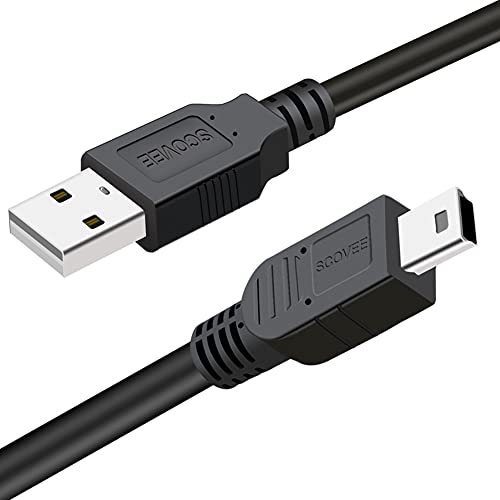
The most straightforward way to connect a Canon camera to a computer is with a USB cable. The exact cable you need depends on your camera model.
Identifying Your Canon’s USB Port
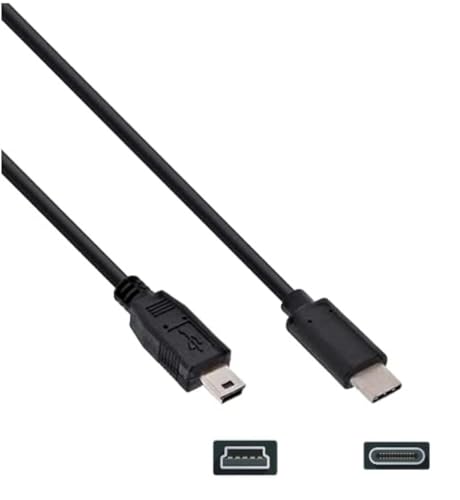
USB-C: Canon’s newer mirrorless cameras (EOS R5, R6, R7, R8, R10, R50, R100) use USB-C ports. You’ll need a USB-C to USB-C cable, or USB-C to USB-A if your computer has older ports. USB-C connections offer faster transfer speeds and can also charge the camera while connected.
Micro-USB: Many Canon DSLRs and older mirrorless cameras (EOS Rebel T7, T7i, T8i, 80D, 90D, EOS M50) use Micro-USB connections. You’ll need a Micro-USB to USB-A cable, or Micro-USB to USB-C with an adapter for newer computers.
USB Mini-B: Older Canon DSLRs (EOS 20D, 30D, 40D, 50D, early Rebel models) use the wider USB Mini-B connector. These cameras are typically 15-20 years old, and you may need to order a cable specifically since Mini-B has mostly disappeared from modern devices.
Step-by-Step USB Transfer
- Turn off your Canon camera.
- Open the port cover on the camera body and plug in the appropriate USB cable.
- Connect the other end to your computer.
- Turn on the camera.
- Your computer should recognize the camera as a connected device. On Windows, it appears in File Explorer. On macOS, Image Capture or Photos should detect it automatically.
- Navigate to the DCIM folder on the camera’s memory card to find your photos and videos.
- Copy the files to your computer. Drag and drop works, or use import features in your photo management software.
- Safely eject the camera before disconnecting the USB cable.
How to Connect a Canon Camera to Computer via Wi-Fi
Most Canon cameras released after 2015 include built-in Wi-Fi, and this is often the most convenient way to transfer images without cables. Canon offers two main wireless approaches.
Canon Camera Connect App (Phone Transfer)
The Canon Camera Connect app (available for iOS and Android) lets you transfer photos wirelessly from your camera to your smartphone or tablet. While this doesn’t connect directly to a computer, it’s the fastest way to get images from your camera to social media or cloud storage. Many photographers use this as their primary transfer method for casual shooting.
To set it up: enable Wi-Fi on your Canon camera through the menu, select “Connect to smartphone,” and follow the on-screen pairing instructions. The app detects nearby Canon cameras and walks you through the connection process. Once paired, you can browse and transfer images selectively or set the camera to auto-transfer new photos as you shoot.
EOS Utility for Direct Computer Connection
Canon’s EOS Utility software allows direct Wi-Fi connection between your camera and your computer. This is particularly useful for tethered shooting, the camera sends images directly to your computer as you take them, appearing on screen in near-real-time.
To use this method, install EOS Utility from Canon’s website (it’s a free download for Canon camera owners). On the camera, go to Wi-Fi settings and select “Connect to computer.” The camera and computer need to be on the same Wi-Fi network. EOS Utility will detect the camera and establish the connection.
Once connected, you can remotely control the camera from your computer, adjust settings, trigger the shutter, and review images, all through the EOS Utility interface. This is invaluable for studio photography, product photography, and any situation where you want to see images on a large screen as you shoot.
Wi-Fi Transfer Tips
Wi-Fi transfer is convenient but slower than USB or card reader transfers, especially for large batches of RAW files or video. Use Wi-Fi for transferring a handful of images quickly, and switch to USB or a card reader when you need to move dozens or hundreds of files.
Wi-Fi also drains your camera’s battery faster than wired methods. If you plan to transfer a large number of files wirelessly, connect the camera to external power via the AC adapter or USB power delivery (on models that support USB charging).
Using a Memory Card Reader (Fastest Method)
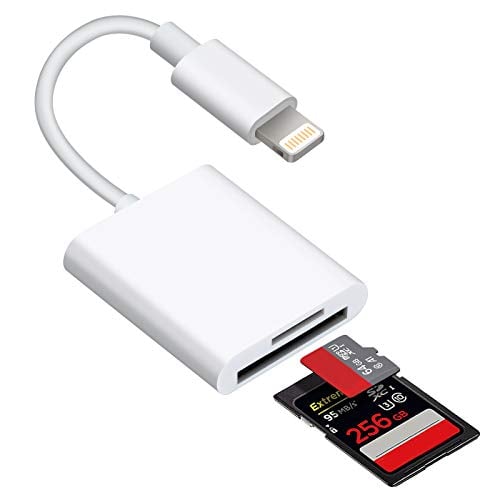
For pure transfer speed and simplicity, a card reader beats every other method. Remove the SD card (or CF card on older models) from your camera, insert it into a card reader connected to your computer, and copy files directly. No drivers, no software, no pairing, it just works.
Modern card readers connect via USB 3.0 or USB-C and transfer files dramatically faster than the camera’s USB connection, which is typically limited to USB 2.0 speeds. A 32GB SD card full of photos transfers in minutes via a USB 3.0 card reader versus potentially 20-30 minutes through the camera’s USB port.
Recommended card readers include the SanDisk Extreme PRO UHS-II reader ($15-$25), the ProGrade Digital Dual-Slot reader ($40), and the Kingston Workflow Station ($30). Any reader that supports your card type (SD, CF, or CFexpress depending on your camera) will work.
Canon EOS Utility: Features Beyond File Transfer
Canon’s free EOS Utility software offers several useful features beyond simple file transfer.
Remote shooting: Control your camera from your computer, adjust aperture, shutter speed, ISO, focus point, and trigger the shutter without touching the camera. Essential for studio work, macro photography, and wildlife photography from a hide.
Tethered shooting: Images appear on your computer screen seconds after capture. This lets you check focus, exposure, and composition on a large display rather than the camera’s small LCD, a huge workflow improvement for commercial and portrait photographers.
Automatic download: Configure EOS Utility to automatically download new images when the camera connects, organizing them into date-based folders on your hard drive.
Download EOS Utility from Canon’s support website by entering your camera model. The software is compatible with Windows 10/11 and macOS.
Connecting Specific Canon Camera Models
While the general process is similar across Canon cameras, a few models have specific considerations.
Canon EOS Rebel T7 / 2000D
The T7 connects via Micro-USB and includes Wi-Fi for wireless transfers. It does not support USB charging, so keep a spare LP-E10 battery handy for long transfer sessions. EOS Utility works well for tethered shooting with this model.
Canon EOS R50 / R100
Canon’s entry-level mirrorless cameras use USB-C and offer both Wi-Fi and Bluetooth for smartphone connectivity. The USB-C port supports charging during use, so you can transfer files and charge simultaneously. These cameras work smoothly with the Canon Camera Connect app.
Canon EOS R5 / R6 Mark II
Canon’s professional mirrorless bodies support USB 3.1 Gen 1 via USB-C, offering fast wired transfers. They also support FTP transfer over Wi-Fi or wired Ethernet (via optional adapter) for professional workflow integration. Dual card slots (CFexpress + SD on the R5, dual SD on the R6 II) mean you may need multiple card readers.
Older Canon DSLRs (600D, 700D, 550D)
These cameras pre-date built-in Wi-Fi and use Mini-USB or Micro-USB connections. A card reader is the most reliable transfer method for these models, as their USB connections are slow and driver support on modern operating systems can be inconsistent.
Troubleshooting Connection Issues
If your Canon camera won’t connect to your computer, work through these solutions.
Camera not detected via USB: Try a different cable. USB cables fail internally more often than you’d expect. Try a different USB port on the computer. On Windows, open Device Manager and check for unrecognized devices. On macOS, check System Information under USB to see if the camera appears.
Wi-Fi connection failing: Make sure both devices are on the same network. Restart the camera’s Wi-Fi by toggling it off and on. Delete the existing pairing in the camera’s Wi-Fi settings and set up a new connection from scratch. Ensure EOS Utility or Canon Camera Connect is updated to the latest version.
Computer doesn’t recognize RAW files: Install Canon’s Digital Photo Professional (free from Canon’s website) or Adobe’s free DNG Converter. Windows may need the Canon RAW Codec to display CR2 or CR3 thumbnails in File Explorer.
Transfer is extremely slow: You’re likely using the camera’s USB 2.0 connection. Switch to a card reader with USB 3.0 or USB-C for dramatically faster transfers. A card reader is always the fastest transfer option.
Best Practices for Photo Transfer
Follow these habits to keep your photos safe during and after transfer.
Don’t delete from the card during transfer. Copy everything first, verify the files on your computer, and then format the card in-camera. Deleting individual files from a card through a computer can cause file system issues.
Back up to two locations. Copy your photos to your computer’s hard drive and to an external drive or cloud storage. A single copy is never safe, drives fail, and when they do, your photos are gone forever.
Format cards in-camera. After successfully transferring and backing up your files, format the memory card using the camera’s format function, not your computer. In-camera formatting ensures the file system is optimized for your specific camera model.
Organize immediately. Import photos into Lightroom, Photos, or your preferred management software and organize them into dated folders or projects right away. A backlog of unsorted photos grows overwhelming quickly.