What You Need to Know About the Canon 7D Connection
The Canon 7D is an APS-C DSLR that was built for speed and durability, but it came out before Wi-Fi became standard in cameras. That means your only built-in option for connecting to a computer is the Mini-USB port on the left side of the body. There’s no Bluetooth, no wireless file transfer, and no NFC. You’re working with a cable or a card reader, and honestly, both methods work just fine once you know the steps.
If you also own the newer model, check out our guide on using the Canon 7D Mark II wedding photography tips.
Connecting via Mini-USB Cable
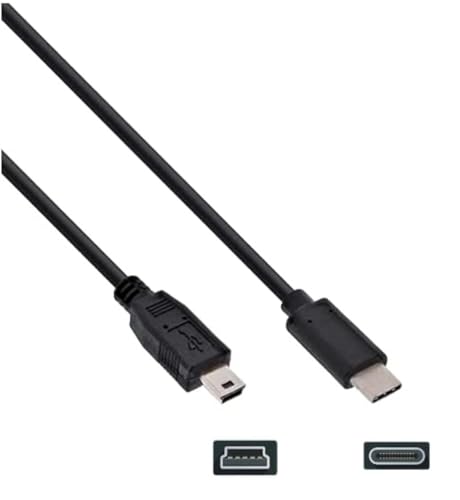
The Canon 7D uses a Mini-USB Type B connector (not Micro-USB, and not USB-C). You’ll need a Mini-USB to USB-A cable, which Canon includes in the box. If you’ve lost yours, any standard Mini-USB data cable will work. Just make sure it supports data transfer, not just charging.
Setting Up Communication on the Camera
Before plugging in, grab the camera and go to the menu. Look for Communication Settings under the wrench/setup tab. Set the connection type to PC Connection. On some firmware versions, this appears as PTP (Picture Transfer Protocol). If this isn’t set correctly, your computer will either ignore the camera or only see it as a generic USB device with no access to files.
Windows Setup
1. Turn the camera off.
2. Plug the Mini-USB end into the camera and the USB-A end into your PC.
3. Turn the camera on.
4. Windows should detect the 7D as a portable device. You’ll see it appear in File Explorer.
5. Open the DCIM folder to find your images, organized by date or shooting session.
If Windows doesn’t recognize the camera, open Device Manager and check for unknown devices. You might need to install the Canon USB driver, which you can download from Canon’s support page for the 7D.
Mac Setup
1. Turn off the 7D and connect the Mini-USB cable to your Mac.
2. Turn the camera on.
3. macOS should launch Image Capture automatically (or Photos, depending on your settings).
4. In Image Capture, you can browse every file on the card, pick specific shots, and choose a save location.
5. If nothing opens automatically, search for Image Capture in Spotlight and select the Canon 7D from the device list.
Mac users running macOS Monterey or later might need to approve a “removable device” permission prompt the first time they connect.
Using Canon EOS Utility
Canon’s free EOS Utility software gives you more than just file transfers. You can browse images on the camera, download selected files, and even control the camera remotely from your desktop.
Download EOS Utility from Canon’s support site (look under the 7D product page). It runs on both Windows and macOS. After installing:
1. Connect the 7D via USB and turn it on.
2. Open EOS Utility. It should detect the camera within a few seconds.
3. Choose Download Images to pull files, or Remote Shooting to control the camera from your screen.
Remote shooting through EOS Utility lets you adjust settings, trigger the shutter, and see a live view feed on your monitor. This is great for studio work where you want to review shots on a big screen as you go.
CF Card Reader Method
The Canon 7D uses CompactFlash (CF) cards, not SD cards. If you’d rather skip the cable entirely, a CF card reader is the fastest way to move files.
Pop the CF card out of the camera, slot it into a USB card reader, and plug the reader into your computer. The card shows up as a removable drive in File Explorer (Windows) or Finder (Mac). Navigate to the DCIM folder, and you’ll find your images sorted into subfolders.
CF card readers with USB 3.0 or USB-C are significantly faster than the camera’s Mini-USB connection. If you’re transferring hundreds of RAW files, a card reader can cut the transfer time in half or more.
Tethered Shooting with Lightroom and Capture One
If you want photos to land directly on your computer the moment you press the shutter, tethered shooting is the way to go.
Adobe Lightroom Classic
Open Lightroom Classic, go to File > Tethered Capture > Start Tethered Capture. Choose a destination folder, a file naming scheme, and any metadata presets you want applied. Lightroom will detect the connected 7D and start importing each shot as you take it.
Capture One
In Capture One, create a new session, then go to Camera > Select Camera. The 7D should appear in the list. Once connected, every shot fires directly into your Capture One session. Capture One also lets you apply styles and adjustments to tethered shots in real time.
For tethered shooting, use a longer USB cable (10 to 15 feet) so you have room to move around. A USB repeater cable can help if you need even more distance without losing signal quality.
Using the Canon 7D as a Webcam
Canon released the Canon Webcam Utility a few years back, and it supports the 7D. Download it from Canon’s website, install it, connect the camera via USB, and select “Canon Webcam” as your video source in Zoom, Teams, or whatever video app you’re using.
The image quality from the 7D’s APS-C sensor blows away any built-in laptop webcam. Set the camera to Live View mode, use a 50mm or 35mm prime lens for the best look, and make sure you have decent lighting. One tip: plug in the AC adapter (Canon ACK-E6) so the battery doesn’t die during long calls.
Troubleshooting Common Issues
Camera not detected: Double-check that Communication Settings is set to PC Connection or PTP mode. Try a different USB port and a different cable. Avoid USB hubs when possible.
Slow transfers: The 7D’s Mini-USB port is USB 2.0, which maxes out around 30 to 35 MB/s in practice. For faster transfers, use a CF card reader with USB 3.0.
Driver issues on Windows: If the camera shows up as an unknown device, download the Canon 7D USB driver from Canon’s support page. Run the installer, reconnect the camera, and it should work.
EOS Utility doesn’t see the camera: Close any other photo software that might be locking the USB connection. Only one application can talk to the camera at a time.
Mac permission errors: Go to System Settings > Privacy & Security > Files and Folders, and make sure Image Capture or EOS Utility has access to removable volumes.