Connecting the Canon 80D to Your Computer
The Canon 80D is an APS-C DSLR that’s been a favorite among hobbyists and semi-pro photographers for years. It has a Mini-USB port, built-in Wi-Fi, and NFC, so you have a few different ways to get your photos onto a computer. This guide covers all of them, plus what to do when things don’t work as expected.
Mini-USB Connection
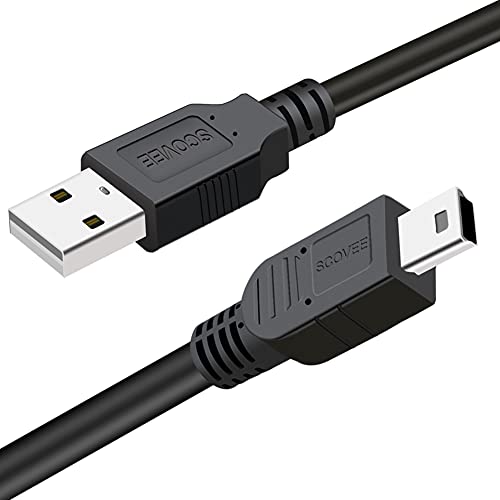
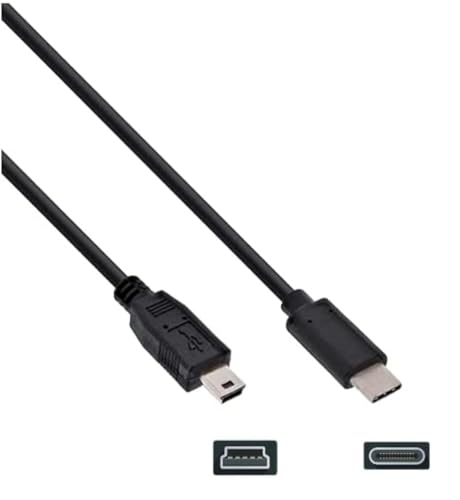
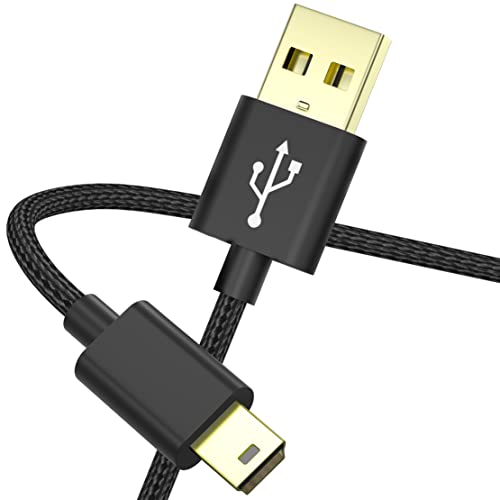
The 80D uses a Mini-USB port (not Micro-USB and not USB-C). This is the older, slightly wider connector. If you’ve lost the original cable, you can pick up a Mini-USB to USB-A cable from most electronics stores, or a Mini-USB to USB-C cable if your computer only has USB-C ports.
Setting Communication Mode
Before plugging in, set the correct mode on the camera:
1. Press Menu on the 80D.
2. Go to the wrench (setup) menu tabs.
3. Find Communication Settings (on some firmware versions, look for USB Connection).
4. Set the mode to Print/PTP for photo transfer.
If you leave it in a different mode, the computer might not recognize the camera properly.
Windows Steps
1. Turn off the 80D.
2. Connect the Mini-USB cable to the camera and a USB port on your PC.
3. Turn the camera on.
4. Windows should detect the 80D and show it under “This PC” in File Explorer.
5. Open the DCIM folder on the camera to browse your photos.
You can copy files directly from the camera to any folder on your hard drive. Select All, Copy, Paste. Simple as that.
Mac Steps
1. Turn off the 80D and connect the Mini-USB cable to your Mac (use an adapter if your Mac only has USB-C).
2. Turn the camera on.
3. macOS should offer to open Image Capture or Photos.
4. Image Capture lets you select specific files and choose where to save them. Photos imports everything into your library.
If nothing happens when you connect, try opening Image Capture manually (it’s in the Applications folder). Some versions of macOS don’t auto-launch the import dialog.
EOS Utility for Windows and Mac
Canon’s free EOS Utility 3 gives you more options than a basic file browser. Download it from Canon’s support page for the 80D.
After installing:
1. Connect the 80D via Mini-USB.
2. Open EOS Utility.
3. The software will detect the camera and show a main menu with options: download images, remote shooting, and camera settings.
4. Click “Download images to computer” to browse the camera’s contents.
5. Select the photos you want, choose a save folder, and download.
EOS Utility works on both Windows (10 and 11) and macOS (Ventura, Sonoma, Sequoia as of 2026). It also handles firmware updates for the camera, which is a nice bonus.
Wi-Fi Transfer with Canon Camera Connect
The 80D has built-in Wi-Fi and NFC, making wireless transfer easy. The Canon Camera Connect app is designed for phone and tablet transfers, but you can also send images to a computer using EOS Utility over Wi-Fi.
Connecting via Wi-Fi
1. On the 80D, press the Wi-Fi button (or navigate to the Wi-Fi settings in the menu).
2. Select the option to connect to a computer.
3. Choose your connection method:
– Camera access point mode: Creates a direct Wi-Fi connection between the camera and computer (no router needed).
– Infrastructure mode: Connects through your existing Wi-Fi network.
4. Follow the on-screen instructions to complete the pairing.
5. On your computer, open EOS Utility. It should detect the 80D on the network.
Infrastructure mode is better for most home and studio setups because it uses your existing network. Camera access point mode is useful when you’re in a location without Wi-Fi, like an outdoor shoot.
NFC Pairing
If your device supports NFC, you can tap it against the 80D’s NFC mark (on the right side of the camera body) to start the Wi-Fi connection automatically. This works mainly with Android phones and NFC-enabled tablets. Most computers don’t have NFC, so this is more of a phone feature.
Card Reader Method
The 80D uses SD cards (SD, SDHC, or SDXC). Almost every card reader on the market supports SD cards, so this is the most universal transfer method.
1. Turn off the camera and remove the SD card.
2. Insert it into your card reader (many laptops have a built-in SD slot).
3. The card shows up as a removable drive in File Explorer (Windows) or Finder (Mac).
4. Open the DCIM folder and copy your photos.
This is the fastest way to transfer files, and it doesn’t drain the camera’s battery at all. If you have a laptop with a built-in SD slot, you don’t even need a separate reader.
Tethered Shooting
The 80D supports tethered shooting for studio and controlled-environment work. Connect via Mini-USB and use one of these software options:
– EOS Utility 3: Canon’s official tethering tool. Select Remote Shooting from the main menu, and you get live view plus full camera control on your computer screen.
– Adobe Lightroom Classic: File > Tethered Capture > Start Tethered Capture. Each shot imports directly into your catalog.
– Capture One: Another strong option with live view and instant editing.
– digiCamControl: Free, Windows-only, and surprisingly capable for a free tool.
Tethered shooting with the 80D works best over USB. The Wi-Fi connection can introduce delays, which gets frustrating when you’re trying to check focus on every shot.
Canon Webcam Utility
Canon’s free Webcam Utility turns the 80D into a webcam for video calls. Install it from Canon’s download page, connect the camera via Mini-USB, and select it as your video source in Zoom, Teams, or Google Meet.
The 80D’s 24.2-megapixel sensor and Dual Pixel autofocus produce a much cleaner video feed than a typical laptop webcam. It’s especially nice for content creators or anyone who’s on video calls regularly.
Troubleshooting Common Problems
PTP vs. MTP Mode
If the camera shows up but you can’t browse files, the communication mode might be set incorrectly. PTP (Print/Transfer Protocol) is what you want for photo transfer. Some users accidentally switch to a different mode and wonder why their computer only shows an empty device.
Driver Issues on Windows
Windows 10 and 11 generally handle Canon camera drivers automatically. But if the 80D isn’t recognized, open Device Manager and look for an unknown device or anything with a yellow warning triangle. Right-click it and select Update Driver, then choose “Search automatically.” You can also download the latest driver from Canon’s support site.
Camera Not Found Over Wi-Fi
Make sure the camera and computer are on the same network (if using Infrastructure mode). If you’re in Camera access point mode, make sure your computer is connected to the camera’s Wi-Fi network (it’ll show up as a Canon network in your Wi-Fi list). Also check that EOS Utility is open on your computer before trying to connect.
Battery Drain During Transfers
The 80D doesn’t support USB charging, so the battery will drain during long transfer sessions. If you have a lot of files to move, use a card reader instead. It’s faster and doesn’t touch the battery. For tethered sessions, keep a spare LP-E6N battery charged and ready.
Slow Transfer Speeds
Mini-USB is slower than USB-C or USB 3.0. If transfer speed is a concern, a card reader is always the better choice. Pop the SD card out, plug it into a USB 3.0 reader, and the difference in speed is significant.