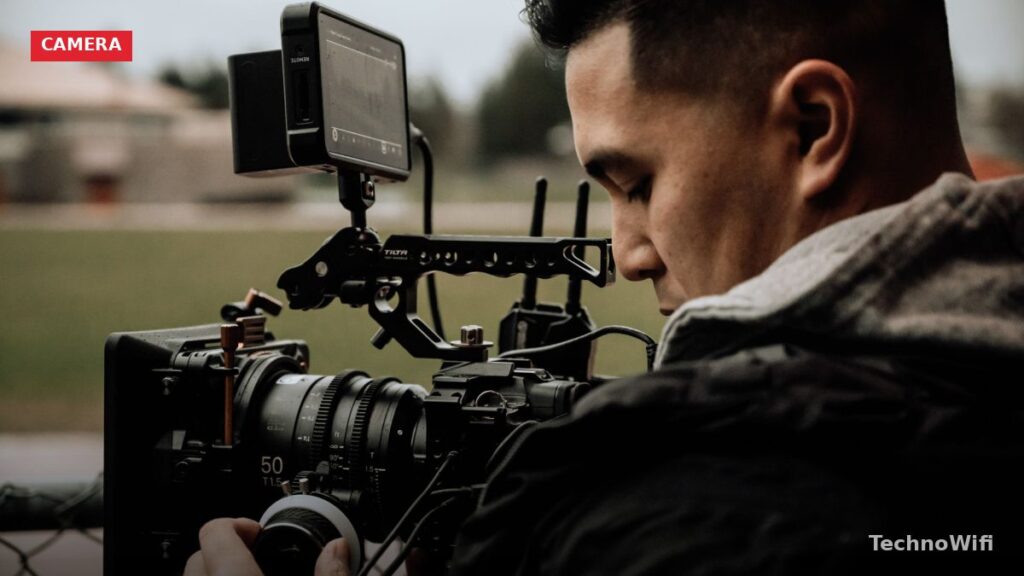
Choosing the best camera for videography in 2026 means navigating a market packed with options at every price point. Whether you’re shooting wedding films, short documentaries, YouTube content, or corporate videos, the camera you pick shapes the look, feel, and workflow of everything you produce. This guide breaks down the different types of cameras, the specs that actually matter for video work, and our top picks for every budget.
Best Camera for Videography: Types to Consider
Not all cameras are created equal when it comes to video. Understanding the categories helps you narrow down what’s right for your specific needs.
Mirrorless Cameras
Mirrorless cameras have become the best camera for videography for most creators in 2026. They combine large sensors (APS-C or full-frame) with compact bodies, excellent autofocus, and professional-grade video features. Models like the Sony a7 IV, Canon EOS R6 Mark II, and Panasonic Lumix S5 II shoot 4K at high frame rates, offer in-body stabilization, and accept interchangeable lenses for maximum creative flexibility.
The biggest advantage of mirrorless for video is their hybrid nature, you get a camera that shoots outstanding stills and professional-quality video in one body. For solo creators and small production teams, this versatility is invaluable.
DSLR Cameras
DSLRs pioneered the “cinematic look” in video when the Canon 5D Mark II changed filmmaking in 2008. While DSLRs are being phased out by manufacturers in favor of mirrorless designs, they still produce beautiful footage and can be found at incredible prices on the used market.
The main limitations for video work are slower autofocus during recording (they use contrast detection instead of phase detection), mirror slap causing blackout when switching between viewfinder and live view, and fewer video-centric features like focus peaking and waveform monitors. For budget filmmakers willing to use manual focus, a used DSLR with a good lens is still remarkably capable.
Cinema Cameras
Dedicated cinema cameras from Blackmagic Design, RED, Canon (Cinema EOS line), and Sony (FX line) are built exclusively for video production. They offer features that hybrid cameras lack: internal RAW recording, built-in ND filters, professional audio inputs (XLR), extended dynamic range, and modular designs that integrate into professional production workflows.
The Blackmagic Pocket Cinema Camera 6K G2 is a remarkable value at around $1,500, offering Blackmagic RAW recording and a Super 35 sensor. The Sony FX3 blurs the line between cinema camera and mirrorless hybrid with its full-frame sensor and compact body. These cameras sacrifice still photography capability to excel at one thing: making beautiful motion pictures.
Action Cameras
Action cameras like the GoPro HERO13 Black and DJI Osmo Action 5 Pro are purpose-built for situations where traditional cameras can’t go, underwater, mounted on vehicles, attached to helmets, or in any environment where size, durability, and stabilization matter more than ultimate image quality. Their ultra-wide lenses, waterproof housings, and electronic stabilization make them indispensable for specific videography applications.
Smartphones
Don’t underestimate modern smartphones for videography. The iPhone 16 Pro series shoots ProRes 4K at up to 120fps with cinematic mode depth effects. Samsung and Google flagship phones offer similar capabilities. For social media content, run-and-gun documentary work, and situations where carrying a full camera kit isn’t practical, smartphone video quality in 2026 is genuinely professional-grade.
Key Video Specs That Actually Matter
Camera spec sheets are overwhelming. Here are the specifications that make a real difference in your video quality and workflow.
Resolution: 4K Is the Baseline
4K (3840×2160) is the standard for professional videography in 2026. It provides enough resolution for sharp delivery on any platform, and the extra pixels give you room to crop, stabilize, and reframe in post-production. 6K and 8K are available on some cameras and useful for high-end production work, but 4K is more than sufficient for the vast majority of video projects.
Readers who found this helpful also liked our guide on DSLR cameras for beginners.
Don’t ignore 1080p entirely, it’s still perfectly acceptable for web delivery, and recording at 1080p lets you capture higher frame rates for slow motion on cameras that can’t do 4K at 120fps.
Frame Rates: Understanding Your Options
24fps gives footage the “cinematic” look associated with movies. 30fps is standard for web video and broadcast. 60fps produces smooth, fluid motion ideal for sports, action, and gaming content. 120fps and above enable dramatic slow-motion effects.
Choose a camera that shoots your desired resolution at the frame rates you need. If slow-motion b-roll is important to your work (and it is for most videographers), look for 4K 60fps or 1080p 120fps capability.
Codec and Bit Depth
The codec determines how your camera compresses video data. H.264 is the most common and produces manageable file sizes but limited color grading flexibility. H.265 (HEVC) offers better quality at similar file sizes. ProRes and Blackmagic RAW are professional codecs that preserve maximum quality for color grading but produce enormous files.
Bit depth matters for post-production flexibility. 8-bit video captures 16.7 million colors and is adequate for content that won’t be heavily graded. 10-bit video captures over a billion colors and handles color grading much better, if you plan to apply LUTs, adjust color, or match footage between cameras, 10-bit is a significant advantage.
Stabilization Options
In-body image stabilization (IBIS) reduces camera shake when shooting handheld. This is particularly important for run-and-gun videography, documentary work, and any situation where a tripod isn’t practical. The best IBIS systems (found in cameras from Sony, Canon, and Panasonic) provide 5-7 stops of stabilization, making handheld footage smooth and usable.
Electronic image stabilization (EIS) is a software-based approach that works by cropping the sensor and shifting the crop window to counteract movement. It’s effective but reduces your field of view. Some cameras combine IBIS and EIS for maximum stabilization.
For the smoothest possible handheld footage, pair your camera with a motorized gimbal like the DJI RS 4 or Zhiyun Crane 4. Gimbals add weight and complexity but produce results that no in-camera stabilization can match.
Autofocus for Video
Reliable autofocus during video recording is essential unless you’re willing to pull focus manually (which requires practice and often a dedicated focus puller). Sony’s Real-Time Tracking AF, Canon’s Dual Pixel CMOS AF II, and Nikon’s 3D Tracking AF are the current leaders. Look for face and eye detection that tracks subjects smoothly without hunting.
Best Cameras for Videography in 2026: Our Top Picks
Here are our recommendations across different budgets and use cases.
Best Under $1,000: Sony a6700
The a6700 packs an APS-C sensor with 4K 60fps recording, Sony’s outstanding autofocus system, in-body stabilization, and S-Log3 for professional color grading, all in a compact body under $1,400 at launch (regularly found for $1,000-$1,100 in 2026). It’s the best entry point for serious videography without a serious investment.
For more on this, take a look at our DSLR cameras for video recording guide.
Best Under $2,000: Canon EOS R6 Mark II
Canon’s full-frame hybrid shoots 4K 60fps with oversampled quality from the full sensor width, offers arguably the best autofocus system in any camera, and includes excellent IBIS. The dual-card slots, clean HDMI output, and Canon Log 3 make it a professional tool at an accessible price. The RF lens ecosystem offers outstanding video glass at every price point.
Best Under $2,500: Sony a7 IV
A full-frame workhorse that balances stills and video beautifully. 4K 60fps from a cropped area (4K 30fps full-width oversampled), 10-bit 4:2:2 recording, S-Log3, and Sony’s legendary autofocus make it a top choice for hybrid shooters. The E-mount lens ecosystem is the largest in the mirrorless world.
Best Cinema Camera Under $2,000: Blackmagic Pocket Cinema Camera 6K G2
If video is your sole focus and you don’t need stills capability, the BMPCC 6K G2 delivers image quality that rivals cameras costing five times more. Blackmagic RAW recording, a Super 35 sensor, 13 stops of dynamic range, and a built-in 5-inch touchscreen make it a favorite among indie filmmakers and budget-conscious production companies. The trade-offs, poor battery life, no autofocus to speak of, and no stabilization, are par for the course in cinema cameras.
Best for Solo Creators: Sony FX30
The FX30 is a cinema-focused camera built on Sony’s APS-C mirrorless platform. It offers many cinema camera features. S-Cinetone color science, 4K 120fps, dual base ISO, and XLR audio via the included handle, while retaining the autofocus and stabilization that solo operators depend on. At around $1,800 with the XLR handle, it hits a sweet spot between hybrid camera and cinema camera.
Building Your Videography Kit
A camera body is just the beginning. Here’s what else you need for professional videography.
Lenses: A fast prime (24mm or 35mm f/1.4-1.8) handles interviews and talking-head shots beautifully. A standard zoom (24-70mm f/2.8) covers most run-and-gun situations. A telephoto zoom (70-200mm f/2.8) compresses backgrounds for cinematic compositions. Start with one lens and add as your needs dictate.
Audio: A shotgun microphone (Rode NTG5, Sennheiser MKE 600) on a boom pole is the gold standard for dialogue. Wireless lavalier systems (Rode Wireless PRO, DJI Mic 2) provide backup audio and handle situations where a boom is impractical. Always record audio externally when possible, camera preamps are typically noisy.
Lighting: Even one LED panel dramatically improves your footage. The Aputure Amaran series and Nanlite Forza line offer affordable, powerful, and color-accurate lights suitable for professional work. Learn three-point lighting fundamentals and you’ll produce footage that looks polished in any environment.
Support: A good tripod with a fluid head (Manfrotto, Sachtler) ensures smooth pans and tilts. A gimbal adds production value to walk-and-talk shots. A monopod provides quick stability without the setup time of a full tripod.
Frequently Asked Questions
Is mirrorless or cinema camera better for videography?
It depends on your workflow. Mirrorless cameras offer versatility (stills and video), compact size, and excellent autofocus. Cinema cameras offer superior image quality, professional audio inputs, and codecs optimized for post-production. Solo creators and hybrid shooters lean toward mirrorless. Production teams with dedicated roles lean toward cinema cameras.
Do I need a full-frame camera for video?
No. APS-C and Micro Four Thirds cameras produce excellent video. Full-frame offers advantages in low light and depth-of-field control, but the difference is smaller than marketing suggests. Spend extra money on lenses and audio equipment before upgrading to full-frame.
How much should I budget for a videography setup?
A capable starter kit (camera, one lens, external microphone, tripod, memory cards) runs $1,500-$2,500. A professional kit with multiple lenses, lighting, and audio equipment ranges from $5,000-$10,000. Start small, invest in quality where it matters most (lenses and audio), and add gear as your projects and income grow.
What’s more important: camera or lenses?
Lenses. A mid-range camera with a great lens produces better footage than a high-end camera with a mediocre lens. Lenses control depth of field, low-light performance, sharpness, and optical character, all of which have a bigger visual impact than the difference between camera bodies in the same price range. Invest in glass first.
Choosing the Right Camera for Your Work
The best camera for videography is ultimately the one that fits your workflow, budget, and the type of content you create. Don’t chase specs, chase results. A camera that’s comfortable in your hands, reliable on set, and produces footage you’re proud of is worth more than the most impressive spec sheet. Start with a solid foundation, master the fundamentals of exposure, composition, and storytelling, and let your gear grow alongside your skills.