How to Connect Canon T6i to Computer
Want to connect Canon T6i to computer for transferring, editing, or backing up your photos? You’ve got two options: a USB cable or Wi-Fi. Both work well, though they each have their own setup process.
The Canon T6i (also called the EOS 750D) has a 24MP sensor and DIGIC 6 processor. It also comes with a vari-angle screen, built-in Wi-Fi, and NFC. That built-in Wi-Fi is what makes wireless transfers possible without any extra hardware.
Let’s walk through both methods.
Steps to Connect Canon T6i to Computer via USB
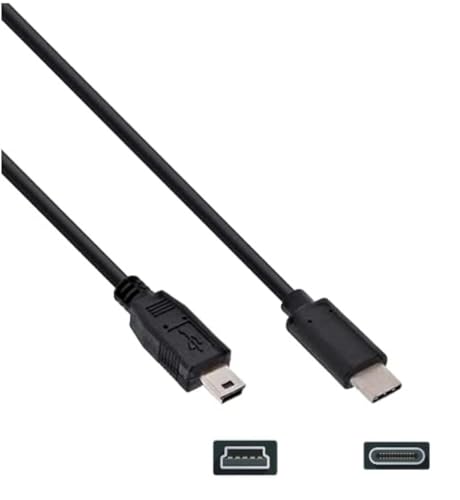
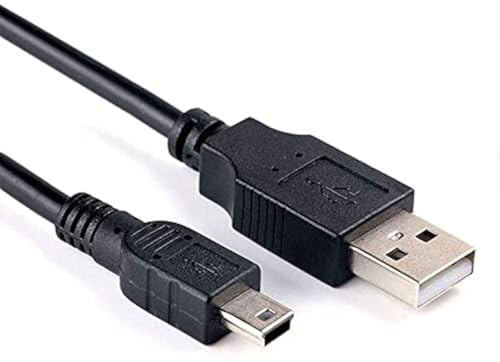
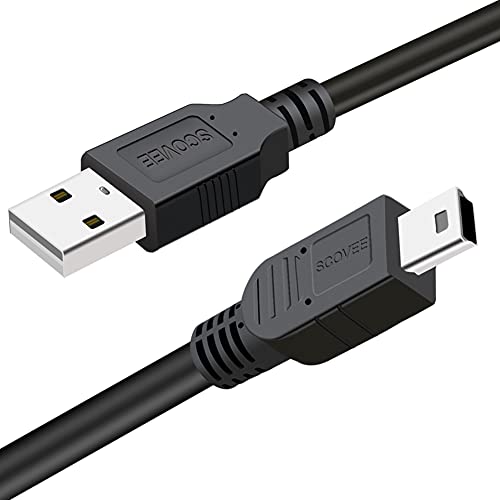
Before you start, grab a quality USB cable. A cheap cable can cause connection drops or slow transfers, so it’s worth using a reliable one.
Step 1. Turn On the Computer and Camera
Start by making sure the camera is off. Close out any previous activity first. Then turn on both the camera and your computer.
Step 2. Connect the USB Cable
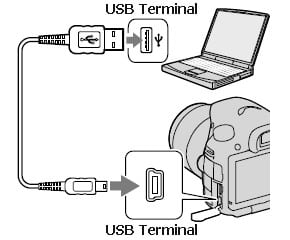
Plug one end of the USB cable into your Canon T6i and the other into your computer’s USB port. Give the computer a few seconds to recognize the camera as a storage device.
Step 3. Transfer Your Photos
Once the computer recognizes your Canon T6i, you’ll see it show up as a removable device. Open it, browse your photos and videos, and start copying what you need.
How to connect Canon t6i to computer – uploadOne tip: keep your camera plugged into a power source during the transfer. Moving large files can drain the battery fast.
Steps to Connect Canon T6i to Computer via Wi-Fi
Step 1. Download the EOS Utility Software
For the Wi-Fi method, you don’t need to turn the camera off first. Just make sure the battery has enough charge, or plug it in.
Download and install Canon’s EOS Utility software on your computer. You can find the download link on Canon’s official website.
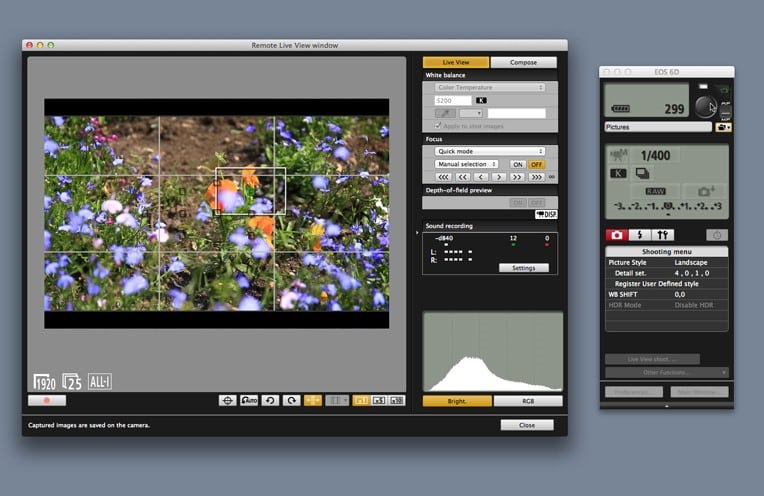
Step 2. Enable Wi-Fi on the Camera
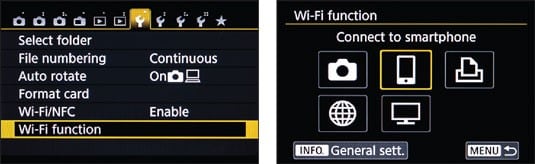
On your Canon T6i, go to Setup Menu 3 in the main settings. Set the Wi-Fi option to “Enable.”
Just below that, you’ll see a “Wi-Fi function” option. Select the icon that represents a PC connection.
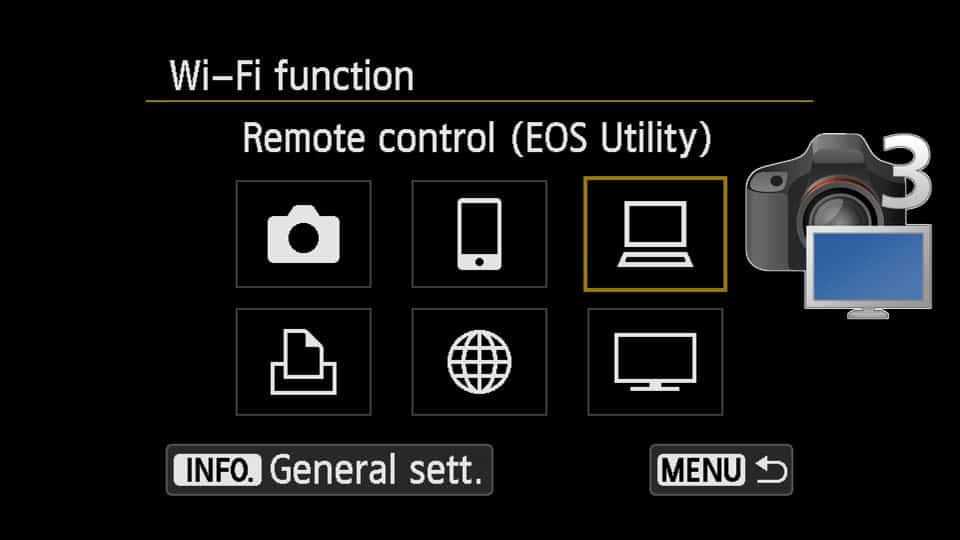
Step 3. Select EOS Utility as the Connection Type
After enabling Wi-Fi, choose EOS Utility as your connection type. Follow the on-screen prompts on your camera to configure the network settings.
At the end of this process, the T6i will ask you to start pairing on your computer. That’s your cue to open the EOS Utility software.
Step 4. Run the EOS Utility Launcher
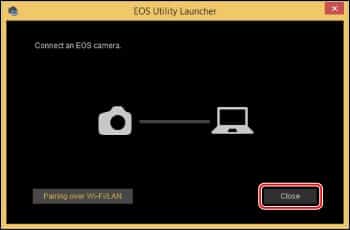
When EOS Utility detects that no camera is connected via USB, it automatically switches to wireless mode. The Canon Utility Launcher will pop up.
Click “Pairing over Wi-Fi/LAN” and wait for the software to detect your T6i on the network. A dialog box will appear asking you to select your camera.
Step 5. Complete the Connection
Select your Canon T6i from the list and click “Connect.” Your computer will show a confirmation message and point you to check the camera’s LCD screen for final instructions.
Once you see the new settings appear on the camera’s display, you’re connected. You can now transfer, edit, or back up your photos and videos wirelessly.
See Also
How to connect Canon Camera to Computer