How to Connect the Canon 5D Mark IV to Your Computer
The Canon 5D Mark IV is still a workhorse for professional photographers in 2026, and connecting it to your computer is something you’ll do regularly for file transfers, tethered shoots, and backups. This guide covers every method on both Windows and Mac. If you’re looking for a general walkthrough that applies to other Canon models too, check out our guide on how to connect a Canon camera to the computer.
USB Connection (Windows and Mac)
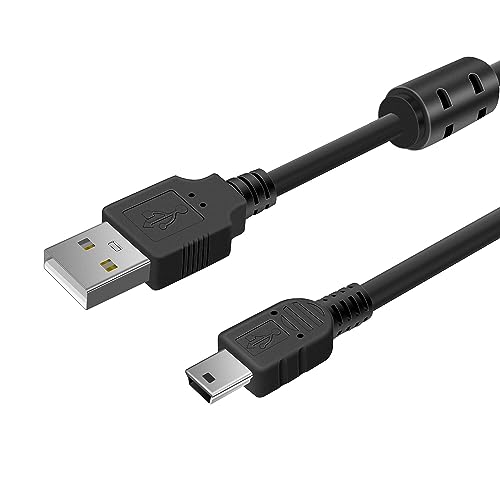
The 5D Mark IV uses a USB 3.0 Micro-B port (the wide, flat connector with a notch). You’ll need a USB 3.0 Micro-B to USB-A cable, or a USB 3.0 Micro-B to USB-C cable if your computer only has USB-C ports.
Before connecting:
1. On the camera, go to the wrench (setup) menu.
2. Find Communication Settings, then USB connection type.
3. Set it to Print/PC connection for standard photo transfer.
Now connect the cable:
1. Turn the camera off.
2. Plug the Micro-B end into the port on the left side of the camera (under the rubber cover).
3. Plug the other end into your computer.
4. Turn the camera on.
On Windows: The camera should appear in File Explorer as a removable device. You can browse the DCIM folder and copy files directly. If Windows doesn’t recognize it, you may need to install the Canon USB driver from Canon’s support site.
On Mac: Image Capture or Photos will usually open automatically. You can also find the camera listed in Finder’s sidebar under Locations.
Using Canon EOS Utility
EOS Utility is Canon’s free software for managing camera connections. Download the version that matches your operating system from Canon’s support page for the 5D Mark IV.
Once installed:
1. Connect the camera via USB.
2. Launch EOS Utility.
3. The software detects the camera and presents options: download images, remote shooting, or camera settings.
EOS Utility lets you selectively download images by date, rating, or folder. It’s much more organized than dragging files manually, especially when you have thousands of shots on a card.
Wi-Fi Transfer
The 5D Mark IV has built-in Wi-Fi and NFC, making wireless transfers possible without extra accessories.
To set up Wi-Fi transfer to your computer:
1. On the camera, go to the Wi-Fi menu and select Connect to a computer.
2. Choose your network and enter the password (or use WPS if your router supports it).
3. On your computer, open EOS Utility. It should find the camera on the network.
4. Accept the pairing request on the camera.
For phone transfers, download the Canon Camera Connect app (available on iOS and Android). You can use NFC to initiate the pairing quickly by tapping an NFC-enabled phone against the camera’s N-Mark.
Keep in mind that the 5D Mark IV shoots large files. A single RAW image can hit 40 to 60 MB, so Wi-Fi transfers for big shoots will be slow. Reserve wireless for quick previews or small JPEG batches.
Card Reader Method
The 5D Mark IV has dual card slots: one CompactFlash (CF) and one SD (UHS-I). A card reader is often the fastest transfer method, particularly for CF cards.
Pull the card from the camera, insert it into a compatible reader, and plug the reader into your computer. The card mounts as a standard drive, and you can copy files from the DCIM folder.
If you’re using both card slots (for backup or RAW+JPEG split), remember to pull both cards and check both for the files you need. The CF slot supports UDMA 7, so a fast CF reader can transfer files significantly quicker than USB from the camera body.
Tethered Shooting for Studio Work
The 5D Mark IV is a popular studio camera, and tethered shooting is a big part of that workflow. You can tether using EOS Utility, Lightroom Classic, or Capture One.
EOS Utility tethering
Connect via USB, open EOS Utility, and select Remote Shooting. You get a live view feed on your monitor plus full control over exposure settings, focus, and shutter release. Every image saves to your computer’s hard drive and optionally to the camera card.
Lightroom Classic tethering
Go to File > Tethered Capture > Start Tethered Capture. Name your session, pick a save folder, and optionally assign a develop preset. Each photo appears in Lightroom as soon as it’s captured.
Capture One tethering
Capture One offers what many photographers consider the smoothest tethering experience. Open a new session, connect the camera via USB, and enable Live View. Capture One’s tethered shooting supports instant adjustments and overlays.
For any tethering setup, use a long USB cable (3 to 5 meters) with a secure connection. Avoid putting tension on the cable at the camera port, since the Micro-B connector can be fragile over time. A USB port protector or tethering accessory block is a smart investment.
Troubleshooting
Camera not showing up on Windows
Open Device Manager and check for unknown devices. If you see the camera listed with a warning icon, right-click and update the driver. You can also download the Canon USB driver package from their website.
Camera not showing up on Mac
Close any apps that may have grabbed the camera connection (like Photos opening automatically). Open Image Capture to see if the camera appears there. If not, try a different cable or port.
USB mode mismatch
If you’re trying to use EOS Utility but the camera shows up as a generic drive, check the USB connection setting on the camera. It should be set to Print/PC connection rather than Mass Storage.
Wi-Fi pairing fails
Make sure the camera and computer are on the same Wi-Fi network. Some routers with client isolation enabled will block communication between devices. Check your router settings if you run into this.
The 5D Mark IV connects without fuss once you have the right cable and settings dialed in. For everyday transfers, USB or a card reader is the way to go. Save Wi-Fi for situations where convenience matters more than speed.