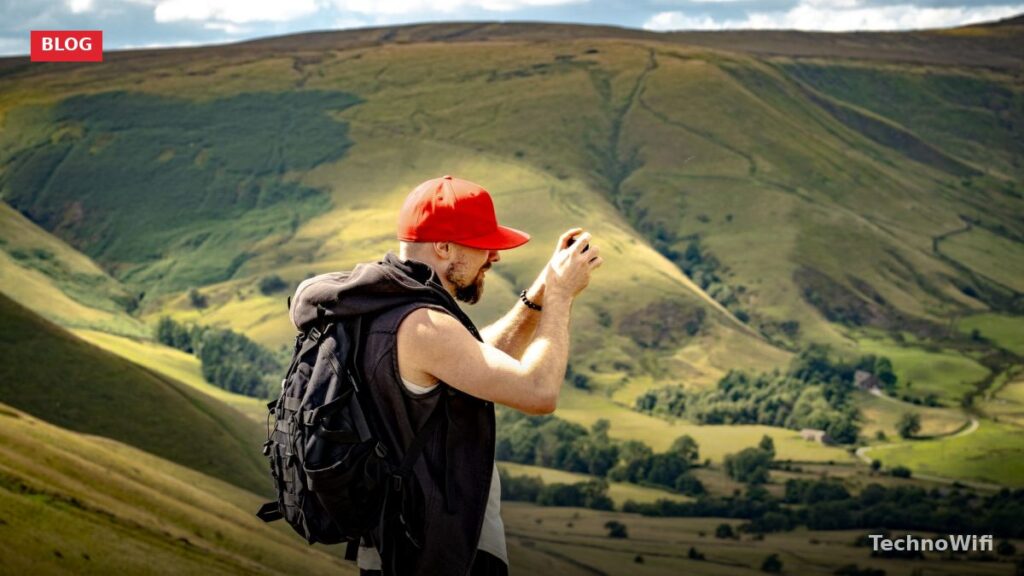
Mastering Landscape Photography
Landscape photography is one of the most popular genres out there, and it’s easy to see why. There’s something deeply satisfying about capturing a stunning natural scene and sharing it with others. But here’s what many photographers don’t realize: great landscape shots don’t happen by accident. They take planning, patience, and a few specific skills you can start building today.
The good news? You don’t need expensive equipment to get started. Anyone with a digital camera can shoot landscapes. What separates the average snapshots from the jaw-dropping ones comes down to technique and practice.
Before you head out for your next shoot, take a few minutes to learn about timing, composition, color, and gear choices. These are the building blocks that’ll take your landscape photography from “nice picture” to “wow, you took that?” Let’s get into it.
Check the Timing
If you take away one thing from this entire article, let it be this: timing is everything in landscape photography. You could have the best camera, the sharpest lens, and a breathtaking location, but shoot at the wrong time of day and your photos will look flat.
The difference between a midday shot and a golden hour shot of the same exact spot is staggering. Light changes the mood, the colors, the shadows, and the depth of your entire image.
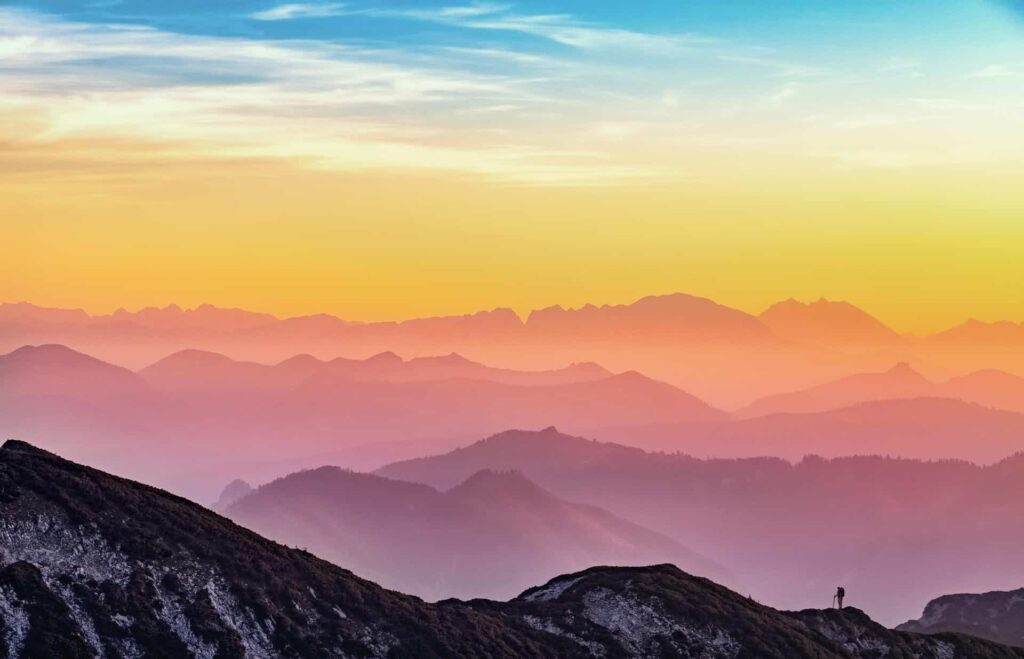
Generally speaking, the best times to shoot landscapes are early morning (just after sunrise) and late evening (just before sunset). During these windows, sunlight is soft and warm, which gives your photos that rich, glowing quality you see in professional work. Harsh midday sun creates ugly shadows and washes out color, so plan your shoots around those golden hours whenever possible.
Visit the Same Location Again and Again
Becoming a strong landscape photographer means putting in the reps. You can’t just visit a spot once, snap a few photos, and call it done. Returning to the same location at different times of day and in different weather conditions teaches you how light interacts with that specific scene.
If the spot is far from where you live, consider booking a nearby room so you can shoot at dawn, midday, dusk, and even night, all in the same trip.
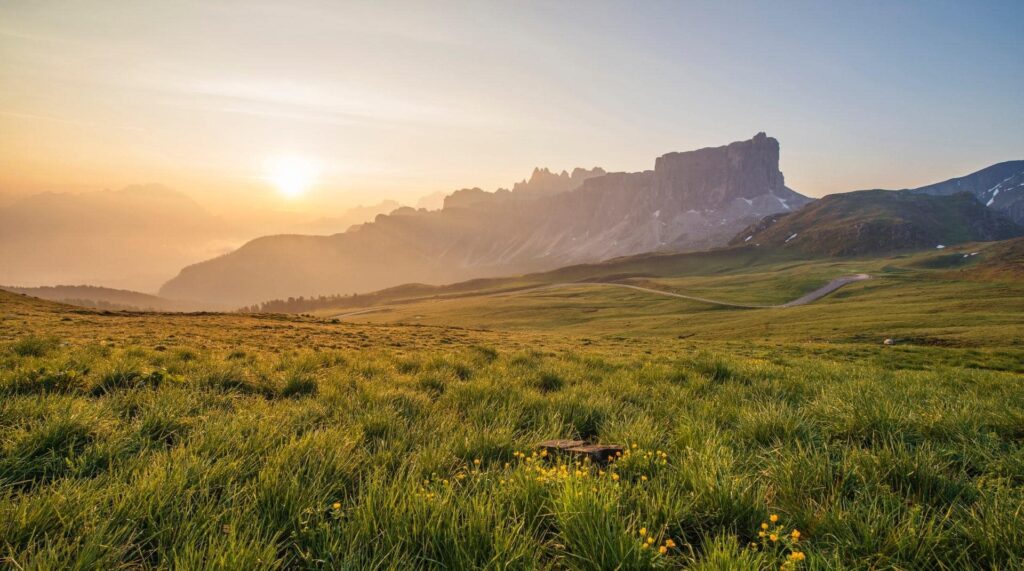
While you’re there, experiment. Try different angles, swap lenses, change your exposure settings. Don’t just shoot what looks obvious. Great landscape photographers constantly push themselves to find new perspectives at familiar locations. And at the end of each day, sit down at your computer and study what you shot. That review process is where real learning happens.
Check the Combination of Colors
Color is a huge part of what makes a landscape photo pop. Getting the right color combination can mean the difference between a photo that feels natural and inviting versus one that looks off somehow.
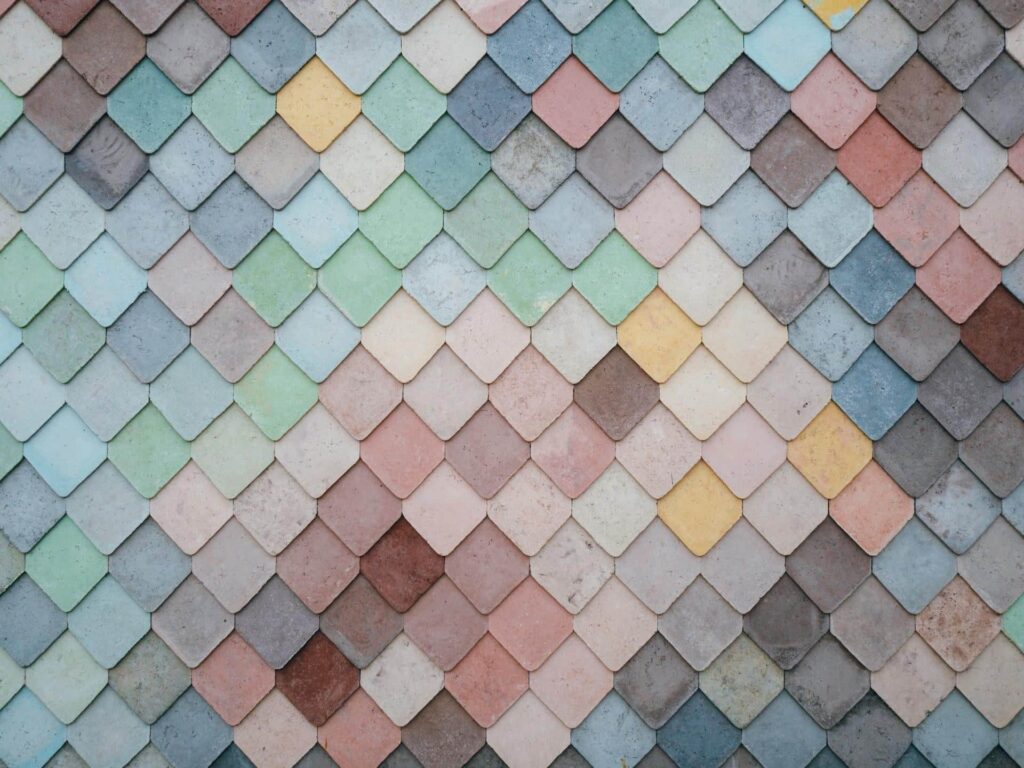
This matters especially when you’re shooting at night or in urban landscapes with lots of artificial lighting. Photographing buildings lit up at night? Look for yellow and orange tones on the color wheel. For the most natural-looking results, stick with analogous colors (colors that sit next to each other on the color wheel). They create a soft, harmonious feel that doesn’t require heavy editing afterward.
Use a Telephoto Lens
Most people assume you need a wide-angle lens for landscape photography, and sure, wide-angle lenses have their place. But here’s a tip that might surprise you: a telephoto lens can be even more effective for certain landscape shots.
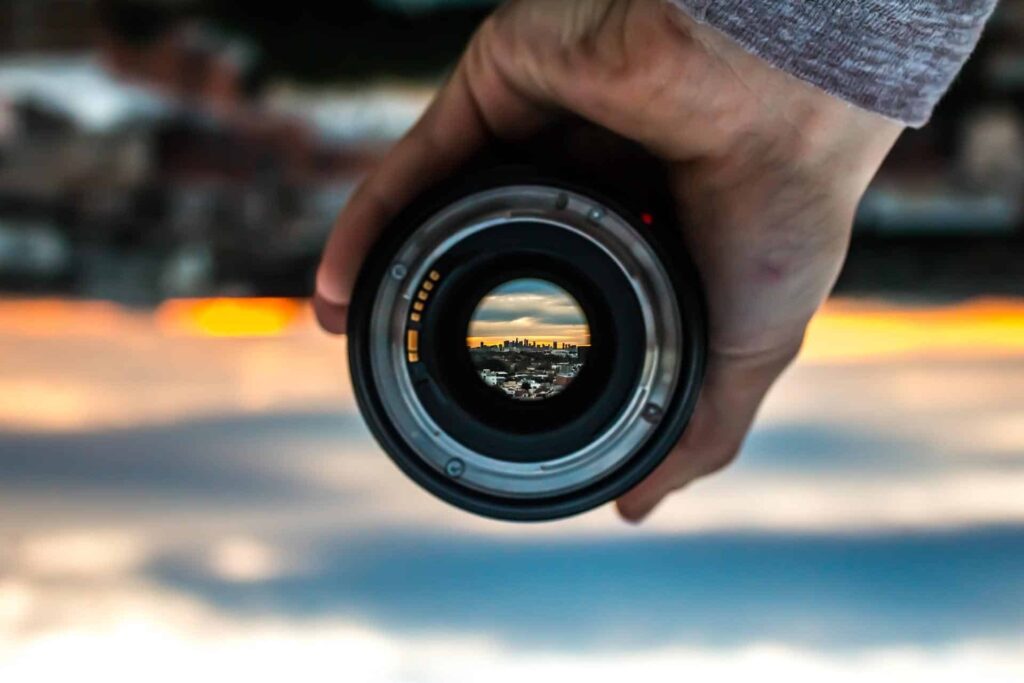
Telephoto lenses compress the scene, making distant elements appear larger and closer together. This creates a totally different look than the expansive feel of a wide-angle shot. Keep both types of lenses in your bag, shoot the same scene with each, and compare the results on your screen. You’ll quickly see why serious landscape photographers rely on telephoto lenses more than you’d expect.
You might also want to check out a dedicated landscape lens from your camera’s brand. Both Canon and Nikon make excellent options specifically designed for this type of work.
Study Other Photographers’ Work
If you want to get better at landscape photography, one of the smartest things you can do is study the people who’ve already mastered it. Landscape photography is as much about vision and creativity as it is about technical skill.

We live in an age where professional photographers share their techniques freely online through blogs, YouTube tutorials, and online courses. Make a list of landscape photographers whose work you admire. Study their compositions, their use of light, their editing style. Many of them offer eBooks and paid courses too, which can fast-track your learning if you’re serious about improving.
The point isn’t to copy their work. It’s to train your eye so you can develop your own style over time.
The Bottom Line
Landscape photography starts with your imagination and grows through practice. Nobody becomes a great landscape photographer overnight. It takes time, dedication, and a willingness to keep experimenting.
Make sure you’ve got the right gear for the conditions you’ll be shooting in. Learn the fundamentals of timing, color, and composition. Then get out there and shoot. Review your work every evening. Over weeks and months, you’ll see your skills improve dramatically.
And if you love the process enough, don’t keep it to yourself. Share what you learn and help others get started too.
See Also