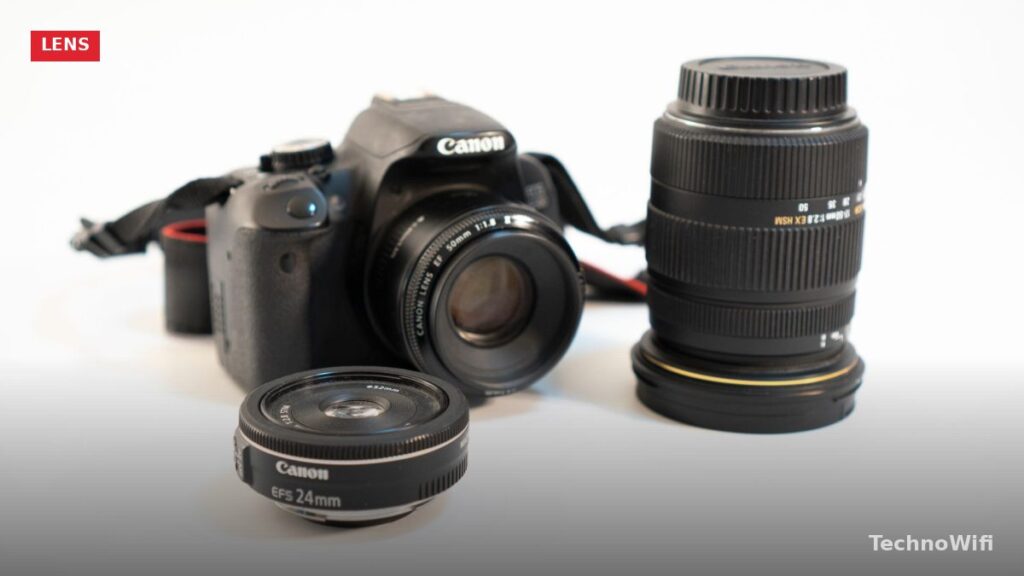
How to Use a Telephoto Lens (Beginner’s Guide)
If you’re serious about photography, learning to work with different lenses is part of the journey. A telephoto lens opens up a whole range of creative possibilities, and knowing how to use telephoto lens gear properly can seriously level up your images. Here’s what you need to know.
What Makes a Telephoto Lens Different
Telephoto lenses are popular with both professional and amateur photographers because they work well in so many situations.
A telephoto lens has a long reach, letting you capture subjects from a distance. You can also use one to make your subject appear larger in the frame. Any lens with a focal length of 60mm or more counts as a telephoto.
Some people confuse telephoto lenses with zoom lenses, but they’re not the same thing. What defines a telephoto is its focal length, not whether it can zoom. A telephoto can be a fixed focal length (prime) or a zoom, but the two terms aren’t interchangeable.
Getting the Most Out of Your Telephoto Lens
Focus on the Details
Telephoto lenses shine when you want to isolate small details in a scene. Their narrow field of view lets you capture a specific part of your subject. With a telephoto lens, separating details from the surroundings is much easier than with a wide or medium-angle lens.
Your photography niche will dictate what details matter most. Portrait photographers can fill the entire frame with a face, cutting out all the distracting background elements. Landscape shooters can zero in on a single mountain peak and make it the star of the image. For extreme close-ups, consider macro lenses, which let you capture the tiniest scenes.
Bring Distant Subjects Closer
Telephoto lenses are ideal for photographing subjects you can’t physically get close to, like wildlife or athletes on a field. They’re also great for capturing sweeping landscapes with valleys, mountain ranges, and distant details that a shorter lens would miss.
Play with Scale and Perspective
Stand near a tree with mountains behind it using a wide-angle lens, and the tree looks huge compared to the background. That’s just perspective at work. Objects closer to the camera always appear larger.
The lens itself doesn’t create this effect. Your camera position does. But using a wide-angle lens close to a subject exaggerates the size difference because the field of view is so wide.
Stand farther back with a telephoto lens, and objects in the scene appear closer to their real proportional sizes. People standing in front of a mountain will look smaller, and the mountain will look properly massive. This compression effect is useful in sports, landscape, and architectural photography.
How to Get Sharp Images with a Telephoto Lens
Pick the Right Shutter Speed
Shutter speed matters a lot with telephoto lenses. A good rule of thumb: your shutter speed should be at least as fast as your focal length. So with a 500mm lens, shoot at 1/500th of a second or faster. Going slower than that risks camera shake, which kills sharpness.
Lenses with image stabilization give you some extra flexibility at slower speeds. And if you’re using a crop sensor camera, remember to multiply the crop factor by the focal length. A 500mm lens on a 1.5x crop sensor means you should aim for at least 1/750th of a second.
Use a Tripod or Monopod
Even modern telephoto lenses, which are lighter than older models, still get heavy after carrying them for a while. Tired arms mean shaky hands, and shaky hands mean blurry photos.
Super-telephoto lenses come with a tripod collar for a reason. Always mount the lens to the tripod, not the camera body. Mounting by the camera with a heavy lens attached puts stress on both the mount and your gear.
Turn On Image Stabilization (Most of the Time)
Different manufacturers call it different things, but image stabilization helps reduce shake when you’re shooting handheld. It’s a lifesaver for telephoto work where even small vibrations get magnified.
One exception: turn it off when you’re shooting from a tripod. Leaving stabilization on while the camera is already stable can actually introduce a slight vibration that defeats the purpose.
Final Thoughts
Thinking about picking up a telephoto lens? Now you know the basics of how to use telephoto lens gear for sharper, more compelling photos. Keep these tips in mind, practice regularly, and you’ll see a real difference in your shots.
See Also