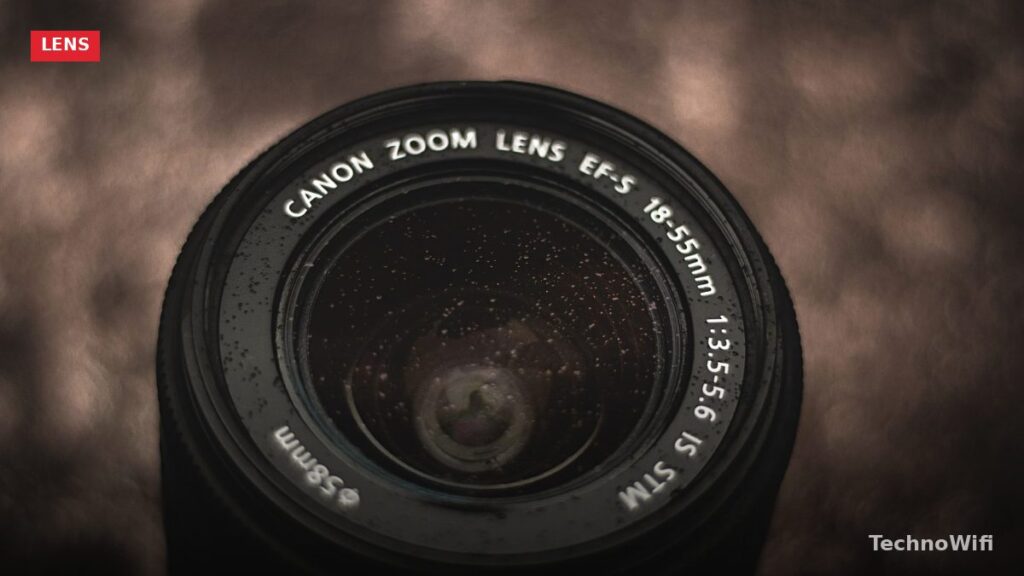
What is a Telephoto Lens?
What is a telephoto lens, and why do so many photographers swear by them? In short, a telephoto lens lets you capture subjects from far away with striking clarity. It is one of the most popular lens types in photography, and for good reason.
Whether you shoot sports, wildlife, or portraits, a telephoto lens can transform the way you work. Let’s break down how these lenses function, what makes them special, and how to choose the right one for your needs.
How a Telephoto Lens Works
Telephoto lenses have been growing in popularity among both professional and amateur photographers around the world.
At its core, a telephoto lens has an extended range of focus. This allows the photographer to magnify distant subjects and pull them into the frame with sharp detail. Any lens with a focal length above 60mm is generally classified as a telephoto lens.
One common mistake is treating zoom lenses and telephoto lenses as the same thing. They are not identical. A telephoto lens can be a zoom lens, but it does not have to be. Some telephoto lenses are prime (fixed focal length), while others offer a zoom range.
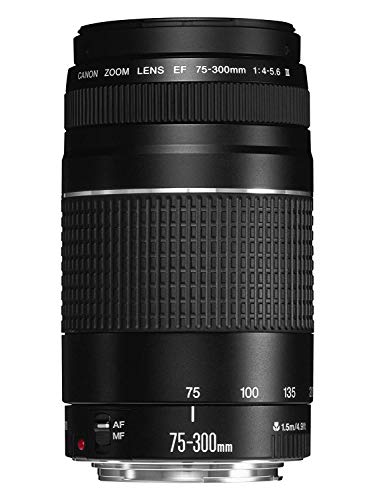
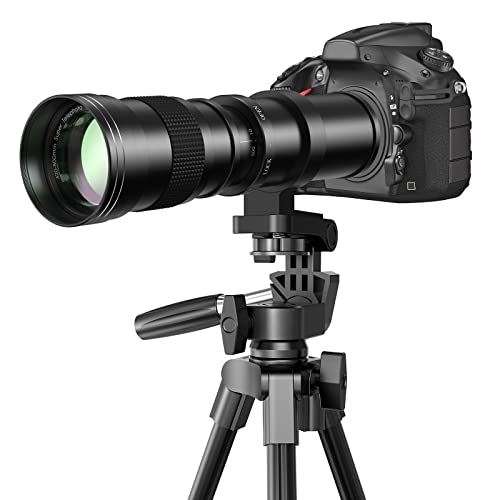
Telephoto lenses fall into categories based on focal length. A lens in the 70-200mm range is often called a “medium telephoto,” while anything above 300mm earns the label “super telephoto.” Both prime and zoom versions exist within each category.
Top Uses for a Telephoto Lens
Here are the main reasons photographers reach for telephoto lenses:
Interested in this area? We go deeper in our Nikon telephoto lens guide.
1. Bringing Distant Subjects Closer
This is the most obvious and popular use of a telephoto lens. It allows you to capture far-away subjects with impressive clarity, which is why so many amateur photographers start with one.
A telephoto lens is the go-to solution when you cannot (or prefer not to) physically move closer to your subject. In wildlife photography, getting close might spook the animal. In sports photography, you are usually stuck behind a barrier. The telephoto lens solves both problems.
There are also situations where your subject is more relaxed when the camera is at a distance. This is especially true for candid shots and street photography.
Telephoto lenses also produce a compression effect that tightens the visual relationship between the subject and the background, giving photos a distinct, layered look.
2. Creating Beautiful Background Blur
You have probably seen photos where the subject is tack-sharp but the background melts into a soft, creamy blur. That effect is much easier to achieve with a telephoto lens.
Portrait photographers love this technique. The trick is to shoot with a long focal length and the widest aperture your lens allows. For example, a 70-200mm lens set at 200mm with an aperture of f/2.8 will throw the background completely out of focus while keeping your subject pin-sharp.
For the complete picture, our Canon telephoto lens guide fills in the gaps.
The general rule: the longer the focal length and the wider the aperture, the stronger the background blur becomes.
3. Capturing Flattering Portraits
Here is something that surprises many new photographers: telephoto lenses are excellent portrait tools. The distance between the camera and the subject changes how facial features appear in the final image.
When you photograph someone from a distance using a longer focal length, facial features appear more proportional and natural. Wide-angle lenses shot up close tend to distort features (making noses look larger, for instance), but a telephoto lens avoids this entirely.
If you gradually increase the focal length while standing at the same distance, you will notice the foreground subject becomes slightly smaller relative to the background. This compression effect creates a flattering, balanced look that is especially appealing in headshots and portrait work.
Which Telephoto Lens Should You Use?
No single telephoto lens works perfectly for every situation. The right choice depends entirely on what you plan to shoot. You can also read our guide on how to use a telephoto lens for more hands-on advice.
Here is a quick reference showing common uses for telephoto lenses based on focal length:
| Focal Length | Common Uses |
|---|---|
| 70-200mm | Wildlife, portrait, sports and weddings |
| 85mm | Weddings and portraits |
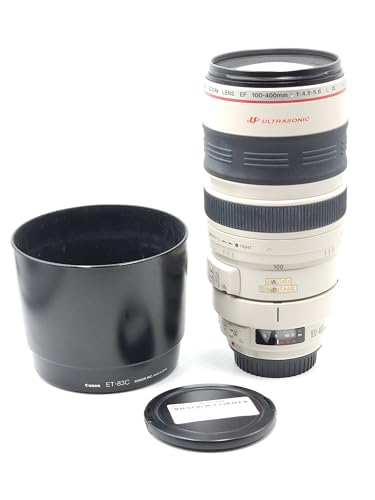
| 100-400mm | Wildlife and sports |
| 135mm | Wildlife, sports, portraits and weddings |
| 600+mm | Wildlife and sports |
Wrapping Up
A telephoto lens works much like a telescope. It pulls distant subjects into focus and renders them with detail that shorter lenses simply cannot match. These lenses have significantly longer focal lengths than standard camera lenses.
The two biggest advantages of a telephoto lens are the ability to capture far-off subjects without sacrificing sharpness and the way they render facial features in a flattering, proportional manner. If you are looking to add one lens to your kit that opens up new shooting possibilities, a telephoto lens is hard to beat.