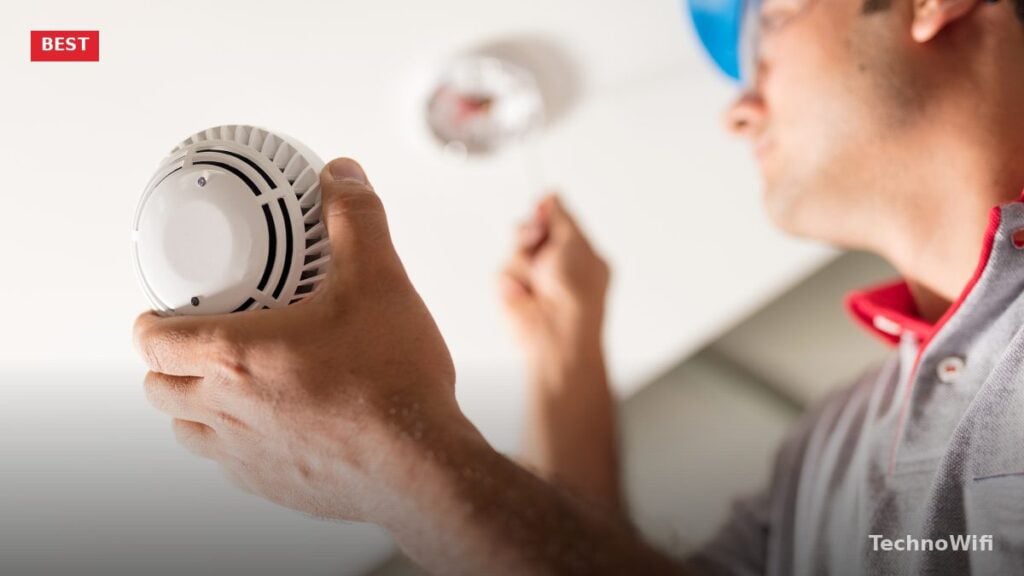
Why Choose a Smart Smoke Detector With Alexa Support?
A traditional smoke detector screams when it senses danger, and that is about it. A smart smoke detector for Alexa does more. It sends alerts to your phone, tells you which room triggered the alarm, identifies whether the threat is smoke or carbon monoxide, and lets you silence nuisance alarms from your phone instead of scrambling for a step stool. If you already have an Alexa-powered smart home, adding a compatible smoke detector ties your safety system into the same ecosystem you use for lights, locks, and routines.
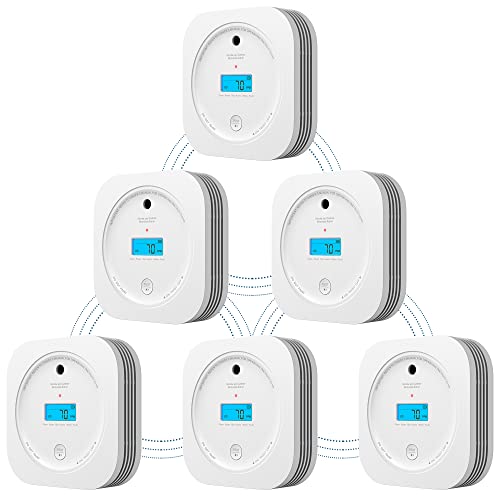
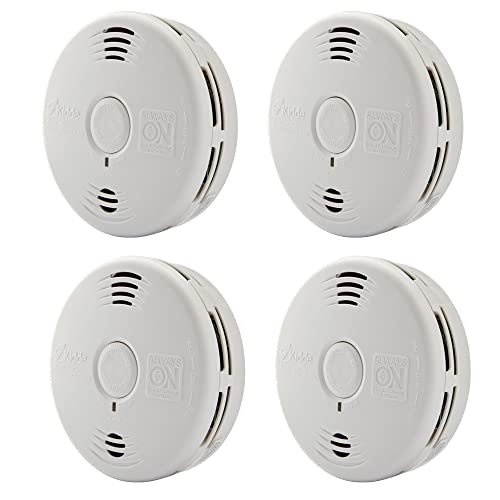
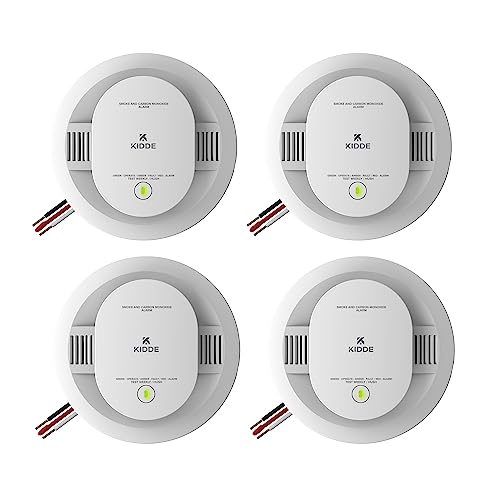
There are two approaches to getting Alexa-compatible smoke detection. You can install a dedicated smart smoke detector with built-in WiFi or Z-Wave connectivity, or you can add a listening device that monitors your existing detectors and sends alerts through Alexa when it hears an alarm. Both approaches work, and we have picks for each one below.
First Alert Z-Wave Smoke and Carbon Monoxide Alarm
Best budget-friendly combo unit
The First Alert Z-Wave combo alarm packs both smoke and carbon monoxide detection into a single affordable unit. It uses dual sensor technology: a photoelectric sensor for detecting smoldering fires and an electrochemical sensor for carbon monoxide. This combination covers the two most common household threats in one device.
The alarm connects to your smart home through Z-Wave Plus wireless protocol. To integrate it with Alexa, you need a Z-Wave compatible hub like the SmartThings hub or a similar Z-Wave controller. Once connected, the detector sends push notifications to your phone when it triggers, and you can check its status through Alexa voice commands. The 85-decibel siren is loud enough to alert everyone in the house.
Battery power means no hardwiring is needed, which makes installation simple. A tamper-proof battery compartment and a single test/silence button round out the practical features. If you need multiple detectors throughout your home, the First Alert Z-Wave’s lower price point makes it easy to buy several without breaking the budget.
Key specs
- Sensor type: Photoelectric (smoke) and electrochemical (CO)
- Carbon monoxide detection: Yes
- Smart platform: Alexa via Z-Wave Plus hub
- Power: Battery
- Alarm volume: 85 dB
- Dimensions: 3.66 x 6.75 x 8.5 inches
- Weight: 10.8 ounces
Onelink Smart Hardwired Smoke and Carbon Monoxide Alarm
Best feature-packed option
The Onelink Safe and Sound goes well beyond basic smoke detection. It has Alexa built directly into the unit, along with a 10-watt speaker that can play music, read audiobooks, and respond to voice commands. When the alarm is not warning you about smoke or carbon monoxide, it doubles as an Alexa smart speaker mounted on your ceiling.
Detection-wise, it uses both photoelectric and electrochemical sensors, and it provides spoken alerts that tell you the type of threat detected. This is more informative than a generic siren: knowing whether you are dealing with smoke or carbon monoxide changes how you respond.
We also cover how to set up Amazon Alexa in a separate article worth checking out.
The Safe and Sound is also compatible with Apple HomeKit and AirPlay 2, which makes it a good fit for households that use both Apple and Amazon ecosystems. The catch is that it requires hardwired installation, connecting to existing smoke detector wiring in your ceiling. If your home already has hardwired detectors, swapping in the Onelink is straightforward. If not, you may need an electrician. The ceiling-mounted position also means the Alexa speaker is not always in the ideal spot for hearing your voice commands, though it works fine for casual use.
Key specs
- Sensor type: Photoelectric (smoke) and electrochemical (CO)
- Carbon monoxide detection: Yes
- Smart platform: Alexa (built-in), Apple HomeKit
- Power: Hardwired with battery backup
- Alarm volume: 85 dB
- Dimensions: 7 x 7 x 2 inches
- Weight: 28.2 ounces
Onelink Smoke Detector and Carbon Monoxide Detector
Best for Apple and Alexa households
The second-generation Onelink Smart Smoke and Carbon Monoxide Alarm is available in both battery-powered and hardwired versions, giving you flexibility based on your home’s setup. It detects smoke using a photoelectric sensor, which is especially effective at catching slow, smoldering fires before they fully ignite.
When the alarm triggers, it announces the type of threat and the room where the danger was detected. This spoken alert is far more useful than a blaring siren, especially in a larger home where you need to know immediately which area needs attention.
The detector works with both Amazon Alexa and Apple HomeKit. You can ask Alexa or Siri for a status check on your smoke detector at any time. Compared to the Onelink Safe and Sound above, this model skips the built-in speaker and music features. It is a dedicated safety device, not a hybrid smart speaker. That simplicity is actually a selling point if you already have Echo speakers in every room and just want a reliable connected detector.
Key specs
- Sensor type: Photoelectric
- Carbon monoxide detection: Yes
- Smart platform: Alexa, Apple HomeKit
- Power: Battery or hardwired (model dependent)
- Alarm volume: 85 dB
- Dimensions: 5.88 x 5.88 x 1.57 inches
- Weight: 12 ounces
Ring Alarm Smoke and CO Listener
Best add-on for existing detectors
The Ring Alarm Smoke and CO Listener takes a different approach than the other picks on this list. It is not a smoke detector itself. Instead, it listens for the sound of your existing smoke or carbon monoxide detectors going off and sends you an alert through the Ring app and Alexa. This is a smart solution if you already have working detectors throughout your home and do not want to replace them all.
Setup is simple. Mount one of these listeners near each of your existing smoke or CO detectors. When the listener picks up an alarm sound, it sends a notification to your phone via the Ring app. If you have Ring’s professional monitoring service, the monitoring center is also alerted. Integration with Alexa means your Echo devices can announce alerts throughout the house.
If you are still exploring options, our smart bulbs for Alexa guide is a solid next read.
At around $35 per unit, the Ring Listener is the most affordable way to add smart smoke detection to an Alexa ecosystem. It works best as part of a broader Ring security setup, since it requires the Ring Alarm base station to function. If you have already invested in Ring’s doorbell, cameras, or security sensors, adding smoke and CO listeners is a natural extension. If you do not have a Ring system, the upfront cost of the base station adds to the total investment.
Key specs
- Sensor type: Acoustic (listens for existing alarms)
- Carbon monoxide detection: Yes (via existing CO detectors)
- Smart platform: Alexa, Ring app
- Power: Battery
- Alarm volume: Works with existing detectors
- Dimensions: 2.95 x 2.95 x 1.06 inches
- Weight: 4 ounces
How to Choose the Right Smart Smoke Detector for Alexa
Decide between a new detector or an add-on listener
If your existing smoke detectors are outdated or nearing the end of their lifespan (most last 8 to 10 years), replacing them with smart models like the First Alert or Onelink makes sense. If your current detectors are still in good shape, the Ring Listener lets you add smart alerts without replacing any hardware.
Check your home’s wiring
Hardwired detectors connect to your home’s electrical system and typically include battery backup for power outages. Battery-only models are easier to install but require periodic battery changes. If your home already has hardwired detector wiring, a hardwired smart detector is the most convenient upgrade. If not, choose a battery-powered model to avoid running new wires.
Consider hub requirements
The First Alert Z-Wave detector requires a Z-Wave hub to connect to Alexa. The Ring Listener requires a Ring Alarm base station. The Onelink models connect directly over WiFi with no extra hub needed. Factor in the cost of any required hub if you do not already own one.
Think about dual-ecosystem support
If your household uses both Alexa and Apple HomeKit, the Onelink detectors work with both platforms. The First Alert and Ring options are Alexa-focused. Choose based on which voice assistants and apps your household actually uses.
Frequently Asked Questions
Can Alexa detect smoke on its own?
Amazon Echo devices have a feature called Alexa Guard that can listen for the sound of smoke alarms. However, it is not a replacement for a dedicated smoke detector. It works similarly to the Ring Listener, detecting the sound of an existing alarm and sending you a notification. For actual smoke and CO detection, you still need dedicated detectors.
Do smart smoke detectors work during a WiFi outage?
Yes. All the detectors on this list will still sound their local alarm if they detect smoke or carbon monoxide, regardless of WiFi status. You lose the remote notification and Alexa integration during an outage, but the core safety function continues to work. Battery-powered models also keep working during power outages.
How often should smoke detectors be replaced?
For entry security, check our best smart deadbolt locks.
Not sure which smart home platform fits your setup? See our Google Home vs Alexa breakdown for a side-by-side look.
Most smoke detectors should be replaced every 8 to 10 years, regardless of whether they are smart or traditional. The sensors degrade over time and become less reliable. Check the manufacturing date printed on the back of your detector. Carbon monoxide detectors typically have a shorter lifespan of 5 to 7 years.