Android 12: What Made It a Major Update
Android 12 arrived in October 2021 as one of the biggest visual overhauls in Android history. Google introduced a new design language called Material You, rethought the privacy model, and added performance improvements across the board. For Samsung users, Android 12 came bundled with One UI 4, which layered Samsung’s own features on top of Google’s foundation.
Years later, Android 12’s influence is still visible in how Android looks and works today. Here is a look at the features that defined the release and why they still matter.
Material You Design Language
The headline feature of Android 12 was Material You, Google’s take on personalized design. The system pulled colors from your wallpaper and applied them across the interface, including the notification shade, quick settings, lock screen, and even compatible apps. This color-extraction system (called “monet” internally) meant that no two phones looked exactly the same.
Material You also brought larger, rounder buttons, redesigned widgets, and a softer visual style compared to the sharp edges of earlier Android versions. Google updated its first-party apps (Clock, Calculator, Messages, and others) with the new design language shortly after launch.
How Samsung Adapted Material You with One UI 4
Samsung’s One UI 4, built on Android 12, incorporated the color theming system but kept Samsung’s own design identity. Galaxy users could pick from a broader set of color palettes, and Samsung extended the theming to its proprietary apps and the icon pack. The result was a blend of Google’s personalization engine and Samsung’s more opinionated design choices.
One UI 4 also added redesigned widgets, updated the home screen editor, and introduced new stickers, emojis, and GIF options in Samsung Keyboard.
Looking for more? We have a dedicated guide on Samsung Galaxy phones.
Privacy Dashboard and Indicators
Android 12 introduced a dedicated privacy dashboard that showed which apps had accessed your camera, microphone, and location over the past 24 hours. This was a significant step toward transparency, giving users a clear timeline of app behavior.
Along with the dashboard, Android 12 added green indicator dots in the status bar. Whenever an app accessed your camera or microphone, a small dot appeared in the top-right corner of the screen. Tapping it revealed which app was responsible, and you could revoke permissions immediately.
Samsung expanded on this in One UI 4 by integrating the privacy dashboard into its own settings layout and making permission management easier to find.
Approximate Location Permissions
Before Android 12, apps requesting location access got your precise GPS coordinates. Android 12 added an “approximate location” option, which gave apps a general area (roughly a 3 km radius) instead of a pinpoint. This was useful for weather apps, news apps, and other services that did not need exact coordinates.
Performance and Under-the-Hood Changes
Google optimized CPU usage in Android 12, claiming a 22% reduction in CPU time for core system services. This translated to better battery life and faster app launches on supported hardware. The system also reduced the power used by foreground services, which helped with background tasks like music playback and navigation.
For developers, Android 12 introduced new app splash screens (a standardized launch animation for every app), improved haptic feedback APIs, and better support for high-refresh-rate displays.
We also cover how to set up WiFi router without computer in a separate article worth checking out.
Quick Settings and Notification Redesign
The notification shade received a complete visual overhaul. Quick settings tiles became larger and more touch-friendly, with rounded shapes that matched the Material You aesthetic. The brightness slider was bigger, and the entire panel felt more spacious.
Notifications themselves gained a subtle visual refresh, with slightly rounded corners and better grouping for conversation-style messages. Google also introduced a “snooze” improvement that made it easier to temporarily dismiss notifications and bring them back later.
Which Samsung Devices Received Android 12
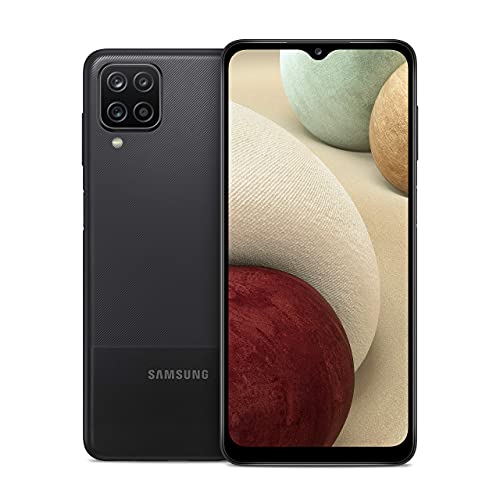
Samsung rolled out Android 12 with One UI 4 starting in late 2021, beginning with the Galaxy S21 series. Over the following months, the update reached a wide range of devices.
- Galaxy S21, S21+, S21 Ultra (first to receive it)
- Galaxy Z Fold3 5G, Z Flip3 5G
- Galaxy S20 series and Note 20 series
- Galaxy Z Fold2 and Z Flip 5G
- Galaxy Note10 and Note10+
- Galaxy S10 series
- Galaxy A52s 5G, A42 5G, A51 5G, and other mid-range A-series models
- Galaxy Tab S7 and Tab S7+
Samsung’s update timeline was one of the fastest among Android manufacturers at the time, and the company has continued to improve its update speed with later Android releases.
Android 12’s Lasting Impact
Many of Android 12’s features became permanent parts of the Android experience. Material You evolved with Android 13 and later versions, expanding color theming to more system elements. The privacy dashboard remained and gained additional tracking categories. The quick settings redesign set the template that later versions refined.
For Samsung users specifically, One UI 4 marked the start of Samsung’s commitment to faster, more feature-rich Android updates. The company later extended its update promise to four years of OS upgrades and five years of security patches for flagship devices.
If you are running a device that originally shipped with Android 12 and want to check for newer updates, go to Settings, then Software Update, and tap “Download and install.”