How to Set Up a Wifi Router Without a Computer – Overview
Setting up a Wi-Fi router doesn’t always require a computer or laptop. You can get this done with just a smartphone or tablet.
While the setup process for most routers follows a similar protocol, it might feel tricky without a computer, especially if you’re not tech-inclined. Thankfully, modern routers in 2026 are designed with mobile setup in mind. Most major brands, including Netgear, TP-Link, and ASUS, now offer dedicated smartphone apps that walk you through the entire process step by step.
For certain steps, such as resetting your router, you’ll need a needle, pen, or any small pointed object. Installing a Wi-Fi discovery app on your smart device can also speed up the router setup process.
Recommended Methods on How to Set Up a Wi-Fi Router Without a Computer
For Android Devices
Before starting the Wi-Fi router setup, make sure your smartphone or tablet is fully charged to prevent it from shutting down midway through the process.
Turn on the Wi-Fi router and wait for it to boot up fully. This usually takes about 60 to 90 seconds. You’ll know it’s ready when the indicator lights stabilize. Then, navigate to the Wi-Fi settings on your smart device, enable Wi-Fi, and connect to the router’s network.
For more on this, take a look at our how to connect Netgear WiFi extender to router guide.
You will find the router’s name (SSID) displayed along with connection options. The Wi-Fi password is usually found on the router’s back panel, or you can obtain it from your Internet Service Provider (ISP). Look for a sticker on the bottom or side of the router. It typically lists the default SSID and password.
To connect to the network, enter the password. Then, launch a web browser on your smart device and enter the router’s IP address, which is typically “http://192.168.1.1” or “http://192.168.0.1.”
The IP address might also be provided on the router’s back panel. If you encounter issues, a Wi-Fi discovery app can help you identify available networks, their SSIDs, and IP addresses. Popular options on the Google Play Store include WiFi Analyzer and Fing.
To access the router’s settings, use the default login credentials, often ‘admin’ for the username and ‘password’ for the password (or another password as indicated on the router’s back panel). Once logged in, you’ll see the router’s management dashboard where you can configure your network settings. Your Wi-Fi router is now operational without a computer.
For iOS Devices
The method for setting up a Wi-Fi router on iOS devices mirrors that for Android, with the main difference being the settings user interface. If you have experience with both Android and iOS devices, you’re likely familiar with these variations.
On a similar note, our modem router combo article has more practical tips.
Go to Settings, tap Wi-Fi, and browse the list of available Wi-Fi networks and their SSIDs. If your router is listed, follow the same steps described for Android devices.
If you have trouble finding the Wi-Fi SSID or ISP, a Wi-Fi discovery app may be necessary. Since app availability differs between Google Play and the App Store, select an appropriate Wi-Fi discovery app for your device.
Repeat the connection procedure described for Android devices after locating the network SSID, ISP, and password. The process is essentially the same once you’re connected to the router’s network.
Changing Your Network Name and Password
Once you’re logged into your router’s admin panel, one of the first things you should do is change the default network name and password. The default SSID often includes the router’s brand name, which tells anyone nearby exactly what hardware you’re using. That can be a security risk.
Pick a network name that’s easy for you to recognize but doesn’t include personal information like your name, address, or apartment number. For the password, use a mix of uppercase and lowercase letters, numbers, and special characters. Aim for at least 12 characters.
Most routers let you change these settings under a “Wireless” or “Wi-Fi Settings” tab in the admin panel. After saving the changes, your devices will disconnect from the old network. Just reconnect using the new credentials.
Optimizing Your Router Placement
Where you put your router has a big impact on Wi-Fi performance. Place it in a central location in your home, ideally on a shelf or mounted on a wall at about chest height. Keeping the router up high and away from walls and metal objects helps the signal reach more of your living space.
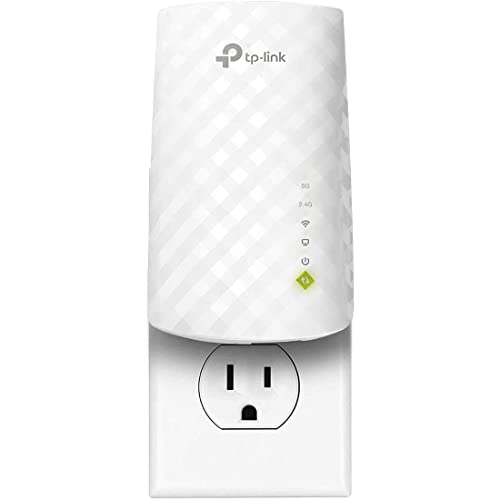
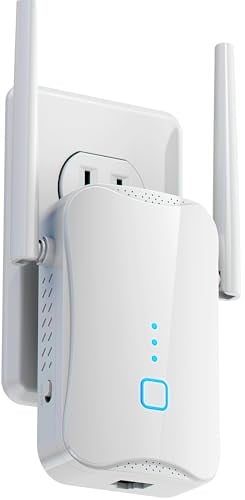
Avoid placing the router near microwaves, baby monitors, or cordless phones. These devices operate on similar frequencies and can cause interference that slows down your connection. If you live in a larger home or a multi-story building, consider adding a Wi-Fi extender or mesh system to fill in dead spots.
In 2026, most new routers support both 2.4 GHz and 5 GHz bands. The 2.4 GHz band covers a wider area but is slower. The 5 GHz band is faster but has a shorter range. For the best results, connect devices that need speed (like streaming sticks and gaming consoles) to the 5 GHz band, and put devices that just need a stable connection (like smart home sensors) on 2.4 GHz.
Troubleshooting Common Setup Problems
If your phone won’t connect to the router’s network, try moving closer to the router. Walls and furniture can weaken the signal, especially during initial setup when the router might be using low power settings.
Can’t reach the router’s admin page? Double-check the IP address. Some routers use 192.168.1.1, while others use 192.168.0.1 or even 10.0.0.1. You can usually find the correct address printed on the router itself.
If the default login credentials don’t work, someone may have changed them previously. In that case, you’ll need to perform a factory reset. Press and hold the Reset button on the back of the router for about 30 seconds using a paperclip or pin. The router will restart with its original factory settings.
After a reset, keep in mind that all previously stored configurations will be deleted. You’ll need to set up the network from scratch, including your custom SSID, password, and any other settings you had configured.
If the internet works on your phone but not on other devices, check that those devices are using the correct password and are connecting to the right band (2.4 GHz vs 5 GHz). Some older devices can only connect to 2.4 GHz networks.
Security Tips After Setup
After your router is up and running, take a few minutes to lock down the security settings. Switch the encryption type to WPA3 if your router supports it. WPA3 is the newest standard in 2026 and offers better protection than older options like WPA2 or WEP.
Turn off WPS (Wi-Fi Protected Setup) unless you actively use it. WPS can be a security weak point because its PIN-based connection method is easier to crack than a strong password.
Check for firmware updates through the router’s admin panel. Manufacturers regularly release updates that fix security holes and improve performance. Many routers in 2026 can update automatically, but it’s good to confirm that feature is turned on.
If you want to limit who can access your network, you can set up MAC address filtering. This lets you create a whitelist of approved devices. Only devices whose MAC addresses are on the list will be allowed to connect.
Contacting the router manufacturer’s customer support is recommended for unresolved setup issues.
The Bottom Line for How to Set Up a Wi-Fi Router Without a Computer
The setup process is straightforward, and it’s something anyone can handle with a smartphone or tablet. The key is having your credentials ready and following the steps in order. Whether you’re on Android or iOS, the process is nearly identical once you connect to the router’s network and open the admin panel.
Keeping all necessary credentials and information within reach can speed up the process. Write down your new network name and password somewhere safe so you don’t forget them after changing the defaults.
Getting the most out of your WiFi also depends on your internet plan. Check which providers and speeds are available at your address.
How we verify what we publishLast checked October 10, 2026Report an error