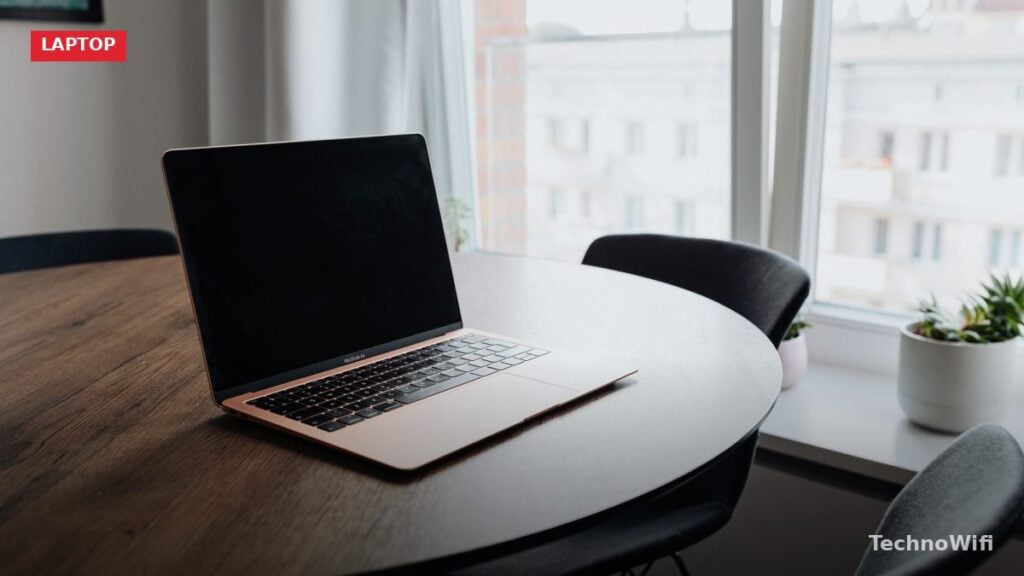
The 14-Inch MacBook Pro: A Look Back and Where It Stands in 2026
Back in early 2021, the tech world was buzzing about Apple’s next move. The company had just launched its M1 chip in the 13-inch MacBook Pro, and everyone wanted to know what was coming next. A 14-inch MacBook Pro was the rumor on everyone’s lips. Fast forward to October 2021, and Apple delivered exactly that, revealing the 14-inch MacBook Pro alongside the M1 Pro and M1 Max chips at a special event.
That launch turned out to be one of Apple’s most well-received in years. The 14-inch MacBook Pro didn’t just get a bigger screen. It represented a full rethinking of what a pro laptop should be. And since then, Apple has continued refining the formula with multiple generations of updates.
How the 14-Inch MacBook Pro Actually Launched
The original release was delayed several times. COVID-related supply chain issues, component shortages, and the shift to mini-LED display technology all played a role in pushing the launch from late 2020 into the fall of 2021. It finally arrived in October of that year, skipping the WWDC window that many had predicted.
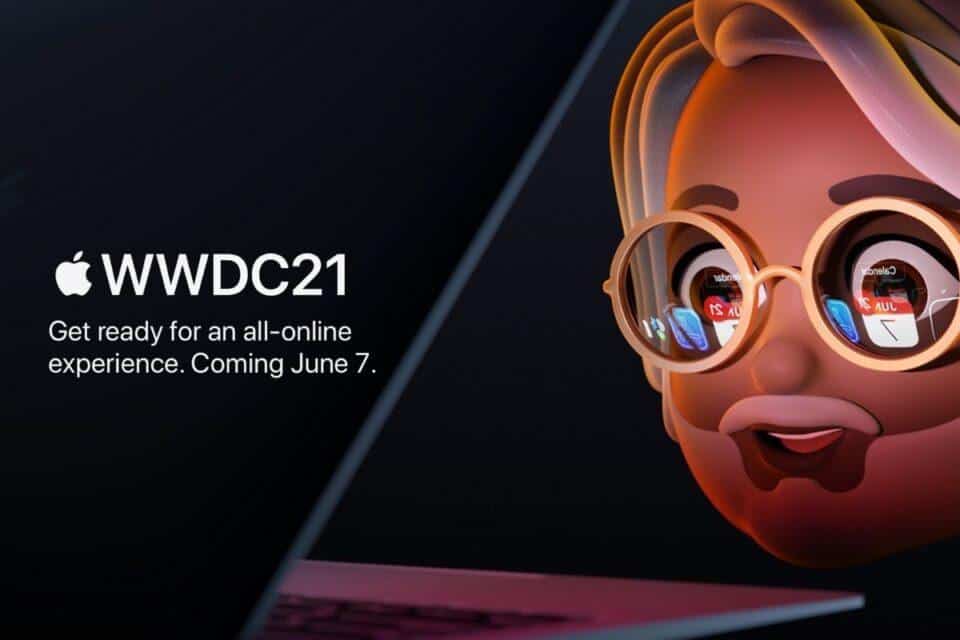
When it did arrive, the 14-inch MacBook Pro checked nearly every box on the rumor list. Apple brought back MagSafe charging, dropped the Touch Bar in favor of physical function keys, and added an SD card slot along with an HDMI port. The mini-LED display (Apple branded it “Liquid Retina XDR”) delivered stunning brightness and contrast. Leaker Ming-Chi Kuo had been right about most of it.
What Made It Special (and What’s Changed Since)
The first-generation 14-inch MacBook Pro was a genuine turning point for Apple’s laptop lineup. It featured a notched display design (borrowing from the iPhone), thinner bezels than its predecessor, and raw performance that left Intel-based MacBooks in the dust.
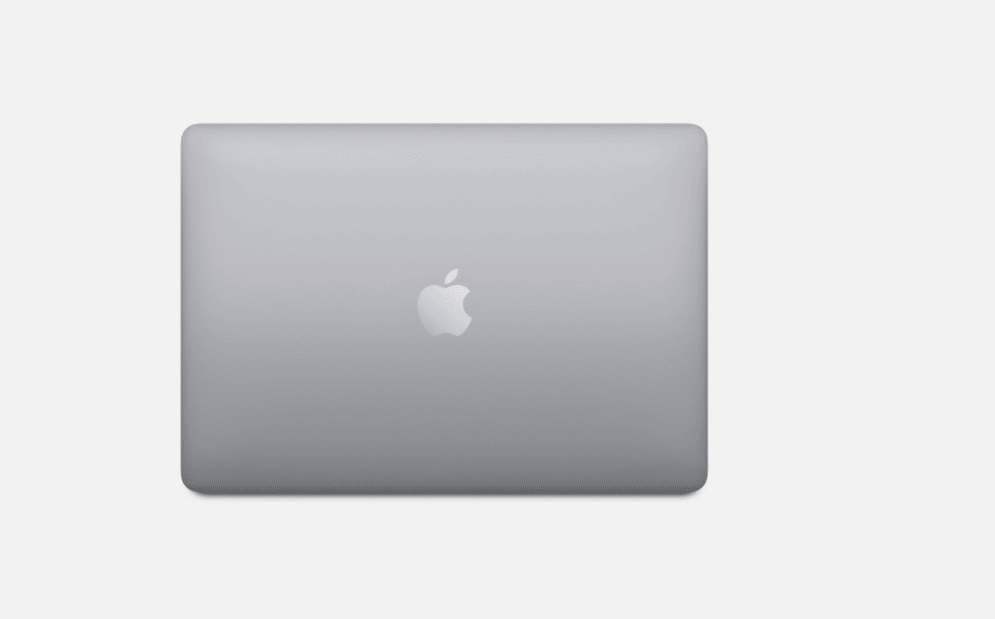
Since that 2021 debut, Apple has updated the 14-inch MacBook Pro several times. The M2 Pro and M2 Max arrived in early 2023, followed by the M3 Pro and M3 Max later that same year. Each generation brought improved performance, better battery life, and refinements to the thermal design that keeps these machines running cool under heavy workloads. The M4 Pro and M4 Max models landed in late 2024, pushing things even further with enhanced machine learning capabilities and support for Apple Intelligence features.
The thermal system Apple uses in the 14-inch model distributes heat effectively through internal heat pipes, giving the processor room to sustain high performance without throttling. It’s one of those under-the-hood details that makes a real difference during long rendering sessions or heavy multitasking.
Is the 14-Inch MacBook Pro Still Worth It in 2026?
Absolutely. The 14-inch MacBook Pro remains one of the best laptops you can buy for creative work, software development, and general pro-level tasks. Even older M1 Pro and M1 Max models from 2021 still hold up well for most users, which says a lot about how strong that initial release was.
If you’re a student working within a tighter budget, the 14-inch MacBook Pro might be more machine (and more money) than you need. You might want to check out these best apple laptops for college students for options that won’t break the bank.
The display quality, build construction, port selection, and Apple Silicon performance make the 14-inch MacBook Pro a laptop that ages gracefully. Whether you’re buying the latest model or picking up a previous generation at a discount, it’s a solid investment.
How we verify what we publishLast checked October 10, 2026Report an error