Best Smart TV Brands in 2026: Which One Deserves Your Money?
With so many television manufacturers competing for your attention, picking among the best smart TV brands in 2026 can feel like choosing a favorite child, they all have something going for them. But each brand has distinct strengths, weaknesses, and price positioning that make them better suited for different buyers.
![[10 Pack] Anderic RR1003 Smart TV 1-Device Universal Waterproof with Easy Wipe Membrane Surface - Works All TV Brands - Hospitality](https://www.technowifi.com/wp-content/uploads/2026/08/10-pack-anderic-rr1003-smart-tv-1-device-universal-waterproof-with-easy-wipe.jpg)
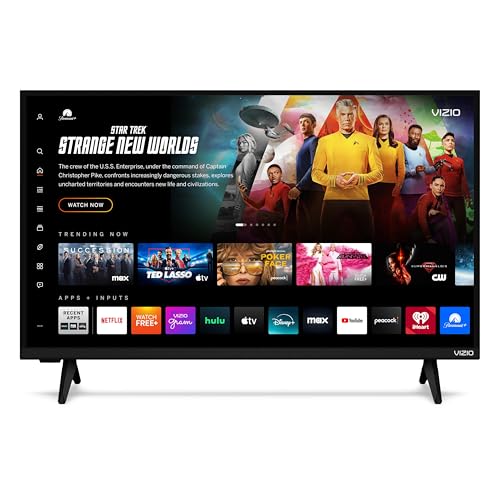
We’ve ranked the top six smart TV brands based on picture quality, smart features, reliability, and overall value. Here’s where each one stands this year.
1. Samsung: Best Smart TV Brand for Innovation
Samsung dominates the global TV market for good reason. The company leads in display technology innovation, from its Neo QLED Mini-LED panels to its QD-OLED lineup. Samsung TVs consistently deliver high brightness, vivid colors, and excellent build quality across every price tier.
What Samsung Does Best
Brightness is Samsung’s calling card. Its Neo QLED models push peak brightness levels that eclipse most competitors, making them ideal for bright living rooms. The Tizen Smart TV platform is smooth, well-supported, and includes Samsung TV Plus for free ad-supported streaming.
Samsung’s gaming features are also industry-leading. The Gaming Hub provides cloud gaming access through Xbox Cloud Gaming and NVIDIA GeForce NOW without a console. Most mid-range and premium Samsung TVs offer 4K 120Hz, VRR, and Game Motion Plus for smooth gameplay.
Where Samsung Falls Short
Samsung TVs tend to oversaturate colors out of the box, you may need to adjust picture settings for the most natural image. Budget Samsung models (Crystal UHD series) can feel like a significant step down from the premium lineup. The company also doesn’t support Dolby Vision, opting instead for the less widely adopted HDR10+ format.
Price Range
Samsung covers every budget, from sub-$300 entry-level sets to $3,000+ flagships. The sweet spot for most buyers is the QN85B or QN90B Neo QLED series in the $1,000-$1,800 range.
2. LG: Best Smart TV Brand for OLED
LG is synonymous with OLED technology. The company manufactures the OLED panels used by Sony and others, and its own OLED TVs, the C4, G4, and flagship M4, are widely considered the best in the business for movie watching and gaming.
What LG Does Best
Perfect blacks, infinite contrast, and wide viewing angles make LG OLEDs the preferred choice for home theater enthusiasts. The webOS smart platform is intuitive and app-rich. LG’s Magic Remote with point-and-click navigation is genuinely more convenient than a standard remote.
LG also excels at gaming support. The C4 OLED is often called the best gaming TV at any price, four HDMI 2.1 ports, sub-10ms input lag, and G-Sync/FreeSync support make it a console and PC gamer’s dream.
Where LG Falls Short
LG’s non-OLED TVs (the QNED and NanoCell lines) are significantly less impressive and don’t compete well against Samsung or TCL at similar prices. LG’s value proposition really only kicks in at the OLED level. Brightness, while improving yearly, still trails the best LED and Mini-LED sets in direct sunlight situations.
Price Range
LG OLED TVs start around $1,100 for the 48-inch C4 and climb to $4,000+ for the 83-inch G4. Budget LG models start under $400 but aren’t where the brand shines.
3. Sony: Best Smart TV Brand for Picture Processing
Sony TVs may not lead in raw specs, but their picture processing is unmatched. The Cognitive Processor XR analyzes content and applies adjustments that make images look remarkably natural and cinematic. If you care about how a picture looks rather than just what the specs say, Sony is worth the premium.
What Sony Does Best
Color accuracy and motion handling are Sony’s crown jewels. Skin tones look realistic, gradients are smooth, and motion, whether sports or action movies, is handled with minimal judder and no distracting artifacts. Sony’s Bravia lineup runs Google TV, providing access to the largest app ecosystem and excellent Chromecast integration.
Where Sony Falls Short
Sony TVs typically cost more than comparable Samsung or LG models with similar panels. The remote control and TV menus feel dated compared to Samsung and LG’s polished interfaces. And while Sony’s Google TV implementation is well-integrated, it occasionally suffers from sluggish performance on lower-end models.
Price Range
Sony’s lineup runs from about $500 for the X80L series to $3,500+ for the A95L QD-OLED. The X90L at $900-$2,200 represents the brand’s best value.
4. TCL: Best Budget Smart TV Brand
TCL has transformed from an unknown Chinese manufacturer into one of the best smart TV brands in the world by offering remarkable picture quality at aggressive prices. If you want the most TV for your money, TCL should be on your shortlist.
What TCL Does Best
Value is TCL’s defining strength. Models like the 6-Series offer Mini-LED backlighting, Dolby Vision, and 120Hz panels at prices that undercut Samsung and Sony by 30-50%. The partnership with Roku provides an intuitive, reliable smart TV platform. TCL also offers Google TV models for buyers who prefer that ecosystem.
Where TCL Falls Short
Build quality and industrial design don’t match premium brands, bezels are thicker, stands feel less sturdy, and the overall fit and finish reflects the lower price. Motion processing isn’t as refined as Sony’s, and viewing angles on LED models can be narrow. Customer support and software update timelines also lag behind the bigger brands.
Price Range
TCL’s full lineup ranges from under $200 for basic 4K sets to around $1,500 for top-tier Mini-LED models. The 5-Series and 6-Series, priced between $400 and $1,000, offer the best bang for the buck.
5. Hisense: Best Up-and-Coming Smart TV Brand
Hisense has rapidly closed the gap with established brands, particularly in the Mini-LED space. The company’s U7 and U8 series rival TVs costing significantly more, earning praise from reviewers and consumers alike.
What Hisense Does Best
Brightness is Hisense’s party trick. Its Mini-LED models achieve peak brightness levels that compete with Samsung’s Neo QLEDs at a fraction of the price. Local dimming performance has improved dramatically, and the gaming features (144Hz support on some models) are impressive for the price point.
Where Hisense Falls Short
Software is Hisense’s weakest link. The Google TV implementation can be slow, and some models suffer from inconsistent firmware updates. Color accuracy out of the box tends to require calibration. Brand perception also works against Hisense, some buyers remain skeptical of lesser-known names, even when the picture quality speaks for itself.
Price Range
Hisense ranges from $150 for basic models to about $1,500 for the top-tier U8 Mini-LED. The U7 and U8 series, priced between $500 and $1,200, represent the strongest competition for Samsung and Sony’s mid-range.
6. Vizio: Best Smart TV Brand for Streaming
Vizio has carved out a niche as the go-to brand for buyers who want solid picture quality, simple smart features, and competitive pricing. The company’s SmartCast platform is clean and straightforward, with free ad-supported content through WatchFree+.
What Vizio Does Best
Vizio’s M-Series and P-Series Quantum models offer good picture quality with full-array local dimming at lower prices than major competitors. The built-in Chromecast support works smoothly, and AirPlay 2 compatibility makes Vizio a good pick for Apple users on a budget.
Where Vizio Falls Short
Vizio’s smart platform has fewer apps than Google TV, Tizen, or Roku. The processing power in lower-end models can feel sluggish. Build quality is functional but not premium. And Vizio’s footprint is primarily North American, availability outside the US is limited.
Price Range
Vizio ranges from about $200 for basic models to $1,200 for the P-Series Quantum X. The M-Series Quantum at $400-$800 offers the best value.
How to Pick the Right Brand for You
Among the best smart TV brands, there’s no single winner, it depends on your priorities. Samsung and LG lead in technology and features. Sony wins on picture processing and cinematic quality. TCL and Hisense deliver outstanding value. Vizio keeps things simple and affordable.
Think about what matters most: raw brightness for a sunny room, perfect blacks for movie nights, gaming performance, smart platform preference, or just getting the biggest screen for the least money. Match that priority to the brand that excels at it, and you’ll end up with a TV you love.