How to Connect Canon Camera to iPhone
If you’re wondering how to connect Canon camera to iPhone, the good news is it’s a pretty straightforward process. Whether you want to transfer photos on the go, post to social media right after a shoot, or control your camera remotely from your phone, there are a couple of reliable ways to make the connection work.
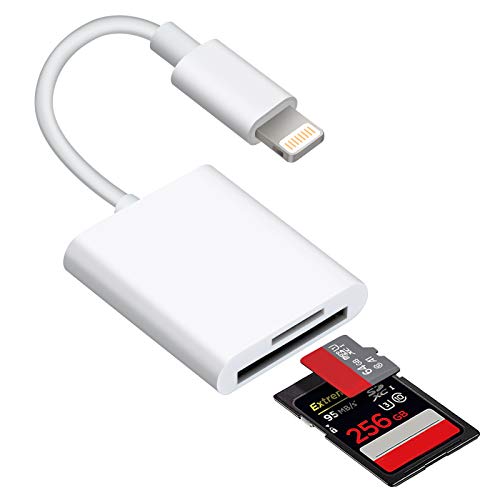
The quickest and most reliable method is using Apple’s Lightning to USB camera adapter (or USB-C adapter for newer iPhones running iOS 18 or later in 2026) for a direct wired connection. But if you’d rather go wireless, Canon’s Camera Connect app handles the job over Bluetooth and WiFi. It’s free to download on both iOS and Android.
Just keep in mind that not every Canon camera supports the app. Compatible models include the EOS M2, EOS 6D, EOS 70D, EOS R series, and most Powershot point-and-shoot cameras. Check Canon’s compatibility list on their website if you’re unsure whether your specific model works with Camera Connect.
Once connected through the app, you can download photos from your camera to your iPhone and even use your phone as a remote control for shooting.
What You Need Before Getting Started
Before you begin the pairing process, make sure you have a few things ready:
- A Canon camera with built-in WiFi and Bluetooth (check your camera’s specs if you’re not sure)
- An iPhone running iOS 14 or later (most iPhones sold in 2026 run iOS 18 or newer)
- The Canon Camera Connect app installed from the Apple App Store
- A fully charged battery in your camera (the WiFi connection drains power faster than normal)
- Bluetooth and WiFi turned on for both devices
If your Canon camera doesn’t have built-in WiFi, you’ll need to use the wired adapter method described later in this guide.
Step-by-Step: Connect Canon Camera to iPhone via the App
On Your iPhone
- Download the Canon Camera Connect app from the Apple App Store and install it.
- Open the app to start configuring the WiFi and Bluetooth connection.
- The app will ask for permission to send notifications, access your photos, and use your GPS location. Tap “Allow” for each prompt.
- Make sure Bluetooth is turned on in your iPhone’s settings.
On Your Canon Camera
- Turn on your camera and press the Menu button.
- Navigate to the Function Settings menu (the one with the wrench/spanner icon).
- Tap on “Wireless communication settings” to enable Bluetooth and Wi-Fi on the camera.
- Go to the “Nickname” menu to set a name for your camera. This is how it will appear on your iPhone. Press “MENU ok” to confirm.
- Head to the “Bluetooth function” menu and select “Smartphone.”
- Tap “Pairing” to start the pairing process.
- The screen will show a message asking if you want to display a QR code to download Camera Connect. Select “Do not display” since you’ve already downloaded the app.
Completing the Bluetooth Pairing
- Switch back to your iPhone and make sure the Canon Camera Connect app is open.
- Your iPhone should detect the camera’s Bluetooth signal within a few seconds.
- Accept the Bluetooth pairing request by tapping “Pair.”
- Approve the connection on your camera as well.
Both devices will confirm the connection is established. Now you need to set up the WiFi link between the two.
Setting Up the WiFi Connection
- On your camera, go back to the wireless settings menu and tap “WiFi,” then “Enable.”
- In the Canon Camera Connect app on your phone, tap “Images on camera.”
- The camera creates a secure, password-protected WiFi network.
- Tap the “Copy Password” button in the app.
- Open your iPhone’s Settings, go to WiFi, find your camera’s network name, and paste the password.
- Tap “Join.”
- Your camera’s screen will confirm the WiFi connection is active.
What You Can Do Once Connected
With the connection established, open the Canon Camera Connect app again. You’ll see all the photos stored on your camera’s memory card. You can browse, select, and download them to your iPhone. This makes it easy to share your best shots on Instagram, email them to a client, or back them up to iCloud right from the field.
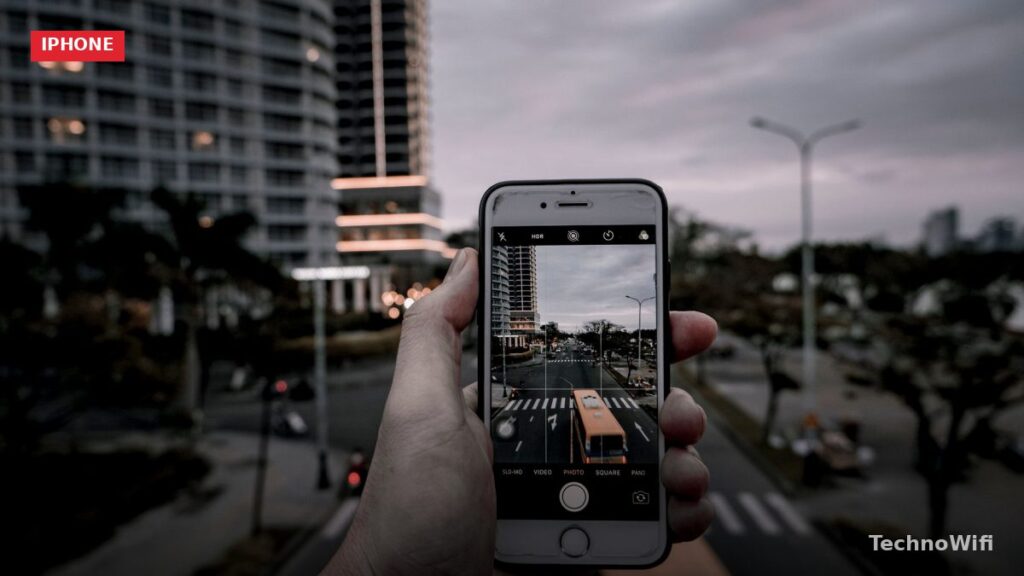
To shoot remotely using your iPhone as a viewfinder, go to the main menu of the app and tap the “Remote live view shooting” button. This switches the camera to Live View. Any photos you take through the app will automatically save to your iPhone. Remote shooting is particularly useful for group photos where you want to be in the frame, wildlife photography where you need distance from the camera, or long exposure shots where touching the camera would cause shake.
You can also adjust settings like aperture, shutter speed, and ISO from within the app, giving you full control without physically touching the camera body.
Common Connection Issues and How to Fix Them
If you’re having trouble getting the connection to work, try these fixes:
- Camera not showing up in the app: Make sure Bluetooth is enabled on both your camera and iPhone. Restart both devices and try again.
- WiFi connection drops frequently: Stay within 30 feet of the camera. Walls, metal objects, and other WiFi networks can cause interference.
- App shows “Cannot connect to camera”: Go to your iPhone’s WiFi settings and forget the camera’s network. Then repeat the WiFi setup process from scratch.
- Slow photo transfers: Large RAW files take longer to transfer over WiFi. If speed matters, transfer JPEGs instead or use the wired adapter method.
- Pairing fails after a firmware update: Delete the camera from the app’s device list, clear the Bluetooth pairing on both devices, and start the entire process over.
Wired Connection: Using a Lightning or USB-C Adapter
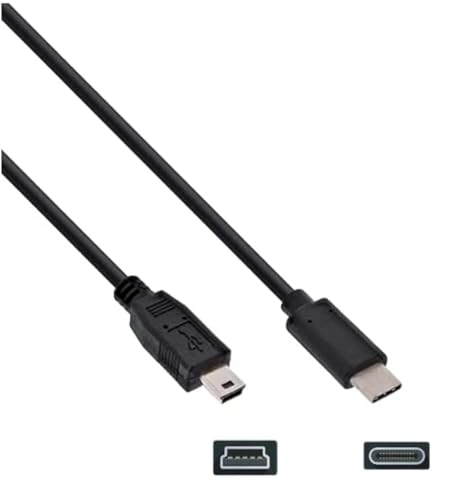
If your Canon camera doesn’t have WiFi, or if you just prefer a faster, more stable connection, you can connect directly with a cable. For iPhones with a Lightning port, use Apple’s Lightning to USB Camera Adapter. For iPhone 15 and newer models with USB-C, a standard USB-C cable or USB-C to USB-A adapter works.
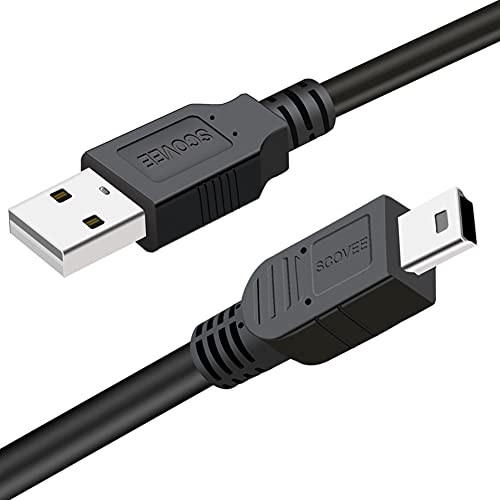
Plug the adapter into your iPhone, then connect your camera’s USB cable to the adapter. Your iPhone should recognize the camera within a few seconds and open the Photos app automatically. From there, you can select and import photos directly.
The wired method is faster than WiFi for large transfers and doesn’t drain your camera’s battery as quickly. It’s also more reliable in areas with heavy WiFi congestion, like trade shows or crowded events.
Disconnecting
To switch from WiFi back to low-energy Bluetooth (which saves battery on both devices), go to the main screen of the app and tap the small X next to the camera icon. This closes the WiFi connection. The Bluetooth link will stay active for a short time afterward.
The whole setup process takes about 10 to 15 minutes the first time. After that, reconnecting is much faster since both devices remember the pairing. In most cases, you just open the app and tap your camera’s name to reconnect in under a minute.