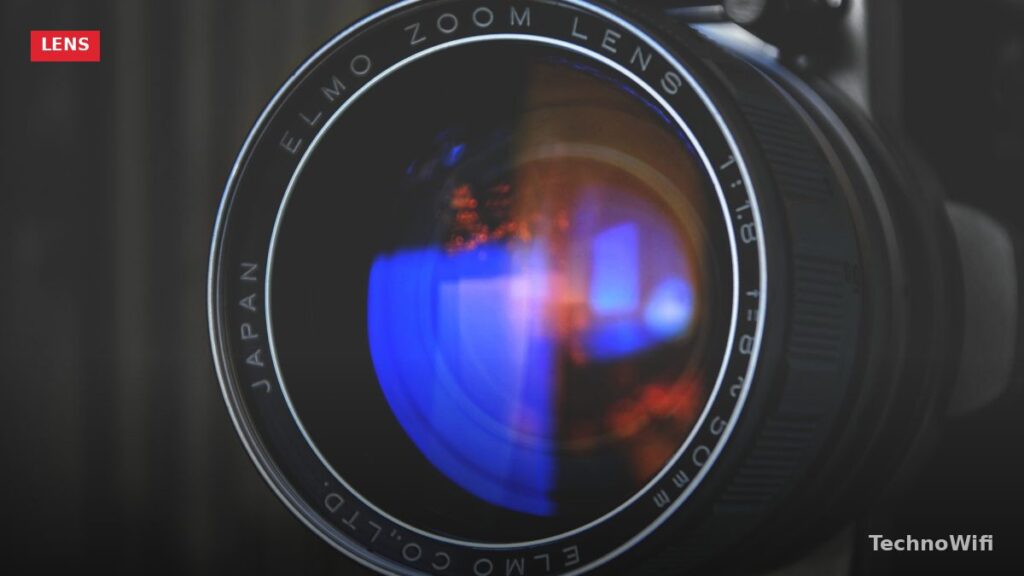
If you have spent any time shopping for camera lenses, you have probably seen the terms “telephoto” and “zoom” used interchangeably. That is a common mistake, and it leads to confusion when you are trying to pick the right glass for a specific type of photography. Telephoto lens vs zoom lens is one of the most searched comparisons among new and intermediate photographers, and understanding the actual difference will save you money and help you make better buying decisions.
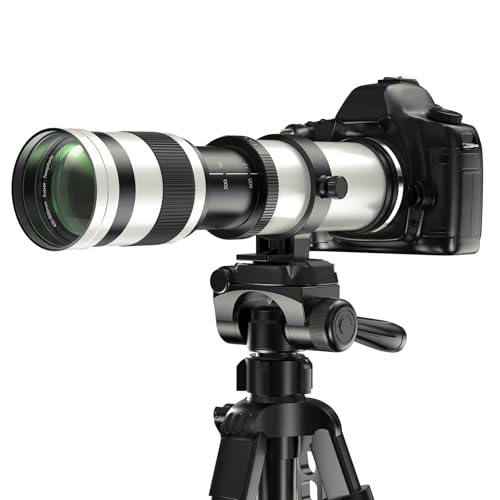
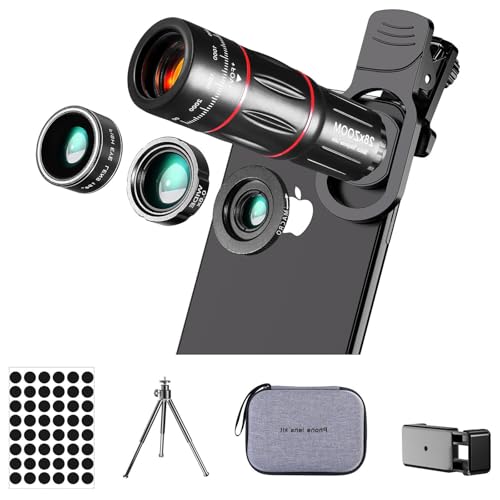
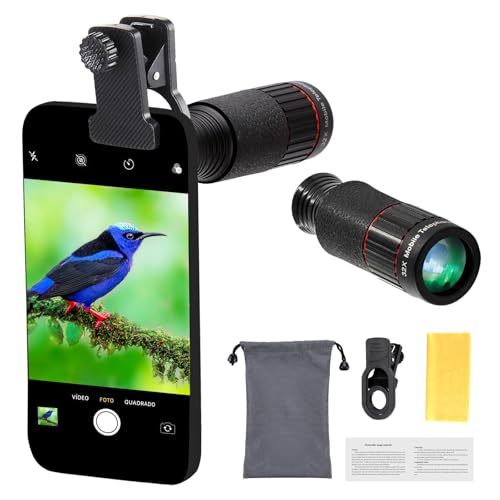
In short, “telephoto” describes a lens’s focal length (long reach), while “zoom” describes a lens’s ability to change focal lengths. A lens can be both telephoto and zoom at the same time (like a 70-200mm), or it can be one but not the other. This article breaks down each type, lists the most common variants, and explains when to use which.
What Is a Telephoto Lens?
A telephoto lens is any lens with a focal length longer than roughly 70mm on a full-frame camera. The defining characteristic is reach: telephoto lenses magnify distant subjects and bring them closer in the frame. They achieve this through an optical design that makes the physical length of the lens shorter than its actual focal length, which keeps the lens more compact than a simple long-focus design would be.
Telephoto lenses attach to DSLR, mirrorless, and SLR camera bodies, and some clip-on versions are available for smartphones. The focal length determines how much magnification you get and how narrow the field of view becomes. Read more about the definition and use cases of a telephoto lens.
Telephoto lenses also compress perspective, which means objects at different distances appear closer together than they do to the naked eye. This compression effect is why telephoto lenses are popular for portrait photography (faces look more flattering) and for dramatic landscape shots where distant mountains appear to loom right behind a foreground subject.
What Is a Zoom Lens?
A zoom lens is any lens that offers a range of focal lengths rather than a single fixed one. You can adjust the focal length by rotating the zoom ring, which changes how much of the scene the lens captures. At the wide end, you see more of the scene. At the long end, you zoom in and see less but with greater magnification.
Zoom lenses attach to DSLR and mirrorless cameras and come in a wide variety of focal length ranges. Some cover wide-angle to standard (like a 16-35mm), some cover standard to telephoto (like a 24-70mm), and some cover telephoto ranges (like a 70-200mm or 100-400mm).
Zoom lenses are different from prime lenses. A prime lens has a fixed focal length that cannot be adjusted. If you want to change how much of the scene you capture with a prime, you move your feet. A zoom lens lets you do it by turning a ring. The trade-off is that prime lenses tend to be sharper, lighter, and faster (wider maximum aperture) at any given focal length compared to a zoom that covers the same range.
Types of Telephoto Lenses
Telephoto lenses range from medium-reach options suitable for portraits and events to massive super-telephoto designs built for wildlife and sports. Here are the most common categories:
- 70mm to 200mm (Medium Telephoto) – The most popular telephoto range. These lenses handle portrait photography, wedding ceremonies, sports sideline work, and event coverage well. The 70-200mm f/2.8 is considered one of the most versatile professional lenses available.
- 100mm to 400mm (Long Telephoto) – These lenses provide more reach than the 70-200mm class. They are popular for wildlife photography, outdoor sports, and airshows where you need extra magnification without switching to a massive super-telephoto setup.
- 85mm Prime – A fixed focal length telephoto lens with a very shallow depth of field. Widely considered the best focal length for portrait photography because it compresses features subtly and produces smooth background blur. Your smartphone’s “Portrait Mode” mimics the look of an 85mm prime.
- 135mm Prime – Similar to the 85mm prime but with a longer working distance and tighter framing. Excellent for portrait, wedding, and event photography where you want subject isolation from farther away.
- Super Telephoto (400mm and above) – These lenses start at around 400mm and go up to 800mm or longer. They are built for wildlife and bird photography where subjects are far away and skittish. Super telephoto primes (like the 600mm f/4) offer the best image quality in this range but are large, heavy, and expensive.
Types of Zoom Lenses
Zoom lenses come in several designs that affect how they perform during focal length changes. The main types include:
- Parfocal Lens – This type of zoom lens maintains focus across all focal lengths. When you zoom in or out, the focus point stays sharp without needing readjustment. Parfocal zooms are sometimes called “true zoom” lenses and are common in cinema and broadcast lenses. Consumer still-photography zooms are rarely parfocal.
- Varifocal Lens – This is the most common type of zoom lens on the market. When you change the focal length, the focus shifts slightly and you need to refocus. In practice, modern autofocus systems handle this automatically, so most photographers never notice the difference. Nearly all consumer zoom lenses sold today are varifocal.
- Superzoom (Telescopic) Lens – A zoom lens with an unusually large range of focal lengths, such as an 18-300mm or 28-300mm. These “do everything” lenses trade some image quality and maximum aperture for the convenience of covering wide-angle through telephoto in a single lens. Popular with travel photographers who want to carry less gear.
- Wide-Angle Zoom Lens – A zoom lens that operates in the wide-angle range, typically between 10mm and 35mm (on full-frame). These offer a wider horizontal field of view than standard zooms and are popular for landscape photography, architecture, and real estate photography.
Telephoto Lens vs Zoom Lens: Key Differences
The terms “telephoto” and “zoom” describe two completely different properties of a lens. Here is where the confusion usually comes from and how to think about it clearly:
- Telephoto describes focal length. A telephoto lens has a long focal length (typically 70mm and above) that magnifies distant subjects. It can be a fixed focal length (prime) or a variable focal length (zoom).
- Zoom describes focal length flexibility. A zoom lens can change its focal length. It might be a wide-angle zoom (16-35mm), a standard zoom (24-70mm), or a telephoto zoom (70-200mm). Not all zoom lenses are telephoto.
- A lens can be both. A 70-200mm f/2.8 is both a telephoto lens (because its focal lengths are in the telephoto range) and a zoom lens (because it offers variable focal lengths). A 100-400mm is also both telephoto and zoom.
- A lens can be one without the other. An 85mm f/1.4 is telephoto but not zoom (it is a prime). A 16-35mm f/4 is zoom but not telephoto (it covers wide-angle focal lengths).
| Feature | Telephoto Lens | Zoom Lens |
|---|---|---|
| Defines | Focal length range (long reach) | Ability to change focal lengths |
| Focal length | Typically 70mm and above | Any range (wide to telephoto) |
| Adjustable? | Only if it is also a zoom | Yes, always |
| Best for | Wildlife, sports, portraits, distant subjects | Versatility, travel, varied shooting situations |
| Example (prime) | 85mm f/1.4, 600mm f/4 | Not applicable (primes are not zooms) |
| Example (zoom) | 70-200mm f/2.8, 100-400mm f/5.6 | 16-35mm f/4, 24-70mm f/2.8 |
Which One Should You Choose?
The right choice depends on what you shoot. If your subjects are far away and you need reach, a telephoto lens (either prime or zoom) is what you need. Wildlife photographers, sports shooters, and event photographers rely on telephoto glass for most of their work.
If you want flexibility and prefer to carry fewer lenses, a zoom lens is the practical choice. A single 24-70mm zoom replaces what would otherwise require carrying a 24mm, 35mm, 50mm, and 70mm prime. You lose a little sharpness and low-light performance compared to primes, but you gain convenience.
For many photographers, the best kit includes both types. A telephoto zoom like the 70-200mm f/2.8 gives you reach and flexibility in one package. A fast telephoto prime like the 85mm f/1.4 gives you the best possible image quality and low-light performance at a specific focal length. Owning both covers nearly every situation.
If you are just starting out and want one versatile lens, a standard zoom (24-70mm or 24-105mm) paired with a budget telephoto zoom (70-300mm) covers everything from wide-angle groups to distant birds. As your skills grow and your style develops, you can add specialized primes and faster zooms to your kit.