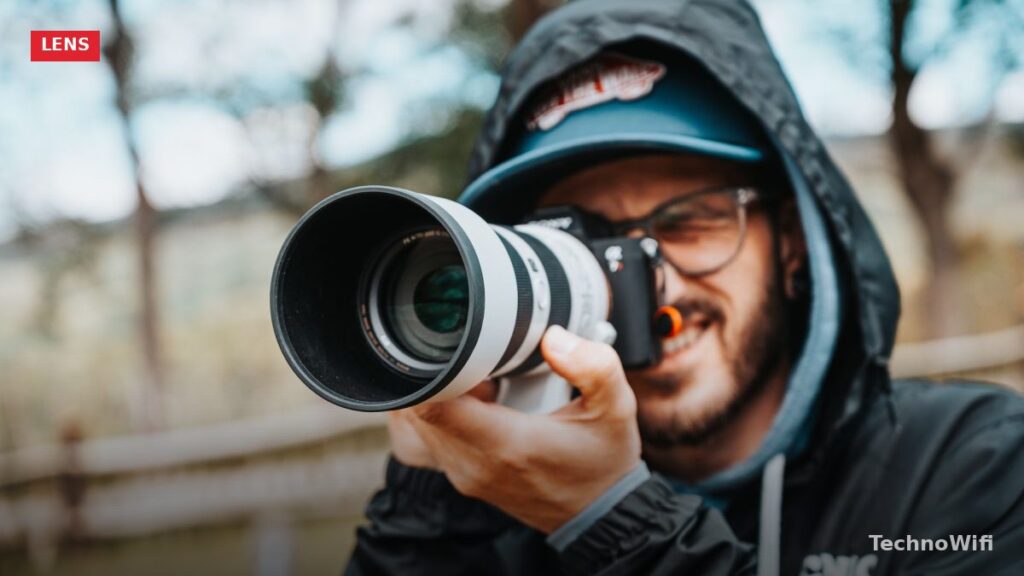
A good wide angle lens changes everything about how you shoot. It pulls more of the scene into frame, stretches perspective, and adds depth that standard lenses just can’t match. If you’re photographing mountain ranges, cramped apartments for a real estate listing, or the Milky Way overhead, the right wide angle makes shots possible that nothing else can.
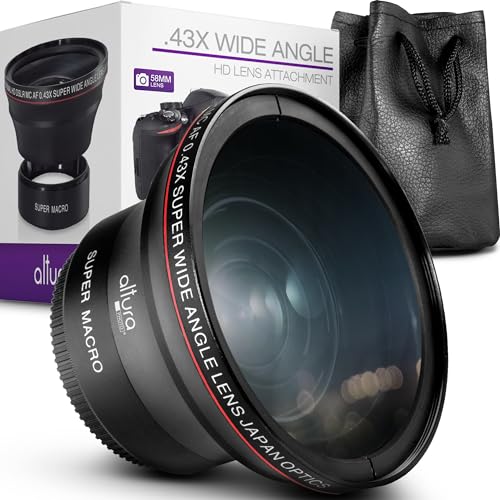
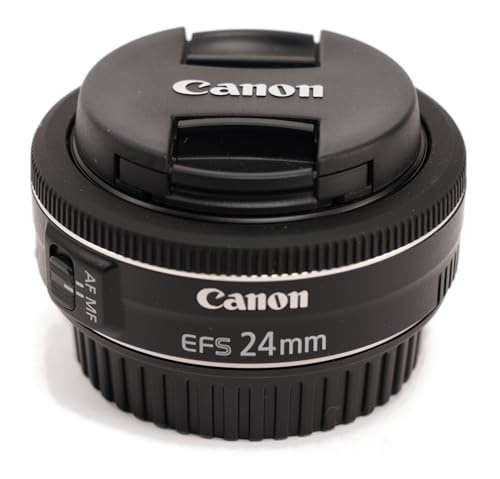


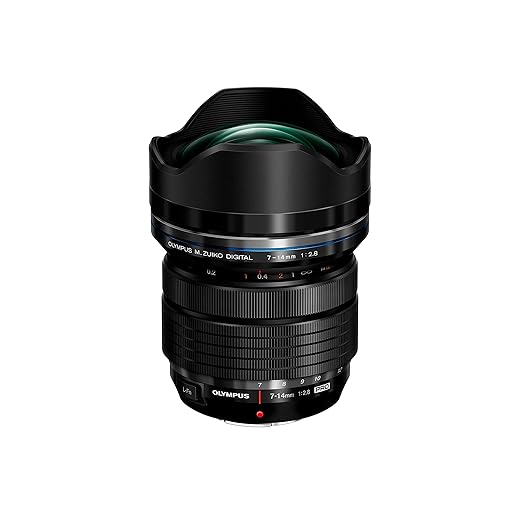

Picking one isn’t as simple as it used to be. Sony, Canon, and Nikon have all dropped excellent mirrorless wide angle options over the past few years. Third-party makers like Tamron and Sigma offer sharp glass at lower prices. Focal length, aperture speed, filter compatibility, and size all play into the decision. A lens built for astrophotography might be total overkill for vlogging, and the reverse is true too.
This guide covers the best wide angle lenses you can buy in August 2026. Every pick here is based on optical performance, build quality, and real-world use across landscape, architecture, astro, and video.
What is the best wide angle lens in 2026?
The Sony FE 14mm f/1.8 GM is the best wide angle lens overall. It pairs an ultra-wide 14mm field of view with a fast f/1.8 aperture, producing sharp images from corner to corner. Astrophotographers love it because f/1.8 gathers a lot more light than f/2.8 alternatives, cutting exposure times nearly in half. Despite being a 14mm prime, the lens weighs just 460 grams, which is remarkably compact for its class.
If you need zoom flexibility, the Canon RF 14-35mm f/4 L IS USM stands out. It covers an incredibly useful range from ultra-wide to moderate wide angle, all with image stabilization and weather sealing. The Nikon Z 14-24mm f/2.8 S is the top pick for Nikon shooters who want pro-grade sharpness and a fast f/2.8 aperture across the entire zoom range.
Budget-conscious shooters have solid options too. The Canon RF 16mm f/2.8 STM delivers excellent image quality for around $300, and the Tamron 17-28mm f/2.8 Di III RXD gives you zoom flexibility on Sony E-mount for roughly $800. Here’s a full comparison of the top picks.
| Lens | Mount | Focal Length | Aperture | Weight | Best For | Price |
|---|---|---|---|---|---|---|
| Sony FE 14mm f/1.8 GM | Sony E | 14mm | f/1.8 | 460 g | Best overall | ~$1,400 |
| Canon RF 14-35mm f/4 L IS USM | Canon RF | 14-35mm | f/4 | 540 g | Best Canon zoom | ~$1,600 |
| Nikon Z 14-24mm f/2.8 S | Nikon Z | 14-24mm | f/2.8 | 650 g | Best Nikon zoom | ~$2,400 |
| Sony FE 16-25mm f/2.8 G | Sony E | 16-25mm | f/2.8 | 409 g | Compact fast zoom | ~$1,100 |
| Canon RF 16mm f/2.8 STM | Canon RF | 16mm | f/2.8 | 165 g | Best budget | ~$300 |
| Sony FE 20mm f/1.8 G | Sony E | 20mm | f/1.8 | 373 g | Versatile prime | ~$900 |
| Nikon Z 14-30mm f/4 S | Nikon Z | 14-30mm | f/4 | 485 g | Filter-friendly zoom | ~$1,200 |
| Tamron 17-28mm f/2.8 Di III RXD | Sony E | 17-28mm | f/2.8 | 420 g | Best third-party budget | ~$800 |
| Sigma 14-24mm f/2.8 DG DN Art | Sony E / L-mount | 14-24mm | f/2.8 | 795 g | Third-party pro | ~$1,100 |
Best wide angle lenses reviewed
Sony FE 14mm f/1.8 GM – Best Overall
Sony’s 14mm f/1.8 GM is the lens that made astrophotographers rethink what an ultra-wide prime could do. At f/1.8, it gathers over twice the light of an f/2.8 zoom. That means shorter exposures, lower ISO settings, and cleaner night sky images. Corner sharpness is outstanding even wide open, which matters a lot when you want pinpoint stars across the entire frame.
Beyond astro work, this lens handles landscape and architecture photography beautifully. The 14mm focal length captures an expansive 114-degree field of view, pulling in dramatic foregrounds while keeping distant subjects in context. Distortion stays well-controlled through in-camera correction profiles, and chromatic aberration is minimal even in high-contrast scenes.
At just 460 grams, the 14mm GM defies expectations for an ultra-wide prime with this aperture speed. Previous-generation 14mm f/1.8 lenses from other manufacturers were significantly larger and heavier. Sony’s engineering makes this lens practical for hiking and travel, not just tripod-based studio work. At around $1,400, it’s a serious investment, but no other 14mm lens matches its combination of speed, sharpness, and portability.
Canon RF 14-35mm f/4 L IS USM – Best Canon Wide Zoom
The RF 14-35mm f/4 L IS USM gives Canon shooters the most versatile wide angle zoom in the RF lineup. Starting at 14mm and extending to 35mm, this lens covers everything from ultra-wide architectural interiors to environmental portraits at the long end. That range means you don’t need to carry separate ultra-wide and standard wide lenses.
Image stabilization is a big advantage here. The IS system provides up to 5.5 stops of correction on its own, and it works cooperatively with Canon bodies that have in-body stabilization for even better shake reduction. For handheld shooting in dim interiors or during golden hour, this feature makes the f/4 aperture far more usable than the number suggests.
Build quality matches Canon’s L-series standard with full weather sealing, a fluorine coating on the front element, and smooth, precise zoom and focus rings. The lens accepts standard 77mm screw-in filters, which is a practical benefit over bulging-front ultra-wide zooms that need expensive filter holder systems. At roughly $1,600, it sits at a competitive price for a professional-grade wide zoom with this range and build.
Nikon Z 14-24mm f/2.8 S – Best Nikon Wide Zoom
Nikon redesigned the legendary 14-24mm f/2.8 for the Z-mount system, and the result improves on the original in nearly every way. Sharpness is exceptional across the entire zoom range, with performance that holds up impressively well in the corners at f/2.8. Coma control is among the best available, making this a serious astrophotography tool on top of being a landscape workhorse.
The most practical improvement over the DSLR version is filter compatibility. Nikon sells a dedicated bayonet filter holder that attaches to the front of the lens, accepting standard gel or sheet filters. The 112mm front thread also accepts large screw-in filters, though most photographers will prefer the more affordable bayonet system. The original F-mount 14-24mm had a bulbous front element that made filter use nearly impossible without expensive third-party adapters.
At around $2,400, this is the priciest lens on the list. But it delivers optical performance that rivals primes costing similar amounts. For Nikon Z shooters who want one wide angle lens that handles landscapes, architecture, interiors, and night sky work at a professional level, this zoom justifies its price through sheer versatility and image quality.
Sony FE 16-25mm f/2.8 G – Best Compact Fast Zoom
Sony released the 16-25mm f/2.8 G as a lighter, more affordable alternative to the larger 16-35mm f/2.8 GM II. Weighing only 409 grams, it’s one of the lightest f/2.8 wide angle zooms ever made. The shorter zoom range is a deliberate trade-off that let Sony cut both size and price without sacrificing optical quality.
Sharpness across the frame is impressive for a lens in this price category. Center performance at f/2.8 is excellent, and stopping down to f/4 brings the corners into very strong territory. Autofocus is fast and quiet thanks to dual linear motors, which also makes this lens well-suited for video work where focus noise can ruin a take.
The 16-25mm range covers the focal lengths most wide angle photographers reach for. Landscape shooters will appreciate 16mm for sweeping vistas, while 25mm works well for environmental portraits and street photography. At around $1,100, this lens undercuts most f/2.8 wide zooms by a big margin while delivering performance that competes with options costing twice as much.
Canon RF 16mm f/2.8 STM – Best Budget Wide Angle
Canon’s RF 16mm f/2.8 STM is the smallest and most affordable wide angle lens on this list. The pancake-style design measures just 40.2mm in length and weighs only 165 grams. Mounted on a Canon EOS R body, the combination feels almost like shooting with a compact camera rather than a full-frame mirrorless system.
Image quality punches well above its price. Center sharpness is strong at f/2.8 and very good across the frame by f/5.6. For landscape photography in good light, real estate interiors, and casual wide angle shooting, this lens produces results that satisfy most photographers. Some barrel distortion shows up at 16mm, but Canon’s in-camera correction profiles handle it automatically.
At roughly $300, the RF 16mm f/2.8 makes wide angle photography accessible to anyone with a Canon RF-mount body. It’s an ideal first wide angle lens, a lightweight travel companion, or a secondary lens you keep in your bag for those moments when you need to go wider than your standard zoom allows. The trade-off is the STM autofocus motor, which is slower and less precise than the USM motors in Canon’s L-series lenses.
Sony FE 20mm f/1.8 G – Best Versatile Wide Prime
The 20mm focal length sits in a sweet spot between ultra-wide and standard wide. It offers a field of view that feels expansive without the extreme distortion of 14mm or 16mm lenses. Sony’s FE 20mm f/1.8 G takes full advantage of this focal length with outstanding sharpness, minimal distortion, and a fast aperture that works across multiple genres.
Landscape photographers appreciate the natural perspective and strong corner sharpness. Astrophotographers benefit from the f/1.8 aperture and excellent coma control, which keeps stars looking like points of light instead of smeared shapes. Video shooters find the 20mm field of view ideal for vlogging and documentary work, since it captures enough context without the unflattering distortion that wider lenses add to faces.
Build quality is solid with weather sealing and a dedicated aperture ring that can be de-clicked for smooth, silent aperture changes during video recording. The lens weighs just 373 grams and accepts 67mm filters, making it easy to work with polarizers and ND filters. At around $900, it costs less than most fast wide primes and delivers performance that competes with lenses in higher price brackets.
Nikon Z 14-30mm f/4 S – Best Filter-Friendly Wide Zoom
Nikon’s Z 14-30mm f/4 S solves one of the most persistent problems in ultra-wide zoom design. Its flat front element accepts standard 82mm screw-in filters, so you can use polarizers, ND filters, and graduated ND filters without any adapter or holder system. For landscape photographers who rely on filters, this feature alone can justify picking this lens over the competition.
Optical performance is strong throughout the zoom range. At 14mm, it captures a field of view wide enough for grand landscapes and tight interior spaces. The 30mm long end provides a moderate wide angle perspective that works for environmental portraits and street scenes. Sharpness is very good across the frame, though it doesn’t quite match the Nikon Z 14-24mm f/2.8 S in absolute corner resolution.
The compact design retracts when not in use, shrinking the lens for transport. At 485 grams and roughly $1,200, it offers a practical balance of range, portability, and price. For Nikon Z shooters who want an everyday wide zoom rather than a specialized pro tool, this lens covers the widest range of shooting situations without excessive weight or cost.
Tamron 17-28mm f/2.8 Di III RXD – Best Third-Party Budget Zoom
Tamron’s 17-28mm f/2.8 Di III RXD proved that third-party lenses could match native glass at a fraction of the price. Designed for Sony E-mount, this lens delivers f/2.8 brightness across a popular wide angle zoom range while weighing just 420 grams. The compact form factor pairs naturally with smaller Sony bodies like the A7C II.
Sharpness is very good across the frame at all focal lengths. Center performance at f/2.8 is excellent, and the corners improve noticeably by f/4. Autofocus is fast enough for stills and smooth enough for video, though it’s not quite as snappy as Sony’s native G and GM lenses. Minimum focus distance is impressively short at 0.19 meters at 17mm, opening up creative close-up wide angle perspectives.
At around $800, this lens costs significantly less than the Sony FE 16-35mm f/2.8 GM II or the Sony FE 16-25mm f/2.8 G. The narrower zoom range is the main compromise. Photographers who need 16mm or wider will find the 17mm starting point slightly limiting, and those who want more reach will miss having 35mm on the long end. For anyone who can work within the 17-28mm range, the value here is hard to argue with.
Sigma 14-24mm f/2.8 DG DN Art – Third-Party Pro Option
Sigma’s 14-24mm f/2.8 DG DN Art is the third-party alternative to the Nikon Z 14-24mm f/2.8 S and Sony’s native ultra-wide zooms. Available in both Sony E-mount and L-mount, it delivers optical performance that matches or exceeds many first-party options. Sharpness at f/2.8 is excellent across the frame, and chromatic aberration is well-controlled even at the 14mm extreme.
The Art designation signals Sigma’s highest optical standard, and this lens lives up to it. Astrophotographers report minimal coma and sagittal astigmatism in the corners, which are the flaws that matter most when shooting star fields. The lens also performs well for architecture and landscape work, where its even sharpness distribution prevents the soft corners that plague lesser ultra-wide zooms.
Weight is the trade-off. At 795 grams, this is the heaviest lens on the list. The bulbous front element also prevents the use of standard screw-in filters, requiring a rear gel filter holder instead. At around $1,100, it costs less than half the price of the Nikon Z 14-24mm f/2.8 S while delivering comparable optical quality. For Sony and L-mount shooters who want professional ultra-wide performance without the first-party price, this Sigma is the clear choice.
What should you look for in a wide angle lens?
Focal length determines how much of the scene your lens captures. Ultra-wide lenses in the 14-16mm range produce dramatic, expansive perspectives that emphasize foreground elements and create a strong sense of depth. Moderate wide angles in the 20-35mm range offer a more natural perspective while still capturing significantly more than a standard 50mm lens.
Aperture speed affects two things: how much light the lens gathers and how much background blur it can produce. An f/1.8 wide angle lens is ideal for astrophotography and low-light work because it collects more than twice the light of an f/2.8 lens. For landscape and architecture photography shot primarily in daylight, f/4 is perfectly fine and comes with benefits in size, weight, and price.
Filter compatibility matters more than many photographers realize. Landscape shooters frequently use polarizing filters to cut glare and deepen skies, along with neutral density filters for long exposures. Lenses with flat or slightly curved front elements that accept standard screw-in filters are far more practical than those with bulging front elements that need expensive holder systems. The Nikon Z 14-30mm f/4 S and most prime lenses on this list accept screw-in filters without any adapters.
Weight and size have become increasingly important as photographers move to mirrorless systems. A compact wide angle lens that you actually carry with you will produce better images than a heavy one left at home. Several lenses on this list weigh under 500 grams while delivering professional-grade optical performance, which was nearly impossible a decade ago.
Which wide angle lens is best for landscape photography?
For pure landscape work, the Nikon Z 14-24mm f/2.8 S and Canon RF 14-35mm f/4 L IS USM are the strongest choices. Both cover the ultra-wide focal lengths landscape photographers use most, and both deliver the corner-to-corner sharpness needed for large prints and detailed panoramas.
The Canon RF 14-35mm has the advantage of a longer zoom range and image stabilization, making it more versatile for handheld shooting during golden hour. The Nikon Z 14-24mm counters with a faster f/2.8 aperture and marginally sharper optics. Those advantages matter most for twilight landscapes and star-filled skies above mountain peaks.
Prime lenses also deserve a look for landscape work. The Sony FE 20mm f/1.8 G offers a natural wide perspective with outstanding sharpness and filter compatibility. It forces you to compose more carefully without zoom convenience, but many landscape photographers find that constraint actually improves their images. The lighter weight is a real benefit during long hikes to remote shooting locations too.
What wide angle lens works best for astrophotography?
The Sony FE 14mm f/1.8 GM is the top choice for night sky photography. Its f/1.8 aperture gathers roughly 2.3 times more light than an f/2.8 lens, which translates directly to cleaner images at lower ISO settings. Coma and astigmatism are exceptionally well-controlled in the corners, keeping stars sharp across the entire frame even wide open.
The Sony FE 20mm f/1.8 G is an excellent alternative at a lower price. Its 20mm focal length captures a slightly narrower field of view, but the f/1.8 aperture provides the same light-gathering advantage. Corner star quality is very good, and the lighter weight makes it easier to balance on a star tracker.
Among zoom lenses, the Sigma 14-24mm f/2.8 DG DN Art and Nikon Z 14-24mm f/2.8 S both work well for astrophotography. The slower f/2.8 aperture means longer exposures or higher ISO settings compared to the f/1.8 primes, but the zoom flexibility lets you frame different compositions without swapping lenses. For photographers who split their time between astro and daytime shooting, a fast wide zoom is often the more practical single-lens solution.
Frequently Asked Questions
What focal length is considered wide angle?
On a full-frame camera, any lens shorter than 35mm is generally considered wide angle. Lenses between 24mm and 35mm offer a moderately wide perspective. Focal lengths from 16mm to 24mm are considered wide angle, while anything below 16mm falls into ultra-wide territory. On APS-C crop sensor cameras, multiply the focal length by 1.5 (Nikon, Sony) or 1.6 (Canon) to find the full-frame equivalent field of view.
Do I need a wide angle prime or zoom lens?
Prime lenses offer wider maximum apertures, sharper optics at equivalent price points, and lighter weight. They’re the better choice if you shoot primarily at one focal length, need f/1.8 or faster for astrophotography, or want the smallest possible setup. Zoom lenses give you compositional flexibility without changing lenses, which is valuable for travel, events, and situations where you can’t move freely. Most photographers benefit from starting with a wide angle zoom and adding a prime later for specialized work.
Can I use wide angle lenses for video?
Wide angle lenses are popular for video, particularly for vlogging, real estate walkthroughs, documentary shooting, and establishing shots. The broader field of view captures more context and makes handheld footage feel more stable. For vlogging specifically, focal lengths between 16mm and 24mm work well because they show enough background without the extreme distortion that can make faces look unflattering at closer distances. Lenses with quiet autofocus motors, like the Sony FE 16-25mm f/2.8 G and Canon RF 14-35mm f/4 L IS USM, are especially well-suited for video.
Are third-party wide angle lenses worth buying?
Absolutely. The Tamron 17-28mm f/2.8 and Sigma 14-24mm f/2.8 DG DN Art both deliver optical quality that matches or closely approaches first-party alternatives. Tamron and Sigma have invested heavily in designing lenses specifically for mirrorless mounts rather than adapting older DSLR designs. The main trade-offs tend to be slightly slower autofocus, less weather sealing, and occasionally lower resale value. For photographers who prioritize image quality per dollar spent, third-party lenses offer outstanding value.
What is the best wide angle lens under $1,000?
The Tamron 17-28mm f/2.8 Di III RXD at around $800 is the best wide angle zoom under $1,000 for Sony shooters. It delivers f/2.8 brightness, strong sharpness, and a compact design at a price that significantly undercuts native alternatives. For Canon RF shooters, the Canon RF 16mm f/2.8 STM at $300 is a remarkable value that puts wide angle capability in reach of any budget. Sony users looking for a prime can find the Sony FE 20mm f/1.8 G at around $900, which offers excellent all-around performance for landscapes, astro, and video.
How do I avoid distortion with a wide angle lens?
Some barrel distortion is built into wide angle lens design, but modern lenses correct most of it through in-camera software profiles. To minimize visible distortion in your compositions, keep the camera level rather than tilting it up or down. Avoid placing people near the edges of the frame, where wide angle stretching is most noticeable. Shooting at moderate wide focal lengths like 20-24mm rather than ultra-wide 14-16mm also reduces distortion. In post-processing, programs like Lightroom and Capture One apply lens-specific correction profiles automatically when you import RAW files.
Sources:
Sony – FE 14mm F1.8 GM Specifications. sony.com
Canon USA – RF 14-35mm F4 L IS USM Specifications. usa.canon.com
Nikon USA – NIKKOR Z 14-24mm f/2.8 S Specifications. nikonusa.com
Sony – FE 16-25mm F2.8 G Specifications. sony.com
Canon USA – RF 16mm F2.8 STM Specifications. usa.canon.com
Tamron – 17-28mm F/2.8 Di III RXD Specifications. tamron.com
Sigma – 14-24mm F2.8 DG DN Art Specifications. sigma-global.com
Nikon USA – NIKKOR Z 14-30mm f/4 S Specifications. nikonusa.com