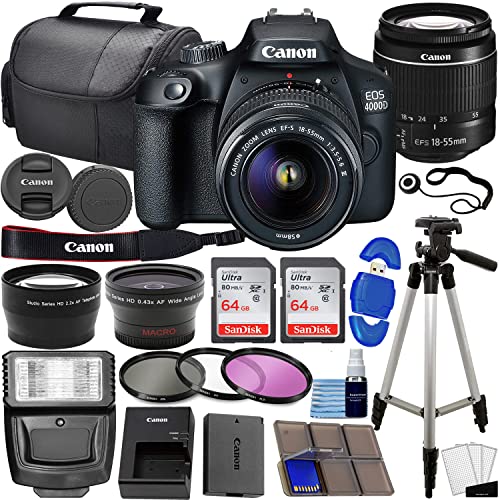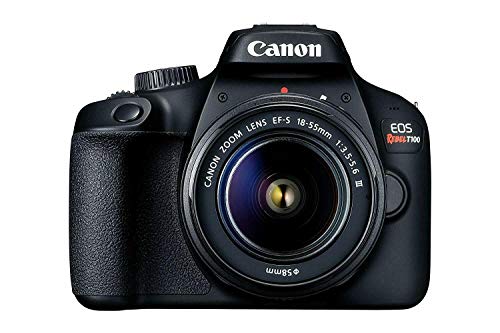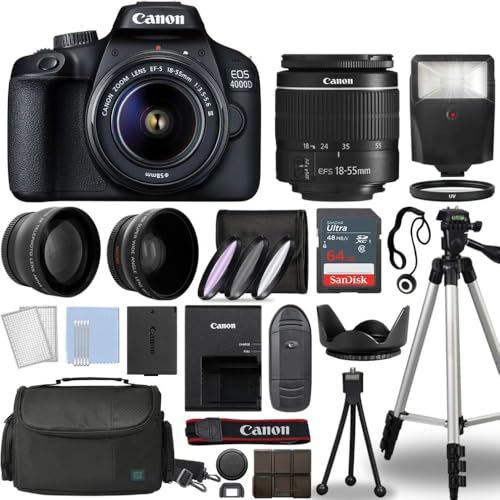
Canon EOS 4000D DSLR Camera Review
This Canon EOS 4000D review breaks down everything you need to know about Canon’s most budget-friendly DSLR before you spend your money. If you’re shopping for an affordable entry into DSLR photography in 2026, this camera deserves a serious look.
Canon has long been the go-to brand for photographers at every level. The EOS 4000D sits at the very bottom of their lineup in terms of price, but that doesn’t mean it skimps on the basics. You still get an 18-megapixel APS-C sensor, a capable autofocus system, and full HD video recording.
Canon EOS 4000D: What You’re Getting
The Canon EOS 4000D first launched back in 2018 as Canon’s cheapest SLR. Even now, it remains one of the most affordable ways to get into DSLR photography.
With 18 megapixels, it captures sharp images with solid color accuracy. You can create nice background blur for portraits, and the full HD video quality holds up well for casual shooting. Wi-Fi connectivity lets you transfer photos to your phone through the Canon Camera Connect app, which is handy for quick social media sharing.
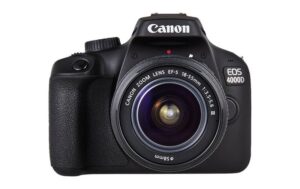
Tech Specs
Here’s a quick breakdown of the Canon EOS 4000D’s specifications.
Our guide on Canon cameras with flip screen goes into more detail if you need it.
| Canon EOS 4000D Functions | Tech Specs |
|---|---|
| Effective Pixels | 18.0 megapixels |
| Image Sensor | 22.3 x 14.9mm APS-C CMOS |
| Image Processor | DIGIC 4+ |
| ISO Range | 100 – 6400 (expandable to 12800) |
| LCD Screen | 2.7 inch, fixed display with 230K dots (100% coverage) |
| Connectivity | Wi-Fi (via Canon Camera Connect app) |
| Image Size (Max.) | 5184 x 3456 |
| Video | Full HD – 1080p video recording, EOS Movie up to 30fps |
| Lens Mount | EF/EF-S Lens Mount |
| Focusing | With Optical Viewfinder - Phase-difference detection system AF dedicated sensor With LCD screen live view – Contrast detection AF |
| Shutter Type | Electronically-controlled focal-plane shutter |
| Viewfinder | Pentamirror viewfinder with approximately 95% coverage 9-point AF system |
| Flash Type | 9.2 built-in flash with 2-sec recycle time, Hotshoe available |
| Shooting Modes | Scene Intelligent Auto, Single, Self-timer (2s & 10s), Continuous Shooting at 3fps |
| Size Dimensions | 129.0 x 101.6 x 77.1mm |
| Weight | 436grams |
| Battery Life | 1 x Rechargeable Battery that gives approx. 500 shots |
| Check Price | Check Price |
Detailed Features
The EOS 4000D packs a surprising amount of capability for its price point. From the lens mount to the sensor and the autofocus system, there’s enough here to keep beginners busy for months while they learn the ropes.
Let’s walk through the key features.
Lens
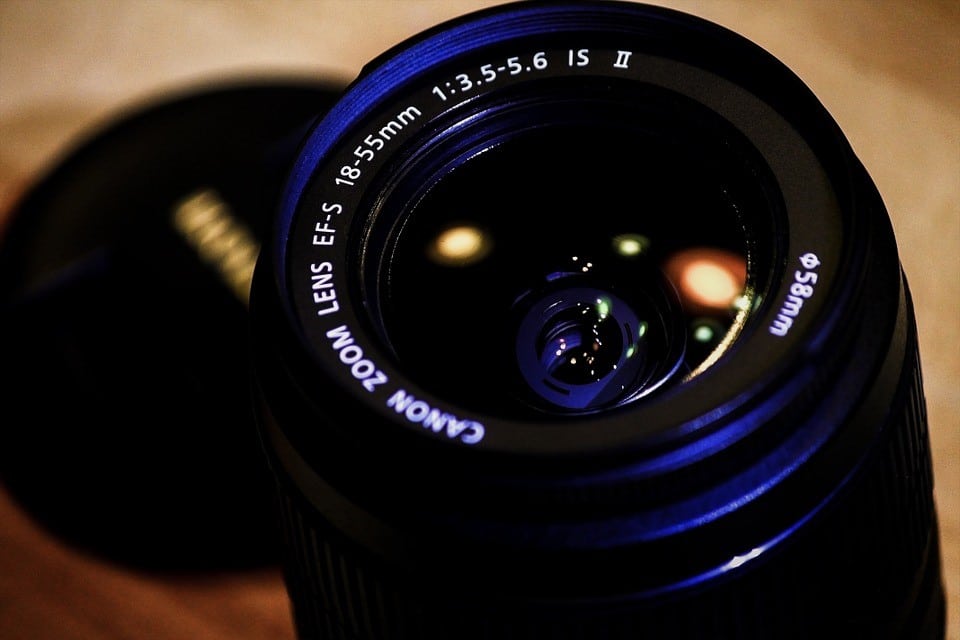
The 4000D uses Canon’s EF/EF-S lens mount. That’s a big deal because it gives you access to Canon’s massive library of lenses. Whether you’re picking up a budget 50mm prime or saving up for an L-series zoom, this camera accepts them all.
Autofocus System
You get a 9-point autofocus system with phase-detection through the optical viewfinder and contrast-detection in live view mode. Nine points isn’t a lot by today’s standards, but for a camera at this price, it gets the job done. The center point is the most accurate, so you’ll want to lean on it for tricky focus situations.
We also wrote a hands-on guide on Canon M50 microphone that you might find useful.
LCD Monitor
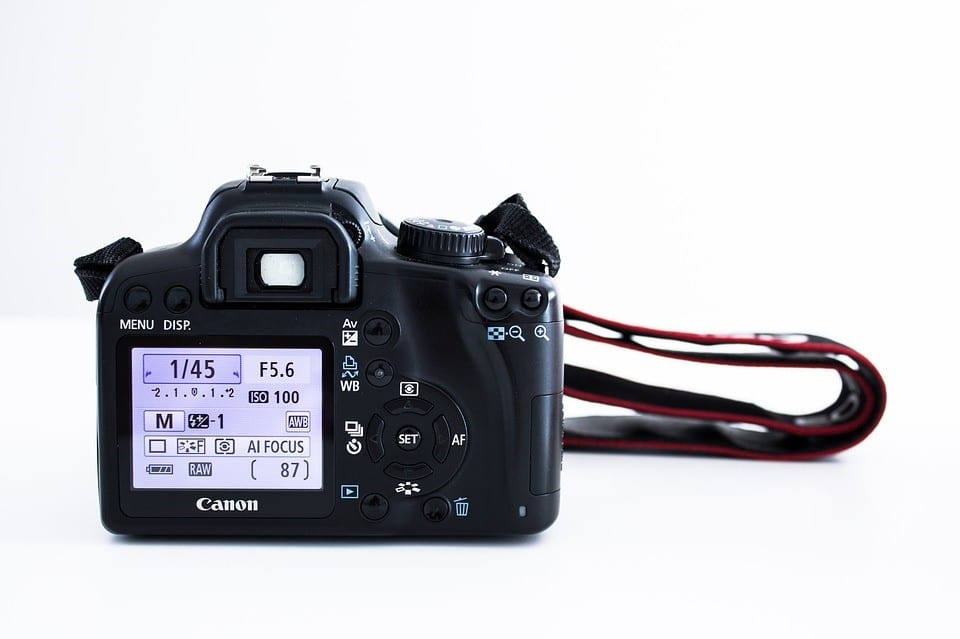
The 2.7-inch TFT LCD sits on the back with 230K dots for live view shooting. It’s not a touchscreen, and it doesn’t flip out. That’s one of the trade-offs at this price. But for framing shots and reviewing images, it works just fine. The viewing angles cover about 120 degrees vertically and 130 degrees horizontally.
Design and Handling
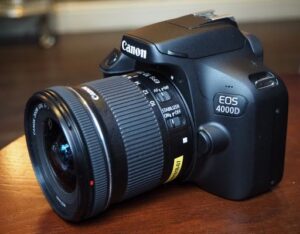
It’s lightweight and feels comfortable in hand. The body is made of polycarbonate resin with glass fiber, which keeps weight down while offering reasonable durability. The fold-up flash is a nice touch, and the grip is shaped well enough for extended shooting sessions.
Performance and Results
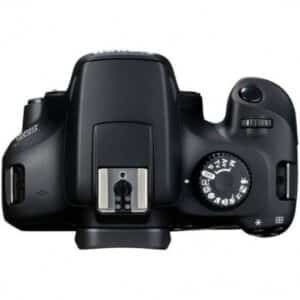
Image quality is solid for the price. You get sharp, detailed shots with accurate colors, especially in good lighting. The bokeh effect from a wide aperture lens looks great, and beginners will enjoy experimenting with background blur.
This isn’t a speed demon by any means, but for learning photography and building your skills, it performs admirably. Both beginners and hobbyists will find plenty to like here.
For the full Canon mirrorless lineup, see our best Canon mirrorless cameras guide.
Just starting out? See our best Canon cameras for beginners.
For vlogging compacts, see our PowerShot SX530 vlogging review.