What are the Types of Photography
Different types of photography vary based on personal techniques, the equipment used, and the subject matter.
Many photographers combine multiple niches to diversify their portfolios and skills.
Others prefer to focus on mastering a specific technique throughout their careers. Here’s a list of different photography niches you can explore and try out.
1. Portrait Photography

Portrait photography is one of the most popular types of photography out there.
Nearly anyone can get into this niche, especially as smartphones keep getting more advanced and widely accessible.
Social media platforms encourage people to share the highlights and activities of their daily lives, and impressive camera specs are now within reach for most people.
As a result, shooting and posting a portrait photo is easier than ever.
Portrait photography lets you capture a subject’s personality. You do that by drawing out genuine expressions, close-ups, and natural poses.
Professional photographers who specialize in portraits often shoot famous people or supermodels at magazine sessions or on the red carpet.
They also do family portraits, graduation images, and headshots for upcoming actors and models.
2. Adventure Photography
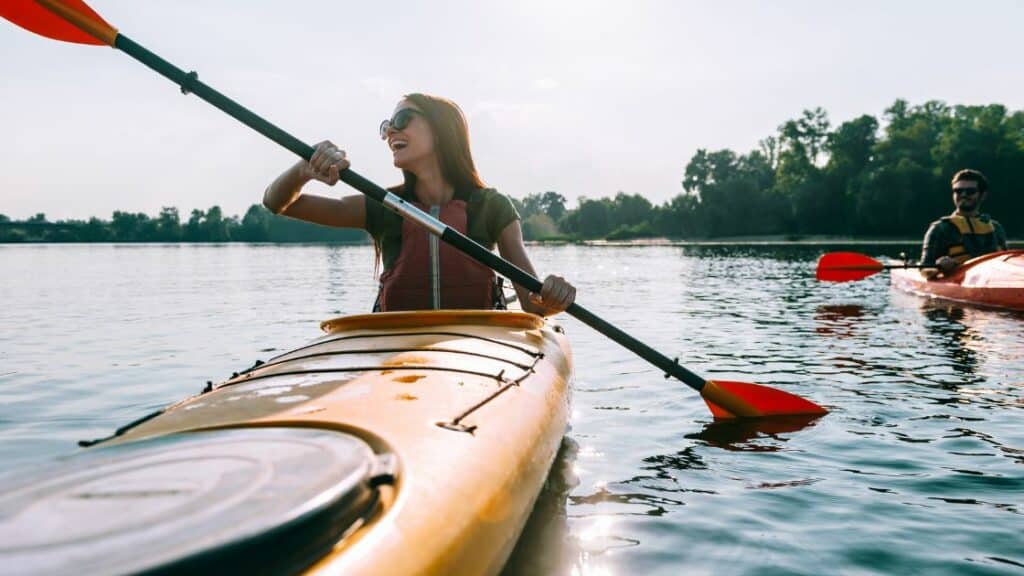
Photographers in this genre capture beautiful images outdoors. Adventure photography often presents tough shooting conditions because of unpredictable weather and limited access to certain outdoor locations.
It targets outstanding adventurous travel and landscape images. Hauling camera equipment into rugged and remote areas is one of the common challenges adventure photographers deal with.
3. Still Life Photography

Still-life photography involves capturing images of non-living objects.
This niche shares similarities with commercial photography, which many advertising agencies use to photograph branded products for marketing materials like billboards, magazines, and catalogs.
To capture remarkable still-life photos, you need excellent lighting, whether you’re shooting indoors or outdoors.
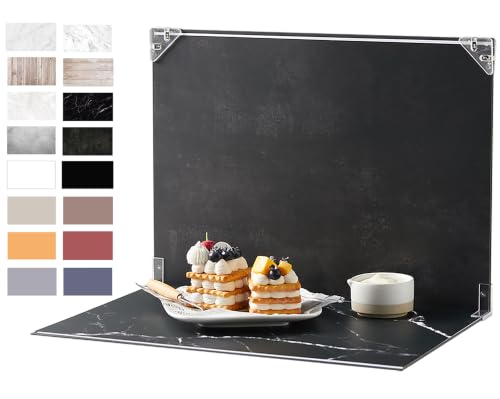
Some photographers use a lightbox, especially in product photography, to illuminate the object from all sides and eliminate shadows.
4. Landscape Photography
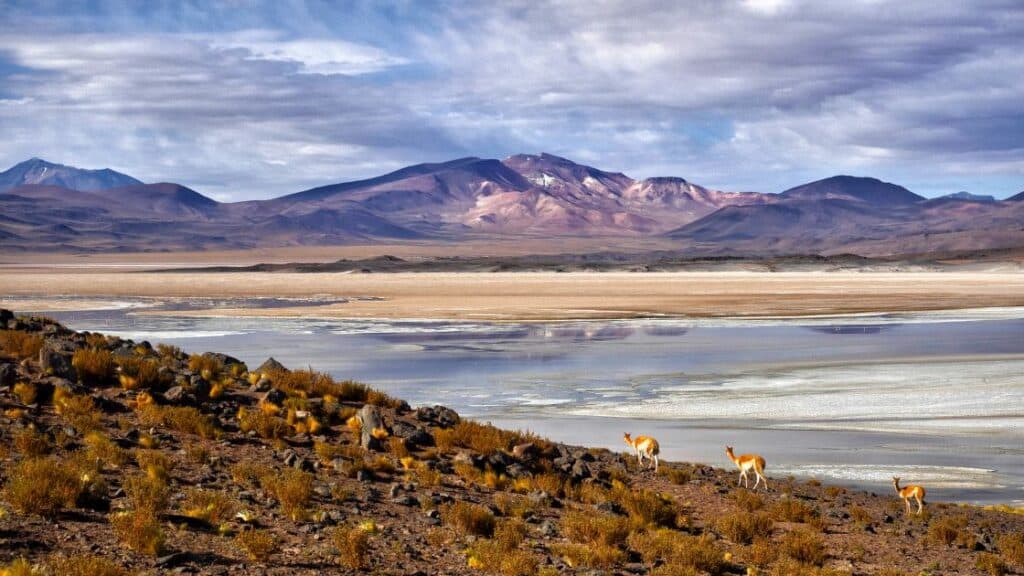
Travel enthusiasts often capture tons of landscape images. Beyond standard horizontal photos, photographers can experiment with different shooting styles.
For example, they can shoot vertically to capture tall mountains and trees as they explore the outdoors.
Landscape photographers usually work all day long and sometimes throughout the night to capture beautiful images under the night sky.
With the rise of drones and advanced shooting technology, capturing bird’s-eye-view landscape images is becoming much more accessible.
To get the best landscape images, photographers should invest in the right equipment and pick the proper lenses.
5. Architectural Photography

Architectural photographers focus on capturing the exterior or interior of a structure. These images typically illustrate the building in both an accurate and visually engaging way.
Photographers rely on daylight and sometimes moonlight for exterior shots and the surrounding landscape. Interior images complement the external representation to showcase a particular architectural style.
Angle control is critical in this niche because of the vertical size of many modern buildings.
The oldest architectural photograph was captured between 1826 and 1827, making this one of the very first types of recognized photography.
Architectural trends have shifted as different types of buildings have gone up across the globe.
Photographers in this niche can focus on specific architectural styles, including classical, Victorian, Tudor, gothic, postmodern, and contemporary.
6. Travel Photography
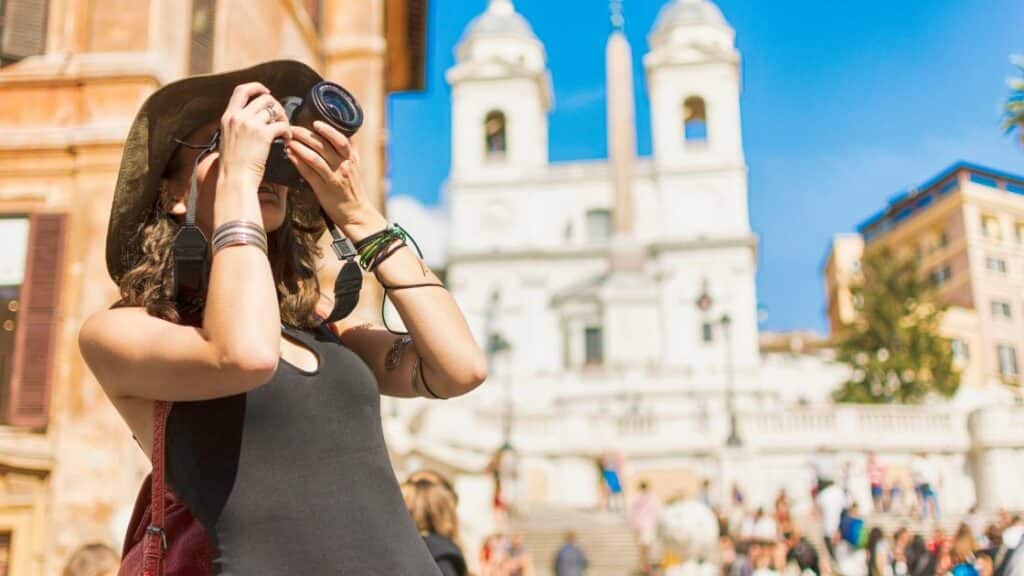
Travel photography involves capturing images while on a trip and can span multiple sub-genres like landscape, portraiture, wildlife, nature, food, and architecture.
Our guide on mirrorless vs DSLR goes into more detail if you need it.
Photographers can practice many different styles while exploring new places. Travel photography isn’t just exciting; it also exposes photographers to completely new experiences.
7. Abstract Photography

Also called experimental, concrete, or conceptual photography, abstract photography is tough to pin down.
Abstract images often play with light, form, color, shadow, shape, and texture to create an impression, sensation, or feeling without showing the viewer a recognizable scene.
Directly identifying images that fit in the abstract niche isn’t easy.
Creating them involves isolating a specific natural scene or element and then removing unnecessary details through creative editing or framing techniques.
8. Astrophotography
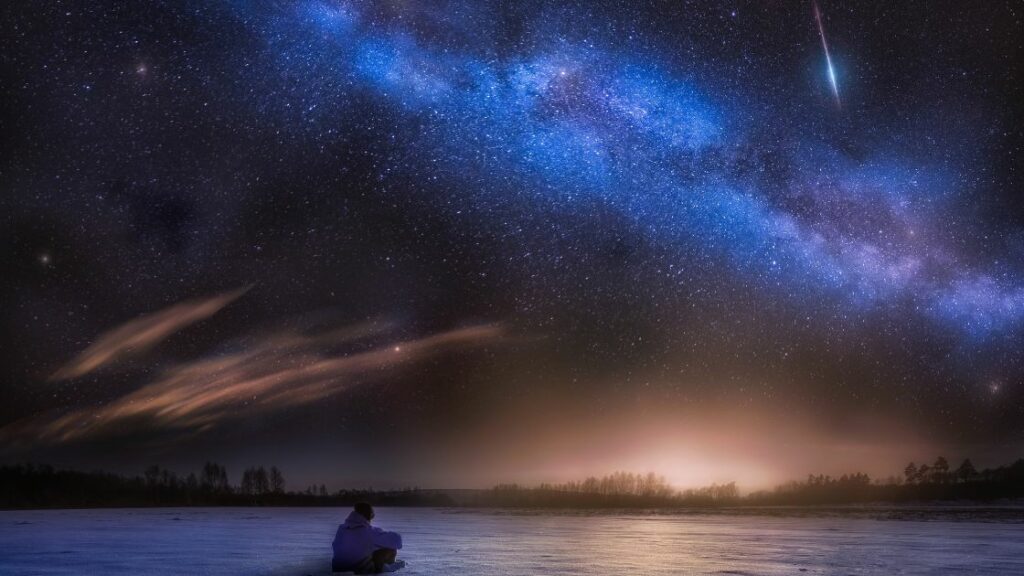
Astrophotography captures images of astronomical objects like meteors, planets, stars, and celestial events such as solar and lunar eclipses.
Photographers in this field can use digital and film cameras with extended exposure capability to capture astronomical images.
For more precise details, though, you may need specialized gear and techniques, including telescopes, tripods, wide-angle fixed-lens cameras, imaging sensors, post-processing equipment, and tracking mounts.
9. Pet Photography
Pet photography uses techniques and concepts similar to portrait photography. But it’s often more fun because you don’t have to worry as much about giving your subject a picture-perfect appearance. I took this photo in September 2023. His name is Alpha. I am not a high-end photographer, so please excuse any missed details.
Pet photographers can also experiment with different approaches, like capturing close-up images using wide-angle lenses.
Digital photography makes experimentation easy since you can fire off as many shots as you want.
10. Food Photography
Until recently, food photography wasn’t very popular among photographers. But in the age of digital media and social platforms, this niche has blown up for both professionals and hobbyists.
Some food photographers are in it for the marketing work, while others do it for fun and their genuine love of food.
To capture a great food image, you need a decent phone camera, proper lighting, and the right camera settings.
Post-processing and color balancing techniques can also help improve the look of your food photos and make them more appealing.
11. Black and White Photography

You can create black and white images either by editing colored photos or by setting your camera to shoot in monochrome.
In the early days of photography, nearly all captured images were in black and white or various shades of sepia.
Back then, color images were sometimes hand-tinted, but the practice was rare and expensive.
Color photography eventually became popular following technological advances in the mid-20th century, pushing the previously dominant black-and-white style to the side.
Black and white photography is about capturing elegant, timeless, and classic images.
Today, this style is considered fine art and is often used to create a vintage, nostalgic feel.
12. Sports Photography

This professional genre involves high-speed image shooting. Sports photographers typically use heavy, long lenses that can zoom in tight to capture the real action.
These lenses are designed to capture images at fast shutter speeds without producing underexposed photos.
As a sports photographer, you can work for sports magazines and newspapers or shoot images for advertisements. Location plays a big role in capturing the perfect sports image.
The sport you’re shooting also determines the ideal camera setup and lens you’ll need.
13. Business Photography

Business photography involves capturing images of the working world. Photographers often shoot business images to support growth and promotion in the sector, as well as for marketing purposes.
When you photograph entrepreneurs, their services and products, and their teams, you give them a chance to tell their story through images.
Other types of photography that fit well in this category include lifestyle, portrait, product, architectural, and candid. Companies can use business photos in brochures, websites, and editorials to promote their brand.
14. Wildlife Photography
Photographers in this niche need advanced camera gear and proper safety measures to do wildlife photography right.
Capturing excellent, clear wildlife photos without disturbing natural habitats can be dangerous and challenging. But this niche can be fulfilling and financially rewarding.
We also wrote a hands-on guide on mirrorless vs full frame that you might find useful.
Only a small number of people regularly engage in wildlife photography, which is why individuals and organizations often pay large sums for quality wildlife images.
Photography techniques used in sports photography are often effective in the wildlife niche too.
15. Macro Photography
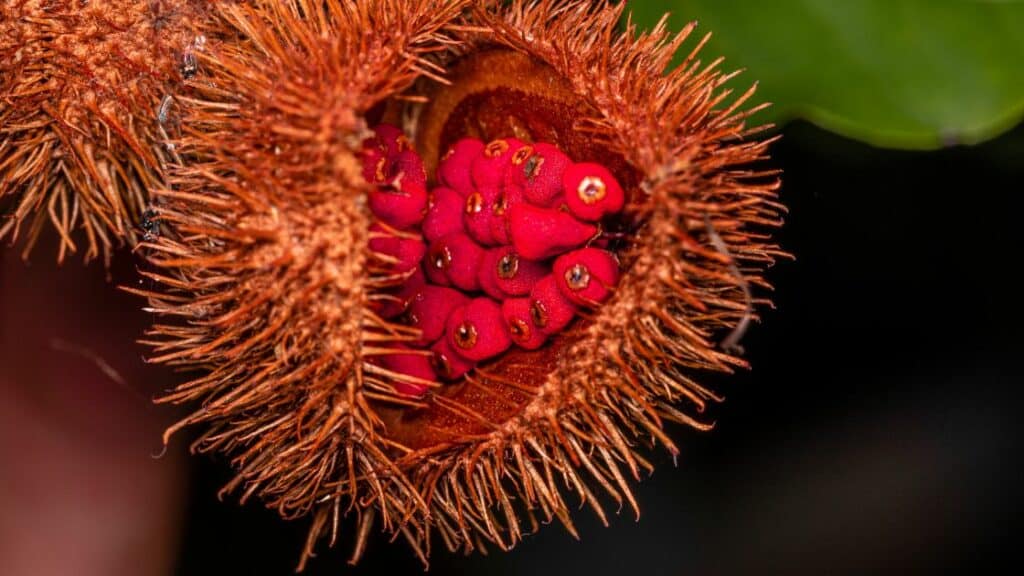
People who love capturing extraordinary images tend to gravitate toward macro photography. This niche involves shooting small subjects and making them appear larger than life.
Often, these subjects are tiny insects or flowers that you wouldn’t normally get a close-up view of with the naked eye.
Macro photography is straightforward once you have the right gear. You can even clip a macro lens accessory onto your smartphone to get excellent results.
For higher-resolution photos, consider using a dedicated macro lens with a mirrorless or DSLR camera.
Macro photography is perfect for anyone interested in capturing highly compelling and artistic images of both living and non-living things.
16. Candid Photography

In most photo shoots, photographers direct models through poses. Candid photography flips this by capturing spontaneous images of people in motion.
Photographers in this niche focus on shooting their subjects in the most natural state possible, without direction or posed setups.
That doesn’t mean your subjects are unaware they’re being photographed. But candid images should show authentic facial expressions, reactions, and emotions.
Candid photography includes various segments, like secret photography, where subjects genuinely don’t know they’re on camera.
This form of photography can be disruptive, so it often involves using small, discrete gear to avoid drawing attention.
The flash feature is typically avoided in candid photography because it triggers subjects to adopt more controlled and less natural behavior.
17. Event Photography
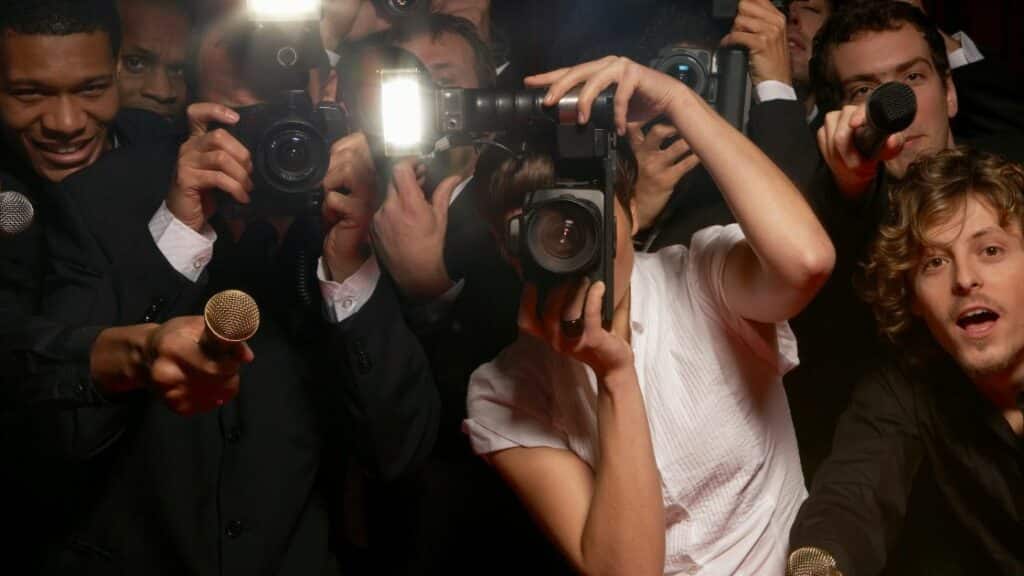
Event photography is a popular and broad niche covering everything from birthdays and concerts to corporate gatherings.
Event photographers use a wide range of techniques to capture the perfect shot.
To excel in this niche, you should know how to tell a story through your pictures in addition to covering the specific event itself.
Mastering that skill takes relentless practice covering events and learning to handle your subjects. You’ll also need a variety of lenses to capture every important detail.
18. Cityscape Photography
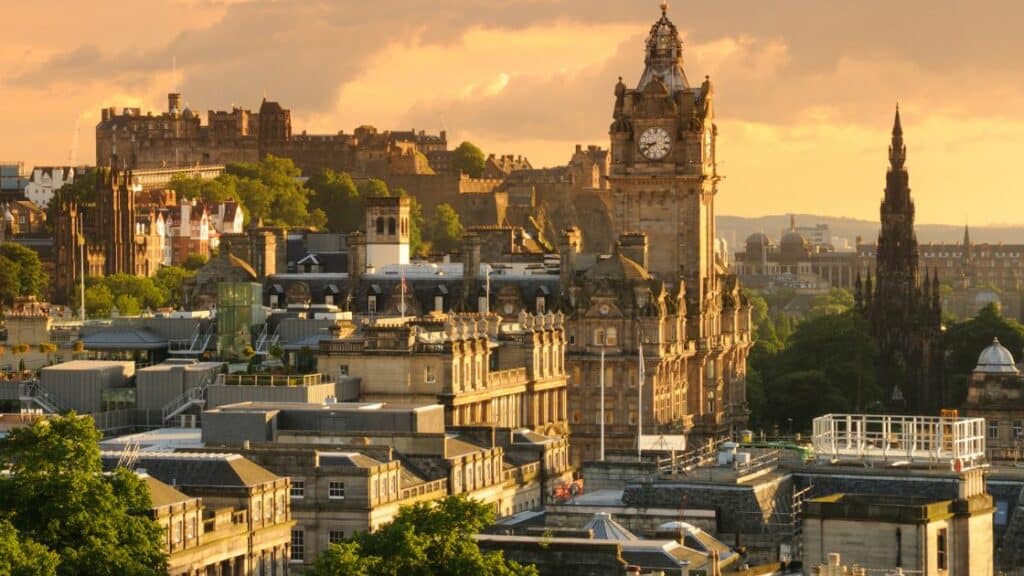
Cityscape photographers focus on capturing different parts of a metropolitan area and city skylines. You can shoot these images during the day or at night.
Wide-angle lenses are great for capturing the big picture, while telephoto lenses work well for isolating smaller parts of the city.
A tripod helps keep the camera stable and prevents blurred images. Cityscape photography is versatile, and you can capture beautiful photos anytime from a wide range of locations.
High elevations like rooftops and top floors of high-rise buildings, along with less crowded areas like waterfront walkways, are prime spots for great shots.
19. Wedding Photography
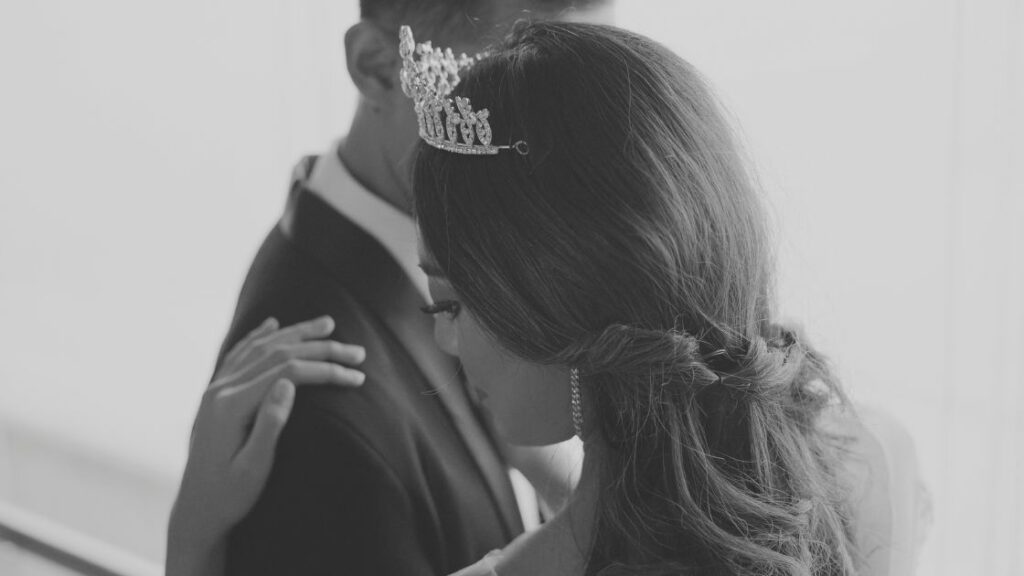
Wedding photography is a broad genre covering engagements, pre-wedding shoots, ceremony photos, and reception shots.
Sometimes, it also includes honeymoon photos. Wedding photography falls under the massive commercial photography umbrella, with countless photographers specializing in this niche.
Wedding photography can be broken down into two main approaches: photojournalistic and traditional. In the traditional approach, the photographer directs the entire event.
The photojournalistic style involves capturing natural, candid images with minimal direction.
There’s also the fashion-oriented approach, where photographers use creative and innovative techniques to deliver visually striking pictures.
Tradition and culture play a big role in the style and types of photos a couple wants to capture.
20. Fashion Photography
Fashion photography has been one of the most profitable genres for years thanks to the high demand in marketing and advertising.
Fashion photos usually feature celebrities, supermodels, and freelancers wearing fashionable shoes, clothes, and accessories.
Fashion photography involves both full-body and portrait images. To excel as a fashion photographer, you need excellent portraiture skills.
You’ll also need to get comfortable working with diverse people and practicing both technical and artistic posing styles. Fashion images can be captured both indoors and outdoors.
21. Creative Photography

Defining creative photography isn’t easy. The genre covers a huge range of techniques and concepts.
It encourages experimentation and thoughtful analysis in composition, process, and the gear you use. Photographers can use composite photography as a way to overlap with creative photography.
Crystal ball and fisheye lens photography are examples of niches that lean into the creative side. Other subcategories include forced perspective and HDR (high dynamic range) photography.
To develop a fresh perspective, you can experiment with techniques like motion blur, opacity, textures, filters, multiple exposures, and shutter speed adjustments.
Finally
As you can see, there are tons of types of photography you can experiment with.
Several factors determine the quality of your images: the shooting location, your techniques, the gear you use, lighting conditions, and even the subject matter. Regular practice is the best way to sharpen your skills.
New photographers can showcase their work on various social media platforms, making it easier than ever to build an audience and get feedback.