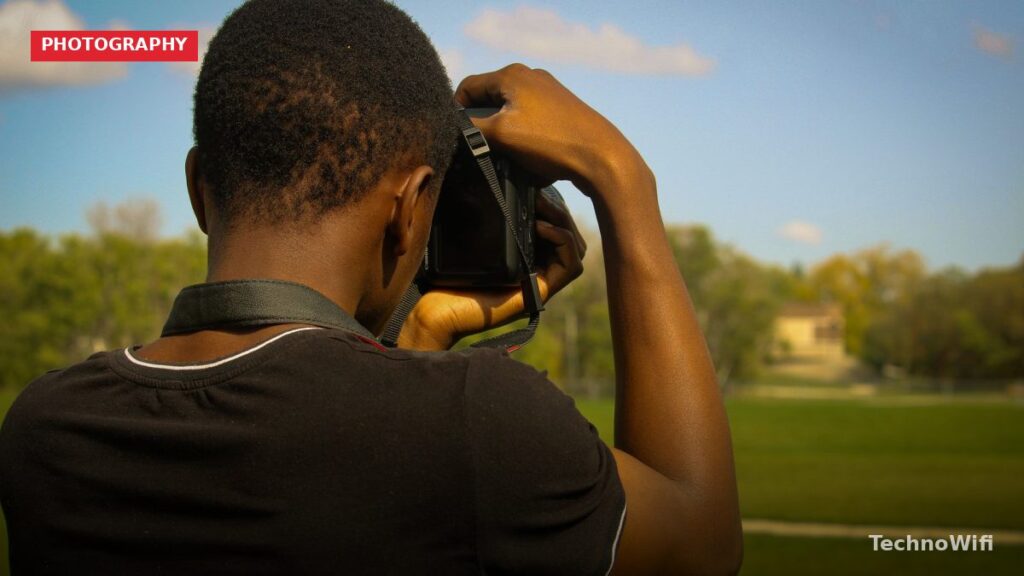
Self-Portrait Photography Ideas for Beginners
Creativity doesn’t come with a rulebook. If you’ve got a creative eye, you can make it work in just about any field.
Photography has become a go-to career for younger generations, and picking the right niche early on can make all the difference. This guide covers some practical self-portrait photography ideas that work for beginners and experienced photographers alike.
Self-portrait photography is growing in popularity, and for good reason. Instead of capturing someone else, you’re the subject. Let’s dig into what makes this genre special and how you can get started.
What is Self Portrait Photography?
A self-portrait is a photo an artist or photographer takes of themselves, producing a professional-quality image. It’s completely different from a quick selfie snapped on your phone.
When a photographer creates a self-portrait, there’s intention behind it. The goal is to communicate something about the scene, the mood, or the frame itself. It’s not just about your face filling the screen.
If you want to build skills in this area or add another dimension to your photography career, check out the self-portrait photography ideas listed below.
Creative Self-Portrait Photography Ideas
1. Pick the Right Equipment
Taking a good self-portrait isn’t as simple as pressing a button. You need a bit of skill and the right tools.
Beyond basic photography knowledge, you’ll want proper equipment: a solid camera, a lens suited for portraits, and a few accessories.
Since there’s nobody behind the camera for you, a tripod is non-negotiable. Pair that with a remote control so you can trigger the shutter from your position in the frame.
Sure, the built-in timer works in a pinch. But a remote lets you focus on your pose, expression, and placement without rushing back and forth.
Missing the perfect shot because you didn’t have the right gear is frustrating. Get everything ready before you head out to shoot.
2. Go Easy with the Basics
You’ll want to understand the fundamentals of self-portrait photography. Follow blogs and tutorials from experienced photographers who share their process online.
Build your knowledge base before experimenting with anything too advanced.
Start simple. Try taking self-portraits in your garden, backyard, under a tree, or anywhere with good natural greenery.
Make sure you’ve got enough light so you can nail the shot without needing extra gear or special setups.
3. Start with the Reflection Shot
A reflection shot is just a photo of yourself in front of a mirror with your camera gear visible.
You’ve probably seen these all over social media. They’re popular because they’re easy to set up and visually interesting.
Reflection shots capture more than just your face. They also show the background, which adds depth and context to the image.
Beyond bathroom mirrors, try reflections in shop windows, shopping mall glass, or even the side mirror of your car. Practicing reflection shots is a great way to develop your eye for composition.
4. Don’t Forget to Capture the Shadows
Lighting is everything in photography. When shooting self-portraits, pay close attention to how shadows fall. Photos with well-placed shadows look striking and professional.
Try capturing the shadow of your hand across your face. Or stand near a window and let the lines from the blinds or window frame create shadow patterns on your skin.
With these kinds of shots, the shadow becomes the star, not your face.
The key is understanding how shadows interact with your features and how you can position yourself to create interesting patterns.
5. Go Black and White
Black and white self-portraits often carry more emotional weight than standard color shots. Many cameras have a built-in black and white mode that makes this easy to try.
This style lets you really show off emotion and expression without the distraction of color.
Black and white photos also create a calm, timeless feel. That’s why so many people frame these shots and hang them in living rooms or bedrooms.
If you’ve got solid editing skills, you can push these images further. Play around with contrast, shadows, and toning to make your black and white portraits stand out.
Related Article
9 Portrait Photography Techniques
Professional editing software often includes presets for converting color photos into expressive black and white images. Just make sure you’re using software that’s compatible with your camera’s file format.
Wrapping Up
Self-portrait photography is all about turning the lens on yourself. It reflects who you are, what you feel, and what you want to express. These images can reveal a person’s true character.
The ideas above should give beginners a solid starting point in this genre. Don’t wait for someone else to help you. Grab your gear, head outside, develop your skills, and start shooting professional self-portraits.
You can sell your work, add it to your portfolio, or post it on your website. Many photographers also share their self-portraits on social platforms to build an audience.
Learn from others, but don’t rely on them to move forward.