What is Fashion Photography
Fashion photography has been around since the 19th century, which is longer than most people realize.
What we see today as an advanced industry packed with technologically superior gadgets actually started with the published portfolio of Adolphe Braun, which contained 288 photographs of the first-ever fashion model, Virginia Oldoini.
Since then, the industry has grown enormously. Giant enterprises like Vogue magazine and Harper’s Bazaar have dominated the field since the early 1900s.
Fashion photography has become a billion-dollar enterprise that has expanded rapidly since the rise of e-commerce and the internet age.
Modern cameras can effectively use natural light to produce crisp images with better frame rates and quality.
What is Fashion Photography
Overview
At its simplest, this type of photography represents style in clothing and, at other times, in film.
This genre uses professional models in colorful locations to showcase new clothing trends. It creates eye-catching images designed to market these items.
Fashion photography is also a standalone fine art that has existed for nearly two decades in its current form and now includes accessory products like hairstyles, jewelry, and makeup.
Until recently, only clothing brands were known for this genre. But with the growth of cosmetics, several related industries have joined in.
Modeling agencies benefit from fashion photography too, with many of their models building professional portfolios while working alongside well-known fashion photographers.
This art form has also been woven into movie production, as film companies hire clothing, makeup, and jewelry brands to dress famous actors.
Fashion photography has evolved from being a simple marketing tool into a creative discipline that tells stories, displays emotion, and sparks reactions from global audiences.
Readers who found this helpful also liked our guide on boudoir photography.
Famous photographers are constantly refining their skills, using stylized techniques and expertise to improve aesthetics.
The idea isn’t just to show fashion apparel but to present it in a way that highlights each piece of clothing in its own unique light.
Since its beginning, this genre of photography has ridden the wave of popular culture, a feature that’s helped it thrive on emerging trends.
Types of Fashion Photography
There are four main types of fashion photography, each defined by a specific set of rules that govern how it works.
1. High Fashion Photography
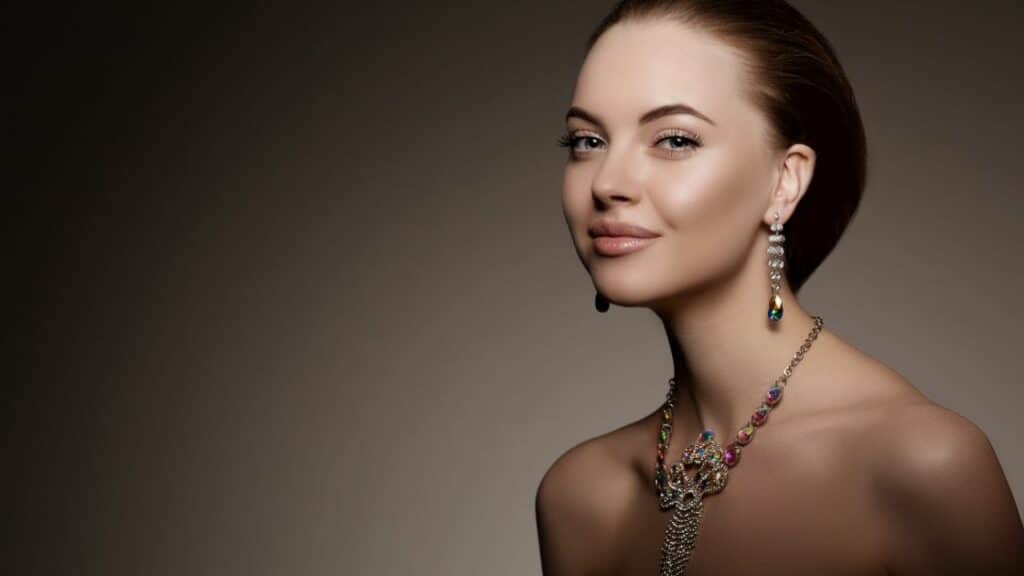
High fashion photography aims to create the illusion of flawlessness.
This type uses famous people, mainly supermodels or well-known actors, in exotic locations wearing over-the-top wardrobes.
If you’ve seen magazine covers from big brands like Vogue, you’ve likely come across what we’d call high fashion photography.
This style is one of the hardest to master because it involves a lot of difficult decisions.
The photographer has to achieve glamour consistently, and there’s very little room for error.
Unlike other types of fashion photography, high fashion is extremely demanding. The photographer needs to set a tone and capture the audience’s attention at first glance.
2. Catalog Photography
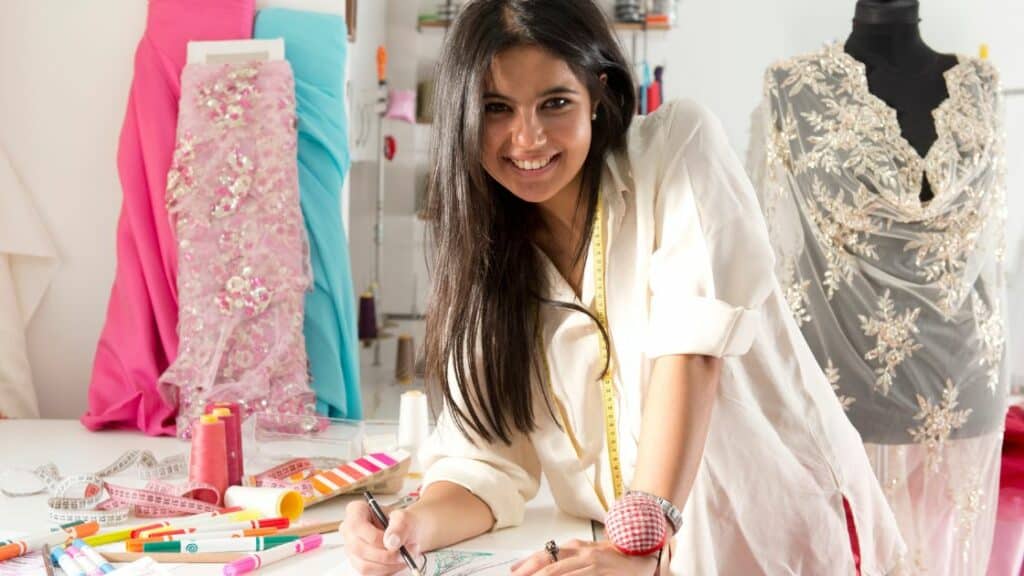
Catalog photography is the best place to start if you’re just beginning your fashion photography career. It’s the simplest of the bunch because the focus is squarely on marketing clothes.
For more on this, take a look at our cameras for wedding photography guide.
There’s less creative pressure in this type of photography. All you really need to do is present the fashion item in good light.
Catalog photography uses color on the clothing but typically features a plain background so the viewer’s attention stays on the outfit as the primary selling point.
Your main job as a catalog photographer is to use natural light and a bit of skill to capture as much detail as possible while keeping the background from stealing focus.
Unlike high fashion with its exotic locations, catalog photography aims to show models in everyday life settings.
3. Editorial Fashion Photography

Editorial photography is a bit more complex because it aims to tell a story. The photos involved here usually follow a theme and are tied to a specific backstory.
In many cases, editorial pictures accompany written text and appear in newspapers and publications to create a visual representation of the concept being discussed.
The advantage of editorial photography is that it encourages creativity. Depending on the theme you’re going for, you can use multiple techniques to tell your story however you see fit.
This type of photography opens up a world of opportunities for photographers to express themselves without restrictions.
4. Street Fashion Photography

Unlike high fashion, street photography is one of the newer additions to the fashion photography family.
This type, much like editorial photography, encourages creativity in an informal, rule-free environment.
The beauty of street photography is that it runs on carefree, fun-loving energy. It uses people in their natural environment wearing everyday street fashion.
In street fashion, it’s not about what you’re wearing but how it makes you feel. The photos mostly show people having fun and posing confidently in their rugged jeans and sundresses.
Street photography has no strict rules, and it’s primarily a form of self-expression rather than fine art.
Bottom Line
There are plenty of avenues for aspiring fashion photographers to make a living. All you need is diligence, confidence, and an eye for detail.