Nikon D3500 Wedding Photography Settings
The Nikon D3500 is a solid entry-level DSLR that punches well above its price tag. Whether you’re covering a local event or a full wedding ceremony, getting your Nikon D3500 wedding photography settings dialed in is what separates OK shots from the kind of photos your clients will frame.
The D3500 comes equipped with a 24MP APS-C CMOS sensor, an Expeed 4 image processor, and an 11-point autofocus system. It’s lighter and cheaper than its predecessor, the D3400, and has better battery life too. With the right settings, this camera delivers professional-looking wedding photos.
If you want to go pro with your wedding photography the 3 wedding lenses below would be the best pair with your Nikon D3500




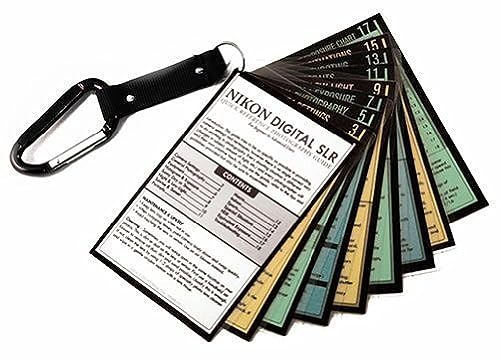
Recommended Settings for Nikon D3500 Wedding Photography
Step 1. Stabilize Your Camera
Before touching any other settings, make sure your camera is stable. Shaky hands lead to blurry photos, and you can’t fix motion blur in post-processing.
A good tripod is your best friend at weddings. Look for one with rubber feet, flip locks, and adjustable angle positions. It keeps your D3500 steady during long ceremonies and lets you focus on composition rather than worrying about camera shake.
For more on this, take a look at our Nikon D5300 wedding photography guide.
Step 2. Set the ISO
Nikon D3500 wedding photography – ISOISO is one of the most important settings for Nikon D3500 wedding photography. It controls how sensitive your sensor is to light, and wedding venues are well known for inconsistent lighting.
For indoor weddings with decent natural light, start at ISO 400. If the venue is bright and well-lit, drop to ISO 100 to keep noise to a minimum. In darker settings like dimly lit churches or evening receptions, push higher, up to ISO 1600 or beyond.
The D3500 handles moderate ISO well, but image noise starts showing up above ISO 3200. Stay below that threshold when you can.
Step 3. Adjust the Shutter Speed
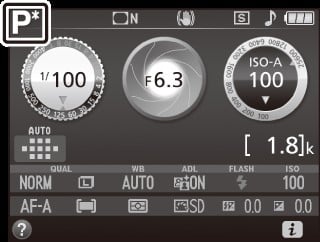
Shutter speed depends entirely on what’s happening in front of your lens. For still moments like the couple exchanging vows or posed portraits, a shutter speed around 1/60s works well.
On a similar note, our Nikon D3500 flash article has more practical tips.
When there’s movement, like the first dance or guests walking down the aisle, bump it up to 1/250s or 1/300s to freeze the action. Going too high in low light will darken your images, so balance it against your ISO and aperture settings.
A reliable starting point for most wedding situations is 1/125s. It gives you enough speed to handle light movement without sacrificing too much exposure.
Step 4. Use Flash
Most wedding venues have uneven lighting. Some spots are well-lit while others are practically dark corners. Flash helps fill in those gaps.
The Nikon D3500 has a built-in pop-up flash that works fine for subjects close to you. For anything farther away, like capturing the full dance floor or a distant toast, you’ll want an external speedlight.
Before buying an external flash, confirm it’s compatible with the D3500. And whenever possible, bounce the flash off ceilings or walls. It creates softer, more natural-looking light compared to pointing the flash directly at people.
Step 5. Choose the Right Lens
Weddings are unpredictable. You won’t always have room to stand where you want, and subjects move around constantly. A quality zoom lens gives you the flexibility to shoot wide venue shots and tight close-ups without swapping lenses mid-ceremony.
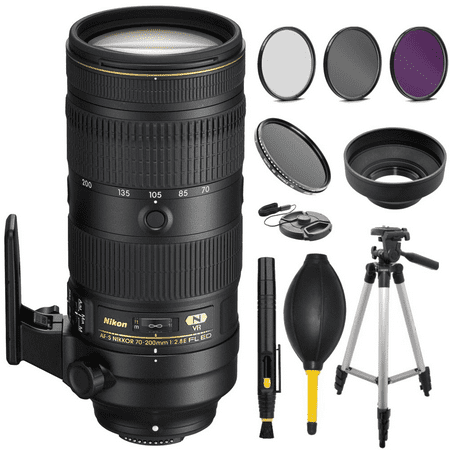
A fast zoom like a 70-200mm f/2.8 lets you capture candid moments from across the room, while a 35mm or 50mm prime excels at low-light portrait work. Check out this list of the best Nikon lenses for wedding photography to find the right match for your D3500.