How to Work with Nikon D3500 Shutter Speed
Taking great photos takes practice, and even the best camera won’t save you if you don’t know how to set it up properly. The Nikon D3500 is an excellent entry-level DSLR, but getting the most out of it means understanding how Nikon D3500 shutter speed works in different shooting situations.
Here’s the basic idea: the faster your shutter speed, the less light hits the sensor, which means a darker image. On the flip side, a slower shutter speed lets in more light but introduces motion blur. Knowing when to use each is what separates good shots from great ones.
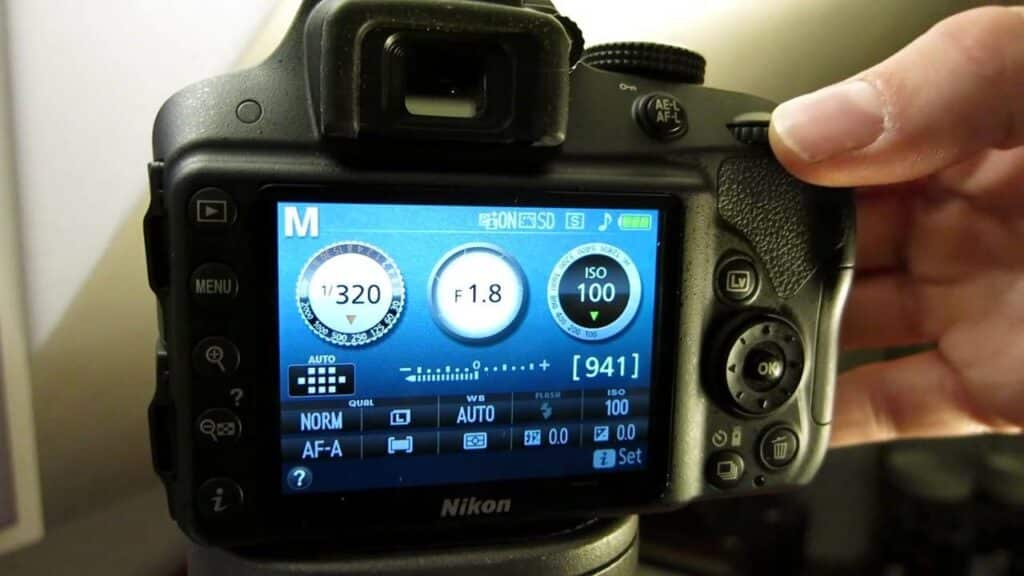
Taking the right shots on varied Nikon D3500 Shutter Speeds
1. For action shots

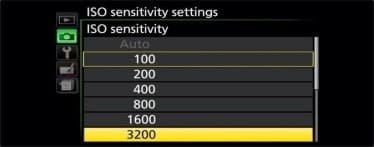
- When you’re shooting action with the Nikon D3500, crank up the shutter speed. Fast-moving subjects need fast shutter speeds to freeze the motion.
- Turn the Mode dial to S (Shutter Priority). This lets you control the shutter speed while the camera automatically picks the right aperture for proper exposure.
- Use the Command dial to select your shutter speed based on how fast your subject is moving. For the fastest subjects, 1/320 seconds or higher is a good starting point. For slower-moving subjects, try 1/250 or 1/125 seconds (check the reference images). As you increase shutter speed, the camera compensates by adjusting the aperture.
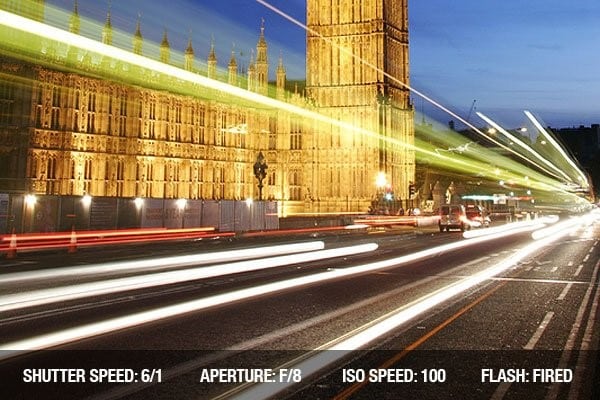
- You can also try the opposite approach. Pick a slow shutter speed to intentionally blur moving objects. This technique creates cool effects with colorful or light-emitting subjects.
- Bump up the ISO if you need a faster shutter speed in low light. A higher ISO lets the camera choose a narrower aperture, which also increases your depth of field and helps with sharpness.
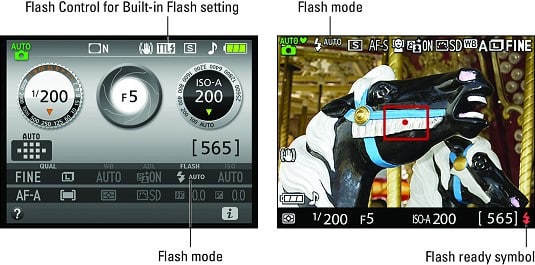
- When using flash, remember that the fastest sync speed is 1/200 second. Going above this will give you black bars in your image.
- For burst shooting, set the Release mode to Continuous and hold down the shutter button. This is great for tracking unpredictable action.
- Switch to a speed-oriented autofocus mode like AF-C (Continuous Servo) to keep moving subjects sharp.
2. For the general shoot
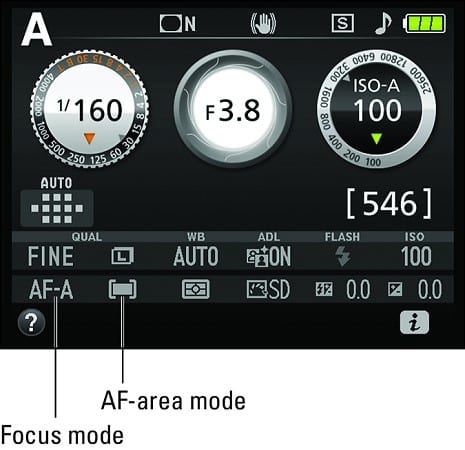
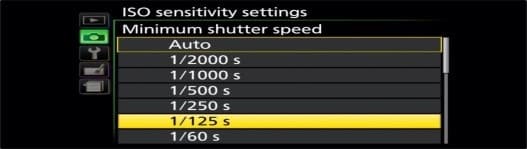
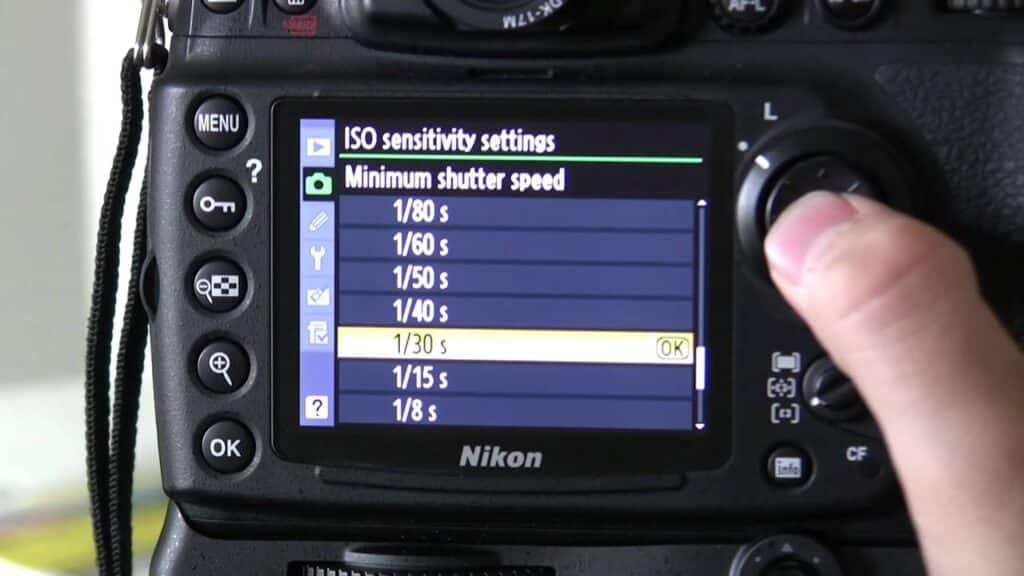
- For everyday shooting, the Auto setting works just fine. You can also set a specific minimum shutter speed if you want more control over how the camera handles things.
- When shooting sports or any moving subjects, 1/30 seconds is way too slow. Aim for at least 1/250 second to freeze the action.
- On the other hand, 1/30 is actually too fast for nighttime city scenes where you want to capture light trails and ambient glow.
3. For portraits
- For portrait mode, your main goal is to keep the subject sharp while blurring the background nicely.
- Set the Mode dial to A (Aperture Priority) and choose a low f-stop value. This opens up the aperture and lets in more light while creating that creamy background blur.
- Always pay attention to your f-stop. Lower values mean softer backgrounds, which is usually what you want for portraits.
- For group portraits, avoid going too low with your f-stop. You need a wider depth of field to keep everyone in focus. Experiment with different f-stops to find the sweet spot.
- Try switching to aperture-priority mode, then select your shutter speed and rotate the Command dial to adjust the f-stop as needed.
- To soften the background even more, zoom in, get closer to your subject, and increase the distance between the subject and the background.
- A lens with a focal length of 85 to 120mm is ideal for portraits. It compresses the background and flatters facial features.
- Check your composition before shooting. Small adjustments can make a big difference.
- For indoor portraits, consider going flash-free. Natural light from a window creates softer illumination and avoids the red-eye problem. Here’s the formula: turn off the flash, switch on room lights, and position your subject near a window with natural sunlight coming through.
- When you do use flash, remember the top sync speed is 1/200 second.
- Press and hold the shutter button halfway to activate exposure metering and autofocus before taking the shot.
- For more precise focus control, switch the lens to manual focus mode and twist the focusing ring until your subject is sharp.
- Then press the shutter button fully to capture your image.
4. For formal portraits
- Switch to Manual mode, then set the shutter speed to 1/60 second, aperture to F5.6, and ISO to 400. This is a reliable starting point for controlled environments.
- For a more dramatic look, dial the exposure down by -2 stops to make your subject stand out against a darker background. Raising the shutter speed helps you achieve this effect.
5. For Landscape
- Slow shutter speeds are common in landscape photography, so use a tripod whenever possible. If you don’t have one, turn on the Optical VR (Vibration Reduction) feature to help compensate for camera shake.
- For nighttime cityscapes, try a shutter speed of around 10 seconds. This creates those beautiful neon light trail effects that make city photos pop.
- For even longer exposures, set the shutter speed to Bulb mode. This keeps the shutter open for as long as you hold the button, giving you total control over exposure time.
Final say:
Now that you understand how to adjust your Nikon D3500 shutter speed for different scenarios, it’s time to put this knowledge to work. Grab your D3500, head out, and start experimenting. The more you practice with these settings, the faster you’ll develop an instinct for which shutter speed works best in any given situation.
For a look at the best Nikon bodies, see our top Nikon cameras guide.
For action photography, check our Nikon D90 action shots guide.
Shooting 4K? See our best 4K Nikon cameras roundup.