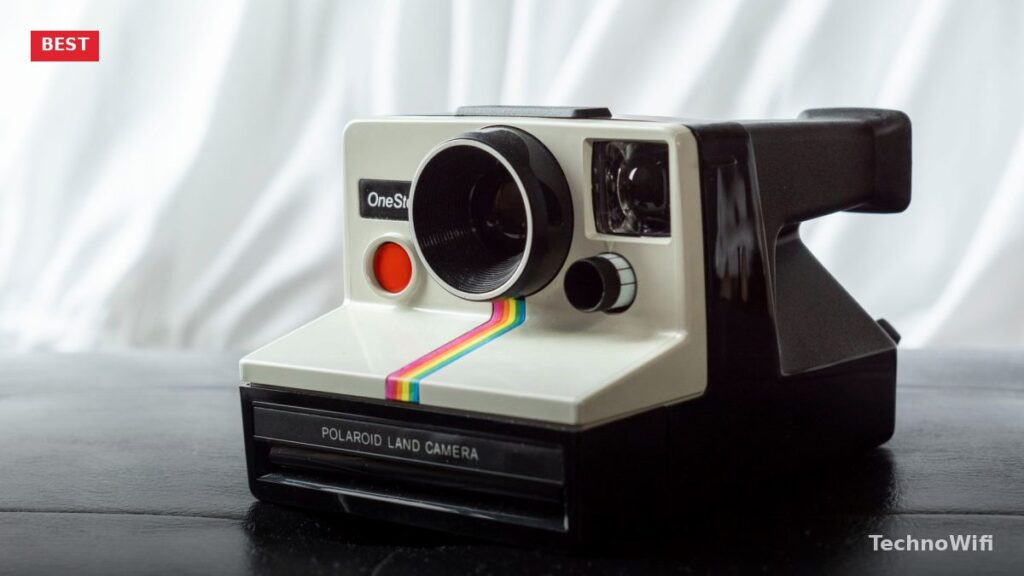
Instant cameras are having a moment that refuses to end. Despite cloud storage and infinite phone galleries, there’s something satisfying about holding a physical photo seconds after you take it. The best polaroid camera in 2026 does more than spit out a print. Today’s instant cameras offer creative controls, smartphone connectivity, and genuinely impressive image quality.
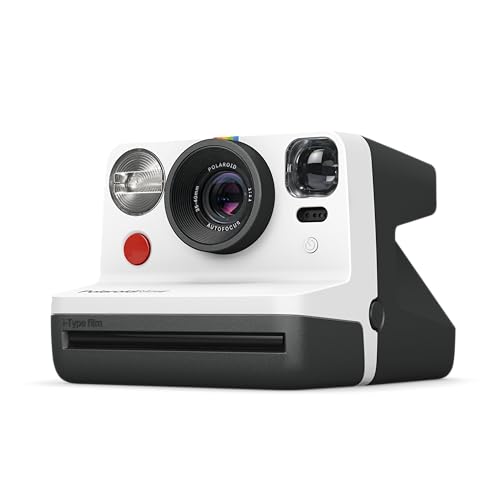
Fujifilm and Polaroid dominate this space, though they approach it differently. Fujifilm’s Instax line focuses on affordable film and variety across mini, square, and wide formats. Polaroid leans into nostalgia with its classic square prints and app-connected creative features. Both companies have released compelling new models that make choosing harder than ever.
We compared eight instant cameras across every price point. Film costs, print quality, ease of use, and creative features all factored into our picks. Here is what stands out in 2026 and which camera matches your shooting style.
What is the best polaroid camera to buy in 2026?
The Fujifilm Instax Mini Evo takes the top spot. It combines a retro film-camera design with modern hybrid features, letting you shoot, preview on screen, and print only the photos you love. That alone saves a fortune on film. However, it is not the only strong option on the market right now.
Polaroid fans who want the classic large-format look should consider the Polaroid Now+ or the new Polaroid Flip. Meanwhile, beginners and younger photographers can grab an Instax Mini 12 for just $70 and start shooting immediately. Budget-conscious buyers also have the tiny Polaroid Go Gen 2, which slips into a jacket pocket.
Here is how all eight cameras compare on the specs that matter most.
| Camera | Film Format | Print Size | Key Feature | Best For | Price Range |
|---|---|---|---|---|---|
| Fujifilm Instax Mini Evo | Instax Mini | 2.4 x 1.8 in | Hybrid digital + instant | Best overall | ~$200 |
| Polaroid Now+ | i-Type | 3.1 x 3.1 in | App with manual modes | Best for creative shooters | ~$150 |
| Polaroid Flip | i-Type | 3.1 x 3.1 in | Sonar autofocus, 4-lens system | Most advanced Polaroid | ~$170 |
| Fujifilm Instax Wide 400 | Instax Wide | 3.9 x 2.4 in | Largest instant prints | Best for group shots | ~$120 |
| Fujifilm Instax Mini 12 | Instax Mini | 2.4 x 1.8 in | Automatic exposure | Best for beginners | ~$70 |
| Polaroid Go Gen 2 | Go | 2.6 x 2.1 in | Ultra-compact body | Best budget portable | ~$70 |
| Fujifilm Instax Square SQ6 | Instax Square | 2.4 x 2.4 in | Square format, selfie mirror | Best square format | ~$100 |
Fujifilm Instax Mini Evo – best instant camera overall
The Instax Mini Evo is the most versatile instant camera you can buy right now. It works as both a digital camera and an instant printer, which fundamentally changes how you use it. Take as many shots as you want, review them on the rear LCD screen, and only print the ones worth keeping. That hybrid approach saves film and money while still delivering the tactile joy of a physical print.
Retro styling makes this camera a joy to carry around. The body features analog-style dials and a classic rangefinder shape that looks like it belongs in a vintage camera shop. Despite the throwback design, the technology inside is thoroughly modern. Ten lens effects and ten film simulation modes give you 100 possible creative combinations. Dial in a soft-focus portrait look, a vivid landscape style, or a faded vintage aesthetic before printing.
Low-light performance is surprisingly strong for an instant camera. The sensor pulls in enough light for indoor party shots and evening outdoor photos without the washed-out flash look that plagues cheaper models. You can also print photos directly from your smartphone over Bluetooth, turning the Mini Evo into a portable photo printer for your phone gallery.
At roughly $200, the Mini Evo costs more than most instant cameras on this list. However, the money you save by not wasting film on bad shots adds up quickly. Instax Mini film runs about $0.60 per shot, which is the cheapest option among all the formats covered here. For anyone who wants creative control and instant prints without the guesswork, this is the camera to get.
Which Polaroid camera has the best creative features?
Polaroid Now+ – best for app-connected creativity
The Polaroid Now+ connects to your smartphone via Bluetooth, unlocking a suite of manual controls that no other Polaroid offers. Through the Polaroid app, you gain access to double exposure mode, light painting, aperture priority, and manual focus. These features transform what would otherwise be a simple point-and-shoot into a genuinely expressive creative tool.
Double exposure mode is the standout. Layer two images onto a single frame for surreal, artistic results. Light painting mode holds the shutter open so you can write with flashlights, sparklers, or phone screens in a dark environment. Aperture priority lets you control depth of field, giving you the ability to blur backgrounds in portraits. None of these features exist on the basic Polaroid Now.
The camera itself shoots on i-Type film, which produces the classic 3.1 by 3.1 inch Polaroid square prints that most people picture when they think of instant photography. Colors develop with that signature warm, slightly dreamy Polaroid look that digital filters try to imitate. The autofocus system handles both close-up and landscape distances well, switching automatically based on subject distance.
Film cost is the trade-off. Polaroid i-Type film runs roughly $1.00 per shot, making it nearly twice as expensive as Fujifilm Instax Mini film. A pack of eight frames costs about $8, and you will burn through packs faster than you expect. Additionally, Polaroid film is more sensitive to temperature and light during development. Shield your prints from direct sunlight for the first few minutes or the colors will shift.
Polaroid Flip – most advanced Polaroid camera
The Polaroid Flip represents the most technically capable camera Polaroid has ever made. A sonar autofocus system bounces ultrasonic pulses off your subject to lock focus precisely, even in dim lighting where optical systems struggle. This is the same type of autofocus technology that the legendary Polaroid SX-70 Sonar used decades ago, now refined and modernized.
Four separate lenses handle different shooting scenarios automatically. The camera selects the right lens based on your subject distance and lighting conditions, which produces sharper results than single-lens instant cameras can manage. A powerful flash with variable brightness adapts to the environment rather than blasting every scene with the same harsh light. Indoor group photos and nighttime shots look noticeably better as a result.
Build quality is a step up from the Now+. The body feels more substantial in hand, and the folding mechanism that gives the Flip its name adds a satisfying tactile element to the shooting experience. It folds flat for transport and opens smoothly when you are ready to shoot.
At roughly $170, the Flip sits between the Now+ and the Instax Mini Evo in price. It uses the same i-Type film as the Now+, so film costs remain at about $1.00 per shot. The premium price is justified by the superior autofocus, multi-lens system, and flash performance. Serious Polaroid enthusiasts who want the best image quality from the Polaroid ecosystem should choose the Flip over the Now+.
What is the best instant camera for beginners?
Fujifilm Instax Mini 12 – simplest instant camera to use
The Instax Mini 12 strips away complexity and lets you focus entirely on taking pictures. There are no apps to connect, no settings to adjust, and no learning curve to overcome. Turn the lens barrel to power on, point at your subject, and press the shutter button. Automatic exposure handles the rest, adjusting for bright sunlight, cloudy skies, and indoor lighting without any input from you.
A close-up mode activates when you twist the lens barrel to the marked position. This lets you take selfies or photograph objects as close as 12 inches away. A small mirror next to the lens helps you frame selfies, which is a thoughtful touch on a camera with no screen whatsoever. The results are consistent and predictable, which is exactly what a beginner needs.
At roughly $70, the Mini 12 is one of the most affordable instant cameras available. Instax Mini film at about $0.60 per shot keeps the ongoing cost manageable. The camera comes in several pastel colors that appeal to younger photographers and gift-givers. It runs on two AA batteries, which means no charging cables or proprietary battery packs.
The limitation is creative control, or rather the absence of it. You cannot adjust exposure, focus distance (beyond the close-up toggle), or apply any effects. What you see through the viewfinder is roughly what you get on the print. For photographers who want manual options, the Instax Mini Evo or Polaroid Now+ are better choices. But for parties, vacations, and everyday snapshots, the Mini 12 does its job without fuss.
What instant camera takes the biggest photos?
Fujifilm Instax Wide 400 – largest instant prints available
The Instax Wide 400 produces prints nearly twice the size of standard Instax Mini photos. At 3.9 by 2.4 inches, the wide format gives your images room to breathe. Group shots, landscapes, and event photos all benefit from the extra real estate. Details that get lost in a mini print are clearly visible on a wide print.
Operation is straightforward and beginner-friendly. Automatic exposure handles lighting adjustments, and a dedicated close-up lens attachment ships with the camera for subjects within arm’s reach. The viewfinder is larger than those on mini-format cameras, making it easier to compose your shots accurately. Two AA batteries power the camera, so you can pick up replacements anywhere.
Instax Wide film costs roughly $0.90 per shot, placing it between the cheaper Mini format and the more expensive Polaroid i-Type film. Each pack contains ten frames. The wider prints use more chemistry and materials, which explains the higher price per shot compared to Mini film.
The camera body itself is the bulkiest on this list. It will not fit in a jacket pocket or a small bag. Plan on carrying it in a dedicated camera bag or backpack. There are also no digital features, no app connectivity, and no creative modes. This is a pure analog experience. For photographers who prioritize print size above all else, the Wide 400 delivers the biggest instant photos you can get without moving to a professional instant film system.
What is the most portable instant camera?
Polaroid Go Gen 2 – smallest instant camera you can carry
The Polaroid Go Gen 2 is tiny. It fits in a coat pocket, a small crossbody bag, or even a large pants pocket. Polaroid designed it specifically for people who want instant photography without the bulk that usually comes with it. The camera uses Go film, which is the smallest instant film format currently available, producing prints that measure 2.6 by 2.1 inches.
Despite its compact size, the Go Gen 2 includes a self-timer and a double exposure mode. The self-timer lets you set the camera down and jump into the frame, while double exposure opens up creative layering possibilities. A selfie mirror next to the lens helps with self-portraits. These features are impressive given how small the camera body is.
At roughly $70, the Go Gen 2 matches the Instax Mini 12 as the most affordable option on this list. Go film costs slightly more per shot than Instax Mini, but the difference is not dramatic. The rechargeable battery is a welcome convenience compared to cameras that require disposable AA batteries.
Print size is the obvious trade-off. Go prints are noticeably smaller than both Instax Mini and standard Polaroid i-Type prints. Fine details can get lost, and the images work better as keepsakes and fridge decorations than as display prints. The smaller film format also means fewer third-party accessories and film varieties compared to the more established Instax Mini and Polaroid i-Type ecosystems.
Fujifilm Instax Square SQ6 – best square format instant camera
The Instax Square SQ6 occupies a middle ground between the mini and wide formats. Square prints measure 2.4 by 2.4 inches, which gives you more image area than a mini print while keeping the camera body reasonably compact. The square aspect ratio also has an aesthetic appeal that works particularly well for portraits, food photos, and symmetrical compositions.
A built-in selfie mirror and automatic exposure make everyday shooting simple. Beyond the basics, the SQ6 offers a double exposure mode for creative layering, three color flash filters for tinted lighting effects, and a landscape mode that sets the focus to infinity. These features give you more creative options than the Instax Mini 12 without the complexity of the Instax Mini Evo.
Instax Square film runs roughly $0.80 per shot, positioning it between the affordable Mini format and the pricier Polaroid i-Type. At around $100, the camera itself is moderately priced. The SQ6 uses a lithium battery that Fujifilm includes in the box, and it lasts for approximately 300 shots before needing replacement.
The SQ6 lacks any digital features or app connectivity. You cannot preview shots before printing or connect to your phone. Every frame you shoot gets printed immediately, so film discipline matters. For photographers who love the square format but find Polaroid i-Type film too expensive, the SQ6 with Instax Square film offers a more affordable path to square instant prints.
How much does instant camera film cost per shot?
Film cost is one of the most important factors when choosing an instant camera, yet many buyers overlook it entirely. The camera itself is a one-time purchase, but film is an ongoing expense that adds up over months and years. Choosing a camera with cheaper film can save you hundreds of dollars over the camera’s lifetime.
Fujifilm Instax Mini film is the most affordable option at roughly $0.60 per shot when bought in bulk packs. A twin pack of 20 frames typically costs around $12. Instax Square film runs about $0.80 per shot, and Instax Wide film costs approximately $0.90 per shot. All three Fujifilm formats are widely available at retailers, pharmacies, and online stores.
Polaroid i-Type film is the most expensive mainstream option at roughly $1.00 per shot. A standard pack of eight frames costs about $8. Polaroid Go film falls in a similar price range when calculated per print. Polaroid film is available at the same retailers, though the selection tends to be smaller than Fujifilm’s offerings. Both brands offer special edition film packs with colored frames, black-and-white emulsions, and seasonal designs at premium prices.
| Film Format | Compatible Cameras | Cost Per Shot | Frames Per Pack | Print Size |
|---|---|---|---|---|
| Instax Mini | Mini Evo, Mini 12 | ~$0.60 | 10 or 20 | 2.4 x 1.8 in |
| Instax Square | SQ6 | ~$0.80 | 10 | 2.4 x 2.4 in |
| Instax Wide | Wide 400 | ~$0.90 | 10 | 3.9 x 2.4 in |
| Polaroid i-Type | Now+, Flip | ~$1.00 | 8 | 3.1 x 3.1 in |
| Polaroid Go | Go Gen 2 | ~$1.00 | 16 | 2.6 x 2.1 in |
How do I choose the right instant camera?
Start by deciding what matters most to you: print size, creative control, portability, or cost per shot. Each of these factors points you toward a different camera. Fortunately, the decision becomes clear once you identify your top priority.
Print size is the first fork in the road. If you want the biggest prints possible, the Instax Wide 400 is your only option in the instant camera world. Polaroid i-Type cameras produce the classic square prints that look great on walls and in scrapbooks. Instax Mini and Go formats are smaller and more casual, better suited for wallets, journals, and photo boards.
Creative control ranges from zero to substantial across these cameras. The Instax Mini 12 and Instax Wide 400 are fully automatic with no manual options. At the opposite end, the Polaroid Now+ offers app-connected manual modes including double exposure and light painting. The Instax Mini Evo sits in between with its lens effects and film simulations. Match your desire for creative input with the camera’s feature set.
Portability varies significantly. The Polaroid Go Gen 2 is the smallest by a wide margin, followed by the Instax Mini 12. The Instax Wide 400 is the bulkiest. Consider where and how you plan to carry the camera. A camera that stays home because it is too big to bring along defeats the purpose of instant photography.
Film cost deserves serious thought if you plan to shoot frequently. Someone who takes 20 instant photos a week will spend roughly $624 per year on Instax Mini film versus $1,040 per year on Polaroid i-Type film. That $416 difference over a single year exceeds the cost of most cameras on this list. The Instax Mini Evo further reduces waste by letting you preview before printing, which effectively lowers your per-keeper cost even more.
Do instant cameras work well indoors and at night?
Indoor and nighttime performance varies widely across instant cameras. Every model on this list has a built-in flash, but flash quality and sensor capability differ significantly. Understanding these differences will save you from disappointing prints in challenging lighting.
The Polaroid Flip performs best in low light thanks to its variable-brightness flash and sonar autofocus. Instead of blasting every dark scene with the same harsh burst, the Flip adjusts flash output to match the distance and ambient light. Subjects look naturally lit rather than washed out. The sonar autofocus also locks onto subjects accurately in dim conditions where simpler cameras hunt and miss.
Fujifilm’s Instax Mini Evo handles indoor lighting well because its digital sensor can gather more light before committing the image to a print. You can review the shot on screen and decide whether the exposure looks right before wasting a frame. This preview capability is invaluable at parties, restaurants, and evening events where lighting is unpredictable.
Budget cameras like the Instax Mini 12 and Polaroid Go Gen 2 rely on basic automatic flash that fires at full power regardless of the scene. Results are acceptable for subjects within about five feet but fall off quickly beyond that range. Backgrounds go dark while nearby subjects get overexposed. For casual indoor snapshots at arm’s length, these cameras work fine. For larger rooms or outdoor night scenes, expect mixed results.
Frequently Asked Questions
How long do instant camera prints take to develop?
Fujifilm Instax prints develop fully in about 90 seconds. The image begins appearing within 10 to 15 seconds after ejection and reaches full color saturation within a minute and a half. Polaroid prints take longer, typically 10 to 15 minutes for full development. During this time, shield Polaroid prints from direct sunlight and extreme temperatures. Placing a fresh Polaroid print face-down or inside a pocket helps it develop evenly. Contrary to the popular myth, shaking an instant photo does not speed up development and can actually harm the image.
Can I use old Polaroid 600 film in new Polaroid cameras?
No. Current Polaroid cameras like the Now+ and Flip use i-Type film, which does not include a battery in the film pack. Polaroid 600 film contains a battery that powers the camera, making it compatible only with vintage 600-series cameras. The two formats are the same physical size and produce identical prints, but the electrical difference means they are not interchangeable. Using 600 film in an i-Type camera or vice versa will not damage the camera, but the film will not function correctly.
Is Instax Mini film compatible with all Instax Mini cameras?
Yes. Instax Mini film works in every Instax Mini camera Fujifilm has ever made, including the Mini 12, Mini Evo, and all older models going back to the original Mini. This universal compatibility is one of the biggest advantages of the Instax Mini system. You can buy any specialty or limited-edition Instax Mini film and use it in whichever Mini camera you own.
Do any instant cameras save digital copies of photos?
The Fujifilm Instax Mini Evo saves digital copies of every photo to an internal memory or microSD card. You can also transfer images to your smartphone over Bluetooth. Most other instant cameras on this list are fully analog and do not save digital copies. The Polaroid Now+ and Flip do not store digital files, though the Polaroid app can control the camera remotely and some users photograph their prints with a phone as a backup.
What happens if instant film gets too hot or too cold?
Extreme temperatures affect both unused film and developing prints. Store film between 41 and 95 degrees Fahrenheit for best results. Cold temperatures slow down development and can shift colors toward blue or green tones. Excessive heat causes prints to develop too quickly, often resulting in washed-out or reddish images. Unopened film packs should be stored in a cool, dry place. Refrigerating unopened film can extend its shelf life, but always let refrigerated film warm to room temperature before loading it into your camera.
Are instant cameras good gifts?
Instant cameras rank among the most popular tech gifts for good reason. They are fun to use immediately out of the box, require no technical knowledge, and produce a physical keepsake that digital cameras cannot match. The Instax Mini 12 and Polaroid Go Gen 2 are the best gift choices at $70 each. Include a pack or two of film with the camera so the recipient can start shooting right away. For creative adults, the Polaroid Now+ at $150 makes an impressive and thoughtful present.
Sources
Fujifilm – instax.com, Polaroid – polaroid.com, Tom’s Guide Instant Camera Reviews – tomsguide.com, Digital Photography Review – dpreview.com, TechRadar Instant Camera Buying Guide – techradar.com
TechnoWifi is reader-supported. When you buy through links on our site, we may earn an affiliate commission. Product specifications and prices are accurate as of the date of publication and may change. Always verify current details with the manufacturer or retailer before purchasing.