When you purchase through links on our site, we may earn an affiliate commission. Here’s how it works.
Outdoor security cameras have come a long way in the past few years. Better night vision, sharper resolution, smarter AI detection, and more flexible power options mean you can keep an eye on your property without running wires or paying for professional installation. But with dozens of brands and models competing for your attention, picking the right one isn’t straightforward.
We’ve narrowed it down to five outdoor security cameras that cover different budgets and priorities, from premium smart home integration to no-subscription options that won’t nickel-and-dime you with monthly fees.
Our Top 5 Outdoor Security Camera Picks
1. Arlo Pro 2. Best for Smart Home Integration
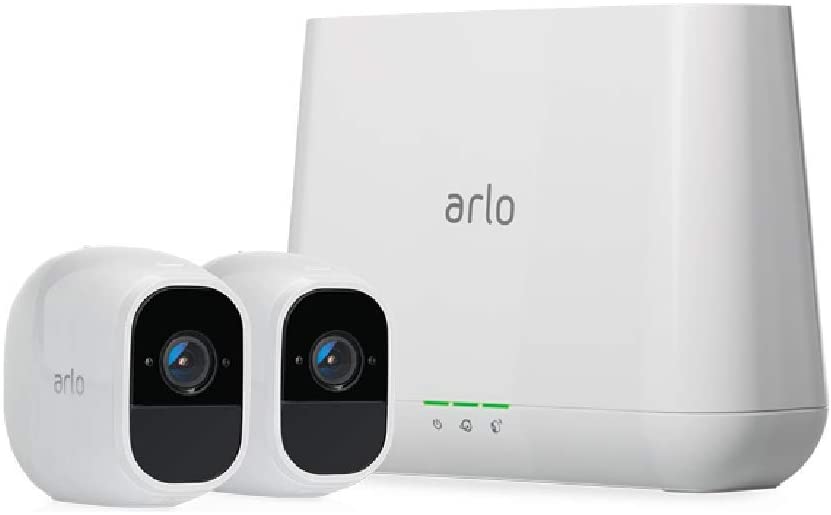
Best Outdoor Home Security Cameras – Arlo Pro 2
The Arlo Pro 2 remains one of the most versatile outdoor security cameras you can buy. It shoots 1080p video with a 130-degree field of view, works on battery or plugged in, and integrates with Alexa, Google Assistant, and Apple HomeKit. That last point matters, not many security cameras play nice with all three ecosystems.
Night vision extends to about 25 feet, which covers a front porch or driveway adequately. Motion detection is customizable through activity zones, letting you ignore the sidewalk and focus on your door or garage. Two-way audio lets you talk to visitors (or scare off porch pirates) from your phone.
The main downside is that Arlo pushes you toward their subscription plans for cloud recording and advanced features. Without a plan, you get limited functionality. The hardware itself is mature and reliable, though, this camera has been on the market long enough that most of the early bugs have been worked out.
Best for: People who want a wireless camera that works with any smart home platform.
2. Google Nest Cam (Outdoor). Best for Google Home Users
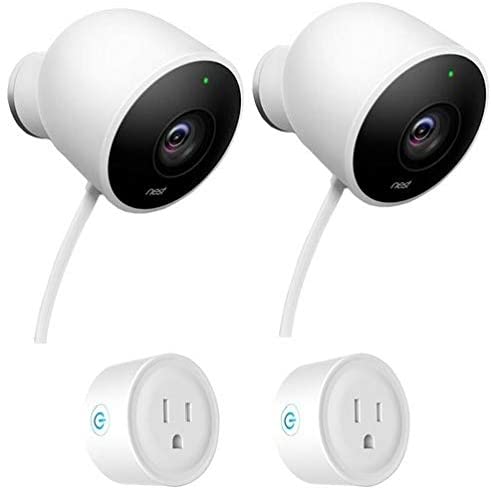
Best Outdoor Home Security Cameras – Nest Cam
If your home already runs on Google Home, the Nest Cam Outdoor is the natural choice. It integrates smoothly with Google Assistant, Nest speakers, and Nest Hub displays, you can say “Hey Google, show me the backyard” and your smart display will pull up the live feed immediately.
The camera records 1080p HDR video with excellent color accuracy, even in tricky lighting conditions like a shaded porch on a sunny day. Google’s AI-powered alerts can distinguish between people, animals, and vehicles, which dramatically cuts down on false notifications from blowing leaves or passing cars.
One of the Nest Cam’s best features is three hours of free event recording stored locally on the camera, even without a Nest Aware subscription. If someone steals the camera, you still have footage of them approaching. With a Nest Aware subscription, you get continuous 24/7 recording and 60 days of event history.
Best for: Google Home households that want tight integration and intelligent alerts.
3. Ring Stick Up Cam. Best for Ring Ecosystem
The Ring Stick Up Cam is Amazon’s do-everything outdoor camera. It comes in battery, plug-in, and solar-powered versions, so you can mount it virtually anywhere, no electrical outlet required. Setup takes about five minutes through the Ring app, and it integrates perfectly with Alexa and other Ring devices like doorbells and alarm systems.
Video quality is 1080p with color night vision on newer models, and the camera handles two-way talk with noise cancellation. Motion detection zones let you customize exactly which areas trigger alerts. If you already have a Ring doorbell, adding Stick Up Cams to cover your backyard or side yard creates a full security network managed through a single app.
Like Arlo, Ring pushes its subscription service (Ring Protect) for video recording and sharing. Without it, you can only view live streams, no recorded clips. The Basic plan is affordable, though, and covers a single camera.
Best for: Amazon/Alexa households, especially those already using Ring doorbells.
4. Eufy SoloCam S340. Best No-Subscription Option
If monthly subscription fees drive you crazy, Eufy is the brand to look at. The SoloCam S340 records 3K resolution video and stores everything locally on 8 GB of built-in storage, no cloud subscription needed, ever. You own your footage, full stop.
The S340 stands out with a dual-lens design: a wide-angle lens for general monitoring and a telephoto lens that can zoom in to capture faces and license plates with impressive clarity. It has a built-in solar panel, so you never need to recharge or replace batteries. Just mount it somewhere that gets a few hours of sunlight and it runs indefinitely.
AI-powered human detection reduces false alerts from animals and cars. The camera also supports 360-degree pan and tilt, which is unusual for a solar-powered camera. Night vision is solid with color capability in areas with some ambient light.
Best for: Anyone who refuses to pay monthly subscription fees and wants high-resolution recording with local storage.
5. Blink Outdoor 4. Best Budget Option
The Blink Outdoor 4 is hard to beat on price. Amazon-owned Blink keeps costs low while delivering the essentials: 1080p video, infrared night vision, two-way audio, and weather resistance rated for temperatures from -4 to 113 degrees Fahrenheit.
What makes the Blink Outdoor uniquely appealing is its battery life. Two AA lithium batteries power the camera for up to two years on a single set, depending on usage. That’s dramatically longer than rechargeable battery cameras like Arlo, which typically need recharging every few months.
The Blink Sync Module 2 lets you store clips locally on a USB drive, avoiding subscription fees entirely. You can also opt for a Blink subscription for cloud storage if you prefer. The camera integrates with Alexa but not Google Home or HomeKit, it’s firmly in the Amazon ecosystem.
Best for: Budget shoppers who want simple, reliable outdoor monitoring without high upfront costs.
Outdoor Security Camera Buyer’s Guide
Choosing the right camera depends on your specific situation. Here are the key factors to evaluate before buying.
Resolution and Image Quality
1080p is the baseline for outdoor security cameras in 2026. It’s sharp enough to identify faces at close range and read license plates if the camera is positioned correctly. Cameras like the Eufy S340 shoot at 3K or higher, giving you more detail for digital zoom, useful if the camera covers a wide area like a backyard or parking area.
HDR (high dynamic range) matters more than raw resolution in many outdoor scenarios. A camera with HDR handles the contrast between bright sunlight and deep shadows much better, preventing washed-out or overly dark footage.
Night Vision
All outdoor cameras offer infrared night vision, which produces black-and-white footage in the dark. Color night vision is increasingly common on mid-range and premium cameras, it uses a built-in spotlight or ambient light amplification to capture color footage at night. Color night vision makes it much easier to identify clothing colors, vehicle paint, and other details that get lost in black-and-white.
Weather Rating
Look for an IP65 or IP67 rating, which means the camera is protected against dust and water jets (IP65) or temporary submersion (IP67). Most outdoor cameras handle rain without issue, but extreme cold or heat can affect battery performance. Check the manufacturer’s operating temperature range if you live in a climate with harsh winters or very hot summers.
Storage Options: Cloud vs. Local
Cloud storage requires a monthly subscription but gives you access to footage from anywhere and protects recordings even if the camera is stolen or destroyed. Local storage (SD card, USB drive, or built-in memory) avoids recurring fees but puts your footage at risk if someone takes the camera.
The best approach for most people is a combination: local storage as a baseline with cloud backup for critical events. Cameras from Eufy and Blink offer solid local storage options, while Arlo, Nest, and Ring lean heavily toward cloud-based plans.
WiFi and Connectivity
Outdoor cameras run on your home WiFi network, and signal strength matters more than you might think. A camera mounted 50 feet from your router may struggle with a weak connection, leading to choppy video and delayed notifications. If your outdoor coverage area is far from the router, consider a WiFi extender or a mesh network system.
Most cameras operate on 2.4 GHz WiFi, which has better range than 5 GHz but lower bandwidth. For 1080p streaming, 2.4 GHz is perfectly adequate. Higher resolution cameras (3K, 4K) may benefit from 5 GHz if they support it and the signal reaches the mounting location.
Power Source
You have three main options: wired (plugs into an outlet), battery-powered, and solar-powered. Wired cameras never need recharging but require an outdoor outlet or running a cable. Battery cameras offer flexible placement but need periodic recharging. Solar cameras combine the best of both worlds if you can mount them where they get adequate sunlight.
Comparison Table
| Camera | Resolution | Night Vision | Power | Local Storage | Subscription |
|---|---|---|---|---|---|
| Arlo Pro 2 | 1080p | IR (B&W) | Battery / Wired | USB (with hub) | Optional (recommended) |
| Google Nest Cam | 1080p HDR | IR + HDR | Battery / Wired | On-device (3 hrs) | Optional |
| Ring Stick Up Cam | 1080p | Color / IR | Battery / Wired / Solar | No | Required for recording |
| Eufy SoloCam S340 | 3K | Color | Solar | 8 GB built-in | None needed |
| Blink Outdoor 4 | 1080p | IR (B&W) | Battery (2-year) | USB (with module) | Optional |
Frequently Asked Questions
Do I need a subscription for outdoor security cameras?
Not necessarily. Cameras like the Eufy SoloCam S340 and Blink Outdoor 4 offer local storage without any subscription fees. However, cloud subscriptions provide remote access to recordings, longer history, and protection against camera theft.
How far should a security camera be from WiFi?
Most outdoor cameras work reliably within 100 feet of a WiFi router with clear line of sight. Walls, metal siding, and other obstructions reduce that range. If your camera location is far from your router, add a WiFi extender or upgrade to a mesh network.
Can outdoor security cameras work in extreme weather?
Most outdoor cameras are rated for temperatures between -4 and 113 degrees Fahrenheit. Battery life decreases significantly in very cold weather. If you live in a region with harsh winters, consider a wired camera or one with a large battery capacity.
For more home security options, check out our guide to solar-powered wireless security camera systems. You can also browse our full camera coverage for photography and videography recommendations.