Looking for the best LG smart TVs? The answer depends a lot on your budget and what you plan to use the TV for. LG makes everything from affordable LED sets to high-end OLED panels, and they’ve been pushing into 8K territory too. Finding the right one comes down to matching features to your actual needs.
Best LG Smart TVs in 2026
To help you sort through the options, we’ve put together a list of the top LG TVs worth considering in 2026. We’ve compared picture quality, features, and value to figure out which models stand out at different price points.
| Best 75 Inch LG TV | Sizes | Display Technology | Panel Resolution | Connectivity Technology | HDR | Operating System | Weight |
|---|---|---|---|---|---|---|---|
| LG 4K UHD Smart IPS LED TV | 48, 55, 65, and 77 inches | LED | 4K (2160p) | Ethernet, HDMI, Wi-Fi, and USB | HDR10 and HLG HDR | WebOS | 78 pounds |
| LG OLED A1 Series | 48, 55, 65, and 77 inches | OLED | 4K (2160p) | Bluetooth, HDMI, Wi-Fi, and USB | HDR10 and HDR10 Pro | WebOS | 59.5 pounds |
| LG OLED C1 Series | 48, 55, 65, 77 and 83 inches | OLED | 4K (2160p) | Bluetooth, HDMI, Wi-Fi, and USB | HDR10 | WebOS | 79.1 Pounds |
| LG Ultra HD 3D Smart OLED TV | 55 and 65 inches | OLED | 4K (2160p) | HDMI and Wi-Fi | HDR10 and HLG HDR | WebOS | 56.9 pounds |
1. LG 4K Smart UHD TV
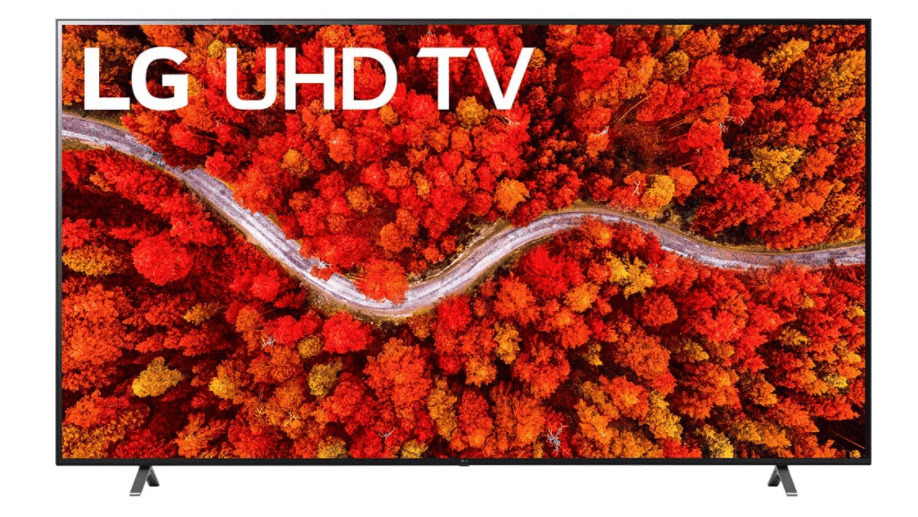
The LG 4K Smart UHD TV sits at the budget end of LG’s lineup, but don’t let the lower price fool you. The picture quality is surprisingly sharp and detailed for what you’re paying.
LG’s motion processing tech does a decent job of reducing blur, which makes fast-moving content like sports and action movies look noticeably cleaner. It’s not going to compete with their OLED sets on contrast or black levels, but for the price, it’s genuinely hard to complain.
On the smart TV side, it runs LG’s webOS platform and supports both Alexa and Google Assistant through LG ThinQ. If you’ve already got smart home devices, this TV fits right into that setup without any extra hardware.
Key Specifications
- Available Sizes: 48, 55, 65, and 77 inches
- Display Technology: LED
- Panel Resolution: 4K (2160p)
- Connectivity: Ethernet, HDMI, Wi-Fi, and USB
- HDR: HDR10 and HLG HDR
- Operating System: webOS
- Weight: 78 pounds
2. LG A1 Series
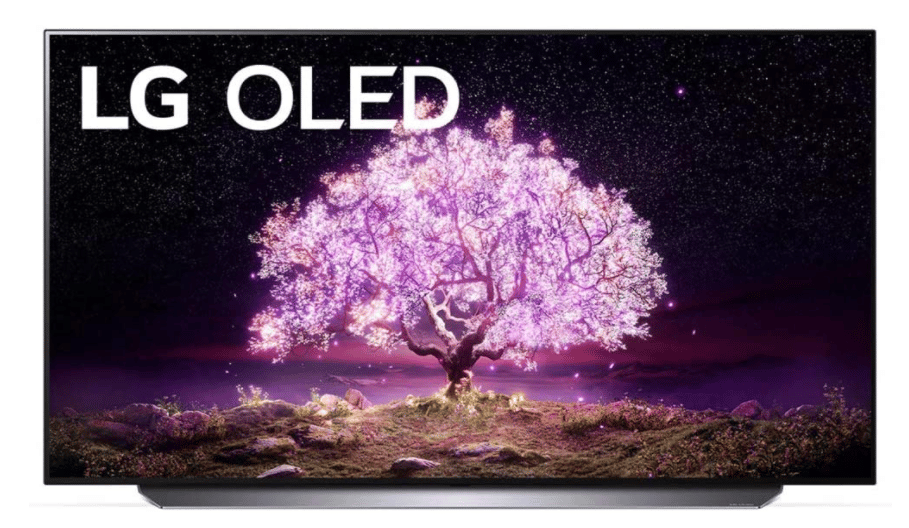
LG doesn’t just make the flashiest OLED TVs on the market; they also make some of the most affordable ones. The A1 Series is the entry point into LG’s OLED lineup, and it’s priced low enough that it actually undercuts some LED TVs from other brands.
You still get the core benefits of OLED here: true blacks (since each pixel turns off individually), wide viewing angles, and pixel-level contrast. The A1 isn’t as bright as the higher-end G1 or C1 models, but the color accuracy and contrast control are still in a different league compared to any LED panel at a similar price.
If you want OLED picture quality and you’re working with a limited budget, this is the one to look at.
Key Specifications
- Available Sizes: 48, 55, 65, and 77 inches
- Display Technology: OLED
- Panel Resolution: 4K (2160p)
- Connectivity: Bluetooth, HDMI, Wi-Fi, and USB
- HDR: HDR10 and HDR10 Pro
- Operating System: webOS
- Weight: 59.5 pounds
3. LG C1 Series
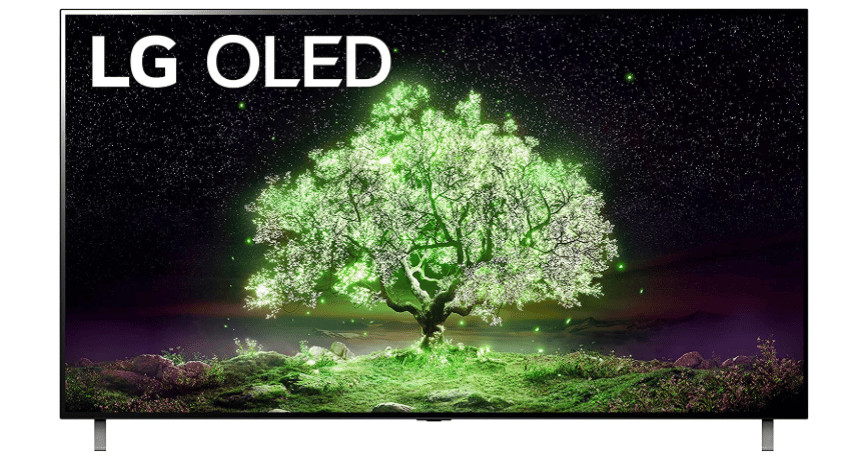
The LG C1 Series hits the sweet spot between price and performance in LG’s OLED lineup. It delivers the deep blacks and infinite contrast ratio that OLED is known for, along with vivid, accurate colors that make both movies and games look fantastic.
Under the hood, the A9 Gen 4 AI processor handles upscaling and picture optimization. It does a solid job of making lower-resolution content look better on the 4K panel, though some scenes can take on a slightly warm tone. For most viewers, that’s a non-issue.
The C1 also comes in a wider range of sizes than many OLED competitors, so you’re not stuck choosing between “too small” and “too expensive.” If you want the best balance of OLED quality and reasonable pricing, the C1 Series is the model to beat.
Key Specifications
- Available Sizes: 48, 55, 65, 77, and 83 inches
- Display Technology: OLED
- Panel Resolution: 4K (2160p)
- Connectivity: Bluetooth, HDMI, Wi-Fi, and USB
- HDR: HDR10
- Operating System: webOS
- Weight: 79.1 pounds
4. LG Ultra HD 3D Smart OLED TV
LG Ultra HD 3D Smart OLED TVThe LG Ultra HD 3D Smart OLED TV is a premium offering with a flat screen and anti-glare coating. LG’s Color Pixel Technology produces brighter, more precise colors, and the OLED panel delivers the deep blacks you’d expect from this display type.
At 4K resolution (four times the detail of 1080p Full HD), fine details are sharp and clear. Whether you’re watching nature documentaries or streaming the latest series, the picture holds up well.
The built-in Harman Kardon sound system is a nice bonus. Most TVs in this class have mediocre speakers, so having decent audio out of the box means you might not need a soundbar right away.
Key Specifications
- Available Sizes: 55 and 65 inches
- Display Technology: OLED
- Panel Resolution: 4K (2160p)
- Connectivity: HDMI and Wi-Fi
- HDR: HDR10 and HLG HDR
- Operating System: webOS
- Weight: 56.9 pounds
Which LG TV Should You Pick?
Our picks lean heavily toward LG’s OLED models because, frankly, that’s where LG is strongest. OLED gives you the best contrast, the deepest blacks, and the most accurate colors in LG’s lineup. If your budget allows for it, any of the three OLED options here will deliver a great viewing experience.
That said, the 4K Smart UHD TV proves you don’t need to spend OLED money to get a solid LG television. It’s a good pick for bedrooms, guest rooms, or anyone who wants LG’s smart TV platform without the premium price tag.