Turn Off Google Assistant on Android
Google Assistant is the default voice assistant on most Android phones. Disabling it prevents accidental activations and stops the assistant from listening for “Hey Google.”
- Open the Google app on your phone.
- Tap your profile picture in the top right, then tap Settings.
- Tap Google Assistant.
- Scroll down and tap General.
- Toggle off “Google Assistant.”
- Confirm by tapping “Turn off.”
This disables Google Assistant entirely. It won’t respond to voice commands, the “Hey Google” wake word stops working, and long-pressing the Home button no longer triggers the assistant. You can still use Google Search normally.
Disable “Hey Google” Without Fully Turning Off
If you want Google Assistant available on demand (through button presses) but don’t want it listening for the wake word, disable just the voice activation.
- Open the Google app, then tap your profile picture, then Settings.
- Tap Google Assistant, then “Hey Google & Voice Match.”
- Toggle off “Hey Google.”
Google Assistant still works when you long-press the Home button or type a request. It just stops listening passively for voice activation. This saves some battery life and prevents accidental triggers.
Turn Off Siri on iPhone
- Open Settings.
- Tap Siri (iOS 18+) or “Siri & Search” (earlier versions).
- Tap “Talk to Siri” and select Off.
- Toggle off “Press Side Button for Siri” (or “Press Home Button for Siri” on older models).
With both settings off, Siri is effectively disabled. The side button press returns to its normal function, and the “Siri” or “Hey Siri” wake phrase does nothing. To also remove Siri suggestions from search, scroll down and toggle off the Siri Suggestions options.
Disable “Hey Siri” Only
To keep Siri available through the side button but stop the hands-free voice trigger:
- Go to Settings, then Siri, then “Talk to Siri.”
- Select Off under the wake word section, but keep “Press Side Button for Siri” enabled.
Turn Off Alexa on Echo Devices
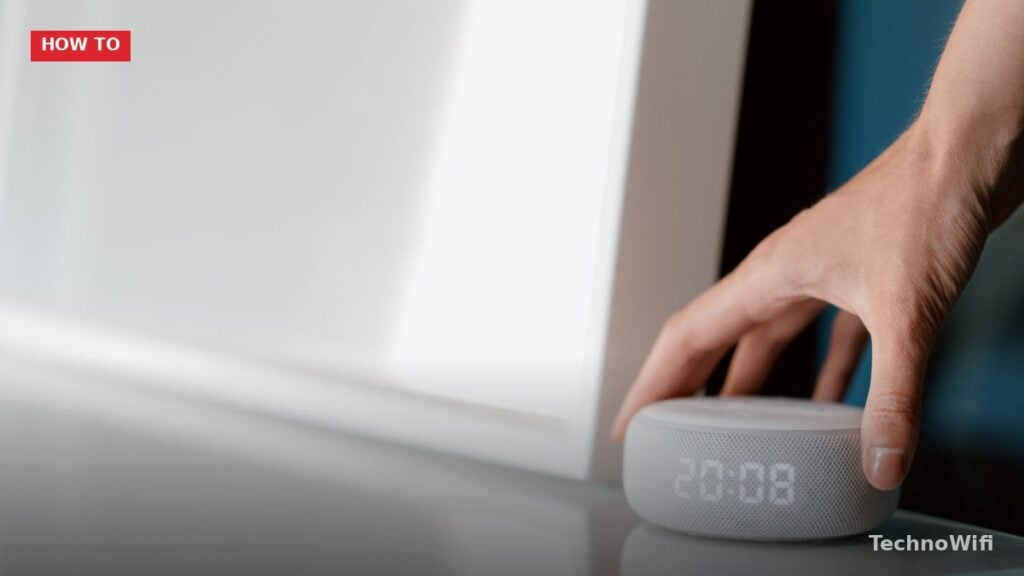
Echo speakers and displays are always listening for the “Alexa” wake word. You can’t fully disable Alexa on an Echo (it’s the entire point of the device), but you can mute the microphone so it stops listening.
- Press the microphone mute button on top of the Echo device. The light ring turns red.
- Alexa can’t hear anything while muted. It won’t respond to the wake word, voice commands, or any audio.
- Press the button again to unmute when you want Alexa back.
The red light stays on as a visual reminder that the microphone is muted. This is a hardware mute – it electrically disconnects the microphone, so it’s not just a software toggle that could theoretically be overridden.
Disable Alexa on a Phone
If the Alexa app is installed on your phone, it may have hands-free listening enabled.
- Open the Alexa app.
- Tap More (bottom right), then Settings.
- Tap “Alexa App Settings.”
- Toggle off “Enable Alexa Hands-Free.”
To go further, you can uninstall the Alexa app entirely, or revoke its microphone permission in your phone’s settings (Settings, then Apps, then Alexa, then Permissions, then Microphone).
Turn Off Bixby on Samsung
Samsung phones include Bixby, which can be annoying if you accidentally trigger it. Samsung has made Bixby harder to fully disable in recent One UI versions, but you can minimize its presence.
- Open Settings.
- Tap “Advanced Features.”
- Tap “Side Key” (or “Side Button”).
- Under “Press and hold,” change from “Wake Bixby” to “Power off menu.”
This reassigns the long-press from opening Bixby to showing the power menu, which is what most people expect. To further disable Bixby Voice:
- Open the Bixby app.
- Tap the gear icon (Settings).
- Toggle off “Voice wake-up” to stop “Hi Bixby” from triggering.
- Toggle off “Bixby dictation” to remove Bixby from the keyboard.
You can’t fully uninstall Bixby on Samsung phones since it’s a system app, but these steps prevent it from activating uninvited.
Turn Off Cortana on Windows
Microsoft retired Cortana as a standalone assistant in Windows 11 (June 2024). If you’re on an older Windows version that still has Cortana:
- Click the Start menu and type “Cortana.”
- Open the Cortana app, click the three-dot menu, then Settings.
- Toggle off “Cortana can give you suggestions, ideas, reminders, alerts, and more.”
- Toggle off “Hey Cortana” to stop voice activation.
On Windows 11 (2024 and later), Cortana is replaced by Copilot. To minimize Copilot, right-click the Copilot icon on the taskbar and select “Unpin from taskbar.” You can also go to Settings, then Personalization, then Taskbar, and toggle off Copilot.
Which Voice Assistants Are Always Listening?
| Assistant | Listens For | Can Be Fully Disabled |
|---|---|---|
| Google Assistant | “Hey Google” / “OK Google” | Yes (on phones) |
| Siri | “Siri” / “Hey Siri” | Yes (on iPhones/iPads/Macs) |
| Alexa (Echo) | “Alexa” / “Echo” / “Computer” | Mic mute only (can’t uninstall) |
| Bixby | “Hi Bixby” | Partially (can’t uninstall) |
| Cortana / Copilot | “Hey Cortana” | Yes (retired in Windows 11) |
Voice assistants only transmit audio to servers after they detect the wake word. Before that, the device processes audio locally in a short buffer that constantly overwrites itself. Turning off the wake word feature stops this local processing entirely.
Does turning off voice assistant save battery?
Yes, slightly. The always-listening microphone uses a low-power audio processing chip, but it still draws some power. Disabling voice activation saves roughly 2 to 5 percent of daily battery life depending on the device. The bigger benefit is preventing accidental activations that light up the screen and use data.
Will I lose any features by turning off the voice assistant?
You lose hands-free control, voice-triggered routines, and proactive suggestions (like traffic alerts before your commute). Most other phone functions work exactly the same. You can still set timers, alarms, and reminders manually. Smart home controls work through the respective apps even without a voice assistant.
How do I stop accidental voice assistant triggers?
Short of disabling the assistant, you can reduce false triggers by retraining the voice model (the assistant learns your specific voice pattern), using a longer wake phrase (“Hey Google” instead of just “Google”), and making sure the microphone sensitivity isn’t set too high. Moving smart speakers away from TVs also helps, since TV dialogue frequently triggers voice assistants.
Sources
Google – Google Assistant Settings | Apple – Siri Settings | Amazon – Alexa Privacy
How we verify what we publishLast checked October 10, 2026Report an error