Smart Wi-Fi cloud cameras let you upload footage to a computer or cloud storage from just about anywhere, as long as you have a reliable internet connection. These cameras typically offer a wireless range between 250 and 500 feet in open areas, dropping to about 100 to 165 feet indoors.
They’re designed to track movement in a surveillance area and send video over your Wi-Fi network to a smartphone or cloud storage. Once you download the free companion app on your phone, you can review recordings and adjust camera settings with minimal effort.
In 2026, smart cloud cameras have gotten more affordable and easier to set up than ever. Most models now support at least 1080p video, and many entry-level cameras offer 2K or even 4K resolution. Whether you’re setting up your first camera or adding to an existing system, the steps below will walk you through the process.
What to Know Before Setting Up
Before jumping into the setup, here’s what you should know about Wi-Fi compatibility. Most smart cloud cameras work with 802.11 b/g/n on the 2.4 GHz band. Some newer models in 2026 also support the 5 GHz band, which offers faster speeds but shorter range. Check your camera’s specs to see which bands it supports.
Storage options typically include cloud and SD card, though some models don’t support micro SD cards. On the power side, most cameras run on DC 5V 1.5A and charge through USB. Battery-powered models are also available, though they tend to have shorter recording windows between charges.
Your internet speed matters too. For smooth live streaming, you’ll want at least 2 Mbps upload speed per camera. If you’re running multiple cameras, multiply that number accordingly. A speed test on your phone at the camera’s planned location will tell you if the connection is strong enough.
Recommended Steps for How to Set Up a Wi-Fi Smart Cloud Camera
Step 1. Download the App
Grab the camera’s companion app from the Google Play Store or App Store, depending on your phone and operating system. Most camera brands have their own dedicated app. Check the camera’s manual or packaging for the exact app name.
Make sure you download the official app from the manufacturer. There are third-party apps with similar names that may not work properly or could pose security risks.
Step 2. Choose the Correct Location
Place the Wi-Fi camera within 6 feet of your router for the initial setup. This close proximity ensures a strong signal during the pairing process. Connect the power supply to the camera and plug it into a wall outlet.
After setup is complete, you can move the camera to its permanent location. Just keep in mind that the further the camera is from your router, the weaker the signal will be. Thick walls, metal objects, and other electronics can also interfere with the Wi-Fi connection.
Step 3. Establish a Connection Between Devices
Connect your smartphone to the same Wi-Fi network that the camera will use. Open the app and tap the local login tab. Some cameras use a QR code for pairing. If your camera displays a QR code on its status screen, point your phone’s camera at it through the app to connect.
Step 4. Verifying the Account
Enter your email address and create a password for the camera. This step handles account verification. Wait for the process to finish before moving forward. You may need to check your email for a verification link or enter a code sent to your phone.
Step 5. Complete the Registration Process
Once registration is done, the app will confirm that your account has been activated. You can then continue with the full camera setup, including naming the camera, setting its location, and adjusting motion detection sensitivity.
Cloud Storage vs Local Storage in 2026
One of the biggest decisions you’ll make during setup is how to store your footage. Here’s a quick breakdown.
Cloud storage keeps your recordings on the manufacturer’s servers. The benefit is that even if someone steals or destroys the camera, your footage is safe online. The downside is that most cloud plans require a monthly subscription. Prices typically range from $3 to $10 per month per camera.
Local storage saves recordings to a micro SD card inside the camera. There’s no monthly fee, and you have full control over your data. The risk is that if the camera is stolen or damaged, the footage goes with it. SD cards also have limited capacity, so older recordings get overwritten when the card fills up.
Some cameras support both options, letting you use cloud as a backup while keeping local copies on the SD card. If your camera supports dual storage, this is usually the best approach.
Setting Up the Amazon Cloud Cam: Detailed Steps
For the Amazon Cloud Cam, mount the device inside your home in the areas you want to monitor. Then download the Amazon Cloud Cam app to finish setup.
Step 1. Download the App
Download the Amazon Cloud Cam app from your device’s app store. It works on phones and tablets running iOS 9.3 or later, Fire OS 5.0 or later, and Android Lollipop 5.0 or later.
Step 2. Set Up Your Account
Follow the on-screen instructions to configure the Amazon Cloud Cam app.
To connect the camera to Wi-Fi and register it, open the app while the camera is in setup mode. Log in with your Amazon credentials or create a new account.
Step 3. Create a Connection
Enter your Wi-Fi password to connect the Amazon Cloud Cam to your wireless network. The camera will take a moment to establish the connection. A solid green light indicates a successful link.
Step 4. Complete the Setup Process
Finish the setup and wait for the live view to load, which takes about 30 seconds. You’ll see the camera’s live feed right in the app.
If the camera light blinks yellow, setup can’t continue. Insert a paper clip into the pinhole and wait for the green and blue indicator lights to appear.
To set up additional cameras, tap the menu icon and select the option to add a camera.
From a supported web browser, the live view loads automatically on the main screen if your Wi-Fi speed is 2 Mbps or higher.
Troubleshooting Common Setup Issues
If the camera won’t connect to Wi-Fi, try these fixes.
Move the camera closer to the router during setup. Even if you plan to mount it far away, the initial pairing needs a strong signal.
Double-check your Wi-Fi password. This sounds obvious, but it’s the most common reason setup fails. Passwords are case-sensitive, so watch for capital letters.
Restart your router. A quick reboot clears out any connection issues and refreshes the network.
Make sure your phone is on the same Wi-Fi network as the camera. If your phone is connected to 5 GHz and the camera only supports 2.4 GHz, they won’t find each other.
Check for firmware updates. Some cameras need a firmware update right out of the box before they’ll complete setup. The app usually prompts you if an update is available.
Network Tips for Better Camera Performance
A few simple network adjustments can make a big difference in camera reliability.
Give your camera a static IP address through your router’s settings. This prevents the camera from losing its connection when your router assigns new IP addresses.
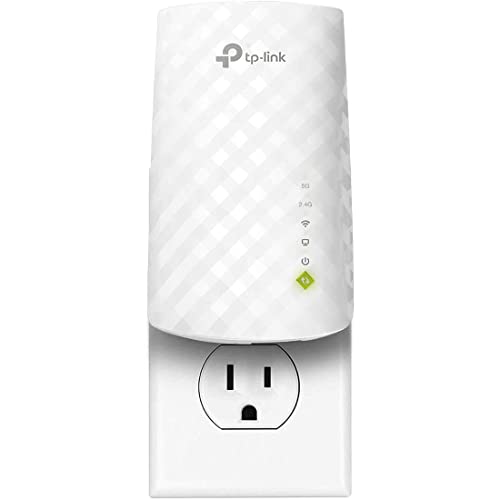
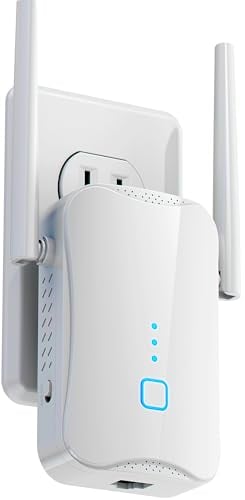
If your camera is far from the router, consider adding a Wi-Fi extender or mesh network node near the camera’s location. A stronger signal means fewer dropped frames and faster live view loading.
Limit the number of devices on your 2.4 GHz network if possible. Cloud cameras compete with other devices for bandwidth, and a crowded network leads to choppy video and delayed notifications.
Wrapping Up
Those are the steps for getting a Wi-Fi smart cloud camera up and running. Follow them carefully and you should have a clear view of your recordings without any headaches.
See Also