Setting up a Blink camera is pretty simple. You download the Blink app, install it, and follow the on-screen steps. Whether you’re adding your first camera or expanding an existing setup, the process takes about 10 to 15 minutes per device. Here’s the full process for 2026.
Recommended Steps for Setting Up the Blink Camera
Step 1. Getting Started
First, set up the Blink system and add a camera. Open the Blink app and create an account by entering the required details. If you already have an account, sign in and skip to the next part.
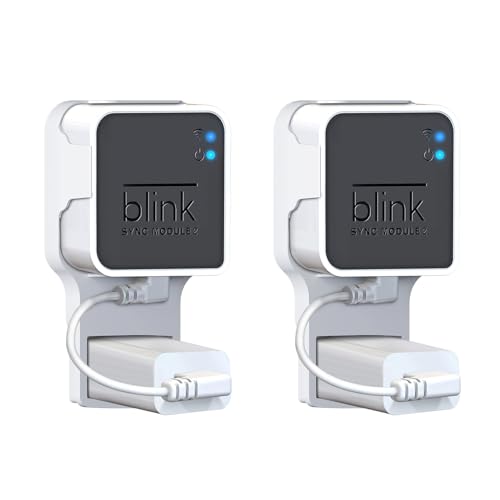
Next, add a sync module during the system setup. Tap the add device icon on the Blink app’s home screen.
The Add Device screen shows your options:
Blink Wireless Camera System includes a Sync Module along with a Blink Outdoor, Indoor (2nd Generation), XT2, XT, or 1st Generation Indoor camera.
Blink Wireless Camera lets you add a Blink Outdoor, Indoor (2nd Generation), XT2, XT, or 1st Generation Indoor camera after you’ve already added the Sync Module.
Mini Camera operates independently and doesn’t need a Sync Module. Once it’s added to a system with a Sync Module, though, it works just like other Blink cameras.
Next, find the device’s serial number. The Blink App will ask for permission to access the camera on your phone.
Tap okay to let the app scan the QR code, or select ‘Don’t Allow’ to enter the serial number by hand.
The QR code and serial number are on the device itself. Then create a new system by tapping the text entry box and giving it a name.
Tap ‘Done’ to continue. The sync module screen will tell you to plug in the sync module.
Finish this step and wait for the blinking blue and steady green light pattern.
Step 2. Connecting the Sync Module to the Wi-Fi Network
When you see that light pattern on your Sync Module, tap ‘Discover Device’. The Blink app will walk you through connecting the Sync Module to a Wi-Fi network labeled ‘blink’ followed by the last four digits of the module’s serial number.
Tap ‘Join’ and then you’ll be asked to connect to your local Wi-Fi network. The Add Sync Module screen shows all 2.4 GHz Wi-Fi networks in range. Keep in mind that Blink devices only work on the 2.4 GHz band. If your router broadcasts separate 2.4 GHz and 5 GHz networks, make sure you select the 2.4 GHz option.
The Sync Module stores network info for every device added to its system.
If your local network doesn’t show up, tap ‘Refresh list’ at the bottom of the screen. After selecting your Wi-Fi network name, enter the password carefully. Passwords are case-sensitive, and a single wrong character will cause the connection to fail.
Tap ‘JOIN’ to move forward with the setup.
Once the network setup finishes, a confirmation message appears on screen.
Tap ‘DONE’ to wrap up the installation and return to the Blink app welcome screen. From there, you can add the camera to your device list.
Step 3. Adding a Camera
To add a Blink camera, tap the ‘+’ (plus) symbol on the Blink App home screen. Select the Blink wireless camera option and gently scan the QR code sticker inside the camera’s back cover.
Once the system recognizes the serial number, you’ll land on the camera onboarding screen.
A success message will confirm the camera is set up. Tap ‘DONE’, and you’ll be taken back to the home screen.
To add more cameras, just repeat these steps.
If something goes wrong during the process, try removing the device and adding it back to the system.
Blink Camera Models and What They Offer in 2026
Blink has several camera models available in 2026, and each one fits a different use case.
The Blink Outdoor 4 is the latest outdoor model. It records in 1080p, has improved night view with infrared LEDs, and runs on two AA lithium batteries that last up to two years with normal use. It’s weather-resistant and works well in temperatures from -4 to 113 degrees Fahrenheit.
The Blink Indoor is designed for interior monitoring. It’s smaller than the outdoor model and doesn’t have weatherproofing, but it offers the same 1080p video quality and two-way audio. It’s a good fit for living rooms, hallways, and garages.
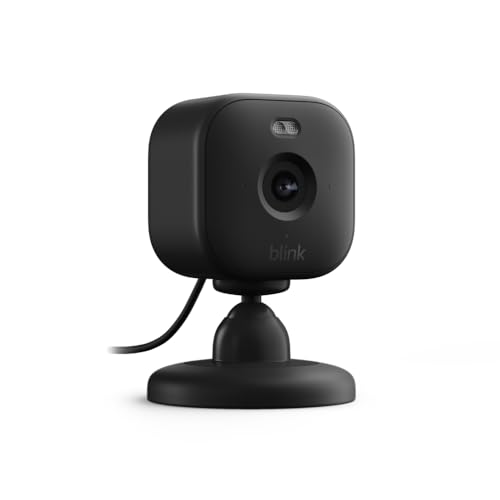
The Blink Mini is a compact, plug-in camera that doesn’t require batteries or a Sync Module. It’s the most affordable option in the lineup and works well for keeping an eye on specific spots like a front desk, pet area, or baby’s room. The Mini 2 model adds weather resistance and can be used outdoors.
Storage Options for Blink Cameras
Blink gives you two main storage paths.
Local storage through a USB flash drive plugged into the Sync Module 2. This is free and lets you store clips without paying for a subscription. You can access recorded clips through the Blink app, and older recordings are automatically deleted when the drive fills up.
Cloud storage through a Blink Subscription Plan. The Basic plan covers one camera and costs a few dollars per month. The Plus plan covers all cameras on your account and includes additional features like extended live view and video sharing. Cloud storage keeps your recordings safe even if the camera or Sync Module is damaged or stolen.
If budget is a concern, local storage on a USB drive is a solid option for most people. Just make sure to use a USB drive that’s at least 64 GB for a reasonable amount of recording history.
Placement and Positioning Tips
After setup is complete, check the camera’s positioning and placement based on your needs. Most Blink cameras are sensitive to heat and humidity, so keeping them in a shaded spot is a good idea.
Mount outdoor cameras at a height of 7 to 10 feet for the best field of view. This height captures faces clearly while staying out of easy reach. Angle the camera slightly downward to cover the area directly below it.
Avoid pointing the camera directly at bright light sources like the sun or a porch light. This can wash out the image and trigger false motion alerts.
Also, make sure the Wi-Fi signal at that location is strong enough for the camera to work properly. Open the Blink app and check the signal strength indicator after mounting the camera.
If the signal is weak and you can’t move the camera, a Wi-Fi extender can make a big difference. Place the extender halfway between your router and the camera for the best results.
Finally, check the live view after setup to test performance and catch any potential issues early. Walk through the camera’s detection zone to confirm that motion alerts are working correctly.
Troubleshooting Common Setup Problems
Here are the most frequent issues people run into during Blink camera setup and how to fix them.
The Sync Module won’t connect to Wi-Fi: Make sure you’re connecting to a 2.4 GHz network. Move the Sync Module closer to the router and try again. If the problem continues, restart your router and the Sync Module.
The camera shows as offline after setup: Check the battery level and Wi-Fi signal strength. If the batteries are fresh and the signal is strong, try removing the camera from the system and adding it again.
Motion detection is too sensitive or not sensitive enough: Adjust the sensitivity slider in the camera’s settings within the Blink app. Start at the medium setting and fine-tune from there based on how many false alerts you’re getting.
Live view takes too long to load: This usually points to a slow internet connection. Check your upload speed and make sure it’s at least 2 Mbps. Closing other apps that use bandwidth can also help.

The Bottom Line on How to Set Up a Blink Camera
The exact setup steps vary a bit depending on your Blink camera model, but the process above covers the general flow for pairing the device with the Blink system. For 2026 models, the app interface may look slightly different, but the overall steps remain the same.
For more help, check the user manual that came with the camera or reach out to Blink support.
See Also