Smart Light Bulbs: What to Know Before You Buy
Technology keeps pushing forward, and our homes are keeping pace with every step.
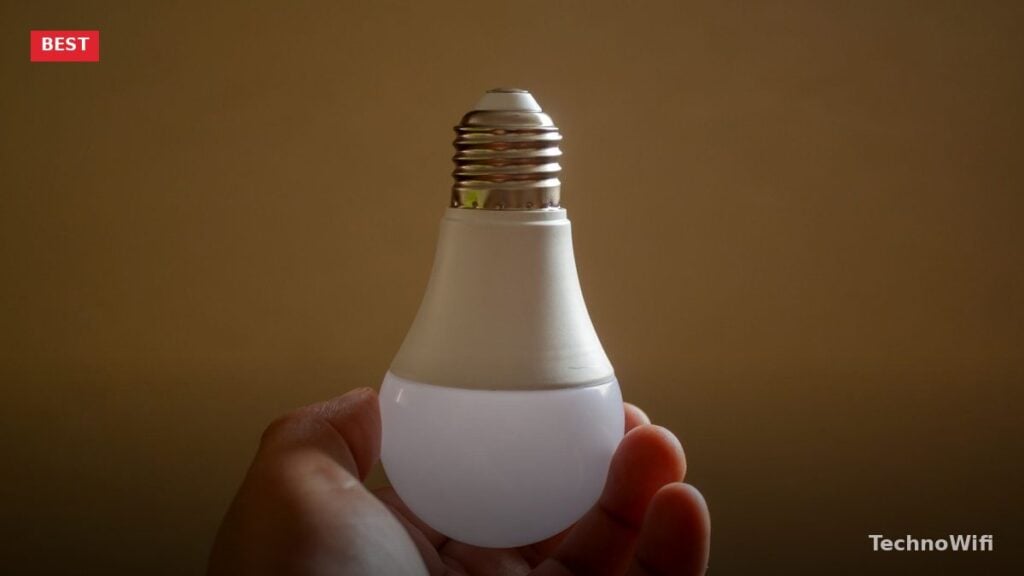
One of the biggest upgrades you can make right now is in your lighting. Smart light bulbs have grown more popular than ever, and it is easy to see why.
These bulbs bring a completely different experience to how you light your home. They let you set the right tone and intensity for every room and every occasion.
You can also pair them with other smart home devices like smart speakers and alarm systems, creating a connected home that practically runs itself.
A good smart light bulb should be simple to use. Ideally, you want something you can install in a few minutes and control without any fuss.
Smart light bulbs are built with LED technology, which means they consume far less energy than traditional incandescent bulbs. Over time, that adds up to real savings on your power bill.
Folding smart lights into your existing home setup is straightforward too.
For example, your lights can turn on automatically when you arrive home. If someone messes with your smart lock, the lights can switch on to make it look like someone is inside the house.
These bulbs come in all shapes and sizes, and new options from fresh companies keep hitting the market with each passing season.
Smart lighting has come a long way from simple on-off switches. The best smart light bulbs in 2026 offer app control, voice integration, scheduling, and color customization that would have seemed like science fiction just a few years back.
With all that said, let’s walk through the features of smart light bulbs, the major brands worth knowing about, and what you should look for when shopping for the right one.
What are the Features of Smart Light Bulbs?
Soft Start Function
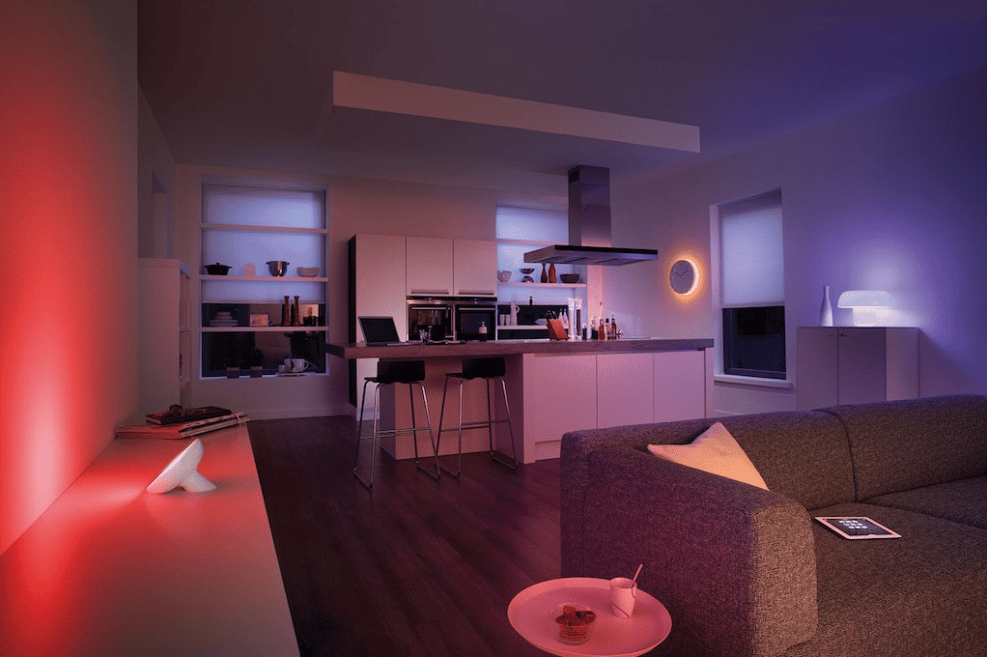
When you switch on a smart bulb, the brightness ramps up gradually from dark to warm. When you switch it off, the light fades out gently.
This gradual shift gives your eyes a buffer period to adjust. Compare that to traditional bulbs, which snap on at full brightness instantly. Smart bulbs are much easier on your eyes.
Smart light bulbs also use LED technology rather than filaments like traditional bulbs. This extends the bulb’s lifespan considerably and saves electricity, since the lights will automatically dim when you leave the room.
Timing Control Function
You can schedule your smart bulbs using a smart switch or through the bulb’s companion app.
Choose schedules that match your daily routine. Set the lights to turn on with the sunrise and switch off when bedtime rolls around.
Multi-Point Operation Function
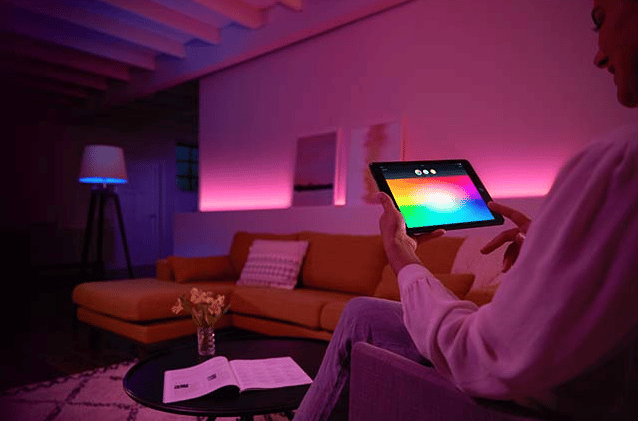
Unlike traditional bulbs, smart light bulbs can be controlled from smart terminals placed anywhere in your home.
Picture this: you are in the basement doing laundry and you say, “Alexa, turn off living room lights” or “Hey Google, turn off living room lights.” Done, just like that.
Scene Settings
Smart light bulbs let you create specific scenes in your home. Warm tones for a family dinner, dim colors for movie night; it is all up to you.
Brightness Adjustment
No matter where your smart bulbs are installed, you can adjust the brightness to fit what you are doing.
Watching a movie, hosting a party, studying, or getting some work done from home? Just set the brightness to the right level. You can do this through the bulb’s dedicated app, voice commands via your smart speaker, or a dedicated smart switch.
What Should You Consider When Buying Smart Light Bulbs?
Efficiency
Smart or not, a light bulb’s efficiency is measured in lm/watt (lumens per watt).
If you want to go deeper, we have a separate guide on smart light bulbs for Google Home.
With traditional bulbs, the rule of thumb was simple: higher wattage meant a brighter bulb. That is not the case with smart light bulbs, though. They pack in more lumens while using less wattage.
Watts measure the energy the bulb uses, while lumens measure how bright it actually is. So when shopping, look for smart bulbs with a high lm/watt ratio.
Life Span
A typical LED bulb is rated to last anywhere from 15 to 25 years, or roughly 15,000 to 25,000 hours.
Since smart light bulbs use LED technology, they share that same long lifespan. Always check the expected lifespan of a smart bulb before you make a purchase.
Color Quality
The quality of light a smart bulb produces is expressed through its Ra value. Ra is the CRI (color rendering index), which shows how accurately the bulb can reproduce different colors.
Ra is based on incandescent bulbs, which have traditionally been considered a decent light source. Smart bulbs, however, outperform incandescent bulbs in almost every area, including color rendering.
Some smart light brands label Ra values as CRI values, but the numbers mean the same thing.
The highest possible Ra value is 100. For the best results, aim for a smart bulb with a Ra value of at least 90.
Chromaticity
Chromaticity refers to the range of colors a light bulb can produce.
The color temperature of lighting inside your home has a big impact on how everything looks, and it can even affect how you feel and function throughout the day.
Bulbs that produce light close to natural daylight will help you feel energized and ready to tackle your tasks. Bulbs with softer, warmer tones help you relax in the evening and drift off to sleep.
Because different activities happen at different times of day, it is a good idea to buy smart bulbs that can shift between tones depending on your needs during the day and at night.
Dimmability
Checking a bulb’s dimmability is one of the first things you should do when choosing a smart light.
Dimmable smart lights help set the perfect mood in your living spaces, which can really help you unwind after a long day at work.
They are also great at night when you need to grab a snack or visit the bathroom. No reason to blast the lights to full brightness at 2 a.m. Instead, just dial them down to a comfortable glow and head back to bed.
The best dimmable smart light bulbs can go all the way down to 1% brightness through the app.
Controllability
Controllability matters a lot, especially if you plan to add more smart devices to your home down the road.
Make sure the smart lights you buy are compatible with the other smart devices you already own.
For instance, if you have Apple HomeKit in your home, Sengled might not be the best choice. Instead, consider something like LIFX, which works with Apple Siri.
Sengled bulbs will still work in that setup, but you would need to use the Hue app to control them. When you are juggling a different app for every smart device, things get overwhelming fast.
That defeats the whole point of having smart lighting in the first place.
For related tips, check out our full guide on smart light bulbs for Alexa.
So before you buy, make sure your smart bulbs work not just with their own manufacturer’s app, but also with third-party systems and apps you already rely on.
Which Are the Major Smart Light Bulb Brands Out There?
All smart light bulbs in this review work with popular voice assistants like Apple Siri, Alexa, and Google Assistant.
Some of The Top Smart Bulbs on The Market in 2026:
| Best Smart Light Bulbs | Light Color | Wattage | Lumens | Usage | Voice Assistants |
|---|---|---|---|---|---|
| Philips Hue | White | 9 watts | 800 | Outdoor | Alexa, Apple HomeKit, Google Assistant |
| Sengled Smart Bulbs | Multi-color | 9 watts | 800 | Indoor | Alexa and Google Assistant |
| LIFX Smarter Light | Multi-color | 9 watts | 800 | Indoor | Alexa, Apple HomeKit, Google Assistant |
| Wyze Smart Bulb | Multi-color | 12 watts | 1100 | Indoor | Alexa and Google Assistant |
| Nanoleaf Essentials | Multi-color | 10 watts | 806 | Indoor | Apple HomeKit |
1. Philips Hue
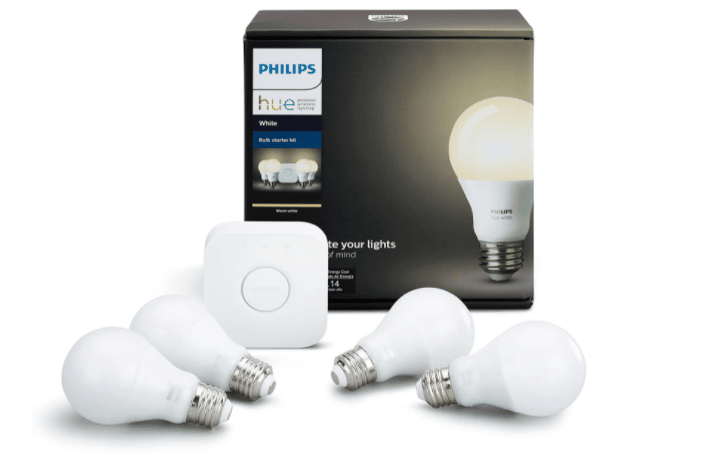
Philips Hue is a lineup of smart white LED bulbs and smart color-changing LED bulbs.
The Hue range was among the first smart bulbs to hit the market, and it has been a top pick ever since. There are three color options in the Hue lineup:
- White: supports color temperatures up to 2700 K.
- White ambiance: supports color temperatures between 2200K and 6500K.
- Color: supports color temperatures between 2000K and 6500K.
The white ambiance and color bulbs both offer adjustable white light, and they can also display up to 16 million colors. Here are some standout features of the Hue lineup:
- Voice Controlled: Hue bulbs work with Apple HomeKit, Amazon Alexa, and Google Assistant. You will need a smart speaker or hub to issue voice commands.
- Limitless possibilities: Choose from countless shades of white and up to 16 million colors to brighten your day exactly the way you want.
- Long Life Span: Hue bulbs are rated to last up to 25 years or 25,000 hours.
- Compatible with control accessories: Philips Hue bulbs connect to dedicated accessories like the Philips Hue dimmer switch.
- Philips Hue lights use ZigBee to deliver a stronger and more dependable connection.
- The Hue app is packed with useful features including Geofencing, which automates lights based on your location.
2. Sengled Smart Bulbs
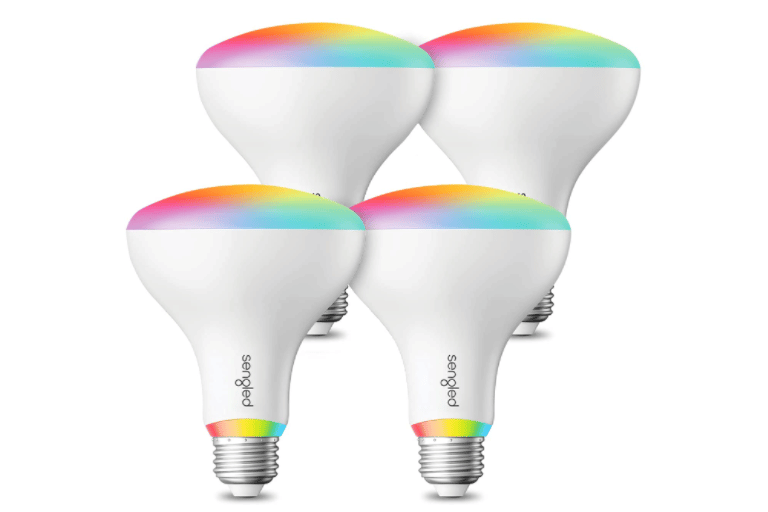
Sengled smart light bulbs come from a manufacturer with over 20 years of experience in the lighting industry.
Sengled bulbs are solid smart devices that work well for people just getting started with smart lighting. Here are some of their key features:
- Easy setup: You will need a smart hub such as the Sengled Smart Hub, Habitat Hub, SmartThings Hub, or Wink Smart Hub. If you connect them to a smart speaker like the 2nd Gen Echo Plus or Echo Show, the speaker acts as the hub, so no separate hub is needed.
- Voice-activated: Sengled bulbs work with Alexa and Google Assistant, though there is no Apple HomeKit support. A smart speaker is needed for voice commands.
- Wake Up and Sleep Mode: Set this up through the Sengled Home App (available on iOS and Android). Your bulbs can gradually brighten in the morning or simulate a sunset as you fall asleep at night.
- Color changeable: Sengled offers more than 16 million colors so you can set the mood for any situation. Dimming ranges from 1% to 100% and can be adjusted via your phone or voice commands through a smart speaker.
3. LIFX
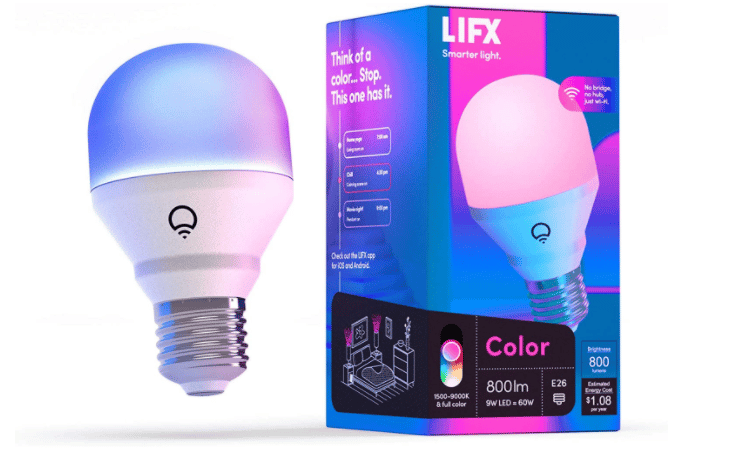
LIFX (pronounced “Life-X”) is a lineup of Wi-Fi-ready, energy-saving, and multi-colored smart LED light bulbs. You can control them through smartphone apps, dimmer switches, or voice commands via a smart speaker like the Nest Mini.
Here are some of the standout features of LIFX bulbs:
- Voice-activated: LIFX bulbs work with Apple HomeKit, Amazon Alexa, and Google Assistant. You will need a smart speaker or hub for voice commands.
- Color changeable: While most smart lighting brands give you 16 million colors, LIFX goes far beyond that with up to 550 billion colors. You can also adjust brightness from 1% to 100% using your phone or voice commands.
- Long Life Span: LIFX smart bulbs are rated to last up to 25 years or 25,000 hours.
4. Kasa Smart Light Bulbs by TP-Link
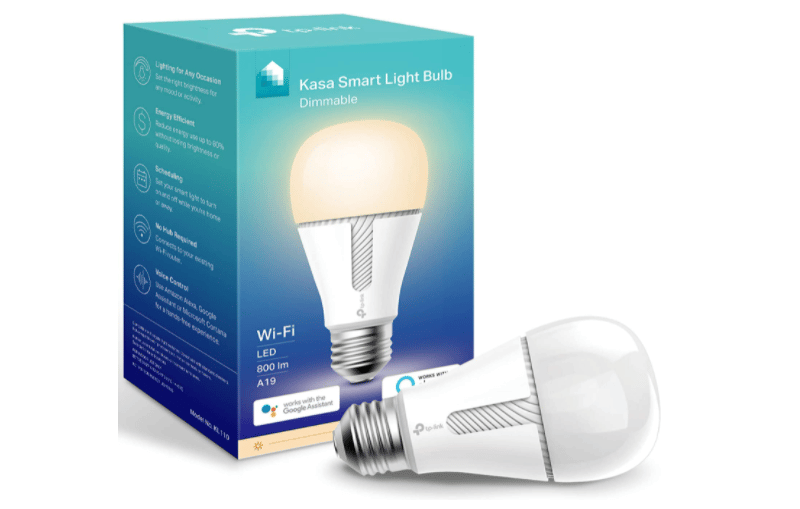
TP-Link’s Kasa Smart started as a research division called TP-Research America. The company has grown rapidly and now produces smart light bulbs along with a range of other smart home devices.
Here are some of the features of Kasa Smart Light Bulbs:
- Voice-activated: Kasa smart light bulbs work with Amazon Alexa, Microsoft Cortana, and Google Assistant. Apple HomeKit is not supported. A smart speaker is needed for voice commands.
- Control from anywhere: Manage your Kasa smart light bulbs from any location using the Kasa Smart app, available on both Android and iOS.
- Dimmability: Kasa Smart light bulbs have a wide dimming range that you can control through the Kasa Smart app.
- No hub required: Kasa smart bulbs are essentially plug-and-play. Once you connect them to Wi-Fi using the Kasa Smart app, you are ready to go.
5. Wyze
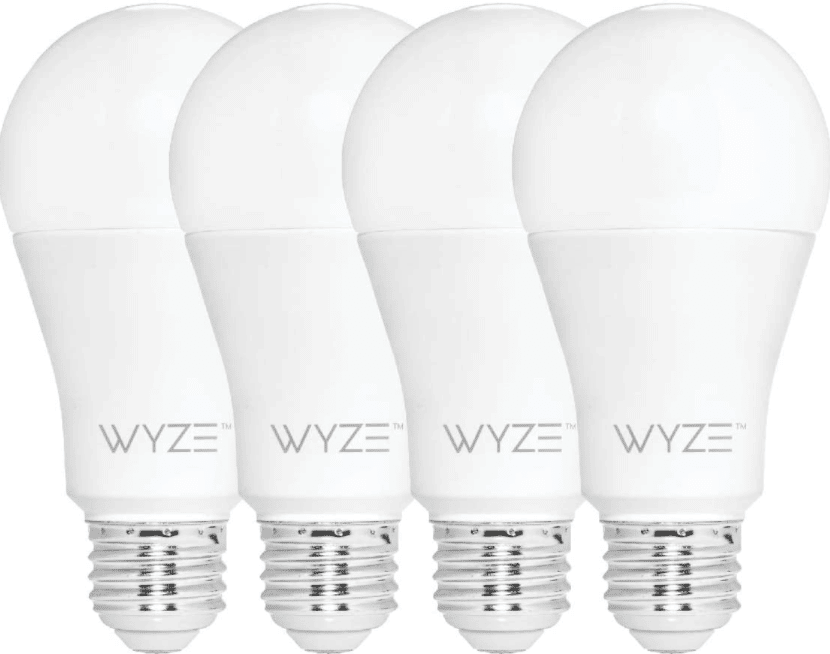
Wyze smart light bulbs are made by Wyze, a company that specializes in wireless cameras and smart home devices. Here are some standout features of Wyze smart bulbs:
- Notifications: Use the Wyze App to configure your Wyze bulbs so they glow brighter when your phone receives a notification.
- No hub required: Wyze smart light bulbs connect over Wi-Fi, so there is no need for a separate hub. Just set them up through the Wyze app and you are good to go.
- Voice Controlled: Wyze smart bulbs work with Amazon Alexa and Google Assistant.
6. Nanoleaf Essentials
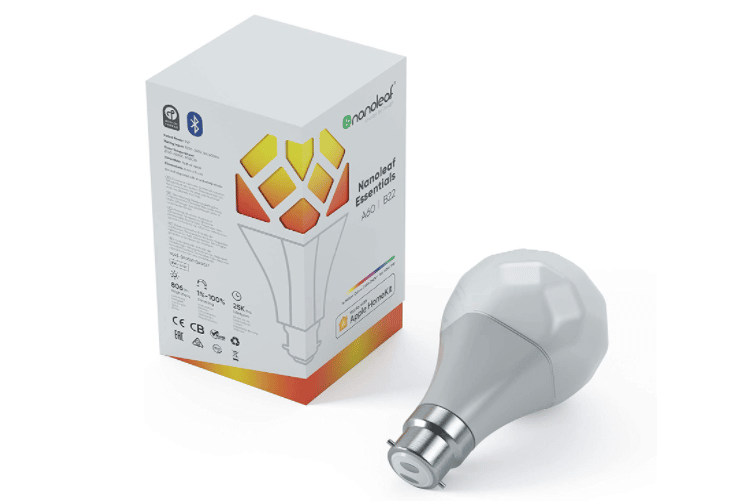
If you are part of the Apple HomeKit ecosystem, your smart lighting options can feel limited. The Nanoleaf Essentials B22, available from the Apple store, is a great pick for that setup.
These bulbs are standard-sized but have a unique geometric shape. This actually works in their favor, because it allows the light to spread to every corner of your room more effectively.
If you have an Apple TV or a HomeKit speaker, you will not need a smart hub to control the A19.
These bulbs let you pick from over 16 million colors, create custom lighting scenes, put your lights on a schedule, and much more.
Each of these six brands brings something different to the table. If a wide color range is your priority, LIFX is hard to beat with its 550 billion color options. For Apple HomeKit fans, Nanoleaf is the natural choice. And if you want the broadest third-party support and the most mature ecosystem on the market, Philips Hue is the way to go.
How Much Do Smart Light Bulbs Cost?
Pricing depends mainly on the manufacturer and the bulb’s specs, such as whether it is white-only or multi-colored.
Generally, smart light bulbs cost more upfront than standard incandescent bulbs. But there is a good reason for the higher price tag.
Smart lights are energy-efficient, and the long-term savings on your electric bill will more than make up for the initial cost.
Smart bulbs also last far longer than most other types of bulbs on the market. Even if your lights stay on constantly, a quality smart bulb should still be working well a full decade down the line.
That long lifespan is one of the biggest advantages of making the switch. You buy a smart bulb once and enjoy years of reliable use, adjustable lighting, and real energy savings that add up over time.
Final Thought
To wrap things up, smart light bulbs are a worthwhile addition to any home, as we have covered throughout this article.
When picking out smart bulbs, think about your current smart home setup and any devices you might add later. This way, you will not run into compatibility issues when trying to connect your smart lights to other devices.
The smart light bulbs we covered here are some of the best you can find on the market in 2026. Our top pick is Philips Hue because it checks every box, from ZigBee compatibility to Geofencing.