Cast a Chrome Tab
- Make sure your Chromebook and Chromecast (or smart TV with Chromecast built in) are on the same WiFi network.
- Open Chrome and go to the website you want to cast.
- Click the three-dot menu in the top-right corner of Chrome.
- Click “Cast.”
- Select your Chromecast or smart TV from the list of available devices.
- The browser tab now displays on your TV.
Tab casting sends whatever is in that specific Chrome tab to your TV. Audio from the tab plays through the TV speakers. You can keep using other tabs and apps on the Chromebook normally – only the casted tab goes to the TV.
Cast Your Entire Screen
Screen mirroring sends everything on your Chromebook display to the TV, including all apps, the desktop, and the taskbar.
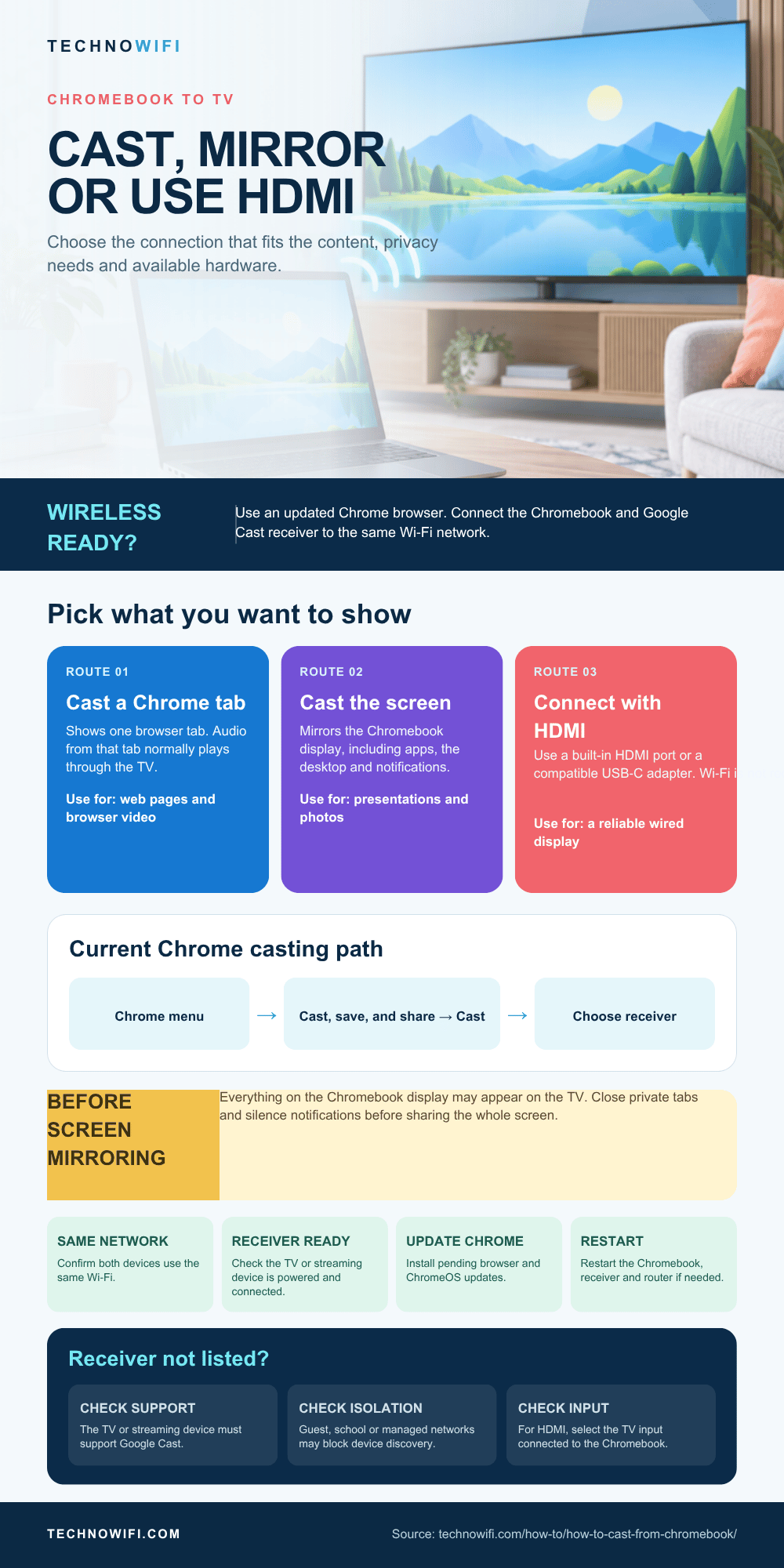
- Click the three-dot menu in Chrome and select “Cast.”
- Click the “Sources” dropdown at the bottom of the cast popup.
- Select “Cast screen.”
- Choose your Chromecast or smart TV.
- Your entire Chromebook screen now mirrors to the TV.
Full-screen casting is useful for presentations, showing photos, or when you need to share content from Android apps that don’t have built-in cast support. Keep in mind that everything on your screen is visible on the TV, including notifications and anything you type.
Camera issues? Check our Chromebook camera connection guide.
Quick Cast From the System Tray
- Click the clock/status area in the bottom-right corner of your Chromebook screen.
- Click the “Cast” icon (a rectangle with WiFi waves in the corner).
- Select whether to cast a tab or your full screen.
- Pick the device to cast to.
This is the fastest method since you don’t need to open Chrome’s menu. The cast icon appears in the Quick Settings panel alongside WiFi, Bluetooth, and volume controls.
Cast Video From Streaming Apps
Many streaming services have built-in cast buttons that send video directly to your TV without mirroring the whole tab.
| Service | How to Cast |
|---|---|
| YouTube | Click the cast icon in the video player |
| Netflix | Click the cast icon in the player controls |
| Disney+ | Click the cast icon during playback |
| Hulu | Click the cast icon in the video player |
| Amazon Prime Video | Click the cast icon (may require Chrome tab) |
| HBO Max | Click the cast icon in the player |
Built-in casting is better than tab casting for video. The streaming service sends the video directly to the Chromecast, so your Chromebook isn’t doing the heavy lifting. Video quality is higher, playback is smoother, and your Chromebook’s battery lasts longer. You can also close the Chromebook lid without interrupting playback.
Cast to a Smart TV Without Chromecast
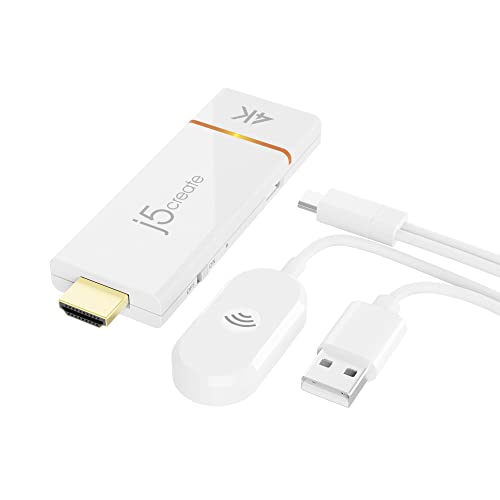
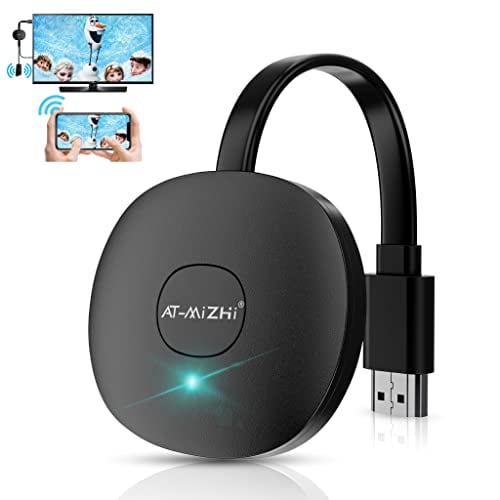
Many smart TVs from Sony, Vizio, Hisense, TCL, and others have Chromecast built in. If your TV supports it, it shows up in the cast device list automatically – no separate Chromecast dongle needed.
Interested in this area? We go deeper in our how to connect 2 monitors to Chromebook guide.
To check if your TV supports built-in casting: look for “Chromecast built-in” in your TV’s settings or specifications. On Google TV and Android TV devices, casting support is included by default.
Samsung TVs don’t use Chromecast. For Samsung TVs, you’ll either need a Chromecast dongle plugged into the TV’s HDMI port or use Samsung’s SmartThings app if your Chromebook supports it.
Cast With an HDMI Cable
For a wired connection (no WiFi needed):
- Check if your Chromebook has an HDMI port. Most have USB-C ports instead.
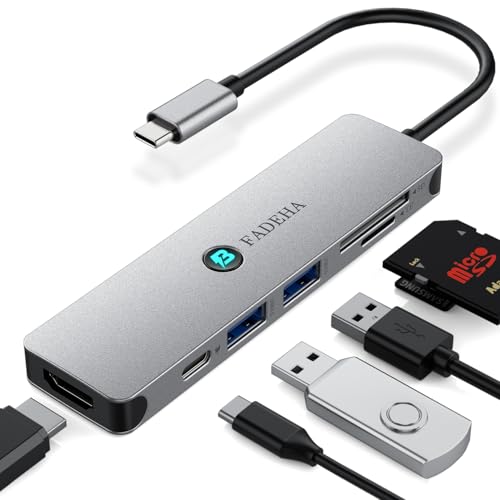
- Get a USB-C to HDMI adapter or cable.
- Plug the USB-C end into your Chromebook and the HDMI end into your TV.
- The TV should automatically detect the input. If not, switch the TV’s input to the correct HDMI port.
- Your Chromebook screen appears on the TV.
A wired connection has zero lag, no WiFi dependency, and works even if your network is down. It’s the best option for presentations where reliability matters. You can set the TV as an extended display (second screen) or mirror your Chromebook display through Chrome OS display settings.
Adjust Display Settings While Casting
When casting your full screen or using an HDMI cable:
- Go to Settings, then “Device,” then “Displays.”
- Choose “Mirror Built-in Display” to show the same content on both screens.
- Or choose “Extended Display” to use the TV as a second monitor.
- Adjust the resolution and scaling if text or images look blurry on the TV.
Extended display mode is great for productivity – put a video or reference material on the TV while you work on the Chromebook screen.
For the complete picture, our minecraft on a Chromebook guide fills in the gaps.
Troubleshooting
No cast devices found. Confirm both the Chromebook and the Chromecast/smart TV are on the same WiFi network. Restart the Chromecast by unplugging it for 10 seconds. Restart your Chromebook. Check if your router has “AP isolation” or “client isolation” turned on – this blocks devices from communicating with each other on the same network. Disable it in your router settings.
Video stutters or buffers during casting. Tab casting relies on your Chromebook’s processor and WiFi. Switch to built-in cast support in the streaming app if available (it’s less demanding). Move closer to your WiFi router. Close other tabs and apps on the Chromebook to free up resources. If using 5GHz WiFi, make sure both the Chromebook and Chromecast are on the same band.
Audio plays on the Chromebook instead of the TV. When tab casting, make sure the tab’s audio isn’t muted (check for a speaker icon on the tab). Click the cast dialog and verify that “Cast tab audio” is enabled. For full-screen casting, audio should route to the TV automatically. If it doesn’t, check the Chromebook’s sound settings and select the TV as the output device.
Cast disconnects randomly. This usually points to a WiFi issue. Check your WiFi signal strength. Move the Chromebook and Chromecast closer to the router. Restart your router. If the Chromecast is powered by the TV’s USB port, try plugging it into a wall outlet instead – some TV USB ports don’t provide enough power.
Can I cast with the Chromebook lid closed?
When using built-in cast buttons from streaming apps (YouTube, Netflix), yes – the video continues playing on the TV even with the lid closed. For tab casting or screen mirroring, closing the lid puts the Chromebook to sleep and stops the cast. To keep tab casting with the lid closed, you’d need to change Chrome OS sleep settings (though this isn’t natively supported on all models).
Does casting use a lot of data?
When using a streaming app’s built-in cast button, the Chromecast pulls the video directly from the internet – the Chromebook barely uses any data after starting the cast. Tab casting routes video through the Chromebook, using both your Chromebook’s WiFi bandwidth and processing power. For the best experience and lowest data usage on the Chromebook itself, always use built-in cast buttons when available.
Can I cast to a Roku or Fire TV Stick?
Not directly from Chrome OS. Chromecast protocol is the native casting standard on Chromebooks, so Roku and Fire TV Stick don’t appear as cast targets. For Roku, some apps (like YouTube) support both Chromecast and Roku casting, so the device may appear in the app’s own cast menu. For Fire TV, you’d need a Chromecast dongle plugged into a separate HDMI port or use screen mirroring through third-party apps.
Sources
Parental controls needed? See our block YouTube on Chromebook guide.
If you are still deciding between a Chromebook and a traditional laptop, our Chromebook vs laptop comparison breaks down the key differences.
Google – Cast From Chromebook | Google – Cast a Chrome Tab on TV