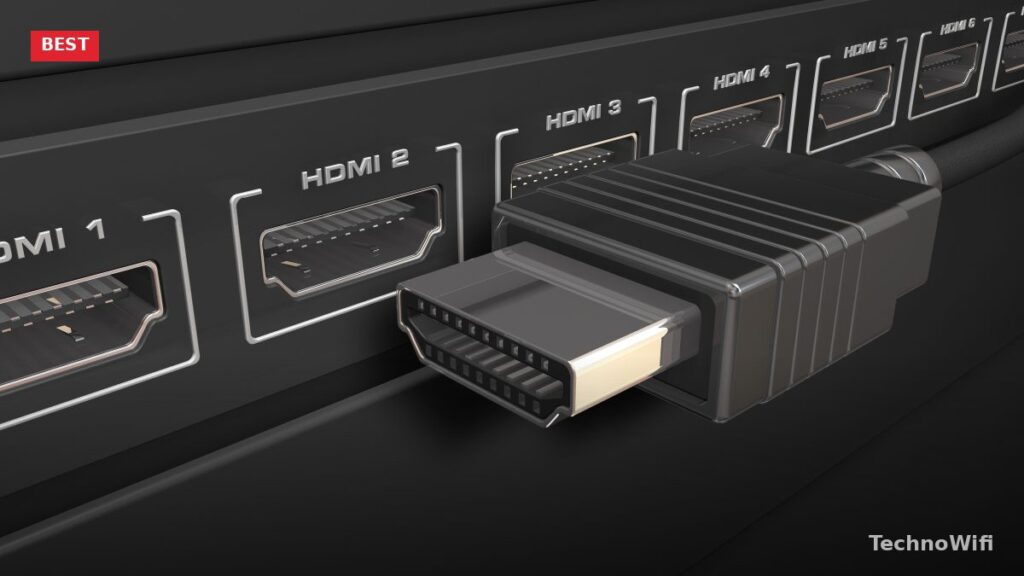
Best HDMI Splitters for Dual Monitors in 2026
Shopping for an HDMI splitter sounds simple enough, but there is one big misconception that trips people up before they even start. Let’s clear the air on what these devices actually do, which ones are worth buying, and when you should skip the splitter entirely.
![avedio links HDMI Splitter 1 in 2 Out [with 4 Ft Hdmi Cable], Mirror Only](https://www.technowifi.com/wp-content/uploads/2026/08/avedio-links-hdmi-splitter-1-in-2-out-with-4-ft-hdmi-cable-mirror-only.jpg)
HDMI Splitter vs HDMI Switch: What’s the Difference?
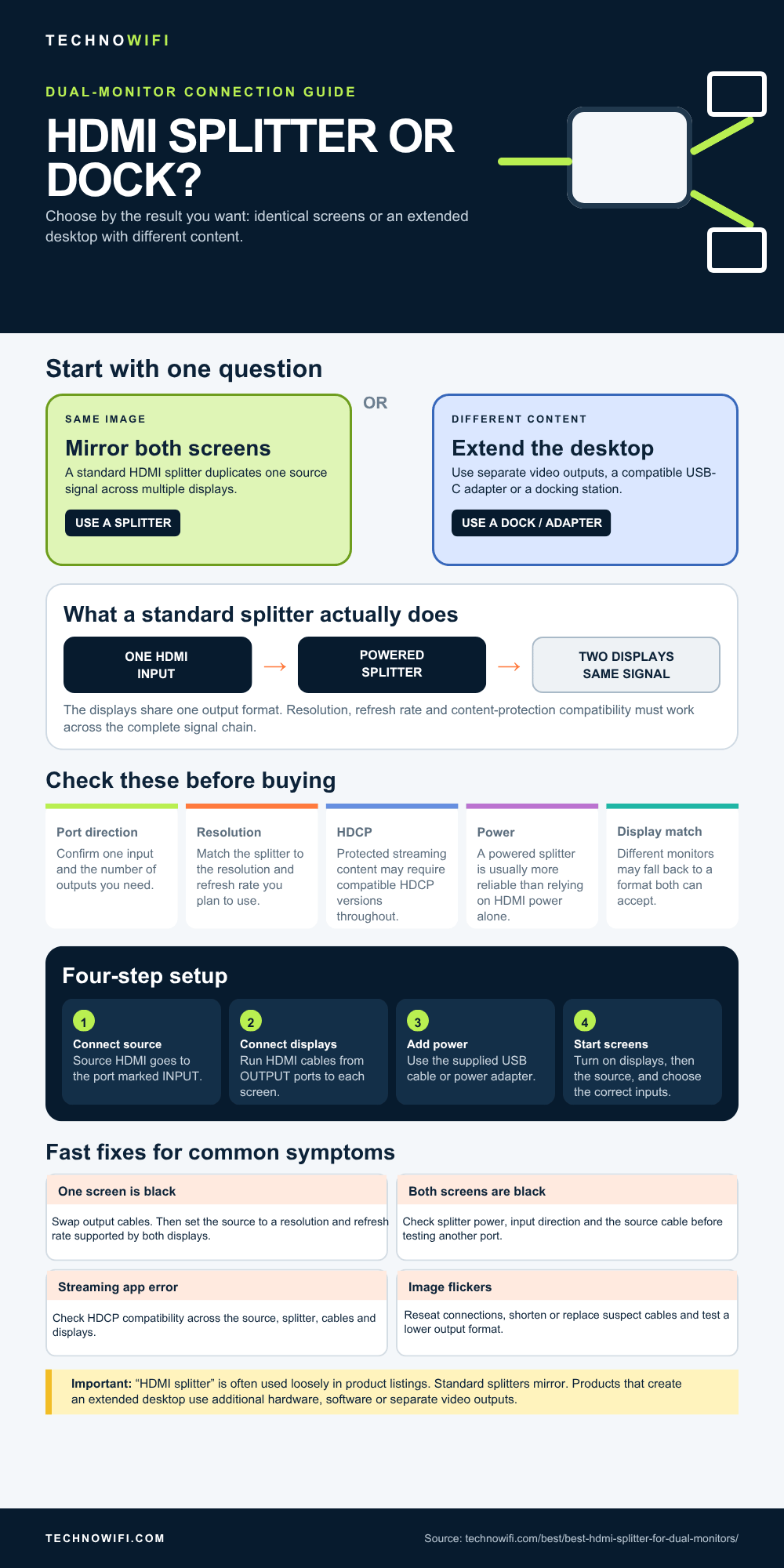
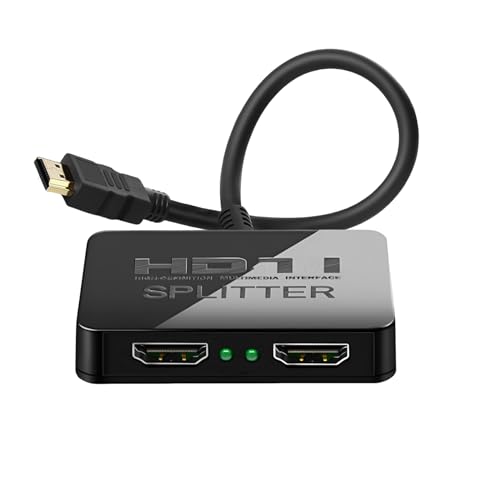
These two gadgets get mixed up constantly, so here is the short version. An HDMI splitter takes a single input signal and sends it to multiple displays at the same time. You connect your laptop to the splitter, and both monitors display the exact same image. A splitter mirrors your screen; it does not extend your desktop across two monitors.
An HDMI switch works the other way around. It takes multiple input devices (a game console, a streaming stick, a Blu-ray player) and lets you toggle between them on a single TV or monitor. Multiple inputs, one output.
For adapter options, check our best multi-monitor adapters.
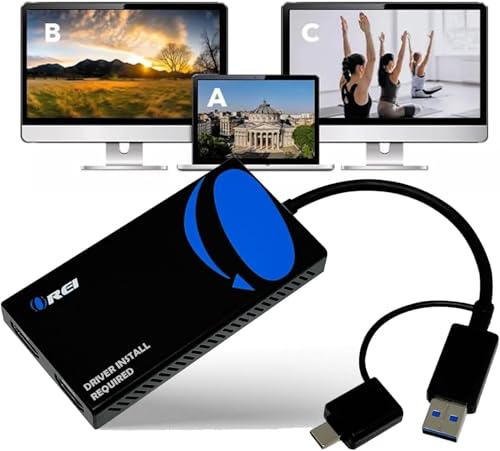
If your goal is to extend your desktop so each screen shows different content, a splitter is not the right tool. You need a second video output from your computer, like a USB-C to HDMI adapter, a docking station, or a laptop that already has two video ports. Splitters only mirror. This is the single most common misunderstanding people run into when shopping for one.
When Does an HDMI Splitter Actually Make Sense?
Splitters shine in a handful of specific situations. Showing the same presentation on a projector and a confidence monitor at the same time is a classic use case. Mirroring a cable box or streaming device to TVs in two separate rooms is another. Displaying the same security camera feed on multiple screens, or running identical content across displays at a trade show, restaurant, or retail store are also good fits.
For a home office setup where you want different windows on each monitor, a splitter will not help. You need a docking station or a USB-C hub with multiple video outputs instead. That said, if mirroring is genuinely what you are after, a quality splitter runs between $15 and $50 and works reliably for years.
Best HDMI Splitters for Dual Monitors
| Splitter | Best For | Resolution | Ports | HDCP | Price |
|---|---|---|---|---|---|
| Avedio Links 1×2 4K | Best overall | 4K @ 30Hz | 1 in, 2 out | HDCP 1.4 | $13 to $18 |
| OREI HD-102 | Most reliable | 4K @ 30Hz | 1 in, 2 out | HDCP 1.4 | $20 to $30 |
| Newcare 1×2 4K@60Hz | Best for 4K 60Hz | 4K @ 60Hz | 1 in, 2 out | HDCP 2.2 | $25 to $35 |
| Cable Matters 4K 1×4 | Best for 4 displays | 4K @ 30Hz | 1 in, 4 out | HDCP 1.4 | $30 to $40 |
| ViewHD 1×2 Ultra HD | Budget pick | 4K @ 30Hz | 1 in, 2 out | HDCP 1.4 | $10 to $15 |
Best Overall: Avedio Links 1×2 4K
The Avedio Links splitter does its job without fuss. Plug in one HDMI source, connect two displays, and both screens mirror the same image at up to 4K @ 30Hz or 1080p @ 60Hz. The aluminum casing handles heat better than the cheaper all-plastic alternatives, which is a real advantage for devices that run around the clock in commercial installations.
We put together a full guide on startech docking stations dual monitor setup that pairs well with this.
It plays well with laptops, desktop PCs, game consoles, streaming sticks, Blu-ray players, and cable boxes. Power comes through an included USB cable, so you can plug it into a USB port on your TV, a USB wall charger, or even a power bank. At $13 to $18, the price point is low enough that replacing it someday would not sting at all.
Most Reliable: OREI HD-102
OREI has been making AV distribution equipment for years, and the HD-102 shows that experience. It is a bit larger than the Avedio Links, but the internal components are built to a higher standard. HDCP 1.4 support means it handles copy-protected content from cable boxes and Blu-ray players without the frustrating blank-screen problems that plague cheaper splitters.
The included power adapter is a dedicated 5V supply rather than a USB cable, which gives you more consistent power delivery. That matters when you are driving longer HDMI cable runs or pushing higher-resolution signals. For permanent setups like conference rooms, waiting rooms, or sports bars, the OREI is worth the extra $10 for the added peace of mind.
Best for 4K 60Hz: Newcare 1×2
Most budget splitters top out at 4K @ 30Hz. That is perfectly fine for presentations and video playback, but it feels noticeably choppy for desktop use or gaming. The Newcare splitter handles 4K @ 60Hz with HDMI 2.0 and HDCP 2.2 compliance, making it the right pick if you need smooth 4K mirroring.
HDCP 2.2 support is the spec that really matters here. Netflix, Disney+, and other streaming services running on 4K devices require HDCP 2.2 for 4K playback. A splitter limited to HDCP 1.4 forces these services to drop down to 1080p or just shows a blank screen. If you are splitting a 4K streaming device across two TVs, confirm that the splitter and both TVs all support HDCP 2.2.
Best for 4 Displays: Cable Matters 1×4
When you need to push the same image to more than two screens (think retail stores, trade show booths, or multi-room setups) the Cable Matters 1×4 handles four displays from a single source. It supports 4K @ 30Hz across all four outputs simultaneously and ships with a dedicated power adapter to keep the signal stable on every port.
Our HP docking station dual monitor setup walkthrough covers this from a different angle.
Cable Matters is a well-known name in connectivity accessories, and their customer support is responsive if you run into issues. The splitter works with cable runs up to 50 feet (15 meters) per output without signal degradation, though longer runs may need an HDMI signal booster to stay clean.
How to Set Up an HDMI Splitter
- Connect the HDMI cable from your source device (laptop, game console, streaming stick) to the splitter’s input port, usually labeled “IN.”
- Connect HDMI cables from the splitter’s output ports (labeled “OUT 1” and “OUT 2”) to your two displays.
- Power the splitter. Most models use a USB cable or a small power adapter. Plug in the power before connecting HDMI cables when possible.
- Turn on your displays first, then turn on the source device. Both screens should show the same image right away.
If one display shows an image and the other stays black, try swapping the HDMI cables between the two outputs. Some splitters lock onto the resolution of whichever display connects first. If your two monitors have different native resolutions, the splitter might output a resolution the second monitor cannot handle. In that case, manually set your source device’s resolution to one that both monitors support.
Common Problems and How to Fix Them
| Problem | Likely Cause | Fix |
|---|---|---|
| Black screen on one display | HDCP handshake failure | Power cycle the splitter: unplug power, wait 10 seconds, reconnect. Try a different HDMI cable. |
| Both screens black | Not enough power or a bad cable | Use a powered USB adapter instead of drawing from a TV’s USB port. Test with a different source cable. |
| Image flickers or drops out | Long cable run or loose connection | Use shorter HDMI cables (under 15 feet). Make sure all connections are fully seated. |
| Streaming apps show an error | HDCP version mismatch | Get a splitter with HDCP 2.2 for 4K content. Some content providers block split signals entirely. |
| Low resolution output | Mismatched monitor resolutions | Set the source to the highest resolution both monitors support. The splitter sends one resolution to both. |
HDMI Splitter vs Docking Station for Dual Monitors
A docking station with multiple video outputs is what most people really need when they search for “HDMI splitter for dual monitors.” Docking stations connect through USB-C or Thunderbolt and give you independent control of each display, with different windows and different apps on an extended desktop. They cost more ($50 to $200) but they solve the actual problem of working across two screens.
A splitter is the right tool only when you specifically need identical content on multiple screens. For everything else (home office setups, productivity, gaming with a second monitor) skip the splitter and pick up a dock or a USB-C to dual HDMI adapter instead.
Can an HDMI splitter show different content on each monitor?
No. An HDMI splitter mirrors the same image on every connected display. It physically duplicates the same signal. To show different content on each monitor, you need a second video output from your computer. A docking station, a USB-C to HDMI adapter, or a laptop with multiple video ports will get you there.
Do HDMI splitters reduce image quality?
A well-made splitter passes the signal with no degradation at its supported resolutions. Cheap or poorly manufactured models can introduce signal loss, especially on cable runs longer than 15 feet. As long as the splitter supports the resolution you are running and has adequate power, the image quality should look identical to a direct connection. The splitter duplicates the signal without compressing or re-encoding it.
Do HDMI splitters add input lag?
Want a curved display? See our best 4K curved monitors.
Thinking about adding more screens? Our triple monitor setup guide covers everything from hardware to configuration.
Barely. Quality splitters add less than 1 millisecond of latency, which is completely imperceptible. For gaming, this is a non-issue. Cheap splitters can occasionally introduce frame drops or minor delays, but any name-brand option from the list above handles real-time gaming and video without noticeable lag.