When you purchase through links on our site, we may earn an affiliate commission. Here’s how it works.
Best Camera Polarizer Lenses for 2026
Polarizing filters are still one of the most useful tools you can carry in your camera bag. In 2026, the technology behind these filters has come a long way, with better durability, truer colors, and improved light transmission thanks to advances in nano-coating and multi-layer dielectric manufacturing.
Whether you’re shooting calm lake reflections or dramatic golden hour skies, a good polarizer cuts glare and brings out naturally rich colors and deep contrast in your images.
How Polarizing Filters Actually Work
Polarizing filters block specific angles of light. In practice, this means they reduce reflections from surfaces like water or glass while keeping the natural colors of your scene intact.
Today’s filters use advanced optical glass and nano-structured hydrophobic coatings that repel water and oil. That keeps your image quality high even in rough outdoor conditions. Thanks to better manufacturing processes, modern polarizers are also clearer and brighter than older versions, which means less post-processing work on your end.
Product Recommendations
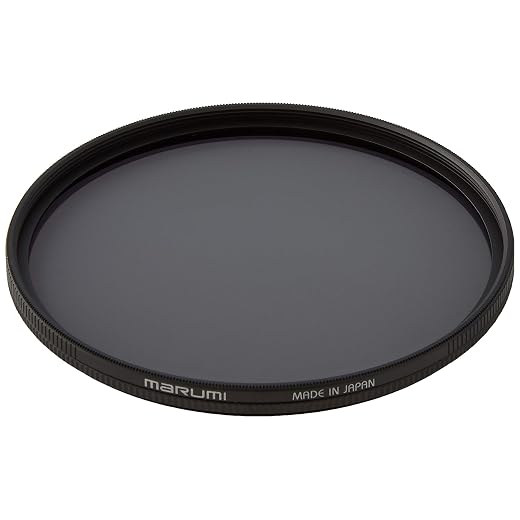
Hoya HD Nano Mk II CIR-PL
The Hoya HD Nano Mk II CIR-PL is a big step up in polarizer tech. It uses toughened optical glass with nano coatings that boost light transmission by up to 25% while keeping darkening effects to a minimum. The build quality is solid enough for rugged outdoor shooting, and it delivers consistent results across a wide range of conditions.
We also cover Sony fs7 lens in a separate article worth checking out.
Key Specifications:
• Material: Toughened optical glass with nano-structured coatings
• Photo Filter Thread Size: 77mm
• Thread Diameter Range: 37mm to 105mm
• Thickness: 5mm
• Weight: Approximately 2.5 ounces
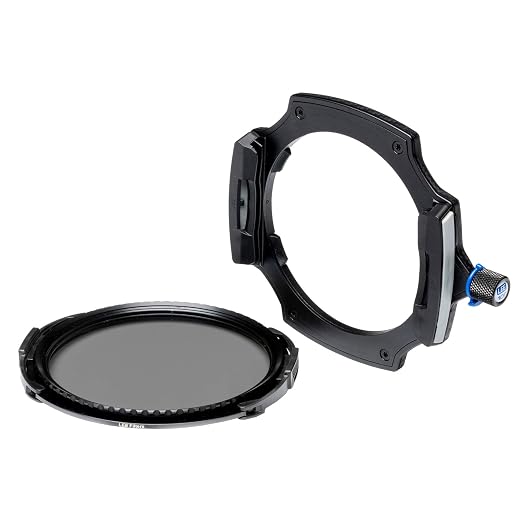
LEE Elements Circular Polariser
Built for professionals, the LEE Elements Circular Polariser uses premium optical glass and multi-layer dielectric coatings. It reproduces colors accurately and keeps reflections and lens flares under control. The attachment system is designed for quick adjustments, making it a great pick for landscape and architectural shooters.
Key Specifications:
• Material: Premium optical glass
• Photo Filter Thread Size: 100mm
• Thread Diameter Range: 82mm to 105mm
• Thickness: 6mm
• Weight: Approximately 1.8 ounces
Cokin NX CPL
If you shoot with ultra-wide lenses or like to stack multiple filters, the Cokin NX CPL is worth a look. It’s designed to slot right into the Cokin NX filter system, and the hydrophobic coatings make cleaning a breeze. It’s a versatile option for outdoor shoots where you need more than one filter at a time.
If you are still exploring options, our Canon ef 135mm guide is a solid next read.
Key Specifications:
• Material: High-quality optical glass
• Photo Filter Thread Size: 95mm
• Thread Diameter Range: 77mm to 95mm
• Thickness: 4mm
• Weight: Approximately 2.1 ounces
Tiffen Circular Polarizer Filter
Tiffen has always been a reliable name in filters, and the updated Circular Polarizer keeps that reputation going. The enhanced coatings improve light transmission and minimize color cast, making it a solid budget-friendly choice for beginners and experienced shooters alike. It comes in a wide range of sizes to fit most lenses.
Key Specifications:
• Material: Optical glass with refined coatings
• Photo Filter Thread Size: 52mm
• Thread Diameter Range: 25mm to 82mm
• Thickness: 5mm
• Weight: Approximately 1.4 ounces
Tips for Getting the Most Out of Your Polarizer
Modern polarizing filters work great with mirrorless cameras and even drones. When shooting, take your time aligning the filter. Slowly rotate it while watching through your viewfinder or live view until you hit the sweet spot where glare drops off and colors pop.
One tip that never gets old: shoot with the sun at roughly a 90-degree angle to your subject. Combined with a quality polarizer, this technique gives you images that look sharp, contrasty, and true to life.
Final Thought
A good polarizing filter is one of the best investments you can make as a photographer. Modern options combine advanced materials, smart coating tech, and broad compatibility with current camera systems. The result? Images with richer contrast, better color, and sharper clarity, all with less editing work afterward. If you haven’t upgraded your polarizer recently, 2026 is a great time to do it..