Electronic Toys for Kids by Age Group
Electronic Toys for Kids – Technology has changed the way we live, work, and play. We have more products than ever to help with daily life, and that extends to how our kids learn and grow.
Of course, there are downsides to too much screen time. But when used the right way, electronic devices and toys can actually support a child’s development at every stage.
The key is picking the right device for the right age.
The Right Electronic Device for Every Milestone
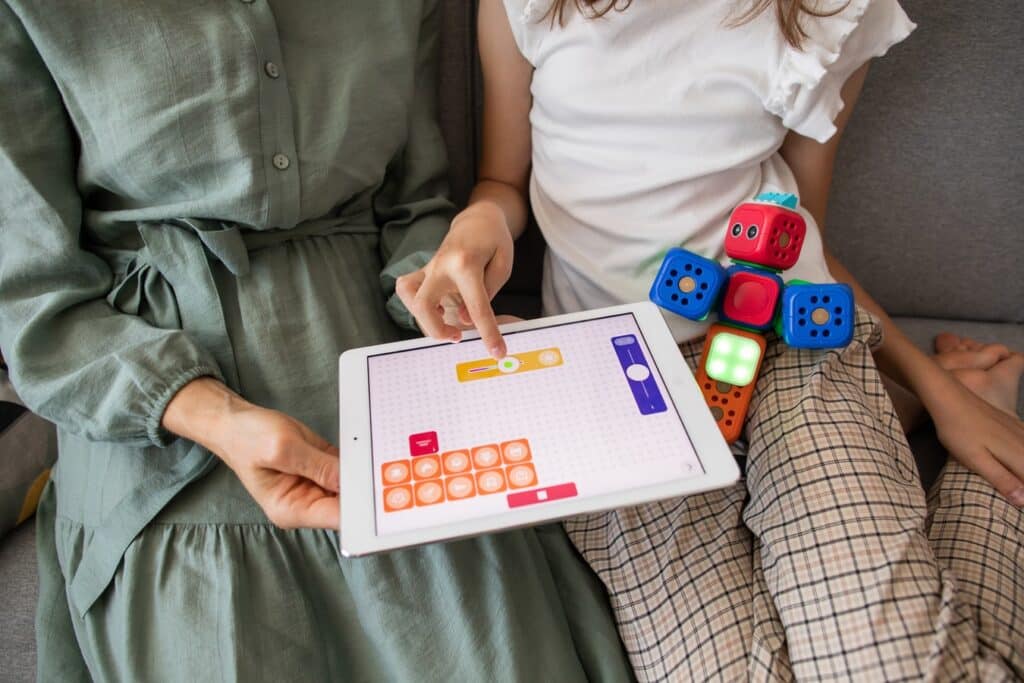
Electronic Toys for Toddlers
Just like traditional toys, electronic ones should match a child’s developmental stage. When a baby is under 1 year old, they’re mostly observing the world around them and learning to move through it. Simple is best.
As toddlers begin interacting with other kids, they need tools that support both verbal and non-verbal communication. Age appropriateness matters just as much with electronic toys as with any other kind.
According to the book Screen Time: How Electronic Media – From Baby Videos to Educational Software – Affects Your Young Child, three things should guide your decision: content, context, and the individual child.
Parents and teachers should ask: How will this device help the child learn, explore, imagine, or express themselves? What kind of interactions happen while they’re using it? The device should complement natural learning and play patterns, not replace them.
And always consider what the child needs at that particular moment. Here’s a breakdown of what works at each stage.
Electronic Toys for 0-6 months
In the first few months of life, babies are drawn to sounds and movement. They’re discovering their own bodies and the sensations around them. Their senses are just beginning to respond to stimulation, so there’s no need to overload them.
Secure bonding with parents is the priority at this stage since babies love recognizing familiar faces. An electronic mobile above the crib works well. A speaker playing soft, soothing music is another good option.
Electronic Toys for 6-8 months
Babies are more aware of their surroundings now. They’re starting to understand cause and effect and love repeating actions that produce a result.
Simple toys they can hold in their hands work best at this point. Make sure nothing has small parts that could be a choking hazard, because this is the stage where everything goes straight into the mouth. Electronic toys for kids that make sounds provide good entertainment and brain stimulation. Toys with different textures are a nice bonus.
Electronic Toys for 8-12 months
By now, children can start recognizing names of people and objects. They’re also beginning to understand that things still exist even when they can’t see them (object permanence).
A jack-in-the-box toy or an interactive doll helps with this concept. Kids at this age love experimenting with toys that have different colors, sizes, and shapes.
They’re also starting to copy what they see, so it’s an important time to provide good role models. Simple educational videos with lots of movement and music work well here. A big-screen TV is great for this, just make sure they don’t sit too close or watch for too long. Encourage them to follow along with dances and sing, rather than just watching passively.
Other kinds of toys that come in cups, blocks, push-pull, sorters, and simple 3D puzzles can also be very helpful.
Electronic Toys for 12-18 months
Once a child turns 1, reading to them becomes really valuable. They’ll understand simple stories and enjoy the animation that comes with storytelling.
Audiobooks, tablets, or computers (Chromebooks for kids) and TV screens can all help bring stories to life. Good speakers make the experience even better.
This is also when kids start appreciating paper and different materials. You can introduce a digital drawing pad or tablet from time to time. Let them use their fingers to create shapes and drawings. Apps that play writing sounds are a nice touch.
Make sure they’re supervised during this time, because babies this age love banging things together!
Electronic Toys for 18-24 months
Between 18 months and 2 years, kids develop their imagination. This is the perfect time to encourage pretend play: dressing up, mimicking people, pretending they’re in different places.
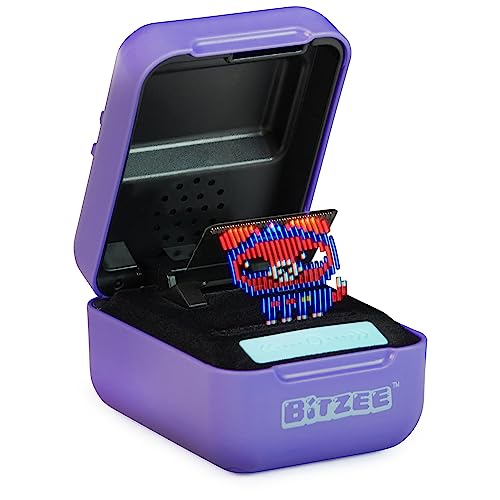
Interactive electronic toys like talking dolls, electronic pets, and simple robots support imaginative play at this age. Items like a toy telescope, a play kettle, or a little remote-control vehicle that an adult operates can spark creativity.
Keep virtual reality and AI off the table for now, though. Let them imagine on their own.
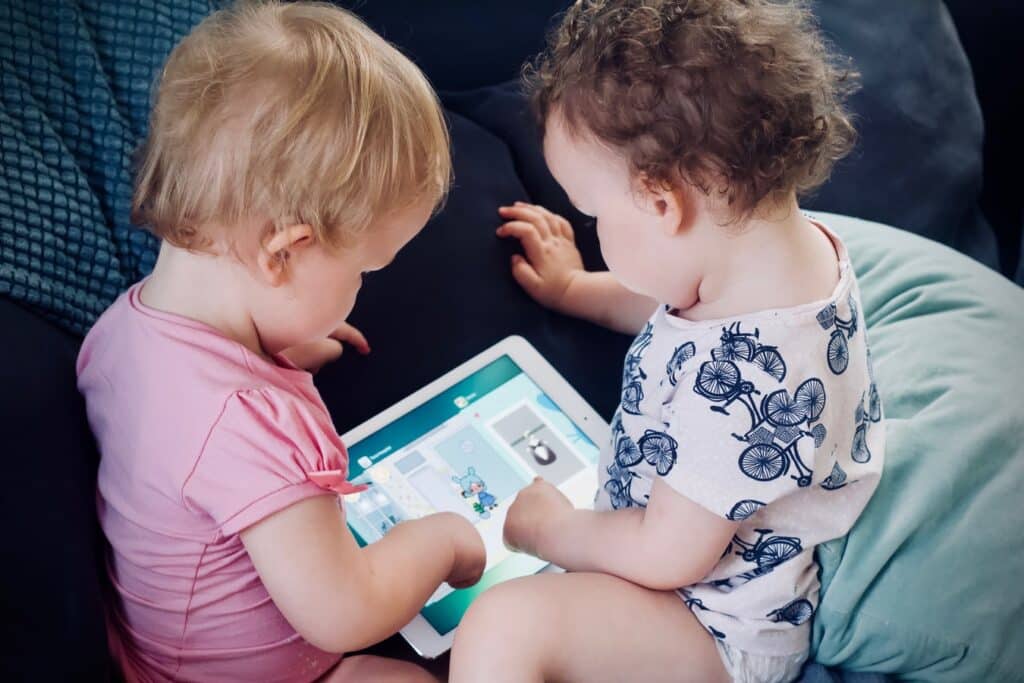
Electronic Toys for 2-4-year-old
Between two and four, many children start preschool. They’re around other kids more often, which means they need to work on social skills: sharing, taking turns, recognizing when someone else is upset.
Toys that encourage these skills are welcome at this stage. Two kids can share a tablet for a simple video game. Pretend play is still valuable, so interactive dolls, robots, action figures, and electronic pets remain good picks.
Digital drawing pads help with fine motor skills. Electronic musical instruments are a hit at this age too. Kids love making noise, so toy guitars, drums, and other sound-making devices support their cognitive growth.
Stories and commands from a portable device keep them entertained on the go. Games and apps that let them sort colors and shapes, find differences between objects, recognize rhymes, and name things are all excellent learning tools.
Around age three, kids can handle small buttons and levers. 3D or digital puzzles help both mental development and fine motor coordination. Sensor-based toys work well too. On a drawing pad, they might start copying shapes.
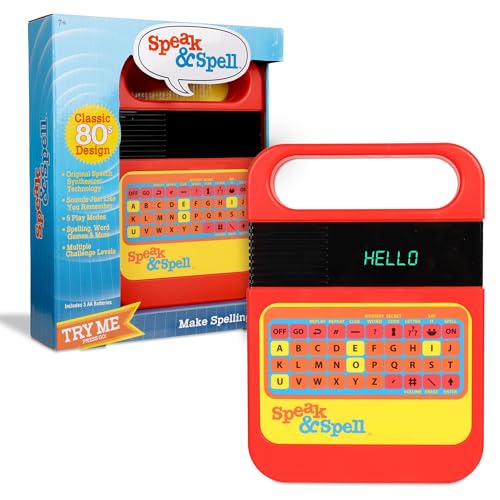
By four, they’ll want the company of other kids, so two-player toys and games become useful. Toys that recite nursery rhymes, the alphabet, or numbers help with recognition. Electronic counting toys build early math skills. Kid-sized computers or learning devices fit well now that they’re picking up basic school concepts.
Electronic Toys for 5-year-old
At 5, kids can grasp concepts much better. They’ll learn real song lyrics and memorize dances more easily. Educational videos on a TV or their own small screen with good speakers will help with this. Adult supervision during viewing is still important.
Kids this age know what’s real and what’s pretend. They’ll still play with dolls and action figures, but they understand it’s make-believe. They’re more independent now, so toys that let them explore and create will keep them engaged.
A kid-friendly smartwatch with GPS tracking is practical for children who tend to wander in public places. They can hold conversations and even tell stories at this point. Apps and audiobooks that let them create stories and pictures are great for cognitive development. Tracing pads support fine motor skills since they can now draw shapes and simple figures.
Electronic Toys for Older Kids
Everything works best in moderation. When used thoughtfully, electronic toys and devices can grow right along with a child’s needs.
Parents and teachers just need to be intentional about what devices they introduce and how often kids use them. Play remains a major part of development all the way through middle and late childhood. Encouraging creativity and critical thinking benefits kids at every age.
There’s no shortage of options, from digital apps and software to interactive dolls, robots, and handheld devices.
The Right Way to Use Electronic Devices for Kids
Parents, teachers, and kids can all enjoy today’s electronic toys and devices. Here are the principles that matter most for healthy development.
When used well, technology becomes a genuine learning tool. It can also help level the playing field for children from different backgrounds, locations, and circumstances.
Technology can strengthen relationships between kids and their families, too. But the biggest factor in getting results? Having an adult present to guide the experience. That guidance helps kids make better choices on their own as they get older.
Here are some electronic toy suggestions organized by age group.
Electronic Toys for 6-8-Year-Old Kids
During the first few years of elementary school, kids enter the middle childhood phase. They’re more independent with self-care and have better control over their fine motor skills. Friendships and meaningful relationships start to matter more. They want to be accepted by their peers and might even start thinking about what they want to be when they grow up.
Since their world now extends beyond home, they’re more curious and eager to absorb information. School accelerates their cognitive development and they start learning different approaches to solving problems.
The best toys for this age group are ones that let kids imagine, socialize, and stay active at the same time.
Toys they can experiment with, style, or build will go over well.
Good picks include remote-controlled cars and vehicles, electronic coding toys, robots, electronic 3D puzzles, interactive dolls and toys, digital memory games and board games, designing tools like bedazzling machines, and mechanical jewel and bead hair styling toys.
This is also a good time to introduce virtual reality and well-protected, child-friendly tablets for interactive and virtual games.
Electronic Toys for 9-11-Year-Old Kids
Electronic Toys for Kids – 9 to 11-year-oldsAt this stage, kids are transitioning from child to tween. Their interests become more defined, so encouraging those interests is the way to go. They usually have a steady friend group and tend to gravitate toward same-gender peers.
Peer pressure starts to kick in. Girls may begin puberty during this stage. Schoolwork gets tougher, but attention spans also grow longer, so complex activities that demand focus are welcome.
Electronic toys for this age group lean toward items that help kids express themselves and explore their hobbies. Girls might want child-friendly sewing machines for making costumes or nail stampers for DIY manicures. Bluetooth printers come in handy for personalizing their rooms. Lamps and speakers with fun designs are always a hit.
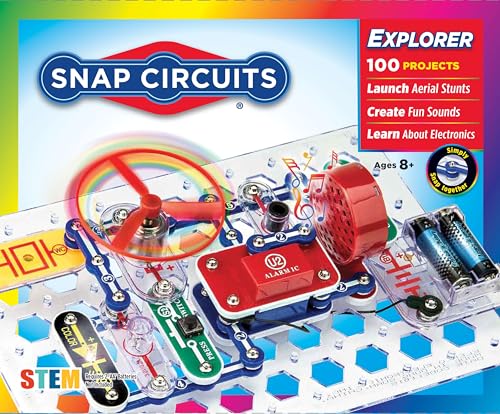
Boys might still enjoy vehicles, but smartphone-controlled racecars and airplanes tend to replace basic remote-controlled toys. Some kids with specific interests will love simulation toys featuring science experiments, electronics, and robotics.
And of course, kids this age want the latest music devices, computers, and smartphones. They want to stay current and use these devices for online learning too.
Electronic Toys for 12-14-Year-Old Kids
Electronic Toys for Kids – 12 to 14-year-oldsThese kids are going through a lot of changes, physically, mentally, and socially. As puberty progresses, they’re trying to figure out who they are while still wanting to fit in with their peers. They become more conscious about their appearance.
Their thinking skills keep developing. By now, they have a better sense of their academic strengths and weaknesses. Abstract thinking and innovation come more naturally. They’re also better at expressing themselves verbally.
The electronics they want aren’t really “toys” anymore. They’re drawn to gadgets and cool-looking devices. They want to establish their own identity, so anything that allows customization and personalization is appealing.
Items like label makers, LED marquee boxes, and Polaroid cameras let them express their creativity. Charging docks, LED strip lights, and color-changing lamp and speaker combos are useful for this age group. Many of these kids also want to listen to music privately, making Bluetooth wireless headsets or earphones a go-to item.
Electronic Toys for 15-17-Year-Old Kids

The late teenage years are when kids start getting ready for adulthood. Their behavior is noticeably more mature, and some of them already carry themselves like adults.
Most have gone through puberty by now and are thinking more seriously about life and their future. Relationships still matter a lot, which means social media stays central to their world. Smartphones and laptops become genuine necessities at this point.
Their thinking and habits are more precise. They develop work routines and show real interest in potential careers. They can reason logically and hold strong opinions of their own.
Teens this age are also brand-conscious. They know what they like based on experience and research. Mobile phones, laptops, and other gadgets carry real weight for them.
Since they’re nearly adults, they might want subscriptions to streaming platforms for music, video, and audiobooks. Digital pens and smartwatches to pair with their main devices are popular. Mini projectors, portable photo printers, microphones, and more professional-grade gaming and camera gear often land on their wish lists as their interests become more focused.
See Also
References
- Frank, C. (2007). Choosing the Right Toys for the Right Age. WebMD; WebMD. https://www.webmd.com/parenting/
- Guyton, G. (n.d.). Using Toys to Support Infant-Toddler Learning and Development. Bankstreet.edu.
- Office of Educational Technology. (2016). Office of Educational Technology. https://tech.ed.gov/earlylearning/principles/
- LaScala, M., & Maglente, S. (2020, November 24). Fun Educational Toys for Kids That Let Them Learn as They Play. Good Housekeeping. https://www.goodhousekeeping.com/childrens-products/
- Lord, M. R. U., Joe Osborne, Sarah. (2021, May 11). 31 tech gifts for teens that won’t end up in a desk drawer. Business Insider. https://www.businessinsider.com/
- Office of Educational Technology. (2016). Office of Educational Technology. https://tech.ed.gov/earlylearning/principles/