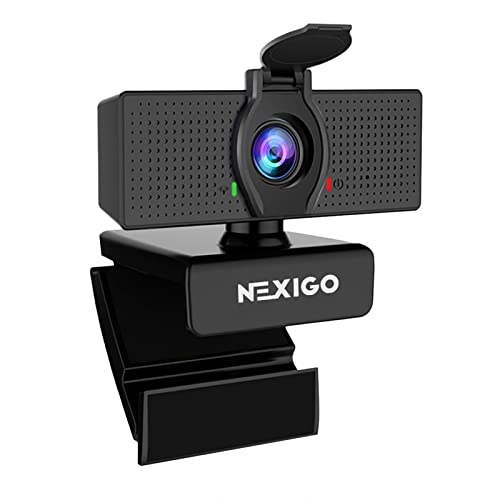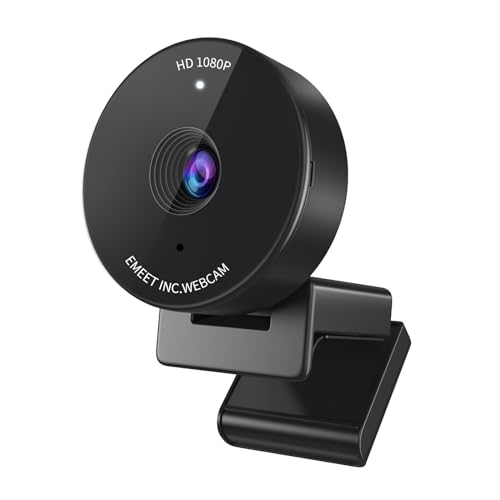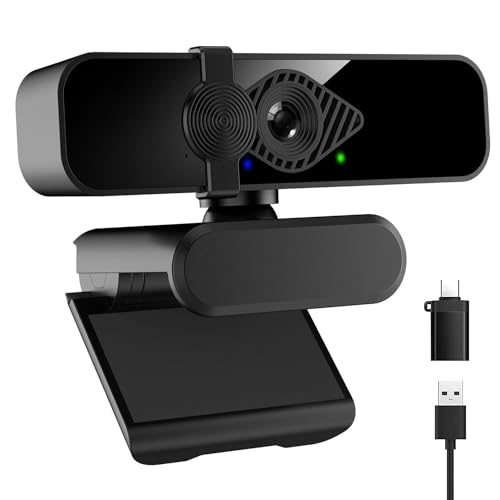
Why Use an External Webcam on a Mac?
Apple has improved the built-in cameras on recent MacBook Pro and MacBook Air models, but many older Macs still ship with 720p webcams that look soft and washed out. If you work from home, record video content, or attend frequent video meetings, an external webcam with 1080p or 4K resolution can dramatically improve how you look on screen.
External webcams also give you more control over framing and positioning. You can mount one on a monitor, place it on a tripod, or angle it independently from your Mac’s display.
How to Set Up an External Webcam on a Mac
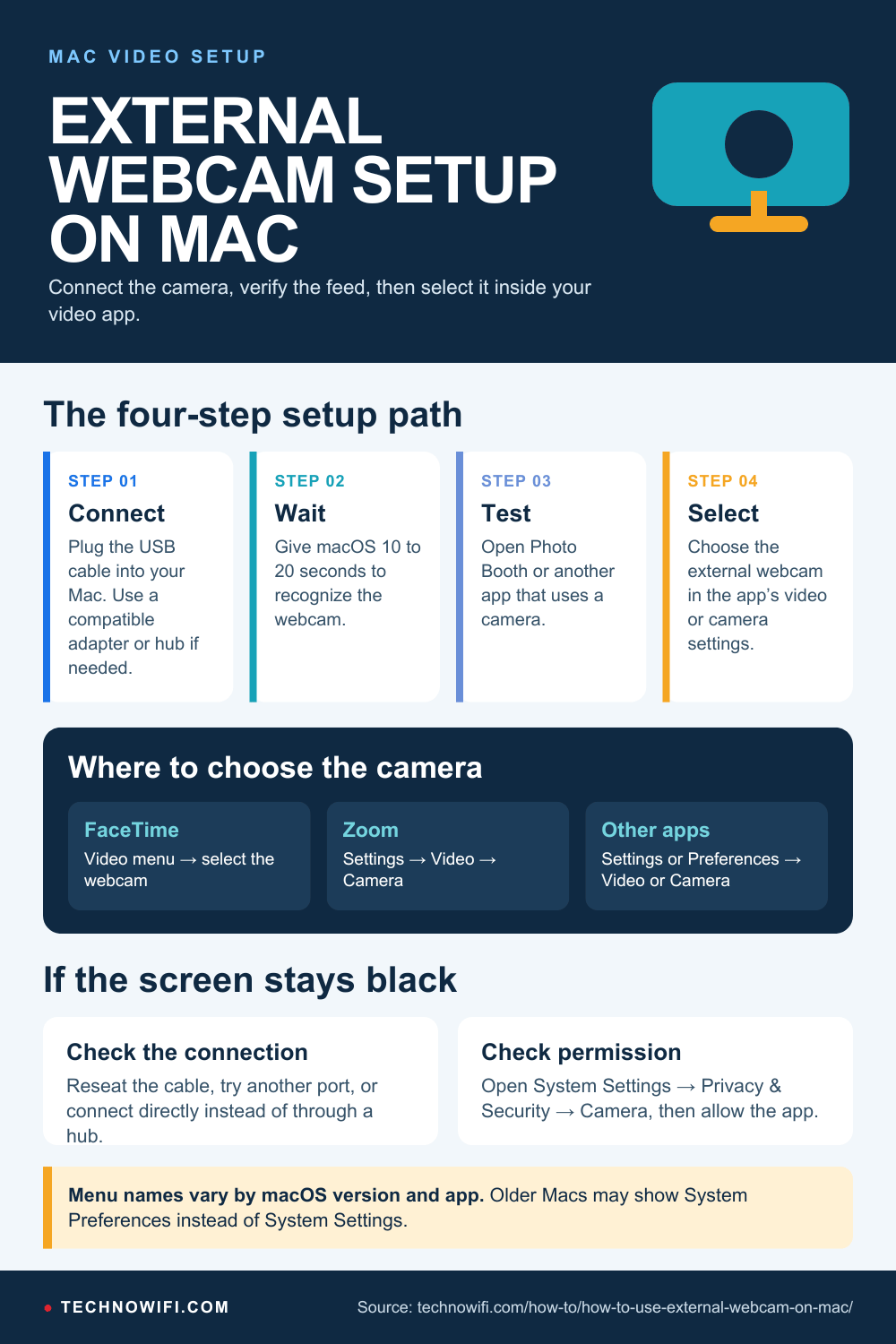
Getting started is straightforward. Most USB webcams work with macOS without any additional drivers in 2026. Here is the setup process:
- Step 1: Plug the webcam’s USB cable into a USB port on your Mac. If your Mac only has USB-C (Thunderbolt) ports, use a USB-C to USB-A adapter or a USB-C hub.
- Step 2: Give your Mac about 10 to 20 seconds to recognize the webcam. No restart is needed.
- Step 3: Open an app that uses the camera. The built-in Photo Booth app is a quick way to verify the webcam is working. You can also open FaceTime, Zoom, or any video app.
- Step 4: If the app defaults to your Mac’s built-in camera, go to the app’s video settings and select your external webcam from the camera dropdown list.
That is all there is to it. Your external webcam is now ready to use across any application that supports video.
We put together a full guide on 4K monitors for Mac Mini that pairs well with this.
How to Use an External Webcam with FaceTime
FaceTime picks up connected cameras automatically, but you may need to tell it which one to use:
- Open the FaceTime app on your Mac.
- In the menu bar, click “Video.”
- You will see a list of available cameras. Select your external webcam from the list.
FaceTime will remember your selection for future calls as long as the webcam stays connected.
How to Use an External Webcam with Zoom
- Open the Zoom app and sign in.
- Click your profile icon in the top-right corner, then select “Settings.”
- Go to the “Video” tab on the left sidebar.
- Under “Camera,” open the dropdown menu and choose your external webcam.
- You should see a live preview of the webcam feed right away.
You can also switch cameras during an active Zoom call by clicking the small arrow next to the camera icon in the meeting toolbar.
How to Use an External Webcam with Skype
- Open Skype on your Mac.
- Click “Skype” in the top menu bar, then choose “Preferences” (or press Command + comma).
- Select “Audio & Video” from the settings panel.
- Under the Camera section, pick your external webcam from the dropdown.
A preview window will show the camera feed so you can confirm it is working before jumping into a call.
Our docking stations for MacBook Pro walkthrough covers this from a different angle.
How to Use an External Webcam with Other Apps
The process is similar across most video apps. Look for a “Settings” or “Preferences” menu, find the video or camera section, and switch the camera source to your external webcam. Apps like Microsoft Teams, Google Meet (via Chrome), Discord, and OBS Studio all follow this pattern.
Troubleshooting an External Webcam on Mac
Check the Physical Connection
- Make sure the USB cable is firmly seated in the port. Dust or debris can cause a loose connection.
- Try a different USB port or a different adapter if you are using one.
- If you are using a USB hub, connect the webcam directly to the Mac to rule out hub issues.
Verify Camera Permissions
macOS requires apps to have explicit permission to access the camera. If your webcam is connected but an app shows a black screen:
- Open System Settings (or System Preferences on older macOS versions).
- Go to Privacy & Security > Camera.
- Make sure the app you are trying to use has a checkmark next to it. Toggle it on if needed.
Restart the Camera Process
If the webcam was working but suddenly freezes or goes black, open Terminal and type: sudo killall VDCAssistant then press Return. Enter your password when prompted. This restarts the camera process without rebooting the entire Mac.
Reset the SMC (Intel Macs Only)
On older Intel-based Macs, resetting the System Management Controller can resolve stubborn hardware recognition issues:
- Shut down the Mac.
- Unplug the power adapter.
- Press and hold Shift + Control + Option on the left side of the keyboard, then press the power button. Hold everything for 10 seconds.
- Release all keys, reconnect the power adapter, and turn the Mac back on.
Apple Silicon Macs (M1, M2, M3, M4 chips) do not have an SMC. If you are on one of these machines, a simple restart usually resolves camera detection problems.
Tips for Getting the Best Video Quality
- Position a light source in front of you (not behind you) to avoid being silhouetted.
- Place the webcam at eye level to create a natural, direct angle.
- Close unnecessary apps that might compete for camera access.
- Keep your webcam lens clean with a microfiber cloth.