What Matters in a Zoom Webcam
Zoom compresses video heavily, so the differences between webcams are less dramatic than they are for streaming or pre-recorded content. That said, a good webcam still makes a noticeable difference in how you come across in meetings. The biggest factors are low-light performance (most home offices have mediocre lighting), autofocus speed (so you stay sharp when you lean forward or gesture), and microphone quality (if you don’t use a separate mic).
Resolution matters less than you’d think. Zoom defaults to 720p for group calls and caps at 1080p even on paid plans. A sharp 1080p webcam with good color and exposure handles everything Zoom can deliver. 4K webcams are nice but the extra resolution goes unused in Zoom calls.
Best Webcams for Zoom Compared
| Webcam | Best For | Resolution | Microphone | Price |
|---|---|---|---|---|
| Logitech Brio 4K | Best overall | 4K / 1080p60 | Dual omni mics | $150 to $200 |
| Logitech C920s | Best value | 1080p / 30fps | Dual stereo mics | $50 to $70 |
| Anker PowerConf C200 | Best under $50 | 2K / 30fps | Dual stereo mics | $40 to $50 |
| Opal Tadpole | Best for laptops | 4K / 30fps | Dual mics | $150 to $175 |
| Logitech Rally Bar Mini | Best for meeting rooms | 4K / 30fps | Beamforming array | $2,500 to $3,000 |
Best Overall: Logitech Brio 4K
The Brio has been the standard recommendation for professional Zoom calls since its launch, and it holds up in 2026. The RightLight 3 with HDR automatically adjusts exposure for mixed lighting situations – a window behind you, a desk lamp to the side, overhead fluorescent lights. Where cheaper webcams either blow out the background or leave your face dark, the Brio balances both.
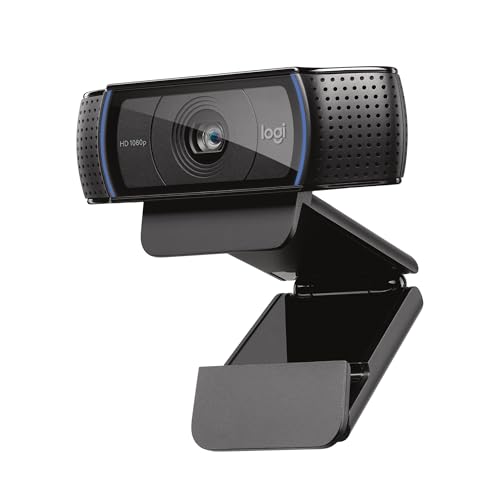
The adjustable field of view (65, 78, or 90 degrees) is a practical advantage for Zoom. Use the narrow 65-degree view for solo calls where you want a tight headshot. Switch to 78 degrees to show more of your office for casual meetings. Use 90 degrees for two-person setups sharing one camera. The built-in dual microphones pick up voice clearly from a normal sitting distance and include noise reduction.
Windows Hello facial recognition lets you unlock your laptop by looking at the camera. At $150 to $200, the Brio costs more than most people expect to spend on a webcam. But for daily Zoom use in a professional context, the consistent image quality pays for itself in how you present to clients and colleagues.
Best Value: Logitech C920s
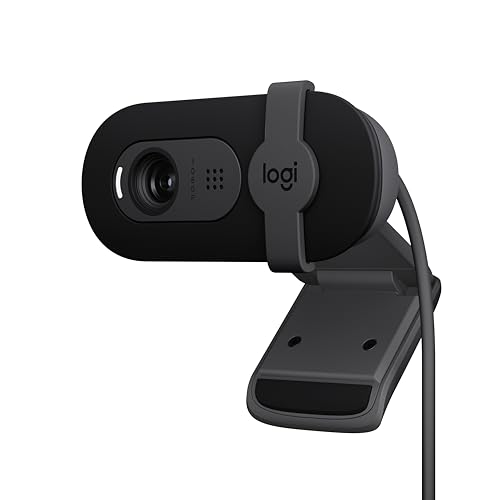
The C920s is the updated version of the legendary C920, which has been the default recommendation for video calls for over a decade. At $50 to $70, it delivers 1080p/30fps with accurate colors, reliable autofocus, and dual stereo microphones that handle voice well at desk distance.
The “s” version adds a physical privacy shutter that slides over the lens when you’re not using the camera. Simple, effective, no software required. The clip mount works on any monitor or laptop screen, and the tripod thread fits standard tripods if you prefer a different mounting position.
For related tips, check out our full guide on webcam for teaching fitness classes.
Low-light performance is acceptable but not great. If your home office relies on a single overhead light or a dim desk lamp, your video will look grainy. A small ring light ($15 to $25) behind your monitor solves this completely and is a cheaper upgrade than buying a more expensive camera. The C920s with a ring light looks better than a $200 webcam in poor lighting.
Best Under $50: Anker PowerConf C200
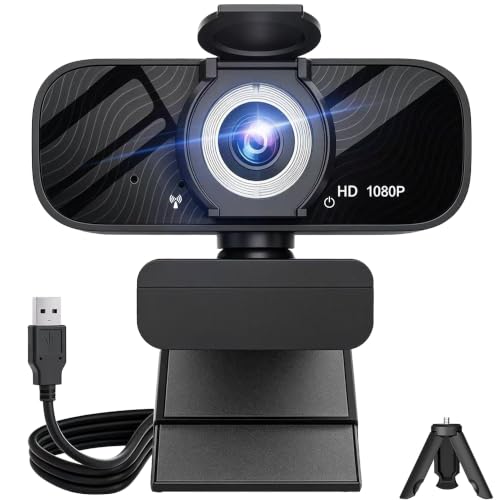
Anker’s C200 packs a 2K sensor into a $40 to $50 webcam. The extra resolution above 1080p doesn’t help in Zoom (which caps at 1080p), but it gives the camera more data to work with for noise reduction and digital cropping. The AI-powered low-light correction is surprisingly effective for the price – noticeably better than the C920s in dim rooms.
The built-in privacy cover slides down with a thumb switch. Dual stereo microphones with noise cancellation handle voice clearly. The field of view is fixed at about 78 degrees, which frames a solo desk setup well. No software required – plug it in and it works with Zoom, Teams, Google Meet, and every other platform immediately.
Build quality is plastic and lightweight, which actually makes it less likely to tilt a thin laptop screen backward. For anyone who wants a significant upgrade from their laptop’s built-in webcam without spending much, the C200 is the pick.
Best for Laptop Users: Opal Tadpole
The Tadpole is designed for people who work on laptops and travel. It clips onto your laptop lid with a magnetic mount that’s thinner and lighter than traditional webcam clips. The camera uses a 48MP Sony sensor that produces 4K video with a natural depth-of-field effect that blurs the background slightly without software processing.
The directional microphone is tuned for voice pickup from directly in front of the camera, rejecting background noise from the sides and behind. For coffee shop workers and co-working space users, this is a meaningful upgrade over omnidirectional microphones that pick up everything.
At $150 to $175, the Tadpole is premium for a portable webcam. It justifies the price for remote workers who take Zoom calls from different locations and want consistently good video without carrying a ring light and full-size webcam. For desk-only users, the Brio offers more features at a similar price.
Our article on wireless webcams covers related ground and is worth a look.
Best for Meeting Rooms: Logitech Rally Bar Mini
The Rally Bar Mini is an all-in-one video conferencing bar designed for small to medium meeting rooms. It combines a 4K camera, beamforming microphone array, and speakers in a single unit that sits above or below a meeting room display. The AI-powered auto-framing tracks speakers and adjusts the camera frame to include everyone at the table without manual zoom control.
The beamforming microphones isolate individual speakers and suppress background noise from HVAC, hallway chatter, and keyboard typing. People at the far end of the table sound as clear as the person sitting directly in front of the unit. Speaker tracking highlights the active speaker in the camera frame.
At $2,500 to $3,000, it’s not a personal webcam purchase – it’s a company equipment decision. For meeting rooms where 3 to 10 people gather for Zoom calls, a dedicated room system like the Rally Bar Mini produces dramatically better results than a laptop webcam propped on a stack of books.
Webcam Settings for Better Zoom Calls
Your webcam’s default settings are usually adequate, but adjusting a few things in Zoom’s settings improves how you look. In Zoom, go to Settings, then Video. Enable “Touch up my appearance” for subtle skin smoothing. Enable “Adjust for low light” and set it to Auto. Under “HD,” check the box for HD video to ensure Zoom uses the full 1080p resolution your webcam supports.
Position your webcam at eye level. Looking slightly down at a laptop camera creates an unflattering angle. Raise your laptop on a stand or use an external webcam mounted on top of a monitor at eye height. Look at the camera (not the screen) when speaking to create eye contact with other participants.
Does Zoom support 4K webcams?
Zoom caps video at 1080p for most accounts, even with a 4K webcam. Group calls default to 720p to save bandwidth. Business and Enterprise accounts with “Group HD” enabled can push 1080p in group calls. No Zoom plan currently supports 4K video. A 4K webcam still benefits you because the extra resolution gives the camera more data for better digital processing, noise reduction, and cropping, but the output to Zoom is always 1080p or below.
Should I use the webcam microphone or a separate mic?
For most Zoom meetings, a good webcam microphone is fine. The Brio, C920s, and Anker C200 all have microphones that handle normal desk-distance voice pickup adequately. A separate USB microphone ($60+) sounds notably better – richer voice, less background noise, more professional audio presence. If you’re on Zoom calls for hours daily or the impression you make on calls matters professionally (sales, client-facing, executive), a dedicated mic is worth it.
Why do I look dark or grainy on Zoom?
Poor lighting is almost always the cause. Your webcam’s sensor needs light to produce clean, bright video. A single overhead room light creates shadows on your face and forces the camera to increase ISO (digital gain), which introduces noise/grain. The fix is adding a front-facing light source: a ring light behind your monitor ($15 to $40), a desk lamp pointed at the wall behind your monitor (indirect bounce lighting), or positioning your desk facing a window for natural light during daytime calls.
Sources
Logitech – Webcams | Zoom – Video Settings | Anker – Webcams