Canon 80D Live View Focus: A Complete Guide to AF Modes
The Canon 80D Live View focus system is surprisingly capable once you understand how each autofocus mode works. While the 80D’s viewfinder AF gets most of the attention with its 45 cross-type points, the Live View autofocus has its own strengths, especially for video, tripod work, and precise composition on the rear LCD.
In this guide, we’ll walk through every Live View AF mode the 80D offers, explain when to use each one, and share practical tips to get the sharpest results from your camera’s touchscreen focusing system.
How Canon 80D Live View Focus Differs from Viewfinder AF
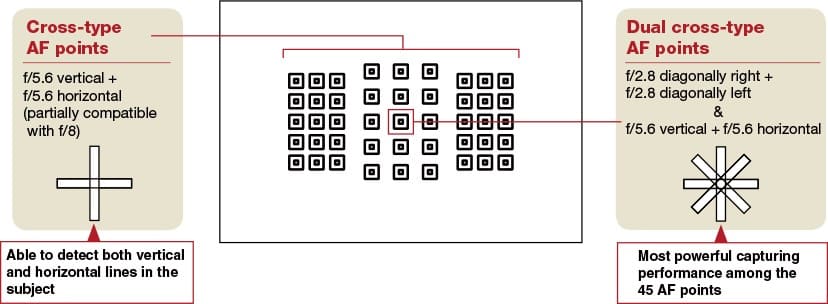
When you shoot through the optical viewfinder, the 80D uses a dedicated phase-detection AF sensor with 45 cross-type points. Switch to Live View, and the camera relies on Dual Pixel CMOS AF, a contrast and phase-detection hybrid built directly into the imaging sensor.
Dual Pixel CMOS AF covers roughly 80% of the frame horizontally and 80% vertically, giving you far more flexibility in where you place your focus point compared to the viewfinder’s fixed AF array. It’s also smoother for video autofocus, which is one reason the 80D remains a popular choice for content creators even in 2026.
Accessing Live View AF Settings
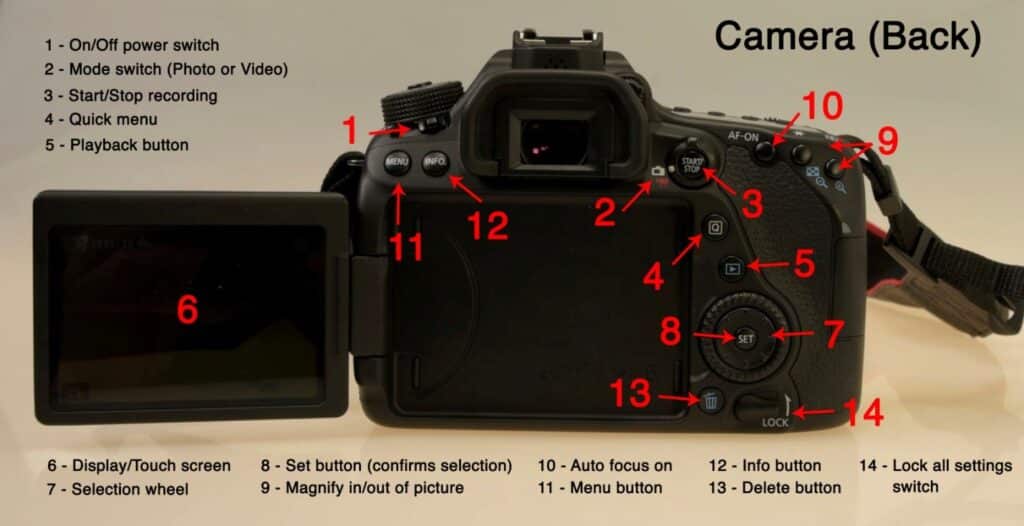
To switch between AF modes in Live View, press the AF point selection button (the small button near the top-right of the rear panel) while Live View is active. You can also tap the Q button on the rear screen and navigate to the AF method option in the quick menu.
FlexiZone – Single: Precision Focusing
FlexiZone – Single gives you one movable AF point that you can position anywhere within the Dual Pixel AF coverage area. This is the go-to mode when you need pinpoint accuracy on a specific part of your subject.
To use it, simply tap anywhere on the touchscreen LCD to place the AF point exactly where you want it. Half-press the shutter button, and the camera locks focus on that spot. A green square confirms successful focus acquisition.
When to Use FlexiZone – Single
This mode works best for still subjects where you have time to compose carefully. Landscape photography on a tripod, product shots, macro work, and architectural photography all benefit from the precision of a single, deliberately placed AF point.
It’s also excellent for focus-and-recompose shooting when your subject sits outside the viewfinder AF array’s coverage area. Place the point on your subject’s eye, lock focus, and you’re set.
FlexiZone – Multi: Wider Coverage
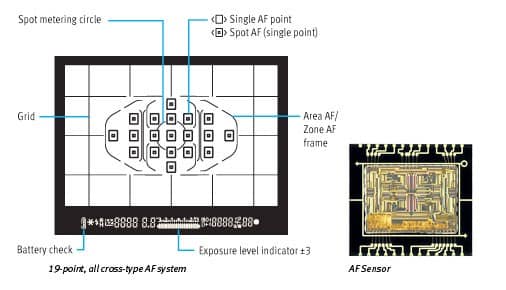
FlexiZone – Multi divides the frame into multiple zones and lets the camera automatically select the best focus point from that group. Think of it as a broader net, you give the camera a general area, and it picks the nearest subject within it.
The camera highlights multiple AF points in blue as it evaluates the scene, then locks with green confirmation squares on the chosen areas. It tends to prioritize the closest subject within the selected zone.
Best Scenarios for FlexiZone – Multi
This mode shines when you’re shooting quickly and don’t have time to precisely position a single AF point. Street photography in Live View, event coverage, and casual shooting situations all benefit from the speed advantage of letting the camera handle point selection.
Keep in mind that FlexiZone – Multi can occasionally lock onto the wrong subject if your scene has multiple objects at similar distances. If accuracy matters more than speed, switch back to FlexiZone – Single.
Face+Tracking AF: The Smart Option
Face+Tracking is arguably the most intelligent Live View AF mode on the Canon 80D. The camera automatically detects and tracks human faces in the frame, keeping focus locked as your subject moves.
When no face is detected, the mode falls back to general subject tracking. You can tap any object on the touchscreen, and the camera will follow it across the frame, handy for pets, vehicles, or anything that moves predictably.
Tips for Better Face+Tracking Results
Face detection works best when your subject is facing the camera with both eyes visible. Side profiles and partially obscured faces can sometimes confuse the system. Good, even lighting on your subject’s face dramatically improves detection reliability.
For group shots, the camera typically prioritizes the largest or closest face. You can tap a specific person’s face on the touchscreen to override this default selection and tell the camera exactly who to track.
Using Magnification for Critical Focus
One of Live View’s hidden strengths is the magnification feature. Press the magnify button (the one with the + icon) to zoom into your focus point at 5x or 10x magnification. This lets you verify sharpness at a pixel level before taking the shot.
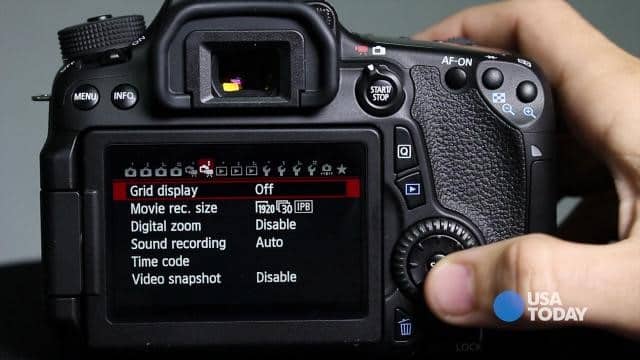
At 10x magnification, even the slightest focus miss becomes obvious. This is invaluable for landscape photographers using manual focus on a tripod, or for anyone shooting with fast primes where depth of field is razor-thin.
Practical Tips for Sharper Live View Focusing
Touch Shutter for Speed
Enable Touch Shutter mode, and a single tap on the LCD will focus and fire the shutter in one motion. It’s surprisingly quick and intuitive, almost like taking a photo with a smartphone. Great for overhead shots, low-angle compositions, or any situation where reaching the shutter button feels awkward.
Continuous AF vs. One-Shot in Live View
The 80D offers Servo AF in Live View for continuous tracking. While it’s not as fast as viewfinder Servo AF, it handles slow-moving subjects reasonably well. For static subjects, stick with One-Shot AF for the most reliable lock.
Low-Light Performance
Dual Pixel AF struggles more in dim conditions than the viewfinder’s dedicated AF sensor. If you notice hunting in low light, try using FlexiZone – Single on a high-contrast edge, or switch to manual focus with magnification for the most control.
Final Thoughts
The Canon 80D’s Live View focus system remains practical and reliable for photographers and videographers who prefer composing on the rear screen. Understanding the differences between FlexiZone – Single, FlexiZone – Multi, and Face+Tracking lets you pick the right tool for each shooting situation instead of guessing.
Whether you’re filming a vlog, shooting portraits, or nailing a tricky macro composition, the 80D’s Dual Pixel CMOS AF in Live View delivers solid results once you know how to work with it.