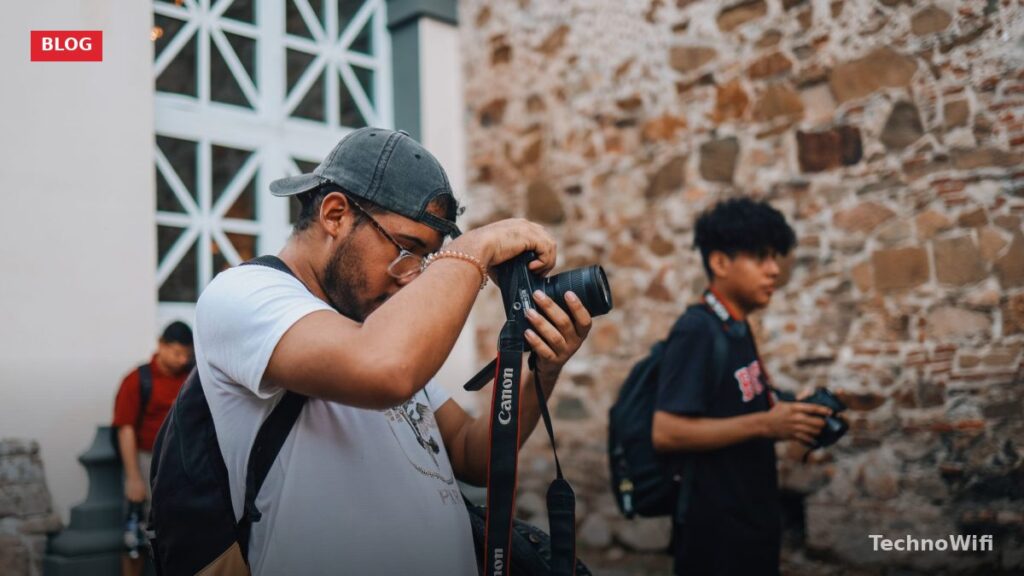
What Is Stock Photography?
What is stock photography? Stock photography is a collection of licensed images that anyone can purchase or download for use in their projects. Whether you need a photo for a website banner, a blog post, a social media campaign, or a presentation, stock photo libraries have millions of images covering just about every subject imaginable.
What makes stock photography even more interesting is the earning side. Millions of photographers around the world make real money by uploading their images to stock platforms. However, getting your photos accepted is not automatic. The competition is fierce, and stock platforms only accept images that meet their quality standards.
How Stock Photography Works
Stock photos are images licensed for use across a wide range of projects. Designers, marketers, educators, web developers, social media managers, and content creators all turn to stock libraries when they need professional images to accompany their work.
The most common license type is Royalty-Free, which gives the buyer broad usage rights for a one-time fee. You pay once and can use the image in multiple projects without paying again. Some platforms also offer Rights-Managed licenses, where pricing depends on how and where the image will be used.
Major stock platforms include Shutterstock, Getty Images, Adobe Stock, iStock, and Alamy. Free alternatives like Unsplash and Pexels also host large libraries of stock images available under Creative Commons or similar licenses.
So, how do you get your own photos into these platforms and start earning? The following tips will help you get started and improve your chances of success.
5 Tips To Boost Your Stock Photography Skills
Producing strong stock images can bring more traffic to your online portfolio and attract paying clients for your other photography services. Here is how to improve your stock photography game.
1. Get the Right Equipment
Many first-time stock photographers worry that their gear is not good enough. That worry can become a real barrier, stopping you from shooting or exploring new locations. The truth is, cameras are just tools. As long as yours has the basic features for sharp, well-exposed images, you can produce work that stock platforms will accept.
That said, high-end cameras do make certain shots easier and deliver better image quality. But stock photography is about capturing everything and anything at any time. You need a camera that is reliable and ready when the moment comes.
Regardless of what camera body you use, certain accessories will make a noticeable difference in your results:
- Tripod: Keeps your shots steady, especially in low light or when using slow shutter speeds.
- Memory cards: Always carry extras. Running out of storage during a shoot means missed opportunities.
- Neutral density (ND) filter: This is one of the most useful accessories for outdoor shooting. An ND filter reduces the light entering the lens, allowing you to use longer shutter speeds even in bright conditions. This creates smooth motion effects in water, clouds, and moving objects, and can help remove distracting elements like people or cars from busy scenes.
2. Master Your Lighting
Lighting plays a big role in every type of photography, and stock photography is no different. The challenge is that natural lighting is unpredictable. Clouds roll in, the sun shifts, and shadows change faster than you can adjust.
One of the best solutions for controlled stock photography is a light tent (also called a light box). Many of these tents are made from affordable materials that even a beginner can pick up without a big investment. Place a few lights inside the tent, and you get well-lit, clean, evenly exposed images every time.
Another benefit of controlling your lighting setup is speed. Once the lighting is dialed in, you can photograph a wide range of subjects quickly, moving from one item to the next without re-adjusting for every shot.
3. Shoot From Multiple Angles to Sell More
Stock photography is partly a numbers game. The more high-quality images you have available for sale, the better your chances of earning consistent income.
When you find a good subject, do not settle for one shot. Capture it from multiple angles and distances. Get close-ups, wide shots, and detail shots. Experiment with different compositions and perspectives. Buyers search for specific use cases, and you never know which angle will match what someone is looking for.
Look for efficient ways to produce variety. One product on a white background can yield five to ten usable images by simply rotating it, changing the crop, and adjusting the lighting angle.
4. Shoot What Is in Demand
Stock photography is competitive, and doing your research before you shoot makes a real difference. Spend time on stock platforms looking at what buyers are searching for and what is selling well. Trending topics change, and keeping up with current demand gives your images a better chance of standing out.
That does not mean you should only chase trends. If you have a strong eye for a particular subject, keep shooting it. But pairing your creative interests with market demand is the fastest way to start earning. Pay attention to categories with high demand and relatively low supply, because those are the gaps where new contributors can break through.
5. Remove Brand Names and Logos
If you want to sell your images on stock platforms, make sure they do not include any visible branding, trademarks, or logos. This is a hard rule. Stock platforms will reject images that contain recognizable brand marks because of trademark law.
Before you submit an image, review it carefully for sneaker logos, clothing labels, laptop brand names, car emblems, and anything else that identifies a specific company. If the brand is visible, either clone it out in post-processing or reshoot the image without it.


Final Thoughts on Stock Photography
Building a successful stock photography portfolio takes time, consistent effort, and a willingness to learn what sells. Set aside time regularly to evaluate your work. Make sure your post-processing is clean and your images meet the technical standards each platform requires.
Research is your best friend. Know what is trending, understand what types of images to avoid, and keep refining your technique with every batch you upload. With the right camera, solid lighting, a variety of angles, and attention to what buyers want, your stock portfolio will grow into a steady source of income.