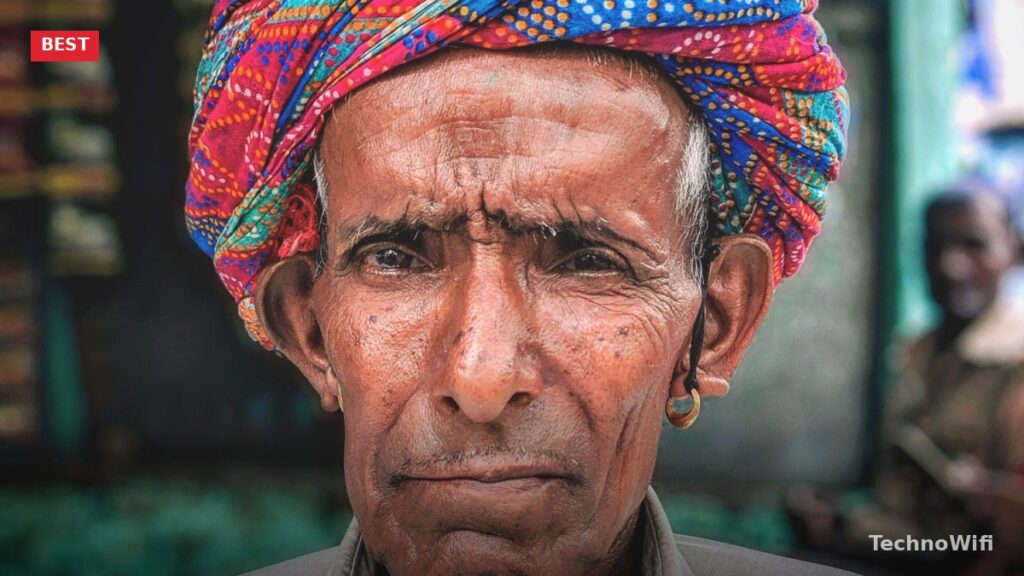
Best Cameras for Portrait Photography in 2026
Choosing the right camera for portrait photography depends on a handful of things: sensor size, autofocus speed, lens compatibility, and how comfortable the camera feels in your hands during longer shoots. Whether you are a working professional or an enthusiast building a portfolio, the camera body you choose sets the foundation for everything else.
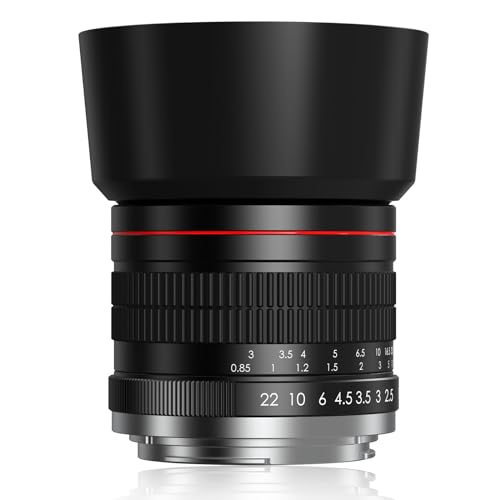
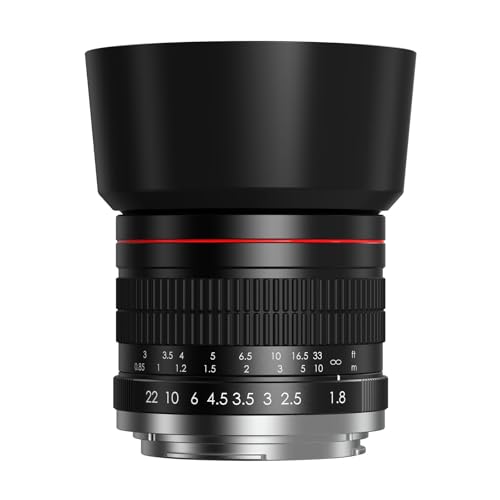
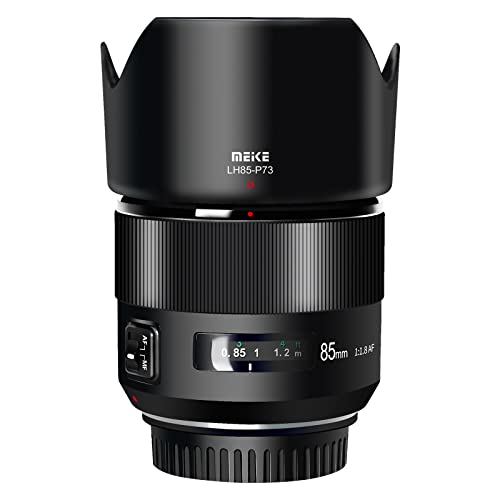
DSLR and mirrorless cameras remain the top choices for portraits. Mirrorless models have become the standard for most new buyers, while DSLRs still deliver excellent results and often come at lower prices on the used market. Either way, pairing the body with a quality portrait lens matters just as much as the camera itself.
Below is a comparison table followed by a closer look at each camera on this list.
| Product Name | Resolution | Lens Type | Image processor |
|---|---|---|---|
| Fujifilm X-T4 Mirrorless Camera | 26.1 megapixels | Prime | X-Processor 4 Image Processor |
| Canon EOS R6 Full-Frame Mirrorless Camera | 20 megapixels | Telephoto | DIGIC X Image Processor |
| Nikon D850 FX-Format Digital SLR Camera | 45.7 megapixels | Fisheye | EXPEED 5 Image Processor |
| Panasonic LUMIX G100 Mirrorless Camera | 21.77 megapixels | Wide Angle | Venus Engine Image Processor |
| Sony Alpha a6400 Mirrorless Camera | 24.2 megapixels | E-mount | BIONZ X Image Processor |
| Fujifilm GFX 50R Mirrorless Camera | 51.4 megapixels | Wide Angle | X-Processor Pro Image Processor |
| Sony Alpha 7R IV Mirrorless Camera | 61 megapixels | Wide Angle | BIONZ X Image Processor |
| Canon EOS 5D Mark IV DSLR Camera | 30.4 megapixels | Wide Angle | DIGIC 6 plus Image Processor |
8 Best Cameras for Portrait Photography
Here are the top picks for portrait shooters in 2026.
1. Fujifilm X-T4 Mirrorless Camera
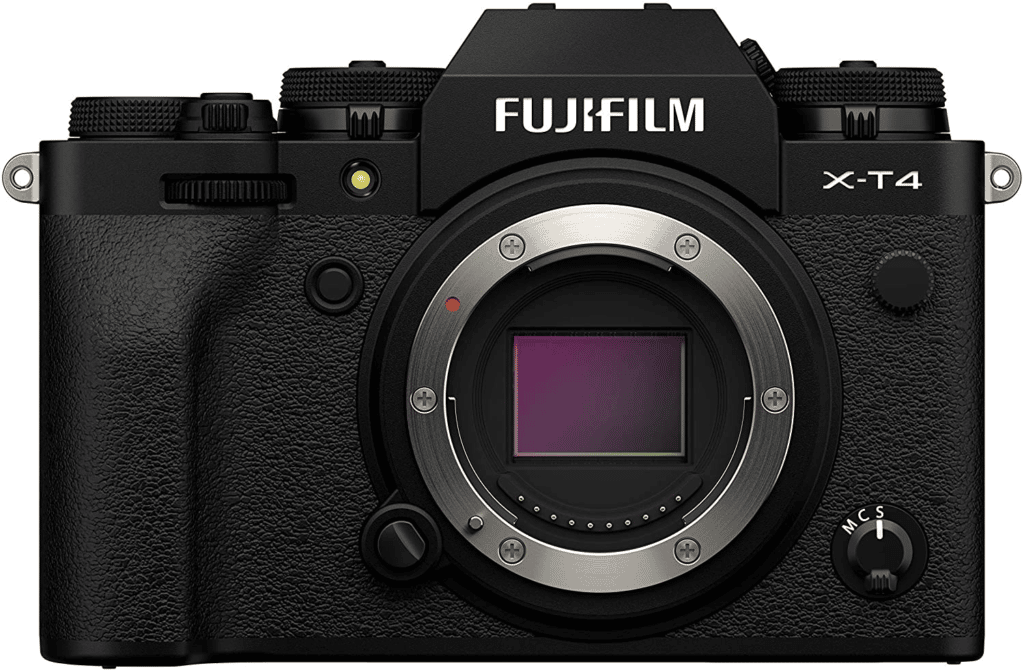
The Fujifilm X-T4 blends retro design with serious performance. It features a 26.1-megapixel X-Trans sensor, in-body image stabilization, and a hybrid phase-detection autofocus system with 425 AF points.
The shutter unit runs quietly and at high speed, and the camera can shoot at up to 30 fps, making it a strong choice for portraits of moving subjects or candid shots. The vari-angle touchscreen LCD adds flexibility for shooting at unusual angles.
Features:
- 26.1-megapixel X-Trans sensor
- In-body image stabilization
- 62 million pixels vari-angle touchscreen LCD
- AF-C subject tracking
- Eternal bleach bypass for striking images
2. Canon EOS R6 Full-Frame Mirrorless Camera
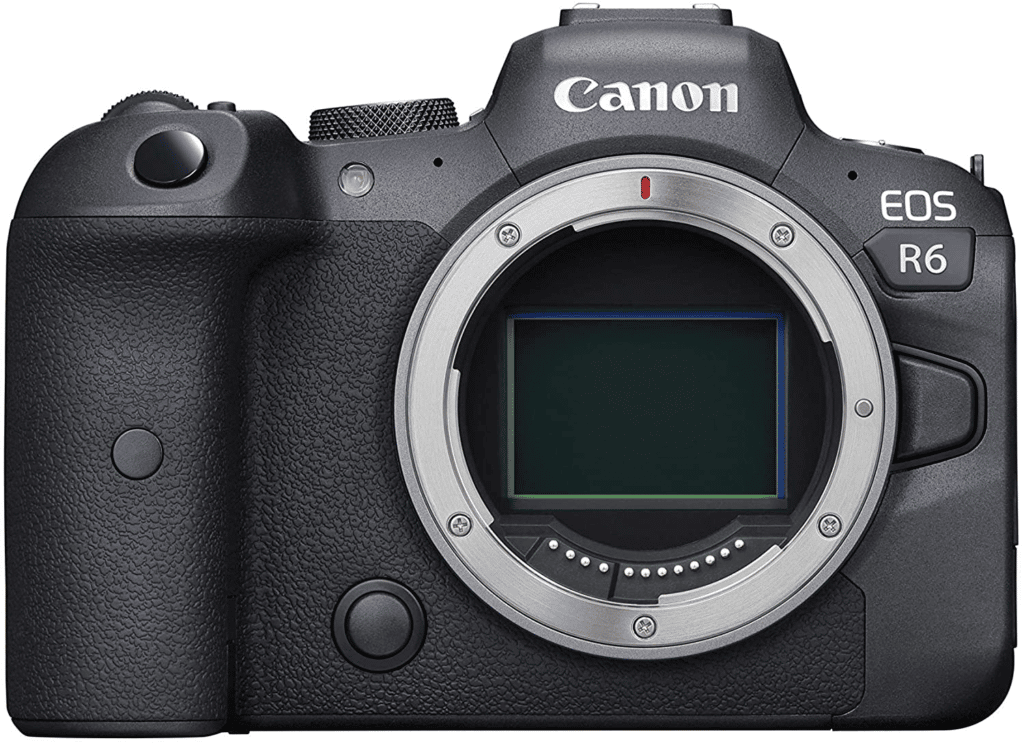
The Canon EOS R6 is a versatile full-frame mirrorless camera built around a 20MP CMOS sensor and the DIGIC X image processor. It records 4K video and handles portrait work with ease thanks to its advanced subject-tracking system that detects faces, heads, and eyes in real time.
Dual Pixel CMOS AF II provides fast, accurate autofocus across the frame. The camera shoots at up to 12 fps in continuous mode, and it comes with SDXC UHS-II card slots along with Bluetooth and Wi-Fi connectivity.
Features:
- Dual Pixel CMOS AF II autofocus
- 4K full HD video recording
- DIGIC X image processor
- 12 fps high-speed continuous shooting
- Subject tracking
3. Nikon D850 FX-Format Digital SLR Camera
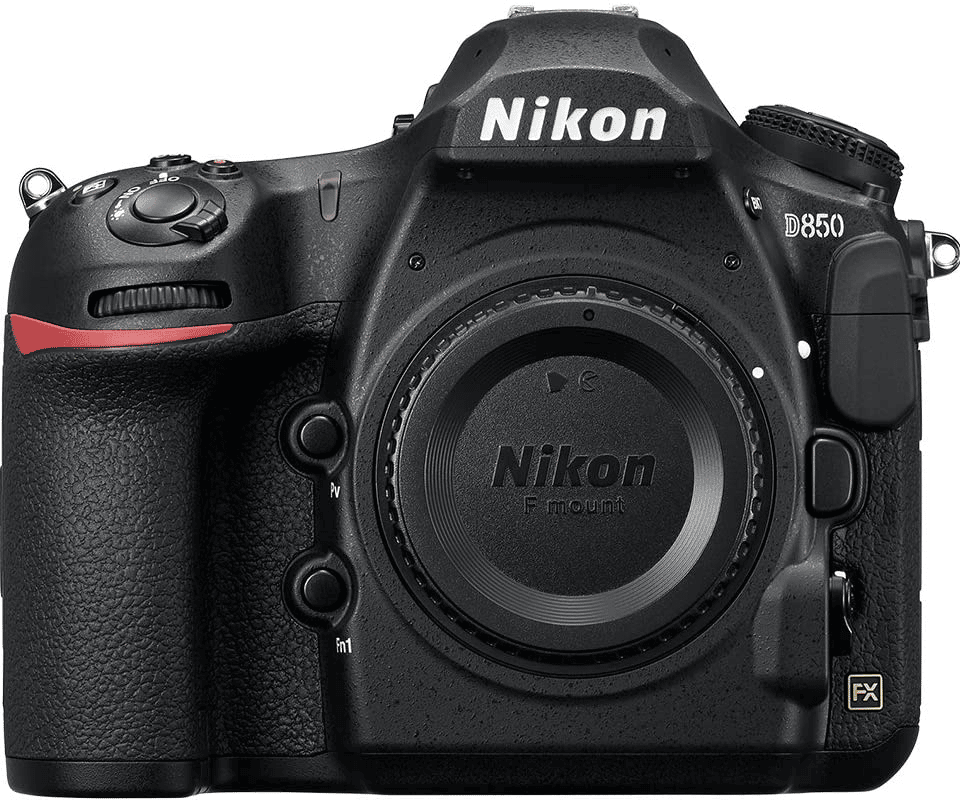
The Nikon D850 remains one of the best DSLRs for portrait work thanks to its 45.7-megapixel CMOS sensor. The resolution captures fine detail in skin tones and textures, and the base ISO of 64 helps keep noise low even in tricky lighting.
Its Expeed 5 processor delivers fast performance with minimal lag, and the autofocus system is both quick and precise. You get 9 fps continuous shooting, focus peaking, a silent shooting mode, and full weather sealing.
Features:
- 45.7 megapixels resolution
- Low noise and higher accuracy
- Fast and accurate autofocus
4. Panasonic LUMIX G100 Mirrorless Camera
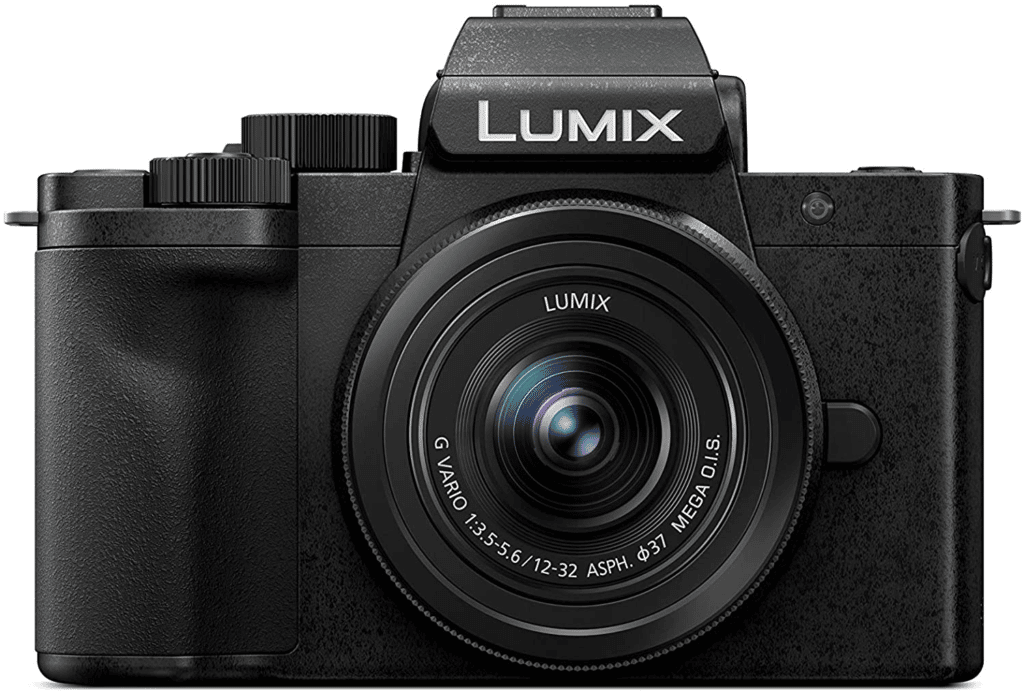
The Panasonic LUMIX G100 is a compact, lightweight mirrorless camera that uses the Micro Four Thirds lens mount. This means you can swap lenses to match your budget and shooting style. It carries a 20.3 MP sensor with contrast autofocus and records 4K video.
The touch-sensitive OLED screen makes it easy to change settings quickly during portrait sessions. Despite its small size, the G100 delivers solid image quality and is a good entry point for photographers who want interchangeable lenses without the bulk.
Features:
- 20.3 MP Four Thirds Live MOS sensor
- 4K video capturing options
- Micro Four Thirds lens mount
- Hybrid image stabilization
5. Sony Alpha a6400 Mirrorless Camera
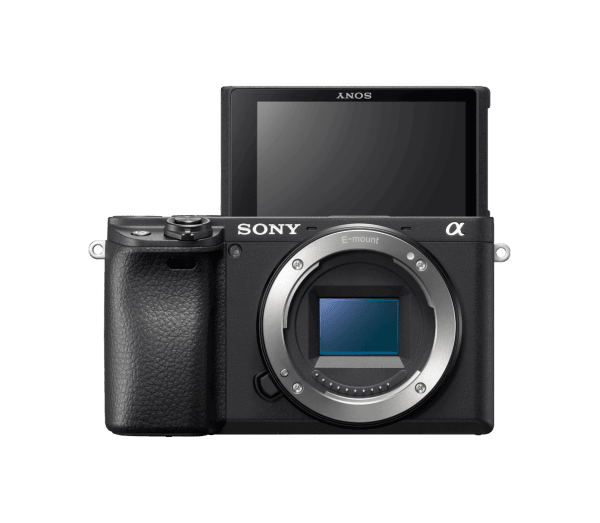
The Sony Alpha a6400 is an APS-C mirrorless camera with a 24.2 MP Exmor CMOS sensor and one of the fastest autofocus systems available, locking on in just 0.02 seconds. Its real-time eye-AF uses AI to detect and track eyes, which is exactly what you want for portrait photography.
It shoots at 11 fps with continuous autofocus and supports silent shooting at around 8 fps with full AE/AF tracking. The flip-up screen is helpful for self-portraits and vlogging as well.
Features:
- 24.2 megapixels image quality
- World’s fastest 4D autofocus system
- Advanced real-time eye-AF
- Real-time tracking AF
- Up to 11 fps continuous shooting
- Fast hybrid for better focus
6. Fujifilm GFX 50R Mirrorless Camera
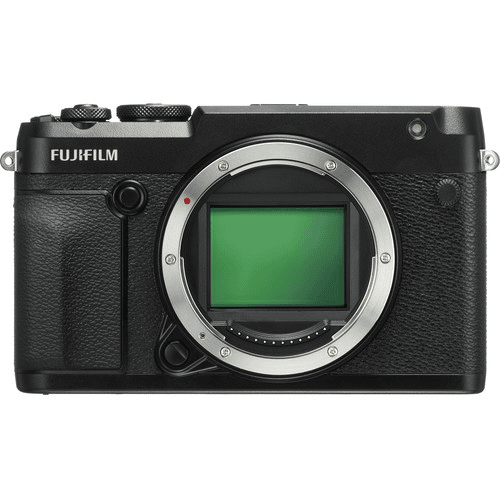
The Fujifilm GFX 50R brings medium format image quality in a rangefinder-style body. Its 51.4 MP sensor delivers exceptional sharpness and tonal range that full-frame cameras simply cannot match. The X-Processor Pro handles image processing, and the Fujifilm G mount gives you access to high-quality medium format glass.
The camera is weather and dust-resistant, features dual SD card slots, and the rangefinder design lets you keep one eye on the subject while the other looks through the viewfinder. For portrait photographers who want the absolute best image quality, this is a top-tier option.
Features:
- Rangefinder-style design
- Magnesium alloy camera body
- Weather and dust-resistant
- 43.8×32.9mm CMOS medium format sensor
- 51.4 megapixels
- X-Processor Pro
7. Sony Alpha 7R IV Mirrorless Camera
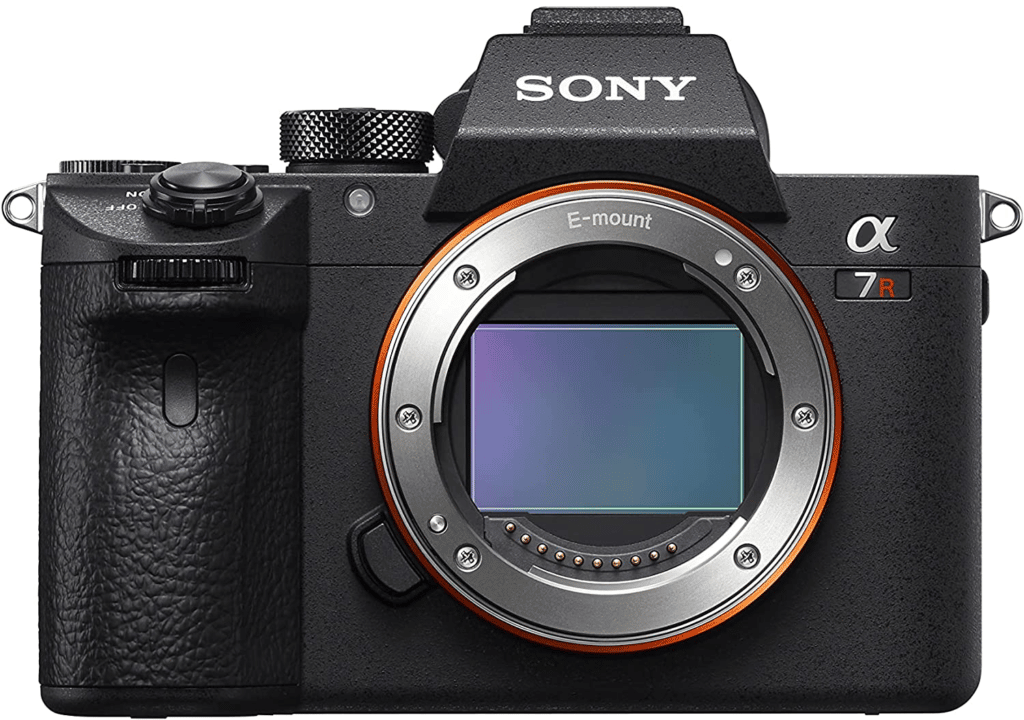
The Sony Alpha 7R IV packs a 61 MP full-frame back-illuminated Exmor R sensor with a 15-stop dynamic range. That level of resolution means you can crop aggressively and still retain sharp detail, which is useful for tight portrait framing in post-production.
It shoots at up to 10 fps at full 61 MP resolution with AF/AE tracking. Real-time eye autofocus keeps portraits sharp even when subjects move, and 5-axis in-body image stabilization helps in low-light conditions. Silent shooting mode makes it ideal for events and quiet environments.
Features:
- 61 megapixel sensor
- In-body 5-axis image stabilization
- FTP background transfer
- Vibration-free and quiet shutter
8. Canon EOS 5D Mark IV DSLR Camera
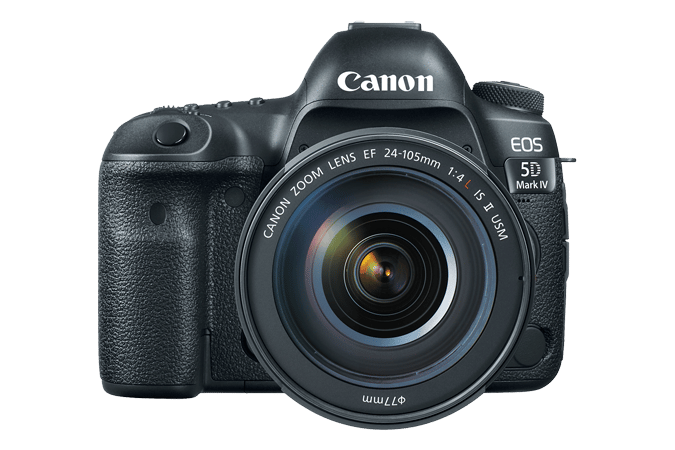
The Canon EOS 5D Mark IV is a proven workhorse that many professional portrait photographers still rely on. Its 30.4 megapixel full-frame CMOS sensor produces excellent image quality, and the Dual Pixel CMOS AF system delivers responsive autofocus during both photo and video work.
It shoots at 7.0 fps in continuous mode, records DCI 4K video, and features a DIGIC 6+ image processor. The touchscreen LCD monitor and solid ergonomics make it comfortable to use during long portrait sessions.
Features:
- Full-frame sensors
- 30.4 megapixels resolution
- DCI 4K video up to 30 fps
- Expansive dynamic range through Canon Log
What to Consider When Selecting a Camera for Portrait Photography
Before you buy, think about these factors to make sure you pick a camera that fits your shooting style and budget.
Camera Type
Decide whether you want a DSLR or mirrorless camera. DSLRs are mature, well-supported, and often available at great prices. Mirrorless cameras are lighter, offer real-time exposure preview in the viewfinder, and tend to have better autofocus for eye and face detection. Both types produce excellent portraits.
Electronic Viewfinder
A built-in viewfinder helps stabilize the camera by keeping it close to your body, reducing shake. Electronic viewfinders on mirrorless cameras show a live preview of exposure, white balance, and depth of field before you press the shutter.
Image Stabilization
If you want sharper portraits, especially at longer focal lengths or slower shutter speeds, look for a camera with in-body image stabilization. This reduces the effect of hand shake and lets you shoot handheld in situations where a tripod is not practical.
Sensor Size
For portrait photography, a larger sensor (full-frame or medium format) produces a shallower depth of field, which blurs the background and draws attention to your subject. APS-C and Micro Four Thirds sensors also work well but require wider aperture lenses to achieve similar background separation.
Lens Ecosystem
Pick a camera system with a strong selection of portrait lenses. Canon, Sony, Nikon, and Fujifilm all offer excellent options in this area, including fast 50mm, 85mm, and 135mm primes that are ideal for headshots and half-body portraits.
Ergonomics and Handling
Portrait sessions can last hours. A camera that feels comfortable in your hands, with controls you can adjust quickly without digging through menus, makes a real difference. Test the grip, button layout, and menu system before committing.
Editor’s Choice
Our top pick for portrait photography is the Nikon D850. It combines a tilting touchscreen, excellent battery life, and outstanding dynamic range in a body that handles beautifully. The 45.7-megapixel full-frame sensor delivers both resolution and image quality, and the CMOS sensor renders fine skin detail accurately. That said, any camera on this list will serve you well depending on your budget and shooting needs.
Whether you prefer a DSLR camera or a mirrorless body, the best camera is one that fits your workflow and lets you focus on your subject rather than fighting with your gear.