What Is Android Auto?
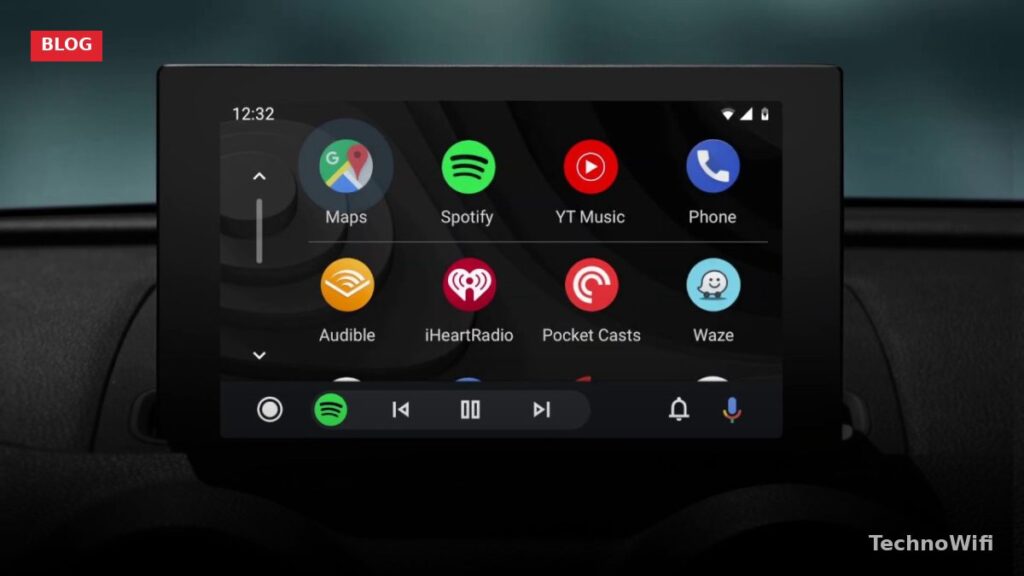
Android Auto is Google’s in-car platform that mirrors a simplified version of your Android phone onto your vehicle’s infotainment screen. It gives you access to navigation, music, messaging, and phone calls through a driver-friendly interface designed to minimize distractions while you’re behind the wheel.
Instead of fumbling with your phone’s small screen or squinting at tiny text while driving, Android Auto displays large icons, readable text, and simple controls on your car’s built-in display. You can control everything by touching the car’s screen, using steering wheel buttons, or speaking voice commands through Google Assistant.
In 2026, Android Auto works with nearly every new car sold in the US, Europe, and most of Asia. It’s become as standard as Bluetooth connectivity, and Google continues to update it with new features each year.
How Android Auto Works
Android Auto runs on your phone but displays on your car’s screen. Your phone does all the processing. The car’s infotainment system acts as an external display and input device. This means you need your phone in the car every time you drive, but it also means Android Auto gets better automatically whenever you update your phone.
Wired Connection
The traditional setup uses a USB cable to connect your phone to your car’s USB port. Plug in, and Android Auto launches on the car’s screen within a few seconds. The wired connection also charges your phone while you drive, which is practical for long trips where navigation would otherwise drain your battery.
Wireless Connection
Most cars manufactured from 2022 onward support wireless Android Auto. Your phone connects to the car over WiFi, so you can leave it in your pocket or bag. The first-time setup requires pairing through Bluetooth, but after that, the connection happens automatically every time you start the car. Wireless Android Auto uses more battery than a wired connection since your phone handles WiFi and Bluetooth simultaneously, so you may want to place your phone on a wireless charging pad if your car has one.
Key Features of Android Auto in 2026
Google Maps is the default navigation app on Android Auto, and it’s the feature most people use. The interface is optimized for quick glances: large street names, upcoming turn indicators, lane guidance, and estimated arrival times are all easy to read at a glance. Real-time traffic data reroutes you around congestion, and speed limit indicators show the posted limit on most roads.
You can also use Waze or other compatible navigation apps if you prefer those over Google Maps. Just say “Hey Google, navigate to [destination]” or tap the navigation icon and type your destination.
Our Samsung Galaxy phones walkthrough covers this from a different angle.
Music and Podcasts
Android Auto supports most major streaming apps: Spotify, YouTube Music, Apple Music, Amazon Music, Audible, Pocket Casts, and dozens more. The music player shows album art, track info, and playback controls on the car’s screen. You can browse playlists, switch between apps, or just tell Google Assistant what to play.
Voice control is especially useful here. Saying “Hey Google, play my Discover Weekly on Spotify” or “Play the latest episode of [podcast name]” works without taking your eyes off the road.
Messaging and Calls
When a text message comes in, Android Auto reads it aloud and lets you reply by voice. You dictate your response, confirm it, and the message sends without you ever touching your phone. This works with Google Messages, WhatsApp, Telegram, Signal, and most other popular messaging apps.
Phone calls work through your car’s speakers and microphone. You can make calls by voice (“Hey Google, call Mom”), from your recent calls list, or from your contacts. Call quality depends on your car’s built-in microphone, but most modern vehicles handle this well.
Google Assistant Integration
Google Assistant is the backbone of Android Auto’s hands-free experience. Beyond navigation and media, you can use it to check the weather, set reminders, control smart home devices (like adjusting your thermostat before you get home), and answer general questions. In 2026, Google Assistant on Android Auto also handles multi-step requests better than earlier versions. For example, you can say “Hey Google, find a gas station near my next turn and add it as a stop.”
Split-Screen and Multi-Window Support
On cars with wider infotainment screens, Android Auto displays a split-screen layout. You can see your navigation map on one side and your music player or recent messages on the other. This avoids the constant back-and-forth switching between apps that earlier versions required.
App Ecosystem
Android Auto supports a growing library of compatible apps across categories like navigation, media, messaging, and vehicle management. EV drivers can use apps like PlugShare or ChargePoint to find charging stations directly through Android Auto. Parking apps like SpotHero help you find and reserve parking as you approach your destination. The app selection is curated by Google to ensure everything meets their driver-distraction guidelines.
Looking for more? We have a dedicated guide on how to set up WiFi router without computer.
Which Phones Work with Android Auto?
Any Android phone running Android 9.0 or higher works with Android Auto. On phones running Android 10 and later, Android Auto functionality is built into the operating system, so there’s no separate app to install. If you’re on Android 9, you’ll need to download the Android Auto app from the Google Play Store.
In practice, any Android phone sold in the last five or six years supports Android Auto. Samsung Galaxy, Google Pixel, OnePlus, Motorola, Xiaomi, and other major brands all work. iPhones do not support Android Auto. Apple has its own system, CarPlay, for iOS devices.
Which Cars Support Android Auto?
As of 2026, Android Auto is available in vehicles from over 50 manufacturers. Nearly every new car, truck, and SUV sold by major brands includes Android Auto compatibility. This includes:
- Audi, BMW, Chevrolet, Ford, Genesis, Honda, Hyundai, Kia, Mazda, Mercedes-Benz, Nissan, Subaru, Toyota, Volkswagen, and Volvo, among others.
- Most models from 2016 onward support wired Android Auto. Wireless support became common starting around 2022.
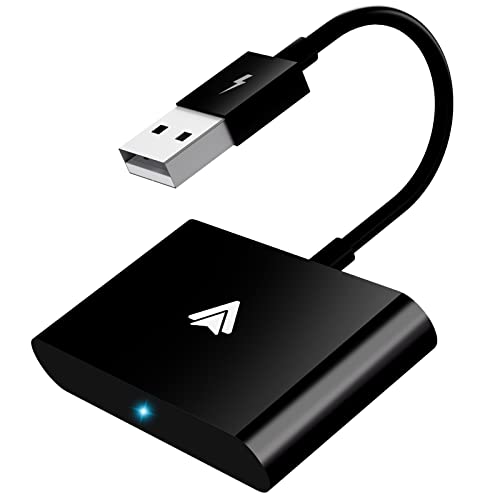
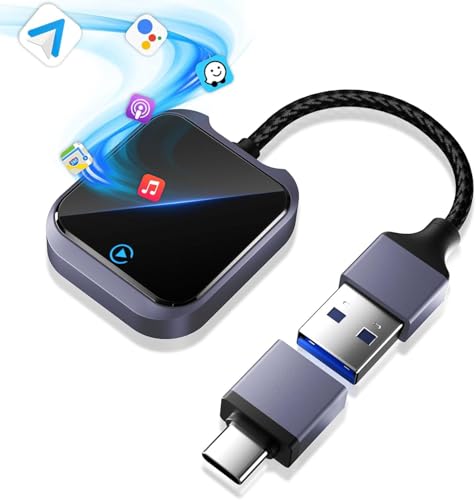
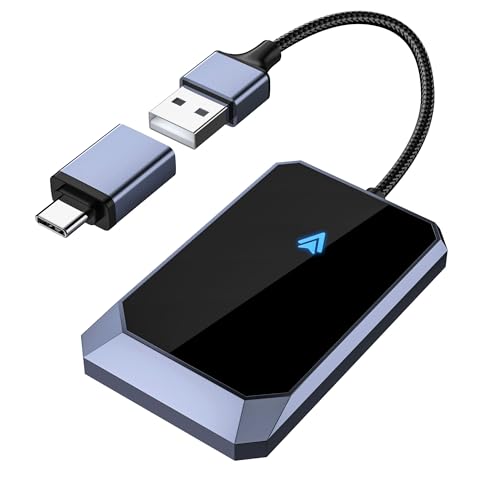
If your car doesn’t have Android Auto built in, you can add it with an aftermarket head unit from brands like Pioneer, Kenwood, Sony, or Alpine. These replacement stereos start at around $300 and include both Android Auto and Apple CarPlay.
How to Set Up Android Auto
Wired Setup
- Make sure your phone is running Android 9.0 or higher.
- Start your car and make sure the infotainment system is on.
- Connect your phone to the car’s USB port using a quality USB cable (cheap cables sometimes cause connection problems).
- Your phone may ask you to approve Android Auto’s permissions the first time. Accept them.
- Android Auto appears on your car’s screen. Select it if it doesn’t launch automatically.
Wireless Setup
- Make sure your car supports wireless Android Auto (check your owner’s manual or the manufacturer’s website).
- Enable Bluetooth and WiFi on your phone.
- On your car’s infotainment screen, go to the Bluetooth or device pairing menu and pair your phone.
- Once paired, Android Auto should launch on the car’s display. Accept any permission prompts on your phone.
- After the first setup, your phone connects automatically whenever you start the car.
Android Auto vs. Apple CarPlay
Android Auto and Apple CarPlay do essentially the same thing for their respective phone platforms. Android Auto works with Android phones; CarPlay works with iPhones. Most cars manufactured in the last few years support both systems, so your choice depends entirely on which phone you use.
| Feature | Android Auto | Apple CarPlay |
|---|---|---|
| Phone OS | Android 9+ | iOS 16+ |
| Voice assistant | Google Assistant | Siri |
| Default navigation | Google Maps | Apple Maps |
| Third-party nav apps | Waze, others | Google Maps, Waze |
| Wireless support | Most cars from 2022+ | Most cars from 2020+ |
| Customization | Wallpapers, layout options | Limited |
If you use Google services heavily (Gmail, Google Calendar, Google Maps), Android Auto integrates with those more deeply. If you’re in the Apple ecosystem with an iPhone, iPad, Mac, and Apple Watch, CarPlay will feel more natural.
Tips for Getting the Most Out of Android Auto
- Use voice commands whenever possible. Android Auto is designed around voice interaction. The less you touch the screen, the safer you drive.
- Keep your phone updated. Android Auto improvements come through phone software updates and Google Play Services updates. Running the latest software gives you access to the newest features and bug fixes.
- Use a good USB cable for wired connections. A low-quality or damaged cable is the most common cause of connection drops and lag. A certified USB-C cable makes a real difference.
- Customize your launcher. Android Auto lets you rearrange app icons on the home screen. Put your most-used apps (navigation, music, messaging) in the easiest-to-reach positions.
- Set up “Do Not Disturb While Driving” on your phone. This silences non-critical notifications and reduces distractions beyond what Android Auto already filters.
Common Problems and Fixes
Android Auto won’t connect
Try a different USB cable first. If that doesn’t help, restart both your phone and the car’s infotainment system. Check that your phone’s Android Auto permissions haven’t been revoked (Settings, then Apps, then Android Auto, then Permissions). For wireless connections, make sure both Bluetooth and WiFi are enabled on your phone.
Audio is choppy or cuts out
This usually happens with wireless connections in areas with heavy WiFi interference. Switching to a wired connection typically solves it. If you’re wired and still experiencing issues, the USB cable is probably the culprit.
Google Assistant doesn’t respond
Make sure “Hey Google” detection is enabled on your phone (Settings, then Google, then Settings for Google apps, then Search, Assistant & Voice). Also check that your car’s microphone isn’t muted or obstructed.