How Many Megapixels is Good for a Webcam?

How Many Megapixels Is Good for a Webcam?

Webcams are no longer an afterthought. Between remote work, video calls, live streaming, and content creation, the camera at the top of your screen matters more in 2026 than ever before. But when you start shopping for a webcam or evaluating the one built into your laptop, one number keeps coming up: megapixels.

So how many megapixels do you actually need in a webcam? The short answer is that 2 megapixels (1080p) is the sweet spot for most people, but the longer answer involves understanding what megapixels measure, why they are not the whole picture, and what else affects your video quality.

What Do Megapixels Actually Measure?

A megapixel is one million pixels. The megapixel count of a webcam tells you how many individual dots of color its sensor can capture in a single frame. More megapixels means more detail in each frame, at least in theory.

Here is how megapixel counts translate to common video resolutions:

  • 0.3 megapixels = 640 x 480 (480p, also called VGA)
  • 0.9 megapixels = 1280 x 720 (720p, HD)
  • 2.1 megapixels = 1920 x 1080 (1080p, Full HD)
  • 3.7 megapixels = 2560 x 1440 (1440p, QHD)
  • 8.3 megapixels = 3840 x 2160 (4K, Ultra HD)

Most video calls on Zoom, Microsoft Teams, and Google Meet cap out at 1080p, even if your webcam supports higher resolution. So a 2-megapixel webcam already maxes out what these platforms can display. Paying for 4K is only worth it if you record locally, stream on platforms that support higher resolutions, or crop your video feed.

Why Built-In Laptop Webcams Still Fall Behind

Most laptop webcams in 2026 shoot at 1080p, which is a genuine improvement from a few years ago when 720p was standard. Apple’s MacBook lineup, newer Dell XPS models, and most Lenovo ThinkPads now include 1080p cameras. Some premium laptops even pack 5-megapixel sensors.

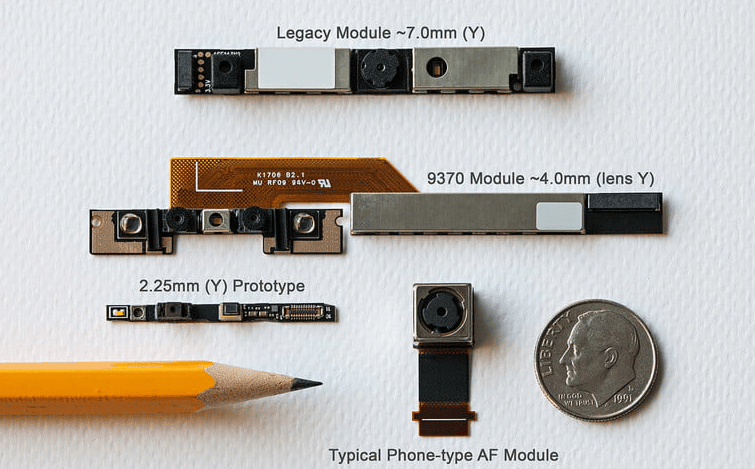
But megapixels alone do not explain why laptop webcams often look worse than phone cameras with the same resolution. The problem is sensor size. A laptop webcam sensor is tiny, typically around 2.25mm. Smartphone front-facing cameras use sensors two to three times larger. Larger sensors capture more light per pixel, which produces cleaner images with less grain, especially in dim rooms.

Laptop webcams also have fixed, inexpensive lenses with no autofocus on most models. The combination of a small sensor, a cheap lens, and aggressive software processing to compensate for both creates the washed-out, noisy look you see on most video calls.

The Bezel Problem

Manufacturers keep making laptop bezels thinner, which leaves less physical space for the camera module. A thinner bezel means a smaller lens and sensor, which means lower image quality even at the same megapixel count. Some brands tried putting the camera below the screen or under a keyboard key to save space, but those positions created unflattering angles that looked up your nose. Most have returned to the top-center bezel placement, but the size constraints remain.

How Many Megapixels Do You Need? (By Use Case)

The right megapixel count depends on what you use your webcam for. Here is a breakdown by common scenarios.

Video Calls and Remote Meetings

For Zoom, Teams, Google Meet, and similar platforms, a 1080p webcam (roughly 2 megapixels) is more than enough. These platforms compress your video feed anyway, so anything above 1080p gets downscaled before anyone else sees it. Even 720p (0.9 megapixels) looks acceptable on most calls, though 1080p is noticeably sharper on large monitors.

Live Streaming on Twitch or YouTube

Streamers benefit from 1080p at 60 frames per second. The frame rate matters more than raw resolution here since viewers notice choppy motion faster than they notice slightly softer detail. A good 1080p/60fps webcam outperforms a 4K webcam locked at 30fps for streaming purposes. If you stream professionally, consider a DSLR camera as a webcam or a webcam built for streaming.

Content Creation and YouTube Recording

If you record videos for YouTube, courses, or social media, a 4K webcam (8.3 megapixels) gives you editing flexibility. You can crop into the frame, reframe shots, or pull still images from your footage without losing sharpness. Recording at 4K and exporting at 1080p also gives you a cleaner final image than recording at 1080p natively.

Online Teaching and Presentations

Teachers, trainers, and presenters sharing their screen alongside a webcam feed usually display the camera in a small window. At that size, 720p looks fine and 1080p looks great. Spend your budget on good lighting and a quality microphone rather than extra megapixels. Clear audio and even lighting improve perceived video quality more than a higher resolution sensor.

Megapixels Are Not Everything: Other Factors That Matter

A 12-megapixel webcam with a terrible sensor and lens will produce worse video than a 2-megapixel webcam with good optics. Here are the other specs to check before buying.

Sensor Size

Bigger sensors collect more light, which means cleaner images in low light and better color accuracy overall. Webcam manufacturers rarely advertise sensor size prominently, but reviews often mention it. Look for sensors measured in fractions of an inch. A 1/2.7-inch sensor outperforms a 1/4-inch sensor at the same megapixel count.

Frame Rate

Frame rate is measured in frames per second (fps). 30fps is standard for video calls and looks smooth enough for talking-head content. 60fps looks noticeably better for streaming and fast motion. Some webcams drop to lower frame rates at higher resolutions, so a “4K webcam” might only hit 4K at 15fps, which looks like a slideshow.

Autofocus

Fixed-focus webcams are pre-set to keep a subject sharp at a specific distance, usually about two feet from the lens. If you lean forward, lean back, or hold something up to the camera, it goes blurry. Autofocus webcams adjust in real time. For presentations where you show physical objects or move around, autofocus is worth the premium.

Low-Light Performance

Not everyone has a ring light or a well-lit home office. Webcams with larger pixels (measured in micrometers) perform better in dim conditions. Some models also include built-in noise reduction processing that cleans up grainy footage. If you take calls from dimly lit rooms, prioritize low-light reviews over megapixel counts.

Field of View

Field of view (FOV) determines how much of the scene the webcam captures. A narrow 65-degree FOV shows mostly your face. A wide 90-degree FOV shows your face and your background. For conference rooms with multiple people, a wide FOV is necessary. For solo calls from a messy room, a narrow FOV keeps the focus on you.

External Webcams vs. Built-In: Is It Worth Upgrading?

If your laptop webcam produces grainy, washed-out video, an external webcam is the fastest fix. Even a budget 1080p external webcam in the $40 to $60 range will outperform most built-in laptop cameras because external webcams have larger sensors and better lenses.

Another option is using your smartphone as a webcam. Apple’s Continuity Camera turns any recent iPhone into a Mac webcam wirelessly. On Windows, apps like Camo do the same thing with both iPhones and Android phones. Since most smartphones have 12-megapixel front cameras with excellent sensors, this approach delivers quality that rivals standalone webcams costing $150 or more.

Recommended Megapixel Ranges for 2026

Here is a quick reference for choosing the right webcam megapixel count based on your primary use:

  • Casual video calls: 0.9 to 2 megapixels (720p to 1080p)
  • Remote work and meetings: 2 megapixels (1080p) minimum
  • Live streaming: 2 megapixels at 60fps
  • Content creation and recording: 8.3 megapixels (4K)
  • Conference rooms: 2 to 8.3 megapixels with wide FOV

For most people in 2026, a 1080p webcam with good autofocus and decent low-light performance is the right call. Save the 4K upgrade for situations where you need to crop, zoom, or pull stills from recorded footage.

What About AI-Powered Webcam Features?

In 2026, many webcams ship with AI-powered features that affect video quality independently of megapixel count. These features process the image in real time using onboard or software-based algorithms.

Background Blur and Replacement

Many webcams now offer hardware-level background blur without relying on your video conferencing app to handle it. The webcam’s processor detects your face and body, then softens or replaces everything behind you. This is especially useful if your workspace is cluttered or if you share a room with other people. The quality of the blur depends on the AI model running on the webcam, not on the megapixel count.

Auto-Framing

Auto-framing cameras track your position and digitally zoom and pan to keep you centered in the frame. This works best on higher megapixel cameras (4K or above) because cropping into a lower-resolution image produces visible softness. If auto-framing matters to you, a higher megapixel sensor gives the camera more room to crop without losing sharpness.

Low-Light Correction

AI-based low-light correction brightens your image and reduces grain when your room is dim. Some webcams handle this better than others, and it has nothing to do with megapixels. Read reviews that specifically test low-light performance before buying.

Quick Buying Checklist for 2026

When shopping for a webcam, go through this checklist before comparing megapixel counts:

  1. What is my primary use? (Video calls, streaming, recording, presentations)
  2. What resolution does my platform support? (Most cap at 1080p)
  3. Do I need 60fps? (Yes for streaming, optional for calls)
  4. Is my room well-lit? (If not, prioritize low-light performance over megapixels)
  5. Do I need autofocus? (Yes if you show objects or move around)
  6. Do I want AI features like background blur or auto-framing?
  7. What is my budget? ($40 to $60 for solid 1080p, $100 to $200 for 4K with features)

Answering these questions will narrow your options faster than sorting by megapixel count alone. A well-chosen 1080p webcam with strong optics and good software will always outperform a cheap 4K webcam with a tiny sensor and no autofocus.

TECLAST Tablet 11 inch Android 14 Tablets, P50 14GB+128GB,1TB Expand, Widevine L1 Compatible 8-Core Tablet with 5G WiFi, 8000mAh Battery, 13MP Camera, 11" IPS Big Screen, GPS
Amazon.com
TECLAST Tablet 11 inch Android 14 Tablets, P50 14GB+128GB,1TB Expand, Widevine L1 Compatible 8-Core Tablet with 5G WiFi, 8000mAh Battery, 13MP Camera, 11"...
-27%
5K Video Camera Camcorder UHD 48MP 60FPS WiFi Vlog Camera for YouTube 10X Optical Zoom Camcorders with Remote Control, Handheld Stabilizer, Microphone, 2 Batteries, Large Aperture, 64 GB Memory Card
Amazon.com
$155.99 $214.99
PRIMEPRIME
5K Video Camera Camcorder UHD 48MP 60FPS WiFi Vlog Camera for YouTube 10X Optical Zoom Camcorders with Remote Control, Handheld Stabilizer, Microphone, 2...
Digital Camera, Zostuic 2.7K Autofocus 48MP Kids Camera with 32 GB Card 16X Zoom Compact Portable Mini Toy Cameras Christmas Birthday Festival Gift for Kid Children Teens Girls Boys(Green)
Amazon.com
Digital Camera, Zostuic 2.7K Autofocus 48MP Kids Camera with 32 GB Card 16X Zoom Compact Portable Mini Toy Cameras Christmas Birthday Festival Gift for Kid...
Logitech C920x HD Pro Webcam, Full HD 1080p/30fps Video Calling, Clear Stereo Audio, HD Light Correction, Works with Skype, Zoom, FaceTime, Hangouts, PC/Mac/Laptop/Macbook/Tablet - Black
Amazon.com
5.0
Logitech C920x HD Pro Webcam, Full HD 1080p/30fps Video Calling, Clear Stereo Audio, HD Light Correction, Works with Skype, Zoom, FaceTime, Hangouts,...
Amazon price updated: September 10, 2026 4:52 am