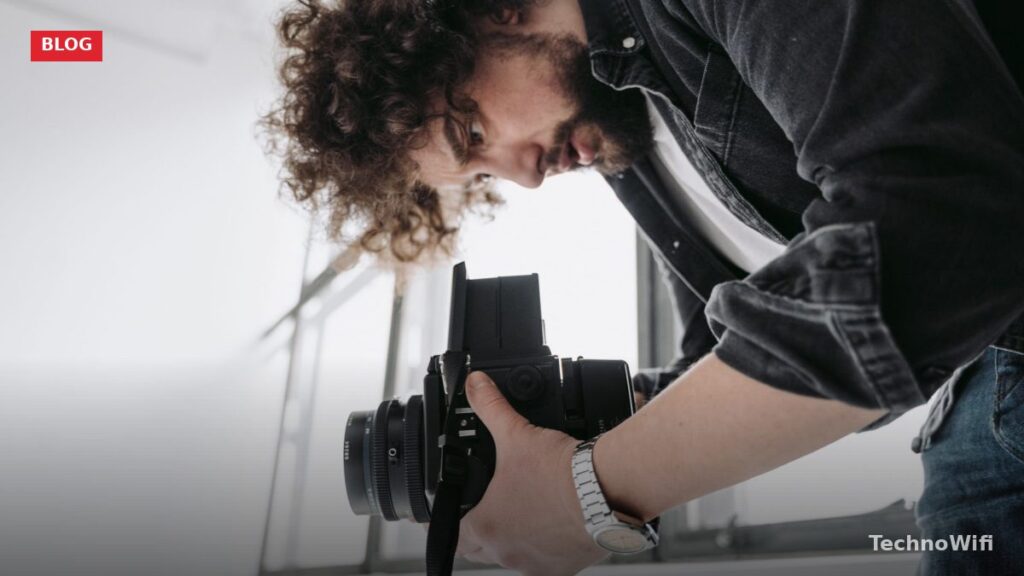
What is Headshot Photography and Why It Matters
Landing a job or even submitting an application without a headshot is nearly impossible these days. Side businesses, freelance gigs, personal brands; they all call for a professional-looking photo.
That’s why the demand for professional headshot photography keeps growing. Companies want staff headshots on their websites to give their products and services a more personal touch. Individuals need them for web pages, portfolios, LinkedIn profiles, and social media.
If you’re a photographer, learning to shoot quality headshots is one of the most marketable skills you can pick up.
What Exactly Is Headshot Photography?
A headshot is a photograph where the camera focuses primarily on the subject’s face. Headshot photography is the practice of capturing these images.
They let people get a quick impression of who you are and put a personality to your name. Headshots tend to lean corporate, and they’re widely used for business purposes.
But as social media has become our primary way of connecting, professional-style headshots are showing up everywhere on Facebook, Instagram, WhatsApp, X (formerly Twitter), and LinkedIn.
Headshots give a professional website a more personal feel, and professionals use them to market their services effectively.
6 Headshot Photography Tips
1. Create A Workspace For Your Photography Studio
Having your own photography studio lets you experiment with your ideas without the restrictions of conventional settings. You can be as creative as you want.
We break down self portrait photography ideas in a separate post that complements this one.
A personal studio gives you full control over the photographic production process. It also cuts out the high costs of booking time at a rented professional studio.
2. Camera Equipment
There aren’t strict camera equipment requirements for headshots. That said, you’ll get the best results with a high-quality lens that produces nice bokeh.
Since you’ll be shooting at wide apertures, make sure the lens has no edge softness or other optical issues before relying on it.
A focal length between 50mm and 135mm works well, with a maximum aperture of f/2.8 or wider.
3. Choose Good Lighting
Lighting is the second most important factor after your lens. Most headshots are high-key, meaning the images are bright and evenly lit with minimal dark areas or shadows on the face.
The simplest way to achieve this look is with a diffused strobe. Position the light above your subject and add a fill light underneath to reduce shadows.
If you’re shooting outdoors, you’ll want to work with natural sunlight and position reflectors on either side of the camera for balance.
4. Background
The background of a headshot matters just as much as everything else in the process. A studio backdrop gives you the most control. Popular options include:
- A white backdrop
- Solid black backdrop
- Solid wall
- Textured wall
- Building backdrop
- Strong lines
- Nature backdrop
- Client’s place of work
Talk to your client beforehand to find out what they prefer.
5. Discuss With The Client About The Headshot’s Intended Purpose
Make sure you have a clear understanding of what the client wants and doesn’t want. It never hurts to ask what the headshot is for so you can come up with the best approach.
For a different take, see our guide on mirrorless vs DSLR cameras.
That conversation will lay the groundwork for your decisions around location, background, budget, wardrobe options, and whether the tone should be formal or casual.
6. Be Creative
Even though headshot photography is fairly simple, you need to push your creativity to produce truly eye-catching images. Wardrobe choices are one area where this really comes into play.
People tend to dress according to their profession. Lawyers, legislators, teachers, and agents usually stick to a professional or formal dress code. Lab coats work for doctors or scientists. Service members and pilots might wear their official uniforms. Athletes, trainers, and coaches often show up in sportswear.
Their clothing choices quickly communicate the person’s occupation and personality. You can only nail this with the client’s cooperation.
Keep clothing selections from being distracting. Stay away from overly bright colors and backgrounds that are too busy.
Final Thoughts
Headshot photography is a foundation of almost any photographer’s career, especially those who specialize in portraiture.
No matter where you operate from, headshot photography has a ton of potential thanks to steady demand and plenty of opportunities.
Capturing headshots is fast and approachable. Unlike other specialized photography methods, it doesn’t require extensive expertise.