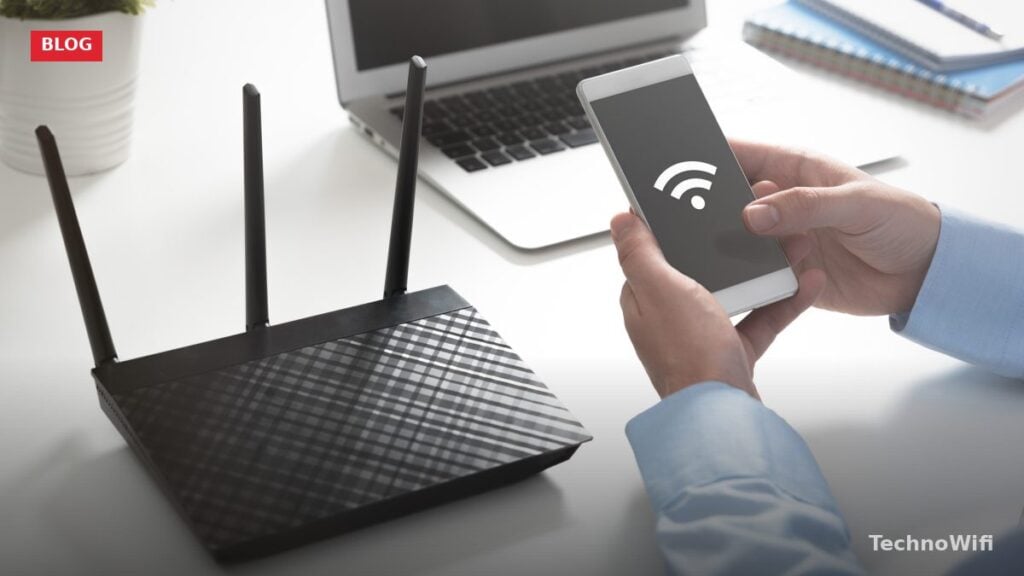
A modem and a router do two completely different jobs, but they sit next to each other on your desk and both have blinking lights, so most people assume they’re the same thing. They’re not. Your modem talks to your internet service provider. Your router talks to your devices. You need both to get Wi-Fi internet at home.
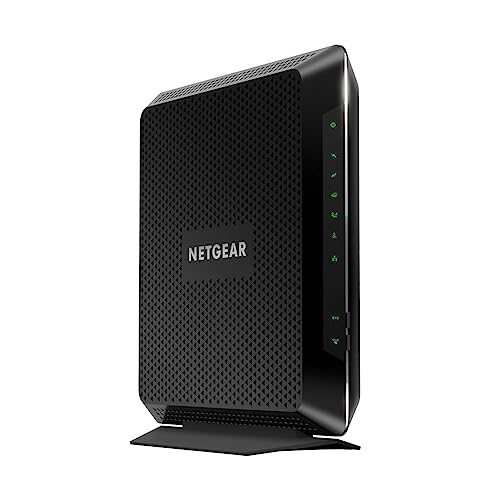
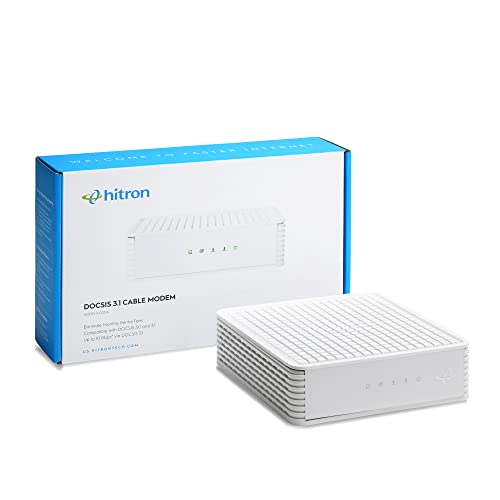
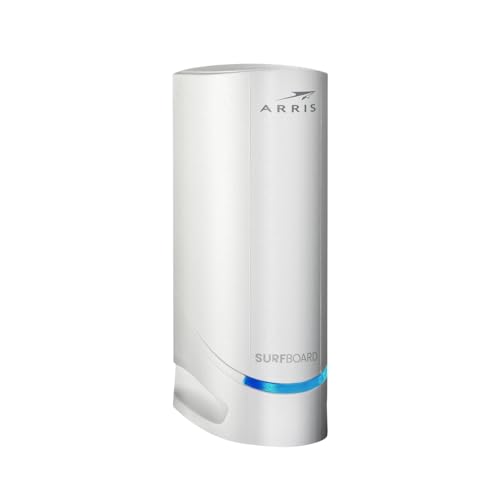
Here’s the short version: a modem brings the internet into your house, and a router sends it to your phone, laptop, smart TV, and everything else. If your modem dies, nobody in the house has internet. If your router dies, the internet connection still exists – you just can’t reach it wirelessly.
What Does a Modem Do
Modem stands for MOdulator-DEModulator. It converts the signal that travels over your ISP’s infrastructure – coaxial cable, phone line, or fiber optic cable – into digital data your devices can understand. The signal coming from your ISP isn’t something a computer can read directly. The modem translates it.
For router setup, see our Spectrum WiFi router setup guide.
Think of it like a translator at a border crossing. The ISP speaks one language (analog or optical signals), and your home network speaks another (Ethernet). The modem sits between them and translates in both directions. When you load a web page, the modem converts incoming ISP signals into data packets. When you send an email, it converts your data packets back into signals the ISP’s network can carry.
A modem has two ports that matter. On the back, there’s a coaxial input (for cable internet) or a phone jack (for DSL) where the ISP line plugs in. There’s also an Ethernet port where you connect a cable to your router or directly to a single computer. That’s it. Most modems don’t have Wi-Fi, don’t assign IP addresses, and can’t share your connection with multiple devices.
What Does a Router Do
A router takes the single internet connection from your modem and shares it with every device in your house. It creates your local network, assigns each device its own internal IP address using DHCP (Dynamic Host Configuration Protocol), and manages all the traffic flowing between your devices and the internet.
Your router is also what provides Wi-Fi. It broadcasts a wireless signal so your phone, tablet, and laptop can connect without plugging in an Ethernet cable. Most modern routers are dual-band, meaning they broadcast on both 2.4 GHz and 5 GHz frequencies.
Routers also protect your network. They use NAT (Network Address Translation) to hide your devices behind a single public IP address, and they include a built-in firewall that blocks unsolicited incoming traffic. Without a router, every device on your network would be directly exposed to the internet.
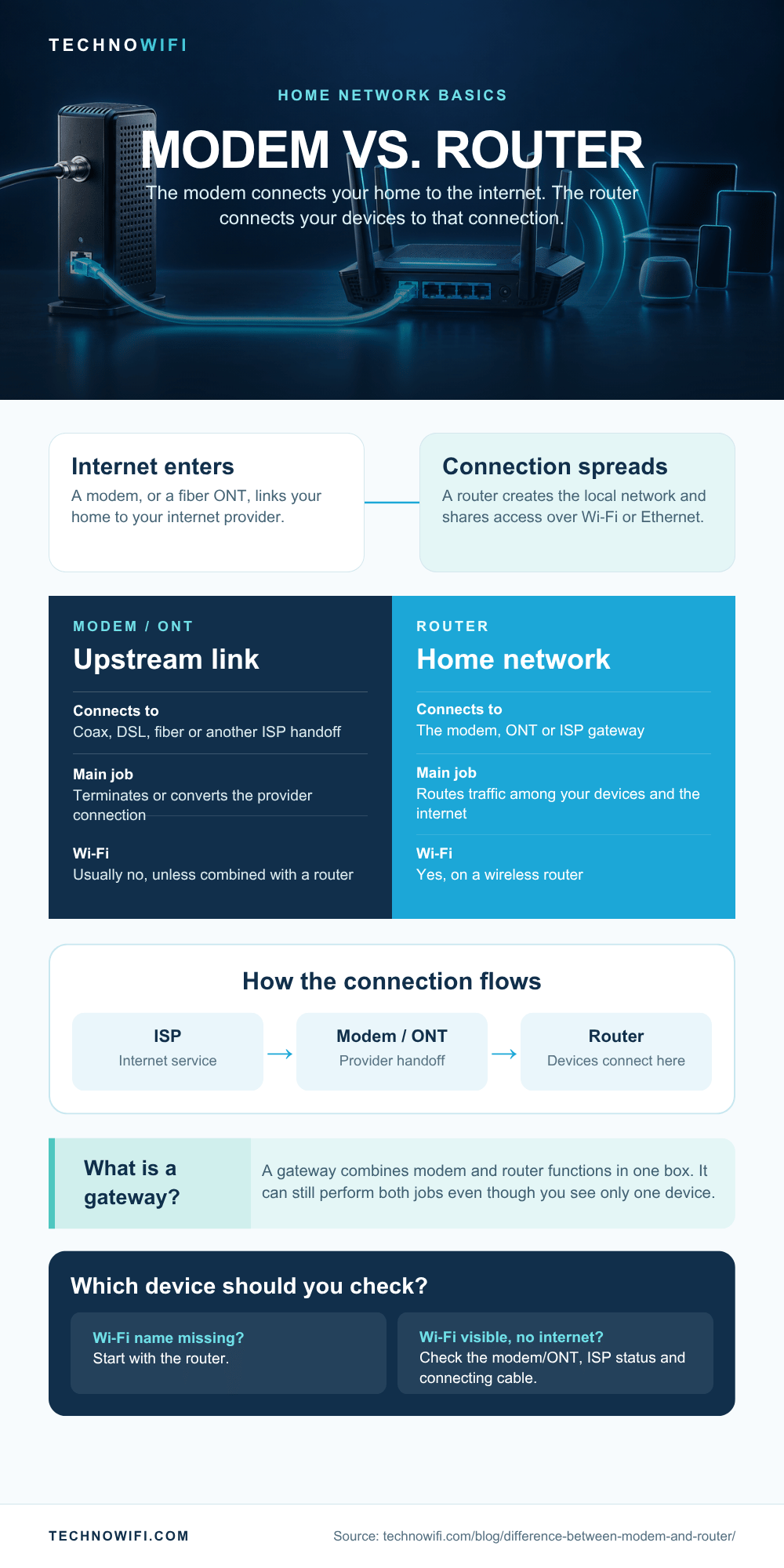
Modem vs Router Comparison
| Feature | Modem | Router |
|---|---|---|
| Primary function | Converts ISP signal to digital data | Shares internet connection with multiple devices |
| Connects to | ISP’s network (coaxial, phone line, fiber) | Modem (via Ethernet) |
| Provides Wi-Fi | No | Yes |
| Assigns IP addresses (DHCP) | No | Yes |
| NAT / Firewall | No | Yes |
| Typical ports | 1 coaxial/phone input, 1 Ethernet output | 1 WAN (Ethernet in), 4 LAN (Ethernet out), Wi-Fi |
| Can work alone | Yes (one wired device only) | No (needs modem for internet access) |
| Provided by ISP | Often rented for $10-15/month | Sometimes included in gateway combo |
How Do a Modem and Router Work Together
The two devices work in a chain. Each step in the chain handles a specific part of getting the internet from your ISP to your phone screen. Here’s exactly how the process works.
- Your ISP sends its signal through the coaxial cable, phone line, or fiber line that enters your house.
- The modem receives that signal and converts it into standard Ethernet data.
- An Ethernet cable connects the modem’s output port to the router’s WAN (Wide Area Network) input port.
- The router receives the internet connection and creates your local home network.
- The router assigns each connected device – phone, laptop, smart TV, gaming console – its own local IP address.
- Devices connect to the router either wirelessly over Wi-Fi or through the router’s LAN Ethernet ports.
- When you request a web page, the router sends your request through the modem to the ISP, and the response follows the same path back.
If you disconnect the Ethernet cable between the modem and router, your Wi-Fi network will still appear on your phone. You can still connect to it. But you won’t have internet access because the router has no connection to the modem.
What Are the Types of Modems
Cable modems are the most common type in the US. They connect to your ISP through a coaxial cable – the same type of cable used for cable TV. Modern cable modems use DOCSIS (Data Over Cable Service Interface Specification) technology. DOCSIS 3.0 modems support download speeds up to about 1 Gbps. DOCSIS 3.1 modems support multi-gigabit speeds and are required if your plan exceeds 1 Gbps.
DSL modems connect through your phone line. They use the copper telephone wires already running to your house. DSL speeds are much slower than cable – typically 10-100 Mbps depending on how far your house is from the ISP’s central office. DSL modems are becoming less common as cable and fiber expand.
Fiber ONTs (Optical Network Terminals) aren’t technically traditional modems, but they serve the same purpose. An ONT converts fiber optic light signals into Ethernet data. Your ISP usually installs the ONT on the side of your house or in a utility closet. With fiber, you typically connect the ONT directly to your router with an Ethernet cable. Some ISPs like Verizon Fios provide a combined ONT and router unit.
What Is a Modem-Router Combo (Gateway)
A gateway is a single device that combines a modem and a router into one box. Many ISPs provide these as their standard rental equipment. Instead of having two separate devices with a cable between them, everything is built into one unit. Xfinity’s xFi Gateway and Spectrum’s provided equipment are common examples.
Gateways are convenient because there’s only one device to set up, one power cord, and one set of lights to check when something goes wrong. For people who want the simplest possible setup, a gateway works fine.
The trade-off is flexibility and performance. ISP-provided gateways typically have weaker Wi-Fi radios, fewer features, and less control over settings compared to a standalone router. You also pay a monthly rental fee – usually $10-15 per month – for as long as you use the ISP’s equipment.
| Factor | Separate Modem + Router | Combo Gateway |
|---|---|---|
| Cost | Higher upfront ($100-250 total), no monthly fee | $10-15/month rental from ISP |
| Wi-Fi quality | Better – you choose the router | Usually adequate but not top-tier |
| Control and settings | Full control over both devices | Limited by ISP firmware |
| Setup | Two devices, one Ethernet cable between them | One device, simpler setup |
| Upgradability | Replace either device independently | Replace entire unit to upgrade |
| Troubleshooting | Easier to isolate modem vs router issues | Harder to tell which function failed |
| ISP support | ISP may not troubleshoot your equipment | Full ISP support included |
Should I Buy My Own Modem or Rent From My ISP
If your ISP charges a monthly rental fee for the modem or gateway, buying your own almost always saves money. At $12 per month, you spend $144 per year renting equipment. A good cable modem like the Motorola MB7621 costs about $60-80. It pays for itself in six months.
Before buying, check two things. First, confirm your ISP allows customer-owned equipment. Most cable ISPs do (Xfinity, Spectrum, Cox, Mediacom), but some fiber providers don’t let you replace the ONT. Second, check your ISP’s list of approved modems. Every ISP publishes a compatibility list, and using a modem not on that list can cause activation problems.
Skip buying your own if you have fiber internet (the ONT is usually ISP-owned and maintained), if your ISP includes the equipment at no extra charge, or if you want the ISP to handle all troubleshooting. Some ISPs won’t help diagnose issues if you’re using your own modem.
My WiFi Is Down vs My Internet Is Down
People say “my WiFi is down” and “my internet is down” like they mean the same thing. They don’t. These are two separate problems caused by two different devices, and knowing the difference saves you a lot of frustration when troubleshooting.
“My internet is down” means the connection between your modem and your ISP is broken. Your Wi-Fi network might still appear on your phone, and you might even be able to connect to it, but nothing loads. This is a modem problem or an ISP outage.
“My WiFi is down” means your router’s wireless signal has stopped broadcasting. Your phone can’t find or connect to your network. But the internet connection through the modem might be perfectly fine. If you plug a laptop directly into the router or modem with an Ethernet cable and the internet works, the problem is specifically the Wi-Fi radio in your router.
How to Troubleshoot Modem and Router Problems
Start with the modem. Every modem has indicator lights on the front panel. Look for a light labeled “Online,” “Internet,” or “WAN.” If that light is off or blinking, the modem hasn’t established a connection with your ISP.
- Check the modem’s indicator lights. A solid green or white “Online” light means the modem has a good connection. If it’s off or flashing, unplug the modem’s power cable, wait 30 seconds, and plug it back in. Wait 2-3 minutes for it to fully restart and reestablish the ISP connection.
- If the modem lights look normal but you still have no internet, connect a laptop directly to the modem using an Ethernet cable. If the internet works through a direct connection, the modem is fine and the problem is your router.
- If the modem won’t come back online after a restart, check the coaxial or phone cable connection. Make sure it’s hand-tight, not loose. Check for any visible damage to the cable.
- If everything looks physically fine and the modem still won’t connect, contact your ISP. There may be an outage in your area, or the modem may need to be re-provisioned on their end.
If the modem is working but devices can’t connect wirelessly, restart the router. Unplug its power, wait 30 seconds, and plug it back in. If Wi-Fi comes back but there’s still no internet, check the Ethernet cable between the modem and router. A loose or damaged cable between the two devices is a surprisingly common cause.
Modem vs Router FAQs
Do I need both a modem and a router?
If you want Wi-Fi and the ability to connect multiple devices, yes. The modem alone only gives you a single wired connection. You’d need to plug one computer directly into the modem with an Ethernet cable, and no other device could use the internet at the same time. A router lets you share that single connection with dozens of devices over Wi-Fi and Ethernet.
Can I use a modem without a router?
Yes, but with major limitations. You can connect one device directly to the modem using an Ethernet cable. That device gets internet access. However, you won’t have Wi-Fi, you can’t connect multiple devices, and your computer will be directly exposed to the internet without a router’s NAT and firewall protection. This setup is not recommended for everyday use.
What is a gateway device?
A gateway combines a modem and router into a single piece of hardware. It handles both jobs – converting the ISP signal and sharing the connection with your devices over Wi-Fi. ISPs commonly provide gateways as rental equipment. While convenient, they often have weaker Wi-Fi and fewer features than a dedicated router.
Should I rent my modem from my ISP or buy my own?
Buy your own if your ISP charges a monthly rental fee. Most cable ISPs charge $10-15 per month for equipment rental. A compatible cable modem costs $60-100 and pays for itself within a year. Check your ISP’s approved modem list before purchasing. If you have fiber, the ISP typically owns and maintains the ONT, so buying your own isn’t an option in most cases.
Do I need a modem for fiber internet?
Not a traditional modem. Fiber internet uses an ONT (Optical Network Terminal) instead of a cable or DSL modem. The ONT converts light signals from the fiber optic line into Ethernet data. Your ISP installs and owns the ONT in most cases. You still need a router to create your Wi-Fi network and connect multiple devices – the ONT just replaces what a modem would do on a cable or DSL connection.
Sources
For combo picks, check our best modem router combos.
We go deeper on router setup and management in our other guides: How to Log In to Your WiFi Router, Disable WiFi on Optimum Router (Every Model), How to Remove Devices From WiFi Router, Linksys vs Netgear: Which Router Brand Wins?, and What Does WPS Mean on a WiFi Router?.
Picking the right router starts with knowing your internet plan. Use our ISP coverage checker to see what speeds and providers are available at your address.
FCC – Equipment for Your Internet Service | Motorola Home – Cable Modem Support and Compatibility
How we verify what we publishLast checked October 10, 2026Report an error