What Is ZigBee?
ZigBee is a wireless communication protocol built specifically for smart home devices and IoT applications. Unlike WiFi, which was designed to move large amounts of data at high speed, ZigBee was purpose-built for short-range, low-power communication between devices like sensors, smart bulbs, door locks, and thermostats.
The protocol operates on the IEEE 802.15.4 standard and uses the 2.4 GHz frequency band (with some regional variations). It was developed by the ZigBee Alliance, which has since rebranded as the Connectivity Standards Alliance, the same group behind the Matter smart home standard.
If you are building out a smart home or exploring your protocol options, ZigBee home automation remains one of the most widely supported choices available in 2026.
How ZigBee Works in Smart Home Setups
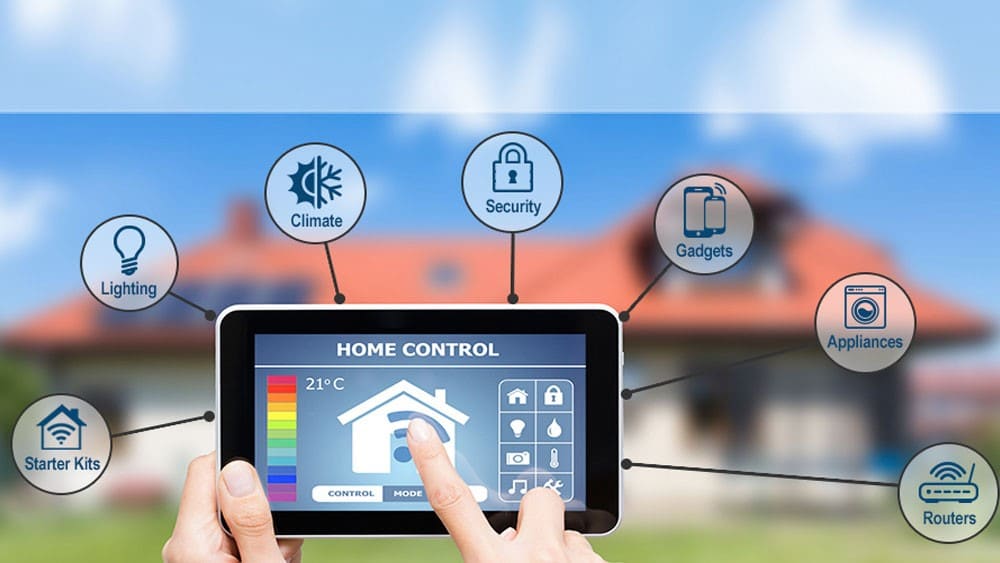
ZigBee operates using a mesh networking architecture. That means devices in your smart home do not just connect to a single hub. Instead, each powered device (like a smart plug or light switch) can relay signals to other devices, extending the network’s range throughout your house.
A typical ZigBee setup has three types of devices:
- Coordinator: This is the central hub that manages the entire ZigBee network. Popular options include the Amazon Echo (4th gen and later), Samsung SmartThings hub, and Philips Hue Bridge.
- Routers: These are mains-powered devices that repeat signals and extend the mesh. Smart plugs and in-wall switches often serve as routers.
- End Devices: Battery-powered gadgets like motion sensors, door sensors, and remote controls. These sleep most of the time and wake up only to send or receive data, which helps conserve battery life.
The more router devices you add to the network, the stronger and more reliable your mesh becomes. A well-designed ZigBee network can support hundreds of devices without slowdown.
ZigBee vs. WiFi vs. Z-Wave
Choosing the right protocol for your smart home is an important decision. Here is how ZigBee stacks up against WiFi and Z-Wave, the two other popular options.
ZigBee vs. WiFi
WiFi smart devices are easy to set up because they connect directly to your existing router with no extra hub required. However, WiFi devices tend to draw more power, which means battery-operated sensors and switches drain faster. WiFi networks also slow down when too many devices are connected, and most consumer routers struggle beyond 30 to 50 devices.
ZigBee avoids these problems. Its mesh network handles hundreds of devices without straining your WiFi bandwidth. Battery-powered ZigBee sensors can last two to three years on a single coin cell battery. The trade-off is that ZigBee requires a dedicated hub or coordinator.
ZigBee vs. Z-Wave
Z-Wave is another mesh protocol with a loyal following. It operates on a sub-1 GHz frequency (around 908 MHz in North America), which gives it better range per hop and less interference from WiFi and Bluetooth devices. Z-Wave networks cap at 232 devices, while ZigBee supports over 65,000 in theory.
Z-Wave devices tend to cost a bit more, and the ecosystem is smaller than ZigBee’s. On the other hand, Z-Wave’s stricter certification process means fewer interoperability issues between brands. ZigBee devices sometimes need brand-specific hubs to work properly, though this has improved significantly over the years.
Quick Comparison
- Power usage: ZigBee and Z-Wave are both low-power. WiFi uses significantly more.
- Device limit: ZigBee supports the most devices. Z-Wave caps at 232. WiFi depends on your router.
- Range per device: Z-Wave has the best single-hop range. ZigBee and WiFi are similar at around 10 to 20 meters indoors.
- Hub required: ZigBee and Z-Wave both need a hub. WiFi does not.
- Interference: Z-Wave has the least interference. ZigBee and WiFi both use 2.4 GHz and can occasionally conflict.
Popular ZigBee-Compatible Devices
The ZigBee ecosystem includes thousands of certified products. Some of the most popular categories and brands include:
- Smart Lighting: Philips Hue, IKEA TRADFRI, and Innr all offer ZigBee-compatible bulbs, light strips, and switches.
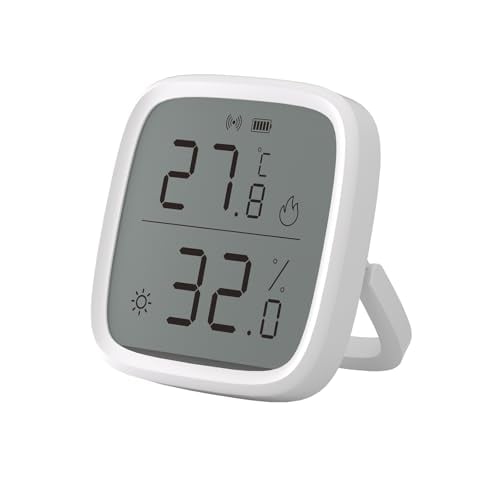
- Sensors: Aqara and Samsung SmartThings offer door/window sensors, motion detectors, temperature sensors, and water leak sensors.
- Smart Plugs: SONOFF, Innr, and SmartThings plugs work on ZigBee and double as mesh routers.
- Door Locks: Yale and Kwikset offer ZigBee-compatible smart locks that integrate with most hubs.
- Thermostats: Some Honeywell and ecobee models support ZigBee connectivity.
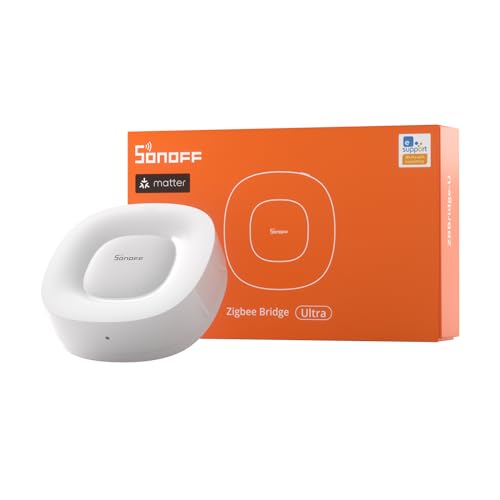
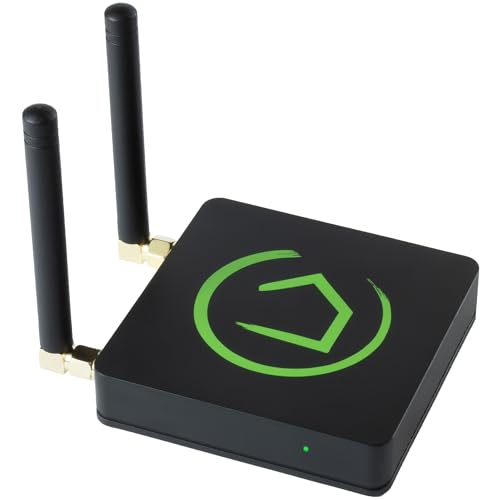
- Hubs and Controllers: Amazon Echo (with built-in ZigBee), Samsung SmartThings, Hubitat Elevation, and Home Assistant (with a ZigBee USB dongle) all serve as ZigBee coordinators.
ZigBee and the Matter Protocol
The biggest development for ZigBee in recent years has been the arrival of Matter, the universal smart home standard. Matter was developed by the Connectivity Standards Alliance (formerly the ZigBee Alliance) and launched in late 2022.
Matter runs over WiFi and Thread, with Thread being a networking protocol that shares ZigBee’s underlying IEEE 802.15.4 radio technology. In practical terms, this means many ZigBee-compatible hardware radios can also run Thread and support Matter with a firmware update.
As of 2026, Matter adoption has grown steadily. Most major smart home platforms, including Apple Home, Google Home, Amazon Alexa, and Samsung SmartThings, support Matter devices. However, ZigBee has not been replaced. Millions of ZigBee devices are still in active use, and manufacturers continue to release new ZigBee products alongside their Matter-compatible lines.
For homeowners with existing ZigBee setups, there is no rush to switch. ZigBee devices work well, the ecosystem is mature, and many hubs support both ZigBee and Matter at the same time.
Is ZigBee Right for Your Smart Home?
ZigBee home automation is a strong choice if you want a reliable, low-power smart home network that can scale to dozens or even hundreds of devices. It works best when you already have (or are willing to buy) a compatible hub, and it pairs well with popular platforms like Alexa, SmartThings, and Home Assistant.
If you prefer a no-hub setup with fewer devices, WiFi-based products might be simpler. And if you want the best range with minimal interference, Z-Wave is worth considering. But for most smart home enthusiasts building a mid-size to large setup, ZigBee hits the right balance of price, power efficiency, device support, and flexibility.