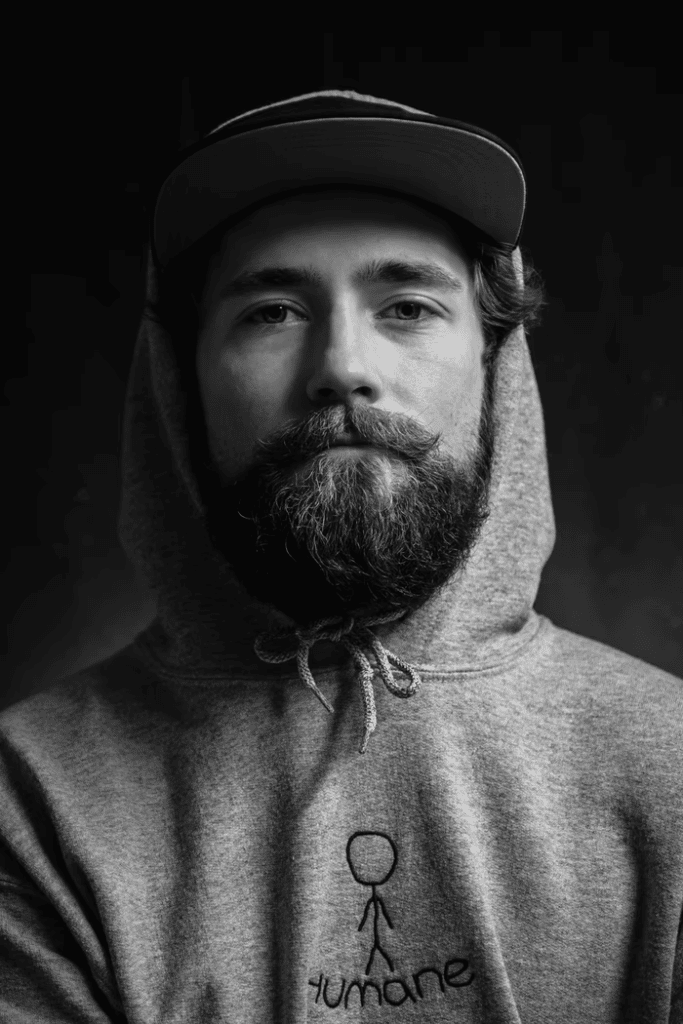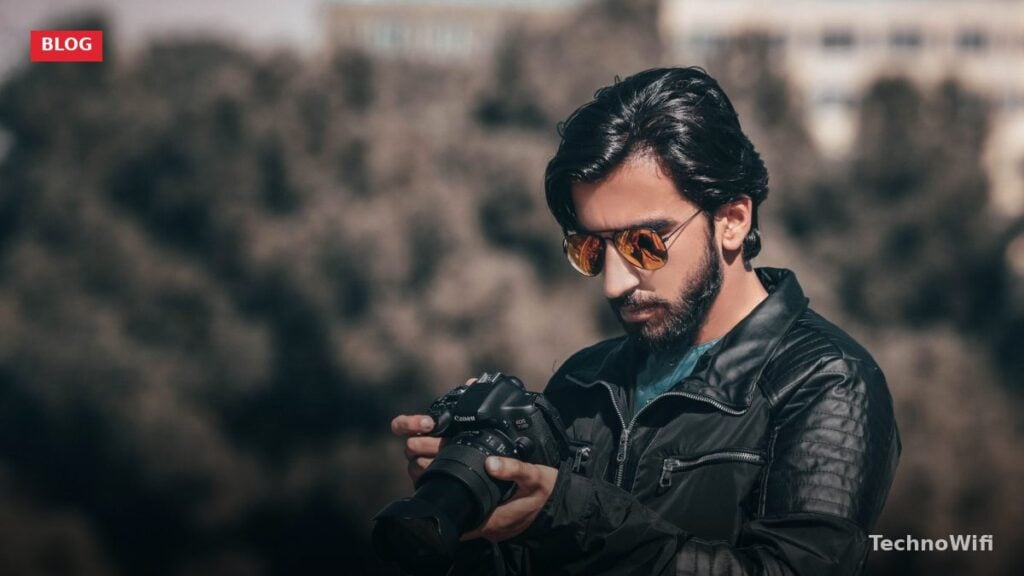
Creative portrait photography goes beyond having your subject stand still and smile. It is about using light, color, movement, and composition to capture personality and emotion in ways that surprise the viewer. Whether you are shooting in a studio or outdoors, the right planning and a few creative techniques can turn an ordinary portrait session into something memorable.
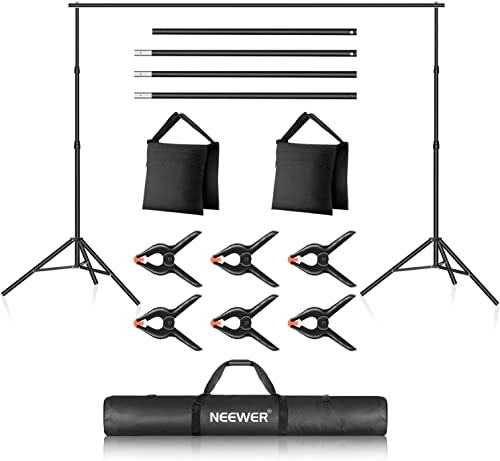


This guide covers six planning tips to prepare for your session and six creative ideas you can try right away.
Planning Your Creative Portrait Session
1. Know Your Equipment
Technical knowledge goes hand in hand with creativity. Understanding how your camera settings, lenses, and lighting gear work together gives you more freedom to experiment. Try different focal lengths, aperture values, and shutter speeds during practice sessions so you can make quick adjustments when inspiration strikes during a real shoot.
2. Choose the Right Model
Your model does not need to be a professional. Family members, friends, or anyone willing to sit for you can produce great results. What matters most is how comfortable they feel during the session. A relaxed model gives you natural expressions and genuine emotion. Keep the energy positive, play some music, and give clear direction so they know what to expect.
3. Work with Lighting
Lighting shapes the entire mood of a portrait. Learn how light spreads, bounces, and reflects off surfaces. Your main options are ambient (natural) light, continuous artificial light, and strobe (flash) light. Each produces a different look. Natural light through a window gives soft, flattering results. Strobes give you more control and punch. Experiment with both to find what fits your creative vision.
Readers who found this helpful also liked our guide on celebrity portraits.
4. Use Light Modifiers
Once you pick a light source, modifiers let you shape it. Softboxes and umbrellas spread light for a soft, even look. Grids and snoots focus it for harder, more dramatic shadows. Reflectors bounce light back onto your subject to fill in dark areas. The choice between hard and soft light changes the feel of the entire portrait, so start with one modifier and learn what it does before stacking multiple tools.
5. Pick the Right Location
Your shooting location adds context and visual interest. A textured brick wall, an open field, or a simple studio backdrop each tell a different story. Walk through your location beforehand and pay attention to where the light falls, what is in the background, and how much space you have to work with. Small details like framing and crop around the model’s face can make a big difference.
6. Style with Props and Makeup
Props, makeup, and hairstyling add another layer of creativity to your portraits. This is often the most challenging part of the process because every element needs to work together. Umbrellas, flowers, hats, scarves, and even everyday objects can add visual interest. Coordinate with a makeup artist or hairstylist when possible to match the overall mood of your session.
6 Creative Portrait Photography Ideas
With your session planned, here are six techniques to try. Each one adds a different artistic quality to your portraits.
1. Portrait Series with Burst Mode
Set your camera to burst mode and capture a rapid sequence of shots while talking with your subject. Tell jokes, ask questions, or start a conversation while clicking the shutter. You will catch a wide range of expressions and emotions, from laughter to thoughtful pauses. The best creative portraits often come from unguarded moments between posed shots.
For more on this, take a look at our black and white portrait photography guide.
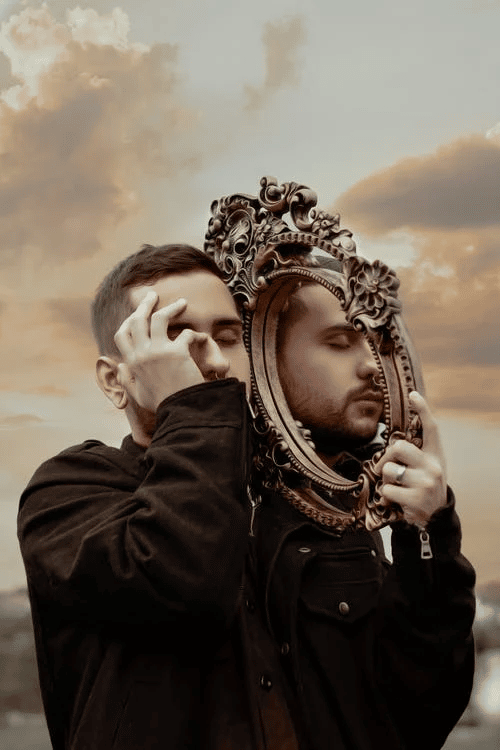
2. Mirrors and Reflections
Mirrors add an artistic dimension to portraits by giving you two perspectives of your subject in a single frame. Position a mirror so you capture both the subject and their reflection for a layered, visually interesting composition. You can also shoot the reflection alone for an abstract approach.
3. Play with Color Gels
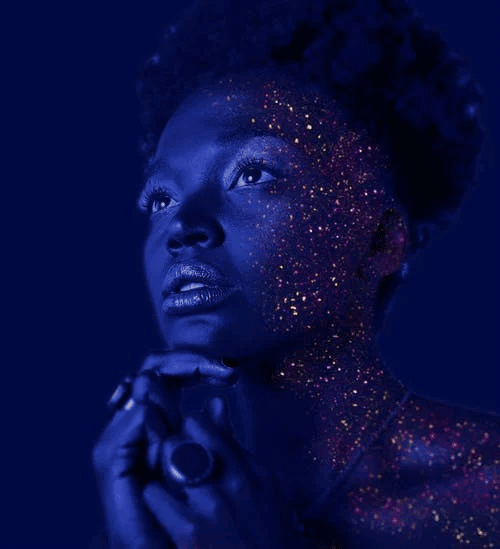
Color gels are transparent filters you place over your lights to tint them. They instantly set a mood. Start with a single vibrant gel, such as red or blue, to learn how it changes the atmosphere of your portraits. Once you are comfortable, layer two or more gels for richer, more complex color combinations.
4. Experiment with Motion
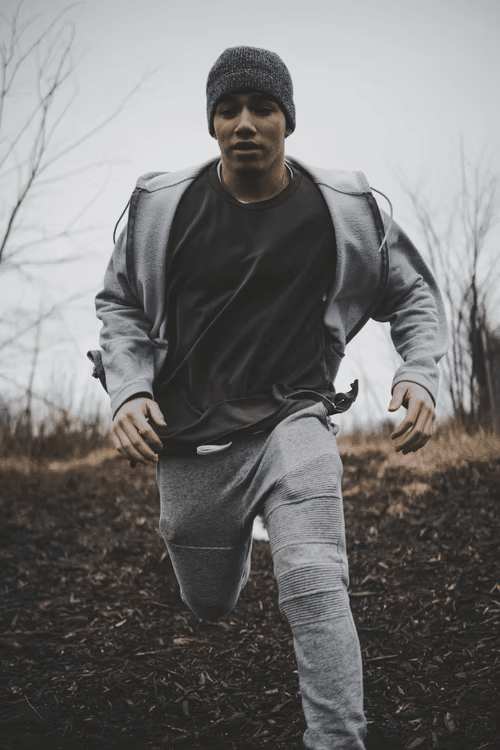
Instead of keeping everything sharp and still, introduce movement. Ask your subject to turn, lean, or shift position while you shoot with a slower shutter speed and lower ISO. The controlled motion blur adds energy and an artistic quality that static poses cannot match. Hair flips, fabric swirls, and walking shots all work well for this technique.
5. Soft Focus
Soft focus adds a smooth, dreamy quality to your portraits by reducing sharpness and minimizing skin details. You can achieve this with a dedicated soft focus filter, a smear of petroleum jelly on a UV filter, or even by breathing lightly on the lens. The result is a glowing, dreamlike image that draws attention to shape and light rather than fine detail.
6. Black and White
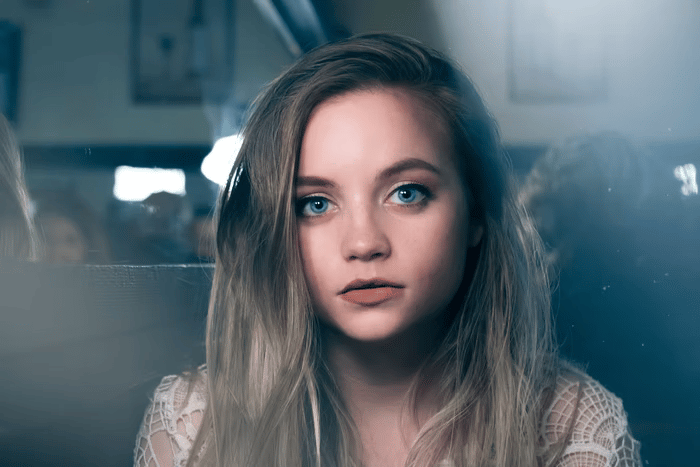
Removing color forces the viewer to focus on your subject’s expression, the play of light and shadow, and the composition itself. Black and white portraits carry a timeless, dramatic feel. When shooting for monochrome, pay special attention to the eyes and how light falls across the face. Strong contrast between highlights and shadows makes black and white portraits stand out.